

Why is zinc and magnesium good for you?
Zinc and magnesium are two of the most physiologically active minerals in the human body, and together they cover a remarkable range of functions. Zinc anchors your immune defenses and drives protein synthesis. Magnesium keeps your muscles relaxed, your nerves calm, and your energy metabolism running. When you get enough of both, the combined supplementation supports immune function, bone health, and metabolic balance in ways neither mineral can fully accomplish alone.
Here is a quick snapshot of what they do together:
- Support immune cell production and inflammatory regulation
- Promote muscle relaxation and nerve signal transmission
- Strengthen bone density through complementary mechanisms
- Enhance athletic recovery and endurance
- Improve sleep onset and overall sleep quality
- Participate in enzymatic reactions that power cellular metabolism
Neither mineral is a cure-all. They work through distinct but overlapping pathways, which is exactly why pairing them makes sense for anyone serious about their health.
How zinc strengthens your immune system and repairs tissue
Zinc is the mineral your immune system cannot function without. It activates T-lymphocytes, the white blood cells that identify and destroy infected cells, and it regulates the inflammatory signals that determine how aggressively your body responds to a threat. Without adequate zinc, that response becomes sluggish or misdirected.
Beyond immunity, zinc drives protein synthesis and muscle repair at the cellular level. Every time you recover from a workout, a cut, or an illness, zinc is working in the background to rebuild tissue. Deficiencies correlate with slower wound healing and greater susceptibility to respiratory infections.
Key physiological effects of zinc on immunity and healing:
- Activates immune cells including T-lymphocytes and natural killer cells
- Regulates cytokine production to control inflammatory response
- Supports collagen synthesis for wound closure and tissue repair
- Reduces the duration and severity of common infections
- Maintains the integrity of skin and mucosal barriers
Zinc also plays a role in vascular health. Zinc deficiency links to hypertension, and adequate intake supports nitric oxide production, which keeps blood vessels relaxed and blood pressure in a healthier range.
What magnesium does for your muscles, nerves, and metabolism
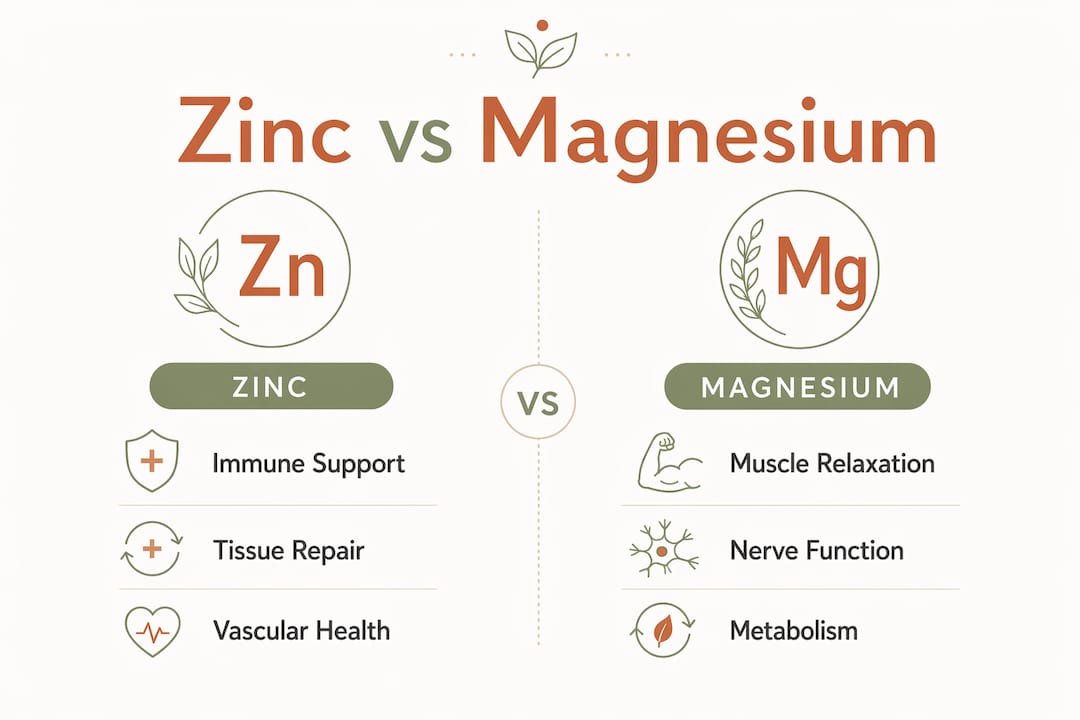
Magnesium participates in over 300 enzymatic reactions that govern energy production, protein synthesis, and cellular signaling. That number is not a marketing claim. It reflects how deeply embedded magnesium is in basic metabolic function, from converting food into ATP to regulating ion transport across cell membranes.

For muscles and nerves, magnesium acts as a natural brake. It blocks overactivation of NMDA receptors, the channels that trigger nerve firing, which is why low magnesium often shows up as muscle cramps, twitching, or heightened anxiety. Adequate magnesium keeps that excitability in check. You can read more about its neurological effects in this magnesium glycinate guide.
Magnesium’s key functions at a glance:
- Catalyzes ATP synthesis for cellular energy
- Relaxes smooth and skeletal muscle tissue
- Regulates nerve signal transmission and reduces excitability
- Supports cardiovascular function and healthy blood pressure
- Contributes to bone mineralization alongside calcium and vitamin D
How zinc and magnesium together benefit athletic performance and bone health
Athletes lose both zinc and magnesium through sweat, and the consequences of running low on either are measurable. Zinc deficiencies correlate with fatigue and reduced endurance; magnesium shortfalls impair muscle contraction efficiency and slow recovery. Together, they cover the full arc of physical performance, from the workout itself to the repair that follows.
Magnesium’s anti-inflammatory properties reduce post-exercise muscle soreness, while zinc accelerates the protein synthesis needed to rebuild muscle fibers. For bone health, the two minerals work through different but complementary routes. Magnesium regulates calcium transport into bone tissue, and zinc activates the enzymes that build the collagen matrix bones depend on for structural integrity.
Combined benefits for sport and skeletal health:
- Zinc supports anabolic signaling and muscle protein synthesis
- Magnesium reduces exercise-induced inflammation and oxidative stress
- Both minerals contribute to bone mineral density
- Zinc aids testosterone regulation, which influences muscle mass
- Magnesium improves neuromuscular coordination and reduces cramping
Pro Tip: If you train regularly, consider timing your zinc and magnesium intake in the evening. Both minerals support recovery processes that peak during sleep, so you get a double benefit.
Can zinc and magnesium actually improve your sleep?
Yes, and the evidence is more specific than most people realize. Magnesium reduces nervous system excitability by acting as a natural NMDA antagonist and GABA agonist, two mechanisms that directly lower the neural arousal keeping you awake. A meta-analysis of three randomized controlled trials found that magnesium supplementation reduced sleep onset latency by 17.36 minutes and extended total sleep time by 16.06 minutes compared to placebo.
Zinc contributes through a different pathway. Oral zinc increases total NREM sleep and improves sleep efficiency, likely by modulating neurotransmitter activity involved in circadian rhythm regulation. A clinical trial combining melatonin, magnesium, and zinc in older adults with insomnia showed significant improvement in Pittsburgh Sleep Quality Index scores after 8 weeks.
Sleep benefits from zinc and magnesium:
- Magnesium shortens the time it takes to fall asleep
- Zinc increases NREM sleep duration and overall sleep efficiency
- Combined supplementation amplifies sleep quality improvements
- Magnesium raises melatonin levels, reinforcing the body’s natural sleep signal
- Both minerals may ease restless legs syndrome symptoms
Dietary sources, safe dosages, and what to watch out for
Food first is always the right starting point. Zinc is concentrated in oysters, beef, pumpkin seeds, and fortified cereals. Magnesium is abundant in dark leafy greens, almonds, black beans, and whole grains. Most people eating a varied diet get a reasonable baseline, but athletes, older adults, and people with digestive conditions often fall short.
When supplementation makes sense, dosage and form matter. During pregnancy, national recommendations advise at least 30 mg zinc and 350 mg magnesium daily to reduce preterm birth risk, but excess supplementation carries real risks. Prenatal care providers generally prefer bioavailable magnesium forms over magnesium oxide, which absorbs poorly. Always discuss supplement plans with a healthcare provider before pregnancy or if you have a preexisting condition.
One interaction worth knowing: excessive zinc intake can impair magnesium absorption. Taking very high zinc doses without balancing magnesium can quietly deplete the other mineral. The fix is straightforward: stay within recommended ranges and avoid megadosing either one.
Practical guidance and safety tips:
- Take supplements with food to reduce gastrointestinal discomfort
- Avoid taking zinc and magnesium at the same time as calcium-rich foods or iron supplements, which compete for absorption
- Stick to established Tolerable Upper Intake Levels to prevent toxicity
- Choose bioavailable forms such as magnesium glycinate or citrate and zinc picolinate or gluconate
- Consult a healthcare provider if you are pregnant, nursing, or managing a chronic condition
Key Takeaways
Zinc and magnesium work through distinct but overlapping pathways, making their combined use more effective than either mineral taken alone for immunity, recovery, and sleep.
| Point | Details |
|---|---|
| Immune and tissue support | Zinc activates immune cells and drives protein synthesis critical for wound healing and infection defense. |
| Enzymatic and metabolic roles | Magnesium participates in over 300 enzymatic reactions governing energy production and nerve function. |
| Athletic and bone benefits | Together, zinc and magnesium support muscle recovery, bone density, and endurance in physically active people. |
| Sleep quality improvement | Magnesium reduced sleep onset latency by 17.36 minutes in clinical trials; zinc increases NREM sleep duration. |
| Safe supplementation | Excessive zinc can impair magnesium absorption; stay within recommended ranges and take supplements with food. |
Nutribliss formulates supplements with these mineral interactions in mind. The Nutribliss Electrolytes Supplement delivers key minerals including magnesium and zinc to support hydration and performance, while the Sleep Formula combines magnesium and zinc with complementary ingredients for better rest. Both are built on the same evidence base covered in this article.

Explore the full #nutribliss range at nutribliss.us to find the right formula for your goals.