

TL;DR:
- Zinc is an essential mineral crucial for immune function, wound healing, and cellular growth. Most healthy adults meet their zinc needs through diet, but supplementation benefits those with deficiency or restricted diets. Excessive zinc intake can impair copper absorption and harm health, making dose management vital.
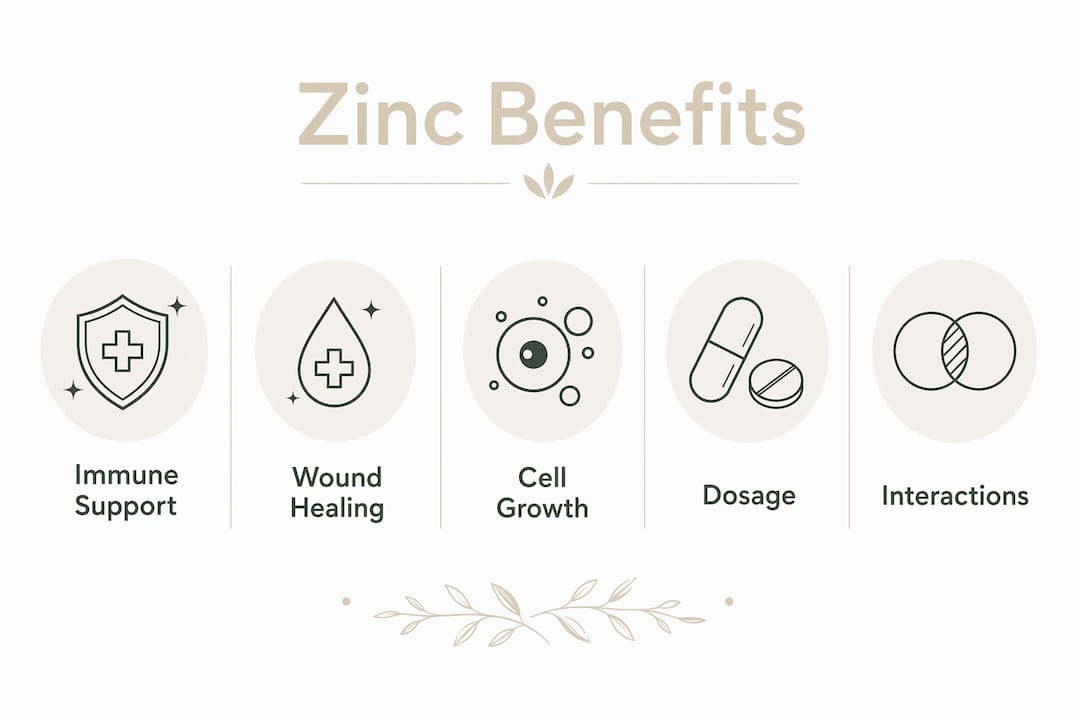
Zinc is defined as an essential mineral your body cannot produce on its own, which is exactly why do you take zinc as a supplement matters. It drives more than 300 enzymatic reactions, from immune cell function to DNA synthesis, wound healing, and the senses of taste and smell. The Recommended Dietary Allowance (RDA) for zinc is 11 mg per day for adult males and 8–9 mg per day for adult females, covering 97–98% of healthy individuals’ needs. That number tells you something critical: most people are close to the line, and even a modest shortfall can affect how your body performs at a cellular level.
Why do you take zinc? The core health benefits
Zinc is not a single-purpose nutrient. It works across multiple biological systems simultaneously, which is why its absence creates such wide-ranging problems.
Immune system support
Zinc activates T-lymphocytes, the white blood cells that coordinate your immune response and attack infected or cancerous cells. Without adequate zinc, your immune system produces fewer of these cells and responds more slowly to threats. Zinc supports immune function, DNA and protein synthesis, wound healing, and the senses of taste and smell through catalytic, structural, and regulatory pathways. That breadth of function makes it one of the most consequential minerals in your diet.

Wound healing and skin health
Zinc plays a direct role in collagen synthesis and inflammatory response, both of which are required for tissue repair. Hospitals have used zinc supplementation for decades to accelerate wound healing in patients with confirmed deficiencies. Zinc also maintains the intestinal lining, supports nutrient absorption, and carries anti-inflammatory properties that benefit skin conditions like acne and eczema. If you have ever noticed that a skin condition worsened during a period of poor eating, low zinc may have been a contributing factor.
DNA synthesis and cellular growth
Every time your body creates a new cell, zinc is involved. It stabilizes the structure of proteins and DNA, making it indispensable during periods of rapid growth such as childhood, pregnancy, and recovery from illness. This is not a minor background role. Without zinc, cell replication slows, and tissue repair stalls.
Pro Tip: If you eat a varied diet that includes red meat, shellfish, legumes, and seeds, you are likely meeting your zinc needs through food alone. Supplementation makes the most sense when your diet is restricted or your needs are elevated.
When and why do people need to take zinc supplements?
Supplementation is not the right answer for everyone. The question is whether your intake from food matches your body’s actual demand.
Recognizing zinc deficiency
Zinc deficiency produces a recognizable cluster of symptoms. These include:
- Frequent infections or slow recovery from illness
- Delayed wound healing
- Hair thinning or loss
- Loss of taste or smell
- Skin rashes or persistent acne
- Poor appetite and digestive discomfort
These symptoms overlap with many other conditions, so a blood test is the most reliable way to confirm deficiency before starting a supplement.
Populations most at risk
Certain groups face a higher risk of low zinc status regardless of how carefully they eat:
- Children and adolescents in growth phases have elevated zinc demands that diet alone may not meet.
- Older adults absorb zinc less efficiently due to age-related changes in gut function.
- Vegetarians and vegans consume less bioavailable zinc because plant-based sources contain phytates that bind to the mineral and reduce absorption.
- People with gastrointestinal conditions such as Crohn’s disease or celiac disease lose zinc through malabsorption.
- Pregnant and breastfeeding women have increased zinc requirements to support fetal development and milk production.
Cold symptom relief
Oral zinc lozenges may shorten cold duration if started within 24 hours of symptom onset. Formulations containing zinc gluconate or zinc acetate show the most consistent results. The benefit is real but modest, and long-term lozenge use carries its own risks, which the dosage section covers in detail.
Clinical uses beyond everyday wellness
Zinc supplementation is most effective when addressing confirmed deficiency or specific clinical conditions like age-related macular degeneration. The AREDS2 clinical formula for eye health includes high-dose zinc balanced with copper to prevent the copper depletion that high zinc intake causes. This is a good example of zinc working precisely within a defined medical context rather than as a general wellness booster.
How much zinc should you take and what are the safety limits?
Getting the dose right matters more with zinc than with most other minerals. Too little leaves you deficient. Too much disrupts other nutrients and harms the same systems you are trying to protect.
Recommended daily amounts
The RDA for zinc varies by life stage and gender:
| Group | RDA (mg/day) |
|---|---|
| Adult males | 11 mg |
| Adult females | 8 mg |
| Pregnant women | 11 mg |
| Breastfeeding women | 12 mg |
| Children (ages 4–8) | 5 mg |
| Adolescents (ages 14–18, male) | 11 mg |
These figures cover the needs of 97–98% of healthy people. Most adults who eat a varied diet reach these levels without supplements.
The upper intake limit
The Tolerable Upper Intake Level (UL) for zinc in the U.S. is 40 mg per day for adults, applying to total intake from both food and supplements combined. Exceeding this threshold regularly causes nausea, vomiting, and reduced immune function. The more serious long-term risk is copper depletion.
Interactions with other minerals
Zinc has known interactions with copper, calcium, and iron, all of which compete for absorption in the gut. High zinc intake reduces copper absorption most significantly. Copper deficiency causes anemia and neurological symptoms that are easy to misattribute to other causes. If you take a zinc supplement regularly, pairing it with a small amount of copper is standard practice in clinical settings.
Long-term high zinc intake can impair copper absorption and immune function. That outcome is the opposite of why most people start taking zinc in the first place. This is why dose management is not optional.
Pro Tip: Take zinc supplements with food to reduce the risk of nausea. Avoid taking zinc at the same time as iron or calcium supplements, since all three compete for the same absorption pathway.
What are common misconceptions about taking zinc supplements?
The supplement market positions zinc as a universal immune booster. The evidence does not support that framing for healthy adults.
Zinc does not enhance immunity in people who are already replete
Most healthy individuals in the U.S. consume adequate zinc through diet alone, reducing the need for routine supplementation. Adding more zinc to a body that already has enough does not produce extra immune benefits. The immune system does not work like a battery you can overcharge. It operates within a tightly regulated range, and excess zinc disrupts the intricate cellular pathways that keep it functioning.
Marketing versus evidence
Many health claims for zinc as an immunity booster oversimplify the science. The strongest evidence supports zinc for correcting deficiencies, managing cold symptoms short-term, and specific clinical conditions. Broad daily use without a confirmed need is not well supported by clinical research.
Short-term versus long-term use
Short-term zinc supplementation during illness or recovery is very different from daily long-term use. Zinc lozenges used for a week during a cold carry minimal risk. Daily high-dose supplementation for months without monitoring creates real risks of copper deficiency and disrupted mineral homeostasis. The distinction matters, and most supplement labels do not make it clearly enough.
Key Takeaways
Zinc is an essential mineral that supports immune function, wound healing, and cellular growth, but supplementation only delivers clear benefits when intake is genuinely insufficient.
| Point | Details |
|---|---|
| RDA by gender | Adult males need 11 mg/day; adult females need 8 mg/day from all sources. |
| Upper intake limit | The U.S. UL is 40 mg/day total; exceeding it risks copper depletion and immune disruption. |
| Best candidates for supplements | People with deficiency, dietary restrictions, or specific clinical conditions benefit most. |
| Mineral interactions | Zinc competes with copper, calcium, and iron; pair high-dose zinc with copper supplementation. |
| Cold symptom use | Zinc gluconate or acetate lozenges started within 24 hours may modestly shorten cold duration. |
Zinc supplementation: what the research actually tells us
The honest answer to why supplement zinc is that it depends entirely on your starting point. I have read through a lot of the clinical literature on this mineral, and the pattern is consistent. Zinc works remarkably well when there is a real deficit to correct. It does very little when there is not.
What frustrates me about how zinc is marketed is the implication that more is always better. The biology says the opposite. Zinc homeostasis is tightly controlled at the cellular level, and pushing excess zinc into that system does not amplify the benefits. It creates new problems, specifically copper depletion and the downstream effects that follow.
My practical advice is this: before you buy a zinc supplement, look at your diet first. Oysters, beef, pumpkin seeds, lentils, and chickpeas are all strong sources. If your diet includes these regularly, you are probably fine. If your diet is restricted, you are older, or you are recovering from illness, a modest supplement in the 8–15 mg range is a reasonable choice. Anything above 40 mg daily without medical supervision is a risk, not a benefit. Consult a healthcare provider before starting any long-term regimen, especially if you take other minerals or medications.
You can read more about zinc’s role in performance and how the body manages this mineral under different conditions.
— GAURAV
Nutribliss zinc supplements: quality backed by science
Zinc works best when the formulation is built around how the body actually absorbs and uses it.

Nutribliss approaches mineral supplementation the same way: with formulations grounded in research, not marketing claims. The Nutribliss Mag-Zinc Performance & T-Support combines zinc with magnesium in a format designed for active adults who need reliable mineral support. Every product in the Nutribliss supplements collection is built around the science of what your body actually needs, not what sounds good on a label. If you want to understand the evidence behind the formulas, the science behind superfoods page lays it out clearly. Use #nutribliss to share your experience with the community.
FAQ
What is zinc good for in the body?
Zinc supports immune cell function, DNA synthesis, wound healing, and the senses of taste and smell. It also maintains the intestinal lining and carries anti-inflammatory properties that benefit skin conditions like acne.
Why take a zinc supplement if you eat a balanced diet?
Most healthy adults in the U.S. get enough zinc through food. Supplementation is most useful for people with confirmed deficiency, dietary restrictions, older adults, or those managing specific clinical conditions.
What are zinc tablets good for during a cold?
Zinc gluconate or zinc acetate lozenges started within 24 hours of cold symptoms may modestly shorten the duration of illness. Long-term daily use of lozenges is not recommended due to the risk of copper depletion.
How much zinc is too much?
The U.S. Tolerable Upper Intake Level is 40 mg per day from all sources combined. Regularly exceeding this amount risks nausea, impaired immune function, and copper deficiency.
Does zinc interact with other supplements?
Zinc competes with copper, calcium, and iron for absorption. Taking high-dose zinc without balancing copper intake can lead to copper deficiency over time, which causes anemia and neurological symptoms.