

TL;DR:
- Whey milk is the liquid byproduct from cheese and yogurt production, containing proteins, lactose, vitamins, and minerals. It is processed into different protein types such as concentrate, isolate, and hydrolysate, each suited to various dietary needs. Whey protein supports muscle synthesis, immune health, and recovery, especially when chosen based on individual lactose tolerance and fitness goals.
Whey milk is defined as the liquid byproduct left behind after milk coagulates during cheese, yogurt, or casein production. This pale yellow fluid represents 65–80% of milk volume and retains roughly 50% of the original milk’s nutrients, including proteins, lactose, vitamins, and minerals. The industry term for this liquid is simply “whey,” and it serves as the raw material for the whey protein supplements widely used in fitness and dietary nutrition. Understanding what whey milk is and what it contains helps you make smarter choices about protein supplementation and overall diet quality.
What is whey milk made of? Composition and types explained
Whey milk contains a mix of proteins, lactose, water-soluble vitamins, and minerals. The two primary proteins are β-lactoglobulin and α-lactalbumin, both of which are biologically active components that support immune function and muscle repair. Lactose makes up the largest portion of whey’s solid content, which matters for people with lactose intolerance. Minerals like calcium, phosphorus, and magnesium round out the nutritional profile.
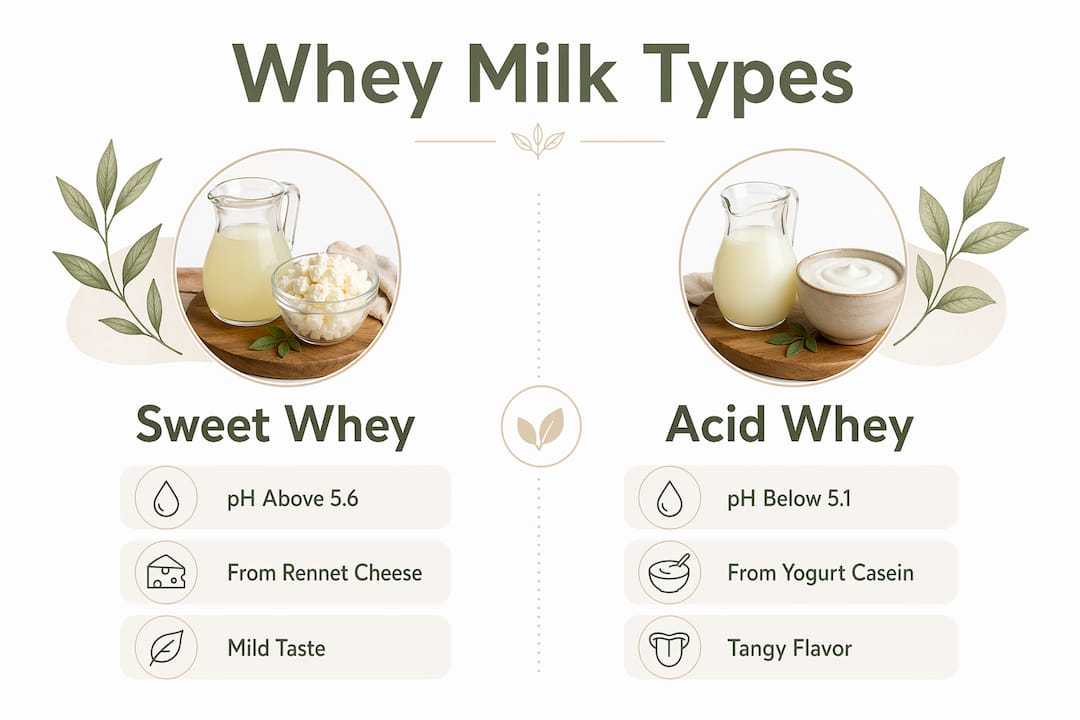
Whey comes in two natural forms based on how it is produced. Sweet whey has a pH above 5.6 and comes from rennet-coagulated cheese like cheddar or mozzarella. Acid whey has a pH below 5.1 and comes from acid-set products like cottage cheese or Greek yogurt. Sweet whey is the more common source for commercial whey protein supplements because it has a milder flavor and a higher protein yield.
When manufacturers process liquid whey into powder, they produce three main types of whey protein supplements.
| Type | Protein content | Lactose level | Fat level |
|---|---|---|---|
| Concentrate (WPC) | 70–80% | Moderate | Moderate |
| Isolate (WPI) | ≥90% | Very low | Very low |
| Hydrolysate (WPH) | ≥90% | Very low | Very low |
Whey protein concentrate contains 70–80% protein and is the most affordable option. Whey protein isolate reaches at least 90% protein by weight through additional filtration steps. Whey protein hydrolysate is pre-digested through enzymatic hydrolysis, which speeds up absorption after exercise.
Pro Tip: If lactose intolerance affects your supplement choices, whey protein isolate is the better pick. It contains less than 1 gram of lactose per serving, which most lactose-sensitive people tolerate without issue.
How is whey milk produced and processed?
Whey milk production begins with milk curdling. When an enzyme like rennet is added to milk, it triggers coagulation, causing the milk proteins to clump into solid curds. The liquid that drains away from those curds is whey. This separation step is the foundation of every cheese and many yogurt products made worldwide.
Once separated, liquid whey faces an immediate challenge. Whey is highly perishable right after separation, and its high moisture content makes it vulnerable to rapid bacterial growth. Processors must act quickly to preserve its nutritional quality and prevent spoilage.
The standard processing steps for converting liquid whey into a shelf-stable powder include:
- Filtration: Removes fat and residual casein particles from the liquid
- Pasteurization: Applies heat to eliminate harmful bacteria
- Ultrafiltration or microfiltration: Concentrates the protein fraction
- Spray drying: Converts the liquid concentrate into a fine, stable powder
One notable variation is native whey isolate, which is produced from skim milk microfiltration rather than cheese production. This process skips the rennet step entirely, resulting in less protein degradation and a cleaner protein profile.
Pro Tip: If you buy liquid whey directly from a farm or dairy, refrigerate it immediately and use it within 48 hours. Prompt processing preserves both its nutritional quality and safety.
What are the nutritional benefits of whey milk?
Whey protein is a complete protein source, meaning it contains all nine essential amino acids. That completeness makes it one of the most effective dietary proteins available, whether your goal is muscle building, weight management, or general health.
The standout amino acid in whey is leucine. Leucine triggers muscle protein synthesis, the biological process that repairs and builds muscle tissue after exercise. No other common protein source delivers leucine as efficiently as whey, which is why sports nutrition researchers consistently rank it at the top for post-workout recovery.
“Whey protein is prized mainly for its leucine content that triggers muscle synthesis, surpassing many other protein sources in this role. Its biologically active components, including lactoferrin and immunoglobulins, extend its benefits well beyond the gym.”
Beyond muscle recovery, whey delivers meaningful health benefits across several systems. Key benefits include:
- Immune support: Lactoferrin and immunoglobulins in whey strengthen the body’s immune defenses
- Cardiovascular health: Whey proteins and peptides may help lower triglycerides and improve cardiovascular markers
- Potential anticancer properties: Research points to whey peptides as compounds that may inhibit certain cancer cell activities
- Bone health: The calcium and phosphorus content in whey supports bone density
For people who are lactose intolerant, whey protein isolate offers nearly all of these benefits without the digestive discomfort. The isolate form removes most of the lactose during processing, making it accessible to a much wider group of people. You can read more about the specific advantages of this form in this guide to whey protein isolate benefits.
Who should use whey milk or whey protein, and how to choose the right type?
The right whey product depends on three factors: your lactose tolerance, your protein goals, and your budget. No single whey type fits every person’s needs, and selecting whey types based on individual goals is the most practical approach.
Here is a straightforward guide to matching whey type to your situation:
-
You are new to protein supplements and have no lactose issues. Whey protein concentrate is the right starting point. It delivers solid protein content at a lower cost per serving, and the moderate lactose level is not a problem for most people.
-
You are lactose intolerant or want the highest protein per calorie. Whey protein isolate is the clear choice. Its protein content reaches at least 90%, and its lactose level drops below 1 gram per serving.
-
You train intensely and want the fastest possible absorption. Whey protein hydrolysate absorbs faster than concentrate or isolate because the proteins are already partially broken down. This makes it useful immediately after hard training sessions.
-
You are managing your budget carefully. Concentrate delivers the best value. Isolate costs more because of the extra filtration steps. Hydrolysate is typically the most expensive of the three.
Common mistakes people make when choosing whey include assuming all whey products are identical and ignoring the lactose content on the label. A concentrate product marketed as “high protein” can still contain enough lactose to cause discomfort in sensitive individuals. Always check the nutrition facts panel, not just the front-of-package claims.
Pro Tip: Time your whey intake within 30–60 minutes after a workout to take full advantage of the muscle protein synthesis window. For a detailed breakdown of timing strategies, check out this post-workout recovery guide.
For athletes specifically, the science behind whey protein for performance goes deeper than simple muscle repair, covering endurance, strength adaptation, and recovery speed.
Key Takeaways
Whey milk is the nutrient-rich liquid byproduct of milk coagulation, and its processed forms, including concentrate, isolate, and hydrolysate, deliver complete protein with distinct advantages depending on your lactose tolerance, fitness goals, and budget.
| Point | Details |
|---|---|
| Whey milk definition | It is the liquid byproduct of cheese or yogurt production, retaining 50% of milk’s original nutrients. |
| Three supplement types | Concentrate (70–80% protein), isolate (≥90%), and hydrolysate (≥90%, fastest absorption) serve different needs. |
| Leucine and muscle growth | Whey’s high leucine content directly triggers muscle protein synthesis, making it the top post-workout protein. |
| Lactose intolerance solution | Whey protein isolate contains less than 1 gram of lactose per serving and suits most lactose-sensitive people. |
| Processing speed matters | Liquid whey is highly perishable and must be filtered, pasteurized, and dried quickly to preserve quality. |
Whey went from waste to one of nutrition’s most studied ingredients
I have followed the whey protein space for years, and the most underappreciated fact about it is how recently the industry stopped treating whey as a problem. For most of dairy history, whey was a disposal challenge. Cheese plants produced enormous volumes of it and had no efficient way to use it. Global whey production now reaches 180–190 million tons annually, yet less than 50% is used beneficially. That gap represents both a sustainability failure and an enormous opportunity.
What changed the conversation was science. Researchers identified lactoferrin, immunoglobulins, and α-lactalbumin as functional compounds with real health applications. That discovery reframed whey from a byproduct into a resource. The supplement industry moved fast, and now whey protein is one of the most studied food ingredients in sports nutrition.
My honest observation is that most people still buy whey based on price or brand recognition rather than protein type. That is a mistake. The difference between a concentrate and an isolate is not just marketing. It is a measurable difference in lactose content, protein density, and how your body processes it. If you are serious about your nutrition, that distinction matters.
The #nutribliss community asks me often whether whole food protein sources can replace whey. My answer is that they can contribute, but few foods match whey’s leucine density and absorption speed in a single serving. Whey is not magic. It is just a very efficient delivery system for the amino acids your muscles need most.
— GAURAV
Nutribliss and science-backed protein nutrition
Choosing the right protein supplement should not require a biochemistry degree.

Nutribliss offers a range of science-backed supplements designed to support protein nutrition, muscle recovery, and overall wellness. Whether you are building a post-workout routine or filling nutritional gaps in your diet, the science behind superfoods collection gives you products grounded in research, not marketing claims. Each product is selected to meet real dietary needs, from protein support to recovery and beyond. If you want to understand exactly what goes into your supplements and why, that resource is the right place to start.
FAQ
What is whey milk exactly?
Whey milk is the liquid byproduct that separates from milk solids during cheese, yogurt, or casein production. It contains proteins, lactose, vitamins, and minerals, and represents 65–80% of total milk volume.
Is whey milk a dairy product?
Yes, whey milk is a dairy product. It comes directly from cow’s milk and contains milk-derived proteins and lactose, though whey protein isolate has most of the lactose removed during processing.
What is whey protein made of?
Whey protein is made by filtering, concentrating, and drying liquid whey to remove water, fat, and lactose. The result is a powder that is 70–90%+ protein by weight, depending on the processing method used.
What are the main whey milk benefits for fitness?
Whey delivers a complete amino acid profile with high leucine content, which directly triggers muscle protein synthesis. It also supports immune health through lactoferrin and immunoglobulins, and may improve cardiovascular markers.
Can lactose-intolerant people use whey protein?
Most lactose-intolerant people can use whey protein isolate without issue. It contains less than 1 gram of lactose per serving, which falls below the threshold that typically causes digestive symptoms.