

TL;DR:
- Fasted cardio involves aerobic exercise after 10 to 14 hours of fasting, primarily overnight.
- It increases fat oxidation during exercise but does not necessarily lead to greater long-term fat loss.
- Personal factors and overall calorie balance are more crucial for weight loss than training timing.
Working out on an empty stomach sounds like a simple formula for burning more fat, but the reality is considerably more layered than most fitness content lets on. Fasted cardio means performing aerobic exercise after a period without eating, typically first thing in the morning following an overnight fast. The appeal is obvious: no food, lower insulin, more fat burning. But does the science actually back up that promise? This guide cuts through the noise and gives you a clear-eyed look at what fasted cardio does, what it doesn’t do, and how to use it intelligently if it fits your routine.
Table of Contents
- What is fasted cardio?
- How does fasted cardio impact fat burning and metabolism?
- Is fasted cardio better for weight loss?
- Safety, performance, and who should use fasted cardio
- The real-world bottom line on fasted cardio
- Connect fasted cardio to smarter nutrition and supplements
- Frequently asked questions
Key Takeaways
| Point | Details |
|---|---|
| Fasted cardio defined | Fasted cardio is aerobic exercise after 10–14 hours without food, commonly performed in the morning. |
| Boosts fat use (temporarily) | Your body burns a higher percentage of fat during fasted cardio, but this doesn’t guarantee more total fat loss. |
| No major weight loss edge | Long-term studies show fasted and fed cardio are equally effective when calories and training are matched. |
| Best for easy sessions | Fasted cardio is safest and most sustainable at low to moderate intensity, for shorter durations. |
| Personalization is key | Listening to your body and overall lifestyle matters more than following one-size-fits-all training trends. |
What is fasted cardio?
Now that you know why the concept sparks debate, let’s define what fasted cardio actually means and how it’s typically practiced.
Fasted cardio is aerobic exercise performed after going without food for roughly 10 to 14 hours. For most people, that window aligns naturally with an overnight fast, which is why the most common setup is heading out for a morning run or hopping on a stationary bike before breakfast. The physiological logic is straightforward: without a recent meal, your body’s insulin levels are low and your glycogen stores (the carbohydrate-based energy sitting in your muscles and liver) are partially depleted.
In this state, the body leans more heavily on stored fat as a fuel source. That’s the core attraction for fitness enthusiasts targeting fat loss. It sounds almost too convenient because your normal sleep schedule does the fasting work for you.
Here’s what’s typically considered part of a fasted state:
- No food or caloric beverages for at least 10 to 14 hours before the session
- Water is allowed and strongly encouraged for hydration
- Black coffee (no milk, sugar, or cream) is generally considered acceptable because it contains no meaningful calories
- Plain tea without additives also tends to be acceptable for similar reasons
- Anything with calories, including protein shakes, juice, or milk, breaks the fast and changes the metabolic context
“The term ‘fasted’ refers to a specific metabolic state, not simply skipping a meal right before exercise. True fasted cardio requires several hours of abstaining from caloric intake to lower insulin and glycogen to the levels that shift fat utilization.”
Pro Tip: If you’re new to fasted cardio, start with a shorter session (20 to 30 minutes of light walking or cycling) to see how your energy and focus respond before pushing intensity or duration.
Most practitioners schedule fasted cardio sessions in the early morning, before the demands of the day introduce the temptation to eat first. However, some people practice it later in the day if they’ve fasted for an extended period, though the morning window is by far the most practical and popular.
How does fasted cardio impact fat burning and metabolism?
With a clear definition established, it’s important to understand what your body is actually doing during fasted cardio.
The science here is genuinely interesting. During a fasted session, fasted training shifts fuel selection toward greater fat oxidation because insulin and carbohydrate availability are both low. With less glucose circulating and less glycogen to tap first, your body accelerates the breakdown of triglycerides (stored fat) into free fatty acids for energy. At low to moderate exercise intensities, this mechanism is pronounced and measurable.
Short-term studies consistently confirm that the percentage of fat burned during the workout itself is higher in fasted subjects compared to those who ate beforehand. That’s a real physiological effect, not a myth. But here’s the nuance: the total picture over 24 hours or across weeks of training is a different story altogether, and that’s where many people misinterpret the data.
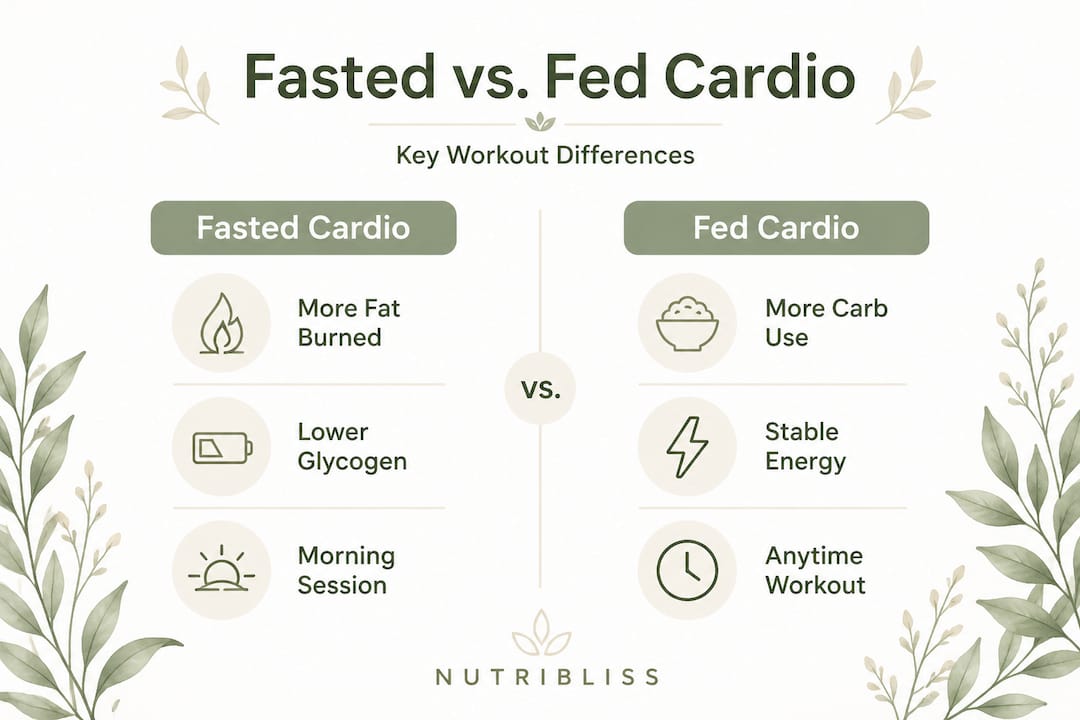
| Metric | Fasted cardio | Fed cardio |
|---|---|---|
| Fat oxidation during session | Higher | Lower |
| Carbohydrate usage during session | Lower | Higher |
| Perceived effort at high intensity | Often higher | Typically lower |
| Post-exercise fat oxidation | May be slightly lower | May be slightly higher |
| Long-term fat loss (calories matched) | Similar | Similar |
The key insight from this table is that the body is adaptive. When you burn more fat during a fasted session, you may compensate by burning slightly more carbohydrates later in the day. Over 24 hours, the difference often levels out. This doesn’t mean fasted cardio is useless; it means understanding your actual goals matters more than chasing a single metabolic metric.
Statistic worth noting: Research published in exercise physiology literature repeatedly shows that fat oxidation rates during fasted morning cardio can be 20 to 30% higher than equivalent fed sessions at moderate intensity. That sounds significant. But “burning more fat during the workout” doesn’t automatically translate to losing more body fat overall, a distinction every serious athlete or fitness enthusiast should internalize.
Supporting good metabolic health is a long game, and fasted cardio is just one potential tool within that system. The real metabolic benefits come from consistency, total energy balance, sleep quality, and how well your nutrition strategy supports your training demands.
Pro Tip: Fasted cardio works best for steady-state aerobic work like jogging, cycling, or rowing at 60 to 70% of your max heart rate. High-intensity intervals in a fasted state often feel noticeably harder and deliver diminishing returns because fast-twitch muscle fibers rely more heavily on glycogen.
Is fasted cardio better for weight loss?
While these physiological effects sound promising, the next key question is: does fasted cardio actually result in better long-term weight management?
Here is where popular fitness culture and peer-reviewed research part ways. Evidence does not consistently show fasted cardio is superior to fed cardio for weight loss when total calories and training volume are matched. In other words, when researchers control for the variables that actually determine fat loss outcomes (what you eat, how much, and how much you move overall), the fasted versus fed distinction largely disappears.
This finding surprises people who feel like they’re doing something extra powerful by training hungry. But the body’s compensatory systems are powerful. You might unconsciously eat slightly more after a fasted session, or your non-exercise activity might drop to compensate for the energy deficit. Metabolism is a regulatory system, not a simple calculator.
| Factor | Impact on fat loss |
|---|---|
| Total daily calorie deficit | Very high |
| Exercise consistency over months | Very high |
| Fasted vs. fed training timing | Low to moderate |
| Sleep and recovery quality | High |
| Protein intake | High |
| Whether you choose fasted cardio | Context-dependent |
For those focused primarily on fat loss, here’s a practical ranked approach to prioritizing effort:
- Establish a consistent calorie deficit through diet, because nutrition drives the majority of weight loss outcomes.
- Prioritize training consistency over training timing. Three to five sessions per week, whether fasted or fed, beats sporadic fasted sessions every time.
- Maintain adequate protein intake to preserve muscle mass during a caloric deficit, regardless of when you exercise.
- Choose fasted cardio if it fits your schedule naturally and you tolerate it well, but don’t expect it to overcome poor nutrition or inconsistent training.
- Explore carb loading and performance strategies if you’re also doing longer endurance events, since your fueling approach around those sessions matters more than your daily cardio timing.
The honest truth is this: fasted cardio can be a useful component of a fat-loss strategy, particularly for people who find it convenient and tolerable. But treating it as a necessary condition for fat loss, or as a shortcut around calorie balance, sets you up for frustration.
Safety, performance, and who should use fasted cardio
Given these findings, it’s essential to understand when fasted cardio is helpful or possibly harmful so you can safely tailor your approach.

Fasted cardio can be harder to sustain at higher intensities and raises genuine concerns for certain populations, particularly those at risk for low blood sugar or with metabolic conditions. Understanding the safety profile is just as important as understanding the fat-burning mechanism.
Who is generally well-suited for fasted cardio:
- Healthy adults with no metabolic disorders who are accustomed to low to moderate intensity cardio
- Morning exercisers who genuinely struggle to eat before a workout and feel fine training on empty
- Endurance athletes using it strategically on easy recovery days to enhance fat adaptation over time
- Intermediate to advanced trainees who have already built metabolic flexibility through months of consistent training
Who should approach fasted cardio with significant caution or avoid it altogether:
- People with Type 1 or Type 2 diabetes, where blood glucose regulation is already compromised
- Those prone to hypoglycemia (low blood sugar), since fasted exercise can drop glucose further
- Pregnant individuals, for whom stable energy supply is critical
- Beginners who haven’t yet developed a baseline level of aerobic fitness
- Anyone recovering from an eating disorder, where restrictive eating behaviors and exercise overlap dangerously
“The signs that fasted cardio isn’t working for your body include persistent dizziness, lightheadedness, extreme fatigue during the session, difficulty maintaining intensity you normally handle, or feeling nauseated. These signals are not a badge of effort. They’re your body telling you something is off.”
Hydration during fasted cardio often gets overlooked. You’ve been asleep for 7 to 9 hours without drinking water, so you’re already in a mildly dehydrated state when you wake up. Add a cardio session on top of that and dehydration becomes a real performance and safety issue. Drink at least 400 to 600 ml of water before your session and have more available throughout.
Electrolytes deserve attention here too. Sweat contains sodium, potassium, and magnesium, all of which support muscle function and cardiovascular performance. Knowing how to manage electrolytes during exercise becomes especially relevant in fasted sessions where you haven’t eaten to replenish baseline mineral levels before moving.
Before you commit to fasted cardio as a regular practice, it helps to clarify your actual fitness objectives. Setting fitness goals with a clear framework will tell you whether fasted morning cardio aligns with what you actually want to achieve, or whether it’s a strategy you’re adopting because it sounds effective rather than because it fits your life.
Pro Tip: If you want to test fasted cardio without the risk, start with a 20-minute brisk walk before breakfast on two or three mornings per week. This gives your body time to adapt to using fat as fuel without stressing your system or tanking your performance at work or in the gym later.
The real-world bottom line on fasted cardio
Having explored the science and practical concerns, here’s an honest perspective that rarely surfaces in most guides on this topic.
The fitness industry profits from the idea that optimal is achievable and that you just need the right biohack to unlock it. Fasted cardio gets swept up in this narrative constantly. People spend weeks stressing about whether to eat before a 30-minute run when that same mental energy could go toward planning a week of consistent, high-quality training and cooking nutritious meals.
We’ve seen time and again that the individuals who get the best long-term results aren’t the ones who optimized every session timing variable. They’re the ones who showed up consistently, ate enough protein, slept well, and treated their training as a sustainable lifestyle rather than a short-term experiment.
If you genuinely enjoy fasted cardio, feel strong during it, and it fits seamlessly into your morning, then use it. It’s a legitimate tool and there’s real science supporting its role in fat adaptation over time. But if you dread waking up early to train hungry, feel miserable during those sessions, and then overeat afterward because you’re ravenous, the strategy is actively working against you.
Personalization matters far more than protocol loyalty. Your body is not a standardized research participant. Your stress levels, sleep quality, diet composition, training history, and hormonal profile all influence how well fasted cardio works for you. Paying attention to how you actually feel and perform over two to four weeks of honest self-assessment will tell you more than any study average.
The bigger picture is always whole-body metabolic health, and fasted cardio is just one small variable in a complex and highly individual system. Keep your focus on the fundamentals, and use fasted training as a complementary strategy, not a cornerstone.
Connect fasted cardio to smarter nutrition and supplements
If you’re now inspired to optimize your results, it’s worthwhile to look at evidence-based nutrition and quality supplementation as your next step.
Fasted cardio is only as effective as the nutrition and recovery strategy surrounding it. What you eat (and when) before and after your sessions shapes your energy, your body composition, and your long-term progress in ways that training timing simply cannot override.

At Nutribliss, we back every recommendation with science, and that philosophy extends to the supplement range we offer for people serious about their health and performance. From electrolytes that keep your fasted sessions safe and hydrated, to protein powders that protect muscle after glycogen-depleted workouts, to specialty formulas for metabolic support and recovery, there’s a product designed for where you are in your fitness journey. You can also explore the science behind our superfoods to understand how whole-food-based nutrients complement an active lifestyle. Real results come from the full picture, not a single training tactic.
Frequently asked questions
Can I drink coffee before fasted cardio?
Yes, black coffee without calories is typically allowed and does not break a fast, making it a popular pre-workout option for fasted cardio practitioners. Avoid adding milk, cream, or sugar, which would introduce calories and disrupt the fasted state.
Is fasted cardio dangerous for everyone?
Fasted cardio is generally safe for healthy adults at light to moderate intensity, but certain populations face real risks including hypoglycemia, especially those with diabetes or blood sugar regulation issues. Always consult a healthcare provider if you have a medical condition before starting fasted training.
How long should a fasted cardio session last?
For most people, 20 to 60 minutes of low-to-moderate cardio is the recommended range for balancing safety, performance, and fat-burning benefit without excessive muscle breakdown. Longer or more intense sessions increase the risk of energy crashes and protein catabolism.
Does fasted cardio work better for women or men?
Research shows fat oxidation during fasted exercise occurs in both sexes, but individual hormonal profiles, training history, and personal tolerance vary significantly, so your own response is the best guide. Neither gender has a clear, universal advantage.
Does doing fasted cardio burn muscle?
When sessions are long or intense and glycogen is depleted, protein breakdown can increase as the body turns to amino acids for fuel, which is why keeping fasted sessions moderate in intensity and duration is strongly recommended. Consuming adequate protein throughout the day helps protect muscle mass regardless of training timing.