

Every fitness enthusiast knows how tricky it can be to separate fact from fiction when it comes to improving metabolic health. For Americans aiming to optimize energy levels and gym results, understanding the difference between myths and genuine science matters more than ever. This article helps you cut through common misconceptions and highlights the most effective strategies, guiding you toward smarter nutrition and targeted supplements for lasting metabolic progress.
Table of Contents
- Defining Metabolic Health And Common Myths
- Key Markers Of Metabolic Well-Being
- How Metabolic Health Impacts Fitness
- Nutrition, Supplements, And Improvement Strategies
- Risks Of Poor Metabolic Health And Prevention
Key Takeaways
| Point | Details |
|---|---|
| Metabolic health is multifaceted | It involves various biomarkers like blood glucose, lipids, and more, not just weight. |
| Lifestyle plays a crucial role | Regular physical activity and balanced nutrition are essential for improving metabolic function. |
| Awareness of risks is vital | Conditions like insulin resistance and chronic inflammation can stem from poor metabolic health, making prevention strategies important. |
| Annual screenings are recommended | Tracking metabolic markers helps identify health risks early and allows for proactive lifestyle modifications. |
Defining Metabolic Health and Common Myths
Metabolic health represents a comprehensive understanding of how our body processes energy, transforms nutrients, and maintains physiological balance. While many people mistakenly equate metabolic health solely with weight, it actually encompasses a complex network of biological markers including blood glucose levels, lipid profiles, blood pressure, and body composition. Metabolic dysfunction impacts far more than just body weight.
Contrary to popular belief, metabolism is not simply about how quickly someone burns calories. It represents a sophisticated biochemical process where the body converts food into energy, supporting critical functions like cellular repair, hormone production, and maintaining organ systems. Genetic factors do influence metabolic rate, but lifestyle choices play an equally significant role. Harvard Health Publishing emphasizes that diet quality and physical activity are primary determinants of metabolic performance.
Some persistent myths surrounding metabolic health need debunking. Many individuals believe only overweight people experience metabolic issues, but research demonstrates that normal-weight individuals can also have significant metabolic dysfunction. Another common misconception is that metabolism is entirely predetermined by genetics. While genetic factors matter, targeted nutrition, consistent exercise, and strategic lifestyle modifications can substantially improve metabolic function.
Here’s a comparison of metabolic health myths vs. facts:
| Common Myth | Actual Fact |
|---|---|
| Metabolic health is about weight only | Involves blood glucose, lipids, and more |
| Only overweight people have metabolic issues | Normal-weight individuals also at risk |
| Metabolism is fixed by genetics | Lifestyle changes can improve metabolism |
| Faster metabolism means better health | Quality of metabolic processes matter most |
Pro tip: Track your metabolic health markers annually through comprehensive blood tests to understand your body’s unique metabolic profile and identify potential areas for improvement.
Key Markers of Metabolic Well-Being
Metabolic health is best understood through a set of critical biomarkers that provide insights into the body’s overall energy processing and systemic functionality. Metabolic syndrome components include several key measurements that healthcare professionals use to assess an individual’s metabolic wellness, with each marker offering a unique window into physiological performance.
The primary markers of metabolic health encompass five critical measurements: waist circumference, blood pressure, triglyceride levels, HDL cholesterol, and fasting blood glucose. A healthy metabolic profile requires optimal ranges for each of these indicators. Waist circumference, for instance, reflects visceral fat distribution, which is more significant than overall body weight. High blood pressure and elevated triglycerides signal potential cardiovascular risks, while low HDL cholesterol and high fasting blood glucose can indicate developing insulin resistance.

Harvard Health Publishing emphasizes that metabolic syndrome is increasingly prevalent, making regular health screenings crucial. Individuals with three or more of these markers are considered to have metabolic syndrome, which significantly increases risks for diabetes, heart disease, and stroke. Understanding these markers empowers individuals to make proactive lifestyle modifications, focusing on nutrition, exercise, stress management, and sleep quality to optimize metabolic function.
Pro tip: Request a comprehensive metabolic panel during your annual physical exam, and track your biomarkers over time to catch potential health trends early.
How Metabolic Health Impacts Fitness
Metabolic health fundamentally determines an individual’s ability to perform, recover, and progress in fitness. Molecular mechanisms of metabolism directly influence energy utilization, muscle function, and overall physical performance. When metabolic systems operate efficiently, athletes experience enhanced endurance, faster recovery, and more effective nutrient processing.
The intricate relationship between metabolic function and fitness manifests through multiple physiological pathways. Efficient metabolism enables better energy conversion, which translates to improved muscle strength, reduced inflammation, and optimized hormone regulation. Poor metabolic health can lead to decreased muscle protein synthesis, increased fat storage, and compromised exercise recovery. Athletes with robust metabolic systems can generate more consistent energy, maintain higher intensity during workouts, and experience less fatigue.
Rush University research demonstrates that exercise itself is a powerful tool for improving metabolic health. Regular physical activity increases muscle mass, enhances insulin sensitivity, and boosts metabolic rate. This creates a positive feedback loop where improved fitness further supports metabolic function, enabling individuals to progressively enhance their physical capabilities. The interconnection between metabolism and fitness highlights the importance of a holistic approach to health that integrates nutrition, exercise, and lifestyle management.
Pro tip: Incorporate high-intensity interval training and resistance exercises to naturally boost metabolic function and improve overall fitness performance.
Nutrition, Supplements, and Improvement Strategies
Metabolic nutrition requires a strategic approach that goes beyond simple calorie counting. Balanced nutritional strategies emphasize whole foods that support metabolic efficiency, focusing on nutrient-dense options that optimize energy conversion and cellular function. The foundation of metabolic health involves consuming lean proteins, complex carbohydrates, healthy fats, and micronutrients that support efficient energy production and metabolic regulation.
Supplement selection should be targeted and evidence-based, addressing specific metabolic performance gaps. Key supplements that can support metabolic health include omega-3 fatty acids, which help reduce inflammation, vitamin D for hormonal balance, and magnesium for energy metabolism. Protein supplements with high biological value can support muscle protein synthesis and metabolic rate, particularly when combined with resistance training. However, supplements are not magic solutions but complementary tools that work best when integrated into a comprehensive nutrition and fitness plan.
Harvard Health research highlights that sustainable metabolic improvement comes from consistent lifestyle habits. High-intensity interval training, resistance exercises, and strategic nutrition play crucial roles in enhancing metabolic function. The most effective approach involves creating a holistic strategy that combines targeted nutrition, consistent exercise, stress management, and adequate sleep. This multifaceted approach ensures that metabolic systems operate at peak efficiency, supporting overall fitness and long-term health objectives.
Pro tip: Develop a personalized nutrition and supplement strategy by tracking your metabolic markers and consulting with a registered dietitian who specializes in sports nutrition.
Risks of Poor Metabolic Health and Prevention
Metabolic dysfunction represents a silent but profound threat to overall health, with consequences extending far beyond weight management. Metabolic syndrome risks encompass a complex network of potential chronic conditions that can dramatically impact quality of life. These risks include cardiovascular disease, type 2 diabetes, liver and kidney disorders, and increased susceptibility to systemic inflammation, creating a cascading effect of potential health complications.
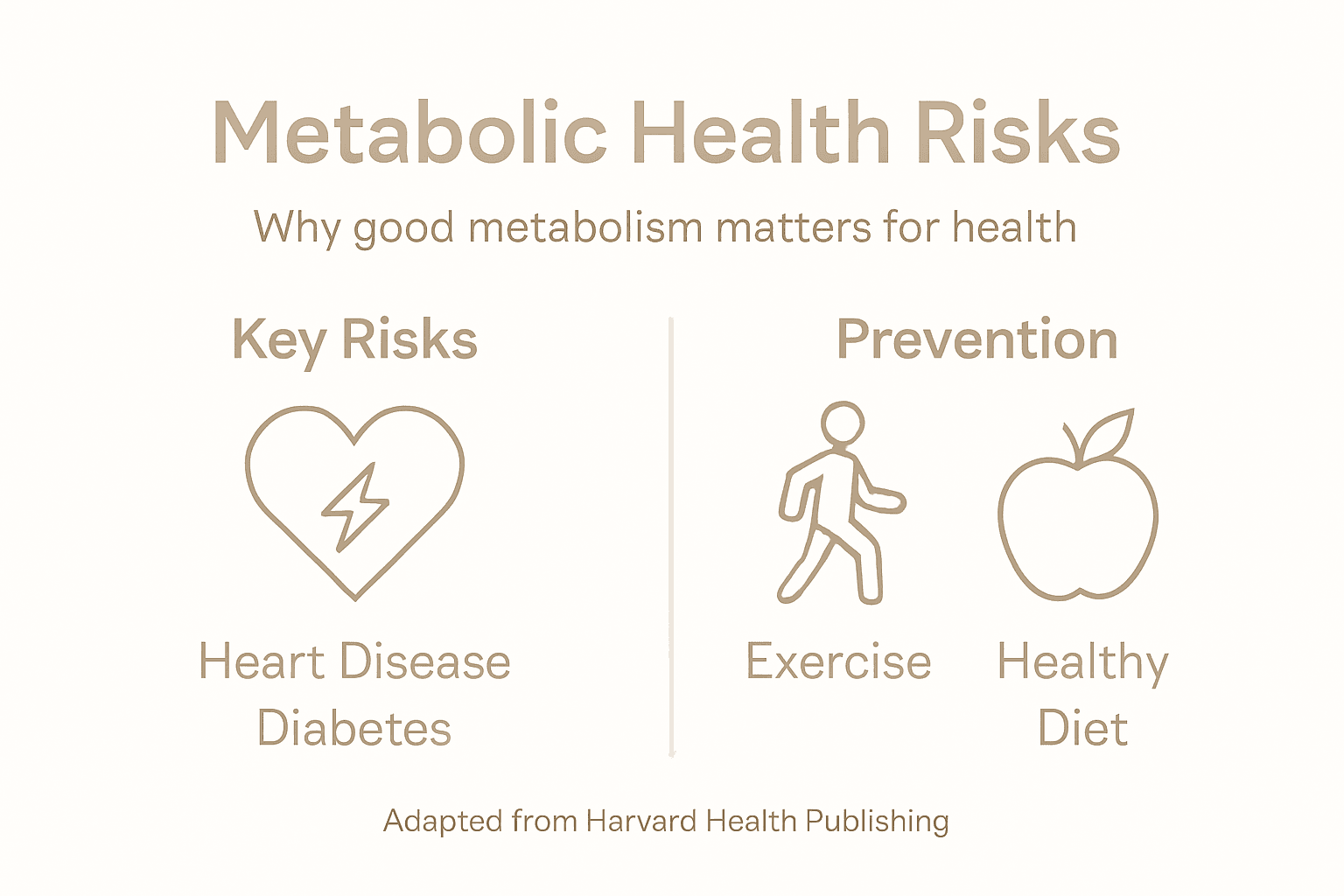
Insulin resistance emerges as a critical mechanism driving metabolic health deterioration. When cells become less responsive to insulin, blood sugar regulation becomes compromised, triggering a domino effect of physiological disruptions. This condition not only increases diabetes risk but also contributes to hormonal imbalances, weight gain, and reduced metabolic efficiency. Chronic inflammation, another hallmark of poor metabolic health, can accelerate cellular aging and compromise immune system functionality.
Terrain Health research highlights prevention strategies that focus on comprehensive lifestyle modifications. These include maintaining a balanced diet rich in whole foods, engaging in regular physical activity, managing stress levels, and prioritizing quality sleep. Regular health screenings and tracking key metabolic markers like blood glucose, lipid profiles, and blood pressure are essential for early detection and intervention. Understanding these risks empowers individuals to make proactive health choices that can prevent or mitigate potential metabolic complications.
This table summarizes strategies to improve and protect metabolic health:
| Strategy | Core Benefit | Example Action |
|---|---|---|
| Balanced nutrition | Supports energy regulation | Eat more whole, nutrient-dense foods |
| Regular exercise | Enhances insulin sensitivity | Include resistance training weekly |
| Stress management | Reduces inflammation risk | Practice daily mindfulness |
| Quality sleep | Aids hormone regulation | Maintain consistent sleep schedule |
| Routine screening | Enables early detection | Schedule annual blood tests |
Pro tip: Schedule a comprehensive metabolic health screening annually and develop a personalized prevention plan with healthcare professionals to catch and address potential issues early.
Boost Your Metabolic Health for Better Fitness and Wellness
Struggling to improve your metabolic health and unlock your full fitness potential can feel overwhelming. This article highlights key metabolic markers and strategies that could transform your energy, recovery, and long-term health. If you want to conquer challenges like insulin resistance, poor nutrient conversion, and fatigue, it starts with smart nutrition and targeted supplements that support your body’s unique metabolic needs.

Explore a wide range of carefully selected products at Nutribliss.us designed to enhance your metabolic function and elevate your fitness. From protein powders that aid muscle synthesis to essential vitamins and minerals that regulate energy use, you can take control of your metabolic health today. Don’t wait for health risks to develop; start tracking your metabolic progress with quality supplements and create a balanced, science-backed wellness plan now. Visit Nutribliss.us and make your metabolic health a priority for lasting fitness gains.
Frequently Asked Questions
What is metabolic health?
Metabolic health refers to how efficiently the body processes energy and nutrients, involving factors like blood glucose levels, lipid profiles, blood pressure, and overall body composition.
Why is metabolic health important for fitness?
Good metabolic health enhances energy utilization, muscle function, and recovery, which directly impacts athletic performance and overall physical fitness.
How can I improve my metabolic health?
Improving metabolic health involves a balanced diet rich in whole foods, regular exercise, stress management, and ensuring quality sleep, in addition to tracking key metabolic markers.
What are the key markers of metabolic health?
The primary markers of metabolic health include waist circumference, blood pressure, triglyceride levels, HDL cholesterol, and fasting blood glucose levels.