

Preventing kidney stones comes down to a short list of habits: drink enough to produce at least 2.5 litres of urine daily, keep eating dietary calcium (1,000–1,200 mg a day, taken with meals), cut sodium to a recommended limit of about 2,300 mg a day, moderate non-dairy animal protein, and load up on fruits and vegetables that follow a DASH-style pattern. High-oxalate foods need moderation, not elimination. If stones keep recurring, a 24-hour urine test and a session with a dietitian will do more than any single food swap. #nutribliss supports these habits with hydration and electrolyte products, not as a replacement for them.
TL;DR:
- Drinking about 3 liters of fluids daily to produce 2.5 liters of urine remains the most effective way to prevent kidney stones.
- Consuming 1,000–1,200 mg of calcium at meals helps bind oxalate in the gut and reduces stone risk, while high sodium intake increases calcium excretion.
- Limiting red meat, poultry, and fish to moderate portions lowers uric acid and citrate reduction, key factors in stone formation.
- Incorporating fruits and vegetables high in citrate and alkali supports preventive nutrition, following DASH or Mediterranean-style eating patterns.
- Regular 24-hour urine tests guide personalized diet adjustments and medication, with hydration and calcium timing as primary focus points.
Table of Contents
- How to Support Kidney Stone Prevention Nutrition With the Right Actions
- Hitting Your Hydration Target Without Obsessing Over It
- Why You Shouldn’t Cut Calcium or Ban Oxalate Foods
- Sodium, Protein, and Building a DASH-Style Plate
- Meals and Grocery Habits That Make This Easy
- When to Get Tested and Work With a Dietitian
- Where Nutribliss Fits Into This Picture
- The Diet Advice That Gets This Wrong
- Hydration Support Worth Knowing About
- Sources
How to Support Kidney Stone Prevention Nutrition With the Right Actions
Most people who form calcium stones are told to “watch their diet” without anyone spelling out what that means at the plate level. It means five things, each backed by measurable targets rather than vague caution.
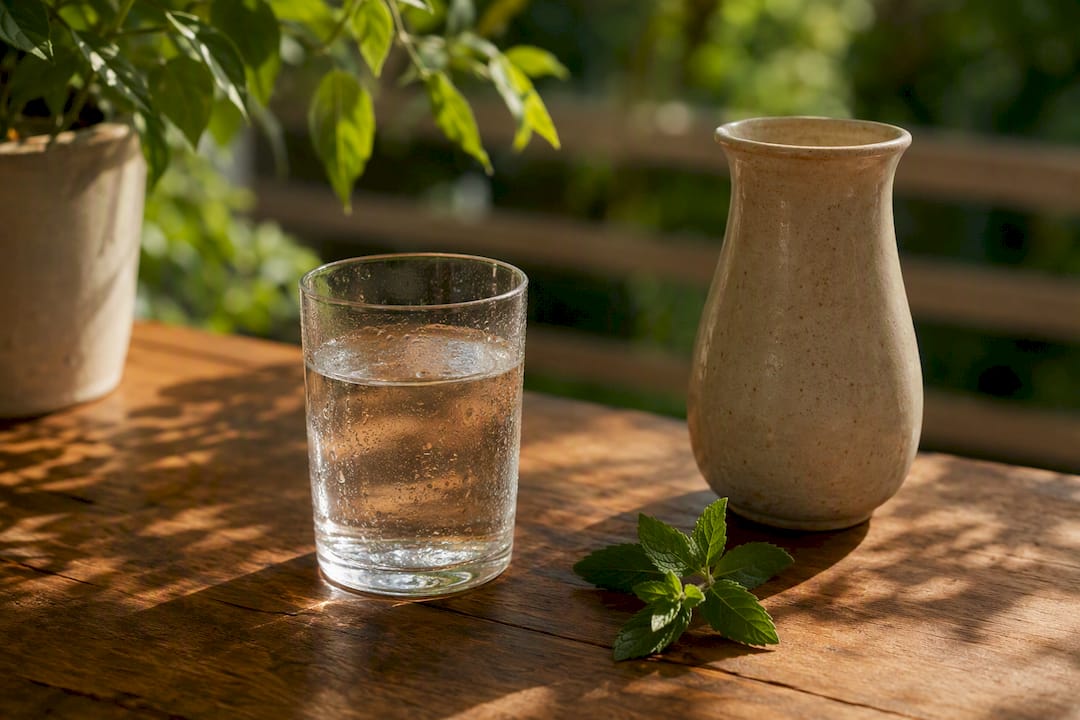
Hydration is the single biggest lever. The kidneys dilute stone-forming minerals when urine volume is high enough, and the NIDDK recommends drinking enough fluid to produce at least 2 liters of urine a day. Clinical guidelines from the American Urological Association push that target higher, to 2.5 liters of urine daily, which for most people means close to 3 litres of total fluid intake.
Calcium works differently than most people assume. Restricting it backfires. Dietary calcium eaten with meals binds oxalate in the gut before it reaches the kidneys, so a PubMed-indexed guideline recommends 1,000 to 1,200 mg per day for people with calcium stones and hypercalciuria, spread across meals rather than taken as a single dose.
Sodium drives calcium into the urine. Every extra gram of sodium pulls more calcium out through the kidneys, raising stone risk, which is why the same guideline caps intake at the recommended sodium limit.
Protein from meat, poultry, and fish raises uric acid and lowers urinary citrate, the compound that keeps calcium in solution. Moderating non-dairy animal protein, not eliminating it, is the goal.
Fruits and vegetables supply citrate and alkali that counteract stone formation, which is the mechanism behind why DASH and Mediterranean-style eating patterns show up so often in stone-prevention research.
Here’s the shortlist that ties it together:
- Hit a fluid intake that produces the recommended volume of urine daily.
- Eat 1,000–1,200 mg of calcium from food, spread across meals.
- Keep sodium near or under the recommended daily limit.
- Limit red meat, poultry, and fish to moderate portions.
- Fill half your plate with fruits and vegetables at most meals.
- Treat high-oxalate foods as “pair with calcium,” not “avoid.”
Hitting Your Hydration Target Without Obsessing Over It
Water is doing the heavy lifting here, but the volume matters more than the source. The CARI guideline sets the same benchmark as the AUA: urine output of at least 2.5 liters a day, usually reached with about 3 liters of fluid intake. People with cystine stones or heavy sweat losses from exercise or hot climates often need more than that baseline.
A few tactics make the target realistic instead of aspirational:
- Spread fluids evenly across the day instead of front-loading in the morning.
- Drink an extra glass before and after exercise or physical labor.
- Check urine color. Pale yellow means you’re close; dark yellow means drink more.
- Use a marked water bottle or a hydration-tracking app if you tend to forget.
- Add citrus, like lemon or lime in water, since citrus raises urinary citrate.
Skip sugar-sweetened sodas and juices, which research ties to higher stone risk, and save electrolyte drinks for genuinely heavy sweat loss rather than daily habit.
Pro Tip: Keep a glass of water on your nightstand. Overnight is when urine gets most concentrated, and a stone-forming shift can start while you sleep.
For people training hard or working outdoors, hydration tactics built for athletes cover fluid and electrolyte balance in more depth.
Why You Shouldn’t Cut Calcium or Ban Oxalate Foods
The biggest myth in kidney stone nutrition is that cutting dairy and calcium-rich foods prevents stones. It does the opposite. Calcium eaten with a meal binds to oxalate in the digestive tract, so fewer oxalate gets absorbed and less reaches the kidneys where it can crystallize. Dropping calcium intake removes that binding effect and often raises stone risk instead of lowering it.
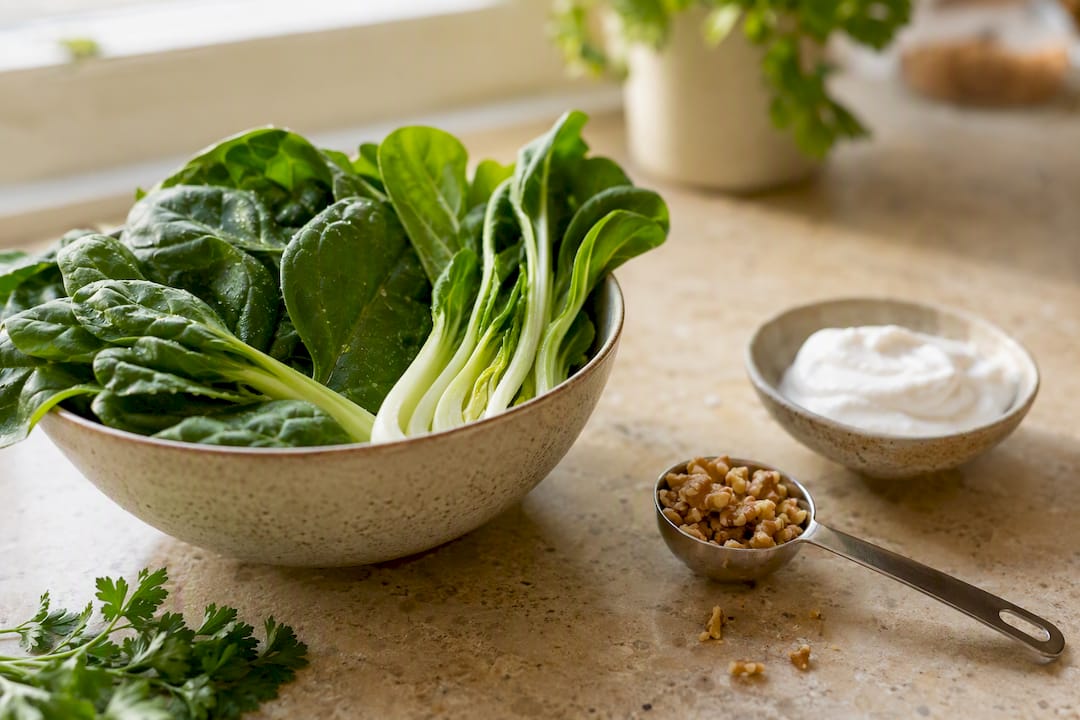
The right approach is pairing, not avoidance. Common high-oxalate foods, spinach, rhubarb, beets, nuts, and chocolate, don’t need to disappear from your diet. Add a calcium source alongside them:
- Spinach salad topped with feta or a side of yogurt.
- Beet dishes served with a milk-based sauce or cheese.
- A handful of almonds eaten with a glass of milk rather than alone.
Strict low-oxalate diets should be reserved for people with confirmed hyperoxaluria on 24-hour urine testing, not applied broadly. And while magnesium can help some stone formers, high-dose vitamin C supplements above 500 mg a day are worth avoiding, since excess vitamin C metabolizes into oxalate.
For readers managing lactose sensitivity while still needing dietary calcium, bone health guidance on calcium sources covers useful alternatives.
Sodium, Protein, and Building a DASH-Style Plate
Sodium and animal protein work against you in similar ways: both push more calcium into the urine and lower citrate, which are the two conditions stones need to form. Keeping sodium near the recommended limit and moderating animal protein intake according to healthy eating guidelines addresses both at once.
Rather than tracking every gram, adopt an eating pattern that does the work for you. DASH and Mediterranean-style diets naturally hit these targets because they emphasize produce and minimize processed foods. Simple swaps get you there fast:
- Season with fresh herbs, garlic, and citrus instead of salt.
- Swap in beans or lentils for meat at least twice a week.
- Choose fresh or frozen vegetables over canned, which run high in sodium.
Meals and Grocery Habits That Make This Easy
Knowing the targets doesn’t help if dinner still ends up salty and protein-heavy. A few reliable meal patterns:
- Greek yogurt with berries and a drizzle of honey for breakfast.
- Lentil soup with a side salad and a slice of low-sodium bread.
- Grilled salmon (moderate portion) with roasted vegetables and quinoa.
- Spinach and cheese omelet, using the calcium-pairing trick above.
- Bean and vegetable stir-fry over brown rice.
At the grocery store, check the sodium line before the calorie count, and aim for under 140 mg per serving on packaged foods when possible. Choose calcium-fortified plant milks if you’re avoiding dairy, and skip anything labeled “cured,” “brined,” or “instant,” which almost always means a sodium spike. Eating out, ask for sauces and dressings on the side and split entrees that come with heavy meat portions.
When to Get Tested and Work With a Dietitian
Generic advice only goes so far. A 24-hour urine collection measures your actual calcium, oxalate, citrate, sodium, and volume levels, showing exactly where your risk comes from instead of guessing.
- A dietitian with kidney stone experience turns those numbers into 1 to 3 specific, prioritized changes rather than a long restrictive list, an approach shown to improve long-term adherence.
- Repeat testing after a few months of dietary changes shows whether the plan is working.
- If diet alone doesn’t correct the urine chemistry, medications like potassium citrate or thiazide diuretics may be added, but nutrition therapy comes first.
For anyone building a broader plan, personalized nutrition approaches explain how individualized guidance tends to outperform one-size-fits-all diet sheets.
Where Nutribliss Fits Into This Picture
Nutribliss exists to back up exactly this kind of evidence-based approach, not replace it. GAURAV covers nutrition topics for the site with an eye toward what clinical guidelines actually say, cross-checking claims against AUA and CARI recommendations rather than trends. #nutribliss products are built as adjuncts to real medical nutrition therapy, useful for hydration support, never a substitute for a dietitian or a 24-hour urine test.
The Diet Advice That Gets This Wrong
The conventional wisdom on kidney stones has been backwards for years, and it’s still showing up in outdated pamphlets handed out after an ER visit: “avoid calcium, avoid oxalate, drink some water.” That advice increases risk instead of lowering it. Cutting calcium removes the gut-level binding that protects you from oxalate absorption, and treating every high-oxalate food as forbidden turns a solvable problem into an unsustainable diet.
What actually moves the needle is boring by comparison: hit your fluid target, eat calcium with meals instead of around them, and cut sodium before you cut anything else. Those three habits do more than any supplement or fad elimination diet. Oxalate pairing and protein moderation matter, but they’re refinements, not the foundation.
If you take one thing from this, prioritize water and calcium timing first. Get the 24-hour urine test if you’ve had more than one stone. Everything else is fine-tuning around those two decisions.
— GAURAV
Hydration Support Worth Knowing About
If you’re already working on hitting that 2.5-liter urine target, heavy sweating from exercise, hot climates, or physically demanding work can make plain water alone harder to keep up with. That’s where an electrolyte supplement can help replace sodium, potassium, and magnesium lost through sweat without derailing your sodium target from food.
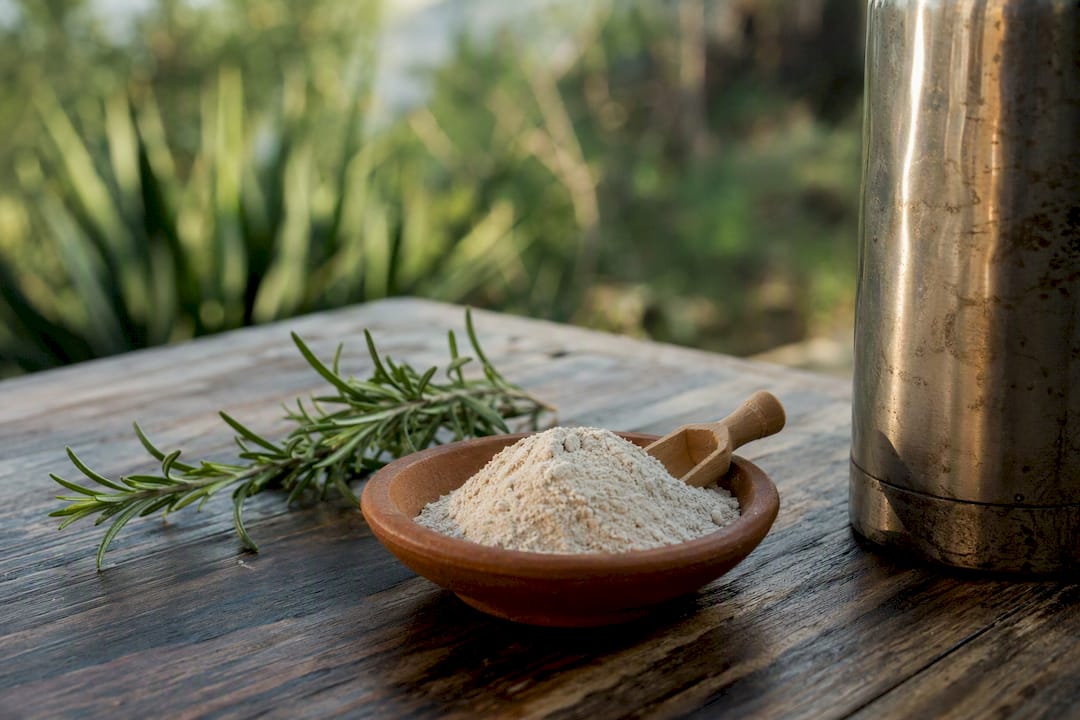
Nutribliss electrolytes are formulated for people who need consistent hydration support on top of a whole-food eating pattern, not as a stand-in for medical care. Anyone managing recurrent stones, kidney disease, or blood pressure concerns should check with a clinician before adding any supplement to a daily routine. If hydration tracking has been a struggle, practical strategies for daily hydration pair well with the electrolyte approach. Visit the Nutribliss electrolyte supplement page to see the full ingredient breakdown and decide if it fits your routine.
This article is general information, not a substitute for advice from a qualified doctor. Consult a qualified healthcare professional about your own circumstances before acting on anything here.
Sources
- PubMed indexed guideline / review on dietary calcium and sodium recommendations
- NIDDK — Eating, diet, & nutrition for kidney stones
- CARI Guidelines — Nutrition therapy for the prevention of kidney stones (draft/2025)