

TL;DR:
- Effective athlete hydration involves maintaining fluid and electrolyte balance before, during, and after exercise to prevent performance decline. Athletes should personalize their hydration strategies by measuring sweat rate and avoid overhydration to prevent hyponatremia. Consuming sodium and proteins post-exercise improves fluid retention and recovery more than water alone.
Effective hydration for athletes is defined as maintaining fluid and electrolyte balance before, during, and after exercise to prevent performance-damaging losses. Mild dehydration of just 2% body weight impairs endurance, strength, and cognitive focus. That single threshold is the foundation of every evidence-based hydration strategy in sports science. Whether you train for marathons, team sports, or gym sessions, the best hydration practices for athletes follow the same core principle: replace what you lose, and replace it with the right fluids at the right time.
1. What are the most effective pre-exercise hydration tips for athletes?
Pre-exercise hydration sets the baseline your body works from for the entire session. Starting a workout already dehydrated forces your cardiovascular system to work harder from the first minute.
The standard pre-hydration protocol calls for 400–600 mL of fluid 2–3 hours before exercise, followed by an additional 200–300 mL about 20 minutes before you start. This two-stage approach gives your kidneys time to excrete excess fluid before activity begins.
Urine color is the most practical hydration status indicator available. Pale yellow means you are well hydrated. Dark yellow or amber signals you need more fluid before you begin.
Sodium intake before exercise also matters. Sodium helps your body retain the fluid you drink rather than excreting it quickly. A small sodium-containing snack or electrolyte drink in the hours before training improves fluid retention significantly.
- Drink 400–600 mL of water or a light electrolyte drink 2–3 hours before training
- Add 200–300 mL roughly 20 minutes before your warm-up
- Check urine color: aim for pale yellow before you start
- Include a sodium source, such as a sports drink or salted snack, to hold fluid in
Pro Tip: Weigh yourself before bed and again in the morning. If you are more than 1% lighter, drink an extra 500 mL before your session starts.
2. How much fluid should athletes drink during exercise?
Fluid needs during exercise depend on session length and intensity. For moderate sessions under 60 minutes, plain water works well. The general guideline is 4–8 ounces every 15–20 minutes during moderate activity.
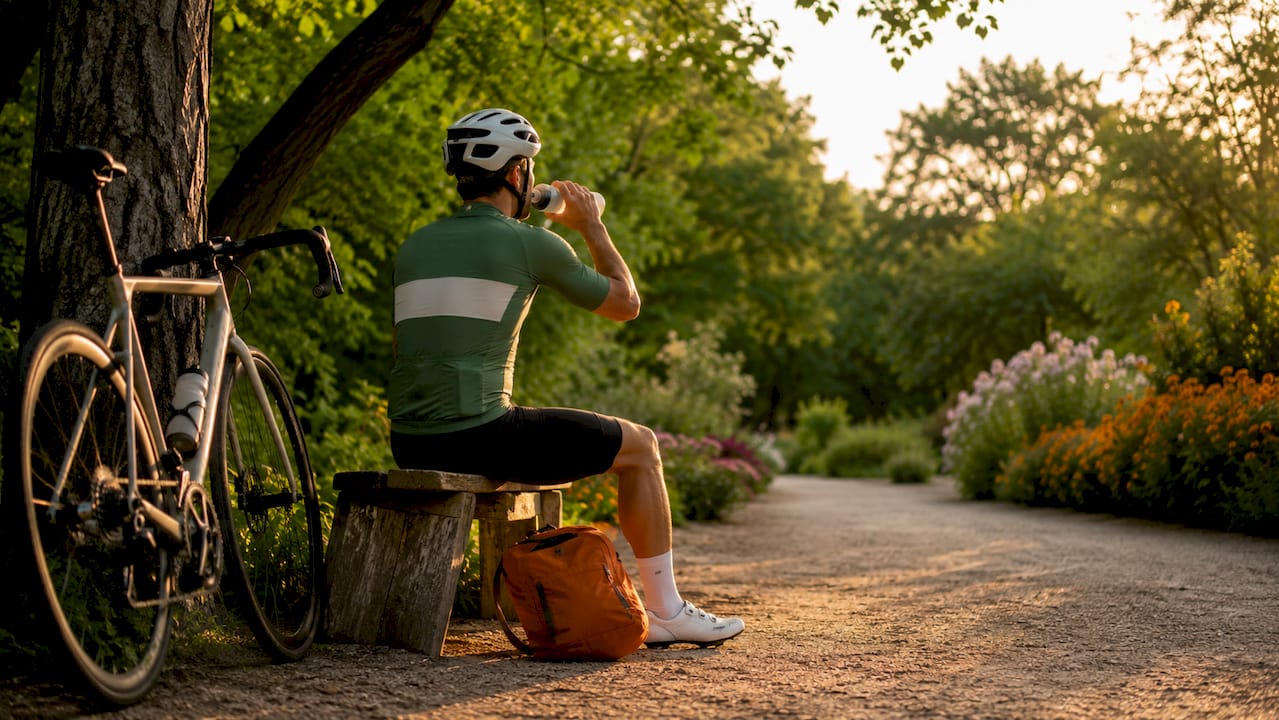
Sessions longer than 90 minutes change the equation entirely. At that point, water alone cannot maintain energy or electrolyte balance. Carbohydrate-electrolyte solutions with 30–60 g of carbohydrates and 300–500 mg of sodium per 500 mL serving are the standard recommendation for endurance efforts. That sodium content slows fluid loss through sweat and keeps absorption rates high.
Fluid composition matters as much as volume. A 6% carbohydrate solution with a glucose-fructose mix maximizes stomach emptying and sustained energy delivery. Pure glucose solutions hit an absorption ceiling at around 60 g per hour. Adding fructose bypasses that ceiling by using a separate intestinal transporter.
- Short sessions under 60 minutes: 4–8 ounces of water every 15–20 minutes
- Sessions of 60–90 minutes: water with a small electrolyte addition
- Sessions over 90 minutes: 500–1,000 mL per hour of a carbohydrate-electrolyte drink
- Target 300–500 mg sodium per 500 mL for prolonged efforts
Stat to know: Sodium intake of 500–1,000 mg per hour is the recommended range during prolonged exercise. That level prevents cramping and maintains plasma volume better than sodium-free fluids.
Pro Tip: Carry a measured bottle so you know exactly how much you have consumed. Guessing fluid intake during long events leads to both under-drinking and overdrinking.
3. What are the best post-exercise hydration strategies for recovery?
Post-exercise rehydration requires replacing more fluid than you actually lost. Athletes should replace 125–150% of fluid lost during exercise to account for ongoing urinary and sweat losses after activity ends. If you lost 1 liter during training, drink 1.25–1.5 liters over the following 2–4 hours.
Plain water is not the best recovery fluid. Water alone dilutes blood sodium, which triggers increased urination and slows rehydration. Sodium and protein together improve fluid retention far better than water or traditional sports drinks.
Milk is one of the most effective post-exercise recovery fluids available. It provides sodium, potassium, protein, and carbohydrates in a single source. Research consistently shows milk outperforms plain water for post-exercise fluid retention because of its combined sodium and protein content.
- Weigh yourself immediately after exercise to calculate fluid loss
- Drink 1.25–1.5 liters for every kilogram lost
- Choose a sodium-containing fluid: milk, an electrolyte drink, or a recovery shake
- Add a protein source within 30–60 minutes to support both muscle repair and fluid retention
- Avoid alcohol for at least 24 hours after intense exercise, as it acts as a diuretic
Pro Tip: Add a pinch of salt to your post-workout water bottle if you do not have an electrolyte drink available. It costs nothing and meaningfully improves fluid absorption.
4. How to personalize your hydration plan using sweat rate
Every athlete sweats differently. A generic fluid intake recommendation may leave one athlete under-hydrated and push another toward overhydration. Personalizing your plan starts with measuring your sweat rate.
Sweat rate measurement involves weighing yourself nude before and after a training session without drinking any fluid during it. Each kilogram of body weight lost equals approximately 1 liter of fluid lost. Repeat this test across different conditions, such as heat, humidity, and varying intensities, to build a reliable picture of your individual losses.
Once you know your sweat rate, you can match your fluid intake to your actual losses rather than following a one-size-fits-all guideline. The goal is to drink enough to prevent more than 2% body weight loss without drinking so much that you gain weight during exercise.
| Condition | Sweat rate impact | Adjustment needed |
|---|---|---|
| Hot and humid weather | Significantly higher sweat rate | Increase fluid intake by 20–30% |
| High-intensity effort | Higher sweat rate than moderate pace | Drink closer to the upper end of the range |
| Longer body size or high muscle mass | Higher absolute sweat volume | Increase total fluid volume accordingly |
| Cool and dry conditions | Lower sweat rate | Reduce intake to avoid overhydration |
- Weigh yourself before and after training to calculate sweat loss
- Aim to drink within 80–100% of your sweat loss during exercise
- Adjust volumes for heat, humidity, and exercise intensity
- Avoid NSAIDs like ibuprofen during endurance events, as they raise hyponatremia risk by impairing kidney function
Understanding electrolyte balance for athletes is the next step once you have your sweat rate dialed in.
5. Common hydration mistakes athletes make and how to avoid them
The most dangerous hydration mistake is not dehydration. It is overhydration. Exercise-associated hyponatremia (EAH) occurs when athletes drink more fluid than they lose through sweat, diluting blood sodium to dangerous levels. EAH causes nausea, confusion, and in severe cases, seizures. It is most common in slower endurance athletes who drink aggressively throughout long events.
Ignoring electrolytes is the second most common error. Drinking large volumes of plain water during prolonged exercise flushes sodium from the body without replacing it. The National Athletic Trainers’ Association identifies balancing hydration to avoid both dehydration and EAH as a critical safety priority.
Relying solely on thirst is also unreliable for athletes. Thirst lags behind actual fluid needs during intense exercise, especially in heat. By the time you feel thirsty, you may already be approaching the 2% loss threshold.
- Do not drink beyond your sweat losses during exercise
- Replace electrolytes, not just water, during sessions over 60 minutes
- Avoid NSAIDs such as ibuprofen during endurance events
- Skip high-sugar sodas and alcohol during training windows
- Caffeine under 400 mg daily does not impair hydration and can be included in your fluid plan
For a deeper look at how electrolytes affect output, the Nutribliss guide on electrolyte balance and performance covers the key mechanisms clearly.
Key takeaways
Effective athlete hydration requires replacing 125–150% of fluid lost after exercise using sodium-containing drinks, not plain water, while keeping losses during activity below 2% of body weight.
| Point | Details |
|---|---|
| Pre-exercise fluid target | Drink 400–600 mL 2–3 hours before, plus 200–300 mL 20 minutes before starting. |
| During-exercise composition | Use carbohydrate-electrolyte drinks with 300–500 mg sodium per 500 mL for sessions over 90 minutes. |
| Post-exercise replacement | Replace 125–150% of fluid lost; include sodium and protein to retain fluid effectively. |
| Sweat rate personalization | Weigh before and after training to calculate individual losses and set accurate intake targets. |
| Overhydration risk | Drinking beyond sweat losses causes EAH; monitor body weight changes to stay in the safe range. |
What I have learned about hydration that most athletes ignore
Athletes obsess over training loads, nutrition timing, and sleep quality. Hydration gets treated as an afterthought, something you handle with a water bottle and good intentions. That gap is where performance gets left on the table.
The insight that changed how I think about this is simple: hydration is not just about water. It is about blood volume and core temperature regulation. When those two systems are compromised, nutrient delivery to working muscles slows, recovery time extends, and focus drops. You can eat perfectly and sleep eight hours, but if you start a session 1.5% dehydrated, you have already handicapped yourself.
The personalization piece is where most generic advice fails athletes. A 150-pound runner in Phoenix in july and a 200-pound rugby player in Seattle have almost nothing in common when it comes to fluid needs. Sweat rate testing takes 20 minutes and gives you data that is worth more than any generic guideline.
The other thing I would push back on is the idea that sports drinks are always the answer. For sessions under 60 minutes, they add sugar without meaningful benefit. For sessions over 90 minutes, they are genuinely necessary. Knowing which category your workout falls into is the most practical hydration decision you can make.
— GAURAV
Nutribliss electrolyte supplements for athlete hydration
Athletes who train consistently need more than water to stay at their best. Replacing sodium, potassium, and magnesium lost through sweat is the difference between a strong recovery and a sluggish next session.
Nutribliss offers a science-backed electrolytes supplement formulated to support fluid retention and muscle recovery after intense training. The full Nutribliss supplements collection includes electrolytes, protein, and specialty formulas built for athletes who take their performance seriously. If you want to understand the research behind the formulations, the science behind superfoods page explains the evidence clearly. Follow #nutribliss for training and recovery tips built around real sports science.
FAQ
How much water should an athlete drink per day?
Daily fluid needs vary by body size, training load, and climate. A practical starting point is monitoring urine color throughout the day and targeting pale yellow as your baseline.
What is the difference between sports drinks vs water for hydration?
Water works well for sessions under 60 minutes. Sports drinks with carbohydrates and sodium become necessary for sessions over 90 minutes, where energy and electrolyte replacement matter as much as fluid volume.
How do I know if I am dehydrated during exercise?
A body weight loss of 2% or more signals meaningful dehydration. Practical signs include dark urine before exercise, increased perceived effort, and reduced mental sharpness during activity.
Can you drink too much water during a race or long workout?
Yes. Drinking beyond your sweat losses causes exercise-associated hyponatremia, a dangerous drop in blood sodium. Weigh yourself before and after training sessions to learn your actual sweat rate and set safe intake limits.
What should athletes drink after exercise for recovery?
Milk, electrolyte drinks, or recovery shakes containing sodium and protein outperform plain water for post-exercise rehydration. Replace 125–150% of fluid lost to account for ongoing losses after you stop exercising.