

Clean eating sounds simple until you try to define it. Ask ten people what it means and you’ll get ten different answers. Some say it’s about going organic, others swear it means cutting carbs, and a few think it’s just another word for dieting. The truth is, clean eating lacks a standardized definition and means different things to different people. This guide cuts through the noise, explains what clean eating actually involves, and gives you a practical, flexible framework you can start using today.
Table of Contents
- What is clean eating? Defining the basics
- Core principles: What foods are ‘clean’ and which to limit
- How clean eating impacts your body and mind
- Benefits and drawbacks: Clean eating in real life
- Clean eating vs. other healthy eating patterns
- Simple steps to start eating clean today
- Support your clean eating goals with Nutribliss
- Frequently asked questions
Key Takeaways
| Point | Details |
|---|---|
| No single definition | Clean eating means different things to different people but focuses on minimally processed whole foods. |
| Health benefits exist | Diets rich in unprocessed foods can aid weight loss and reduce disease risk compared to processed diets. |
| Avoid extremes | Going too far with clean eating can be harmful, so balance and flexibility are key. |
| Practical and flexible | Easy daily changes like reading labels and planning meals help you adopt clean eating without stress. |
What is clean eating? Defining the basics
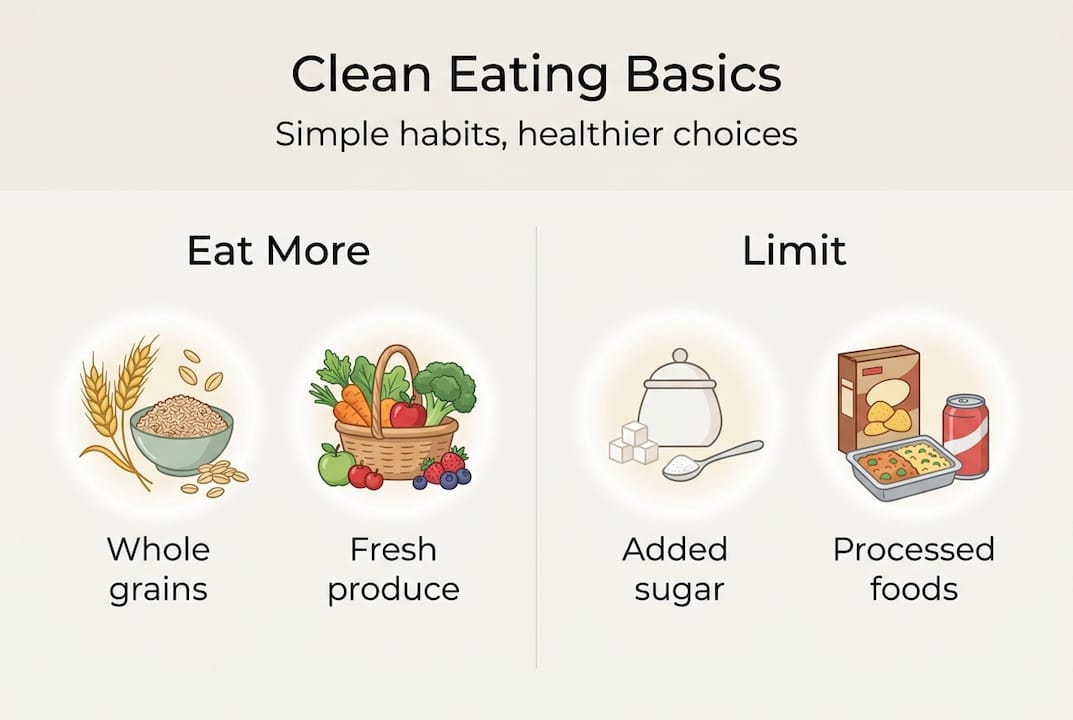
At its core, clean eating is about choosing foods that are as close to their natural state as possible. There’s no single scientific definition, but most approaches share a common thread: prioritize whole, real foods and minimize the heavily processed stuff. That’s it. No complicated rules, no banned food lists, no calorie counting required.
Clean eating focuses on whole, minimally processed foods, though approaches vary significantly depending on who you ask. Some people include dairy and lean meats. Others follow a plant-based version. What matters more than the specific rules is the long-term pattern of eating, not a single meal or a one-week challenge.
Here’s what most clean eating approaches include:
- Fresh fruits and vegetables
- Whole grains like oats, quinoa, and brown rice
- Lean proteins such as chicken, fish, eggs, and legumes
- Nuts, seeds, and healthy fats like avocado and olive oil
- Minimally processed dairy or dairy alternatives
Understanding balanced diet concepts can help you build a solid foundation before diving into any specific eating style.
“Clean eating is less about following a strict set of rules and more about developing a sustainable relationship with food that emphasizes quality and variety.” — Registered Dietitian perspective via Mayo Clinic Health System
Core principles: What foods are ‘clean’ and which to limit
Now that you know the basics, let’s get specific. Prioritizing whole foods and limiting processed ones are the two central pillars of clean eating. Here’s a side-by-side look at what that means in practice.

| Food type | Clean examples | Processed examples | Why it matters |
|---|---|---|---|
| Grains | Oats, brown rice, quinoa | White bread, instant noodles | Whole grains retain fiber and nutrients |
| Proteins | Chicken breast, lentils, eggs | Deli meats, hot dogs | Less sodium and fewer additives |
| Snacks | Almonds, fruit, hummus | Chips, cookies, candy bars | Fewer added sugars and artificial ingredients |
| Beverages | Water, herbal tea, black coffee | Sodas, energy drinks, juice cocktails | No added sugars or artificial sweeteners |
| Fats | Avocado, olive oil, walnuts | Margarine, fried foods | Better fatty acid profiles |
Some processed foods sneak up on you. Flavored yogurt, granola bars, bottled salad dressings, and even some protein bars are loaded with added sugars and preservatives. Check out clean eating tips for a deeper breakdown of what to watch for on labels.
You might also want to explore examples of clean supplements that align with a whole-food-first approach when your diet needs a boost.
Pro Tip: Flip the package over and read the ingredient list. If it has more than five or six ingredients and you can’t pronounce half of them, that’s a signal to put it back.
How clean eating impacts your body and mind
The science here is genuinely exciting. Minimally processed diets produce measurable health improvements compared to diets high in ultra-processed foods, including better waist circumference outcomes and lower oxidative stress.
| Health marker | Minimally processed diet | Ultra-processed diet |
|---|---|---|
| Waist circumference reduction | 2.06% average | 1.05% average |
| Oxidative stress levels | Significantly lower | Higher |
| Gut microbiome diversity | Improved | Reduced |
| Chronic disease risk | Lower | Higher |
“Participants following a minimally processed diet saw waist circumference reductions of 2.06% compared to just 1.05% in the ultra-processed group” — Nature Medicine, 2025
Your gut also benefits. A diet rich in fiber from whole grains, fruits, and vegetables feeds beneficial bacteria and supports a healthier microbiome. Our gut health guide explains how nutrition and targeted supplements can work together to support digestive wellness.
Mental health is part of the picture too. Eating a varied, balanced diet is linked to better mood and energy. But here’s the flip side: when clean eating becomes obsessive, it can tip into a condition called orthorexia, an unhealthy fixation on eating “perfectly” that causes anxiety and social withdrawal. Balance is the goal, not perfection.
Benefits and drawbacks: Clean eating in real life
Clean eating has real, documented benefits. But it also has pitfalls worth knowing about before you go all in.
Benefits:
- Higher intake of vitamins, minerals, and antioxidants
- Less exposure to artificial additives and preservatives
- Supports healthy weight management over time
- Improved energy levels and digestion
- Reduced risk of chronic diseases like type 2 diabetes and heart disease
Drawbacks:
- Can lead to social isolation when eating out or with others
- May cause food anxiety or guilt around “impure” foods
- Risk of nutrient deficiencies if entire food groups are cut without guidance
- Overly strict clean eating increases the risk of disordered eating behaviors and lower quality of life
Here are three steps to keep clean eating healthy and sustainable:
- Enjoy treats mindfully. A slice of birthday cake or a bowl of pasta at a restaurant won’t undo your progress. Enjoy it, move on, and get back to your usual habits the next meal.
- Keep variety front and center. Eating the same five foods every day isn’t clean eating, it’s monotony. Rotate your proteins, grains, and vegetables regularly.
- Consult a registered dietitian if you feel stuck. If food choices are causing stress or confusion, a professional can help you build a plan that fits your life.
For more on how balanced nutrition impacts fitness, especially if you’re training or active, it’s worth reading up on how your food choices directly affect performance and recovery.
Pro Tip: Progress beats perfection every single time. One clean meal is better than zero. Consistency over weeks and months matters far more than any single day of eating.
Clean eating vs. other healthy eating patterns
Clean eating isn’t the only game in town. How does it compare to more structured, research-backed diets?
| Feature | Clean eating | Mediterranean diet | DASH diet |
|---|---|---|---|
| Core foods | Whole, minimally processed | Fish, olive oil, vegetables | Fruits, vegetables, low-fat dairy |
| Restrictions | Processed foods, added sugars | Red meat, refined grains | Sodium, saturated fat |
| Flexibility | High | Moderate | Moderate |
| Proven benefits | General wellness | Heart health, longevity | Blood pressure reduction |
All three patterns share a common foundation: lots of vegetables, whole grains, lean proteins, and healthy fats. Many dietitians recommend flexible, evidence-based plans like the Mediterranean or DASH diets over rigid clean eating rules, precisely because they have more research behind them and are easier to stick with long term.
The good news? Clean eating can fit inside either of those frameworks. Think of it as a mindset that complements structured plans rather than competing with them. Explore diet variety explained to see how different approaches can work together. For practical ideas, clean eating tips from EatingWell are a great starting point.
Simple steps to start eating clean today
Ready to take action? Adopting clean eating can be gradual and flexible, prioritizing variety and balance over strict rules. Here’s how to start without overwhelming yourself.
- Plan your meals for the week. Even a rough plan reduces impulse decisions and makes grocery shopping faster.
- Shop the store perimeter. Fresh produce, proteins, and dairy live on the edges. The center aisles are where most processed foods hide.
- Batch cook on weekends. Prep a big pot of grains, roast a tray of vegetables, and cook a protein in bulk. Future you will be grateful.
- Read ingredient labels. Shorter lists with recognizable ingredients are almost always the better choice.
- Make gradual changes. Swap white rice for brown rice this week. Add a vegetable to dinner next week. Small shifts add up fast.
- Include a wide variety. Aim for different colors on your plate. Each color group brings different nutrients your body needs.
For dining out, look for grilled or baked options, ask for sauces on the side, and don’t stress about one meal. When eating with family, focus on adding clean options rather than removing favorites. Managing cravings? Keep clean snacks visible and accessible so you reach for those first.
For a personalized nutrition approach that accounts for your specific goals and lifestyle, it’s worth exploring how supplements and targeted nutrition strategies can fill the gaps. More beginner-friendly guidance is available at how to start clean eating.
Pro Tip: Don’t eliminate entire food groups without a medical reason. Carbs, fats, and even occasional treats all have a place in a healthy, sustainable eating pattern.
Support your clean eating goals with Nutribliss
Clean eating gives your body a strong nutritional foundation, but even the most dialed-in diet can have gaps. That’s where smart supplementation comes in.
At Nutribliss, we offer a curated range of science-backed supplements designed to complement a whole-food lifestyle. Whether you need a high-quality protein powder to support muscle recovery, electrolytes to stay hydrated during workouts, or targeted vitamins and minerals to fill nutritional gaps, our products are formulated with clean ingredients you can trust. Browse our full catalog and find the right support for your health goals, because clean eating and smart supplementation work best together.
Frequently asked questions
Is clean eating the same as eating organic?
Clean eating is not synonymous with organic eating. Clean eating prioritizes minimally processed and whole foods, while organic refers to how food is grown or produced, without synthetic chemicals, which may or may not align with a clean eating approach.
Can clean eating help with weight loss?
Yes. Minimally processed food diets support weight loss more effectively than diets high in ultra-processed foods, with measurable improvements in waist circumference and metabolic health markers.
Are there risks to following a clean eating diet?
Yes. Excessive clean eating can lead to orthorexia and other risks including nutrient deficiencies, disordered eating patterns, and social isolation if taken to an extreme.
How do I start clean eating without feeling deprived?
Clean eating can be started gradually and personalized to your preferences. Begin with small swaps, keep plenty of variety in your meals, and focus on adding nourishing foods rather than restricting the ones you love.