

Section 1: Introduction to Gut Health Supplements
Imagine a world where your digestive health is your secret superpower—impacting everything from mood and immunity to energy levels. In recent years, the pursuit of wellness has evolved beyond surface-level trends, and now many individuals are exploring gut-focused interventions. As we assess ways to enhance overall well-being, the allure of gut-targeted products has soared. Market forecasts estimate the global gut health supplement industry will expand from approximately USD 12.4 billion in 2023 to USD 22.6 billion by 2030, reflecting a robust compound annual growth rate (CAGR) of 8.9% globenewswire.com.
With rising demand, discerning which products are truly effective becomes essential. Consumers now navigate a crowded marketplace that includes probiotics, prebiotics, symbiotics, and even specialty amino acids—all promoted for digestive balance. A study reported that 51% of Americans incorporate probiotics into their routine for gut-related benefits, while 33% do so to support immune function datamintelligence.com. This widespread usage underscores a growing recognition that a healthy gut is foundational to holistic wellness, but it also amplifies the importance of choosing wisely among the best gut health supplements.
Clinicians and researchers emphasize that not all gut supplements are equally beneficial. For example, probiotics are often marketed broadly, yet major gastrointestinal authorities caution that evidence for their effectiveness in most digestive conditions remains weak, and general-use recommendations may be misguided washingtonpost.com. Achieving meaningful results requires both a personalized strategy and supplements with strong clinical backing.
In this article, we’ll explore proven strategies for optimizing gut function—examining high-quality evidence, expert guidance, and real-world applications. From targeted probiotic strains for irritable bowel syndrome (IBS) to prebiotic fibers that feed beneficial bacteria, we’ll reveal how thoughtful selections can boost digestive resilience. As you continue reading, you’ll gain clarity on distinguishing standout products, understanding dosage and quality markers, and integrating supplements effectively alongside lifestyle measures like diet, stress management, and sleep.
By the end of our guide, you’ll be equipped to navigate the gut health landscape with confidence, empowered to make decisions that deliver tangible benefits. Let’s begin by delving into the science and insights that set truly effective gut-support supplements apart.
Section 2: Understanding What Makes Effective Gut Health Supplements
Building on our introduction, it’s vital to unpack what actually contributes to the effectiveness of supplements marketed for gut wellness. Rather than chasing vague promises, informed choices are grounded in rigorous research, precise mechanisms, and clinically validated outcomes.
Evidence-Based Categories of 'Biotics'
The ecosystem of gut-focused supplements typically falls into four interrelated categories—prebiotics, probiotics, synbiotics, and postbiotics—all collectively referred to as “biotics.” Each plays a distinct role: prebiotics nurture beneficial microbes, probiotics introduce live organisms, synbiotics combine both, and postbiotics deliver non-viable microbial elements and metabolites that emulate probiotic benefits with potentially greater safety mdpi.com.
For example, a meta-analysis of randomized controlled trials in older adults found that probiotics and prebiotics increased Bifidobacterium levels (probiotics SMD = 0.40; prebiotics SMD = 1.09), enhanced microbial diversity (SMD = 0.76), and reduced inflammatory markers when used as synbiotics pubmed.ncbi.nlm.nih.gov. These well-defined outcomes underline the importance of specific formulations and evidence-backed strain or substrate pairings.
Translating Research Into Real-World Gains
Research presented at the Probiota + IPA World Congress revealed that approximately 72% of clinical probiotic studies reported positive effects, with gastrointestinal disorders improving in 68% of trials and metabolic outcomes even higher, at 87% nutraingredients.com. Notably, the number of probiotic strains used did not influence the success rate—single-strain formulas were just as effective as multi-strain blends—highlighting that quality and appropriateness of strains matter more than quantity.
Postbiotics are emerging as a next-generation option, especially where safety is a concern. In a mouse model of ulcerative colitis, postbiotics derived from Bifidobacterium outperformed live probiotics in modulating gut microbial composition and metabolic pathways, while exhibiting similar clinical benefits pubmed.ncbi.nlm.nih.gov. This suggests that certain consumers may benefit from components rather than live organisms.
Clinical Precision Over Buzz
Transparency in formulation and application is key. Take the example of supplements combining protein with prebiotics. A study in Nature Communications found that adults over age 60 who took these daily for three months scored significantly higher on memory tests—evidence of the meaningful gut–brain connection when supported by targeted compounds verywellhealth.com. This shows how integrating supplements into a lifestyle framework can produce measurable results.
As such, the most compelling “best gut health supplements” are those backed by high-quality trials, clear mechanisms, and outcomes tailored to specific health goals. When evaluating options, always look for research that names strains or ingredients, demonstrates significant effect sizes, and provides context—not just bold marketing claims.
In our next section, we’ll analyze top-rated supplements that meet these criteria and explain how to integrate them safely and strategically into your routine.
Choosing the Right Gut Health Supplements
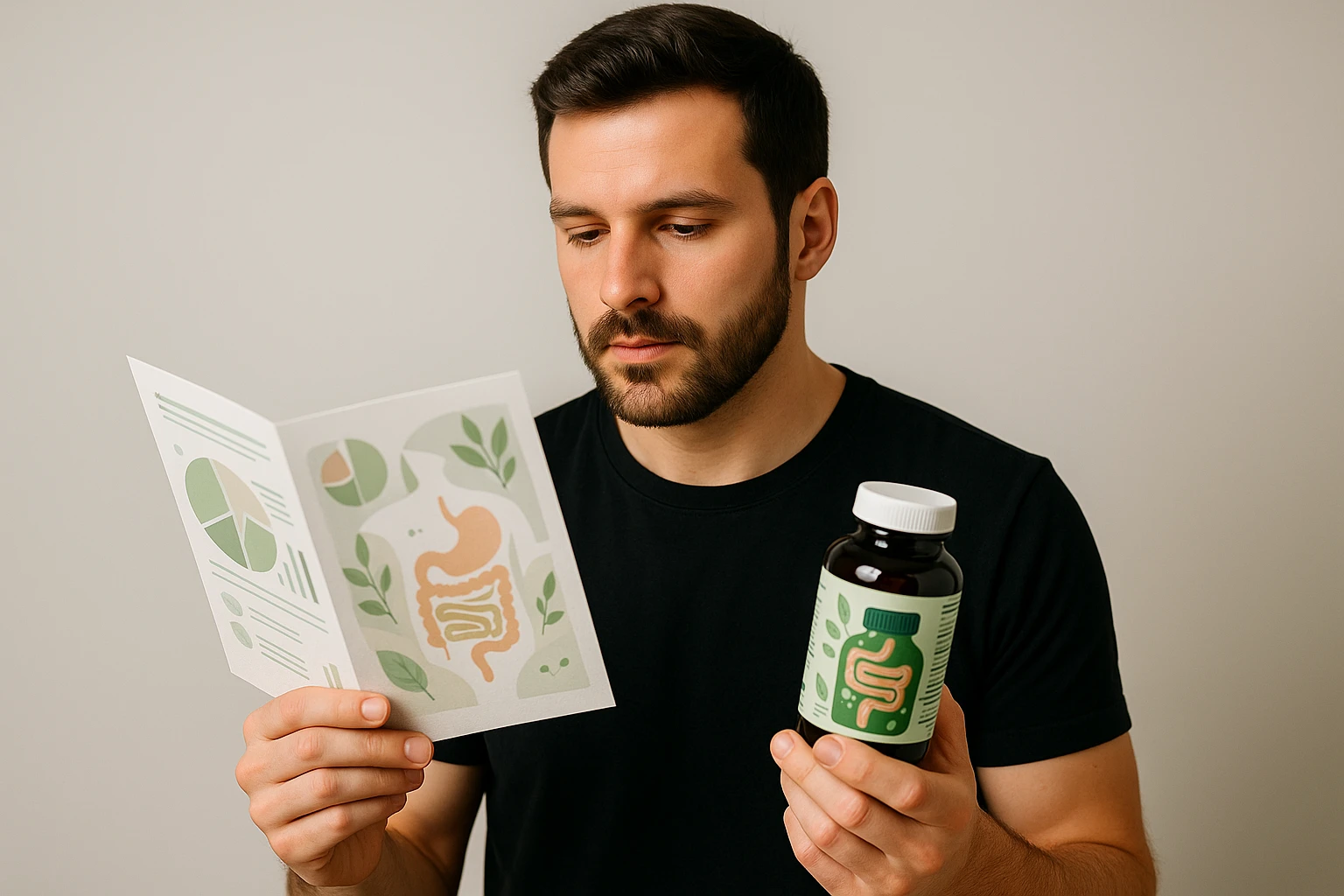
Finding the best gut health supplements involves understanding specific benefits, ingredients, and research-backed effectiveness. Many individuals seek supplements to improve their digestion, enhance immune function, or support overall wellness. Let's explore how these supplements can make a difference and what to look for when choosing them.
Key Ingredients to Look For
When searching for effective gut health supplements, certain ingredients stand out for their proven benefits. Probiotics, for example, are renowned for replenishing beneficial bacteria in the gut, which can improve digestion and boost immunity. Prebiotics often accompany these as they serve as nourishment for probiotics. According to a study published in the National Center for Biotechnology Information, certain strains like Bifidobacterium and Lactobacillus are particularly effective in enhancing gut health.
Research-Backed Benefits
Research consistently suggests that quality gut health supplements can help manage issues like irritable bowel syndrome and inflammatory bowel disease. In a clinical trial conducted by the Harvard Health Publishing, participants taking probiotic supplements reported marked improvement in their symptoms. This supports the notion that individuals could experience less bloating and discomfort through regular supplementation.
Choosing the Right Product
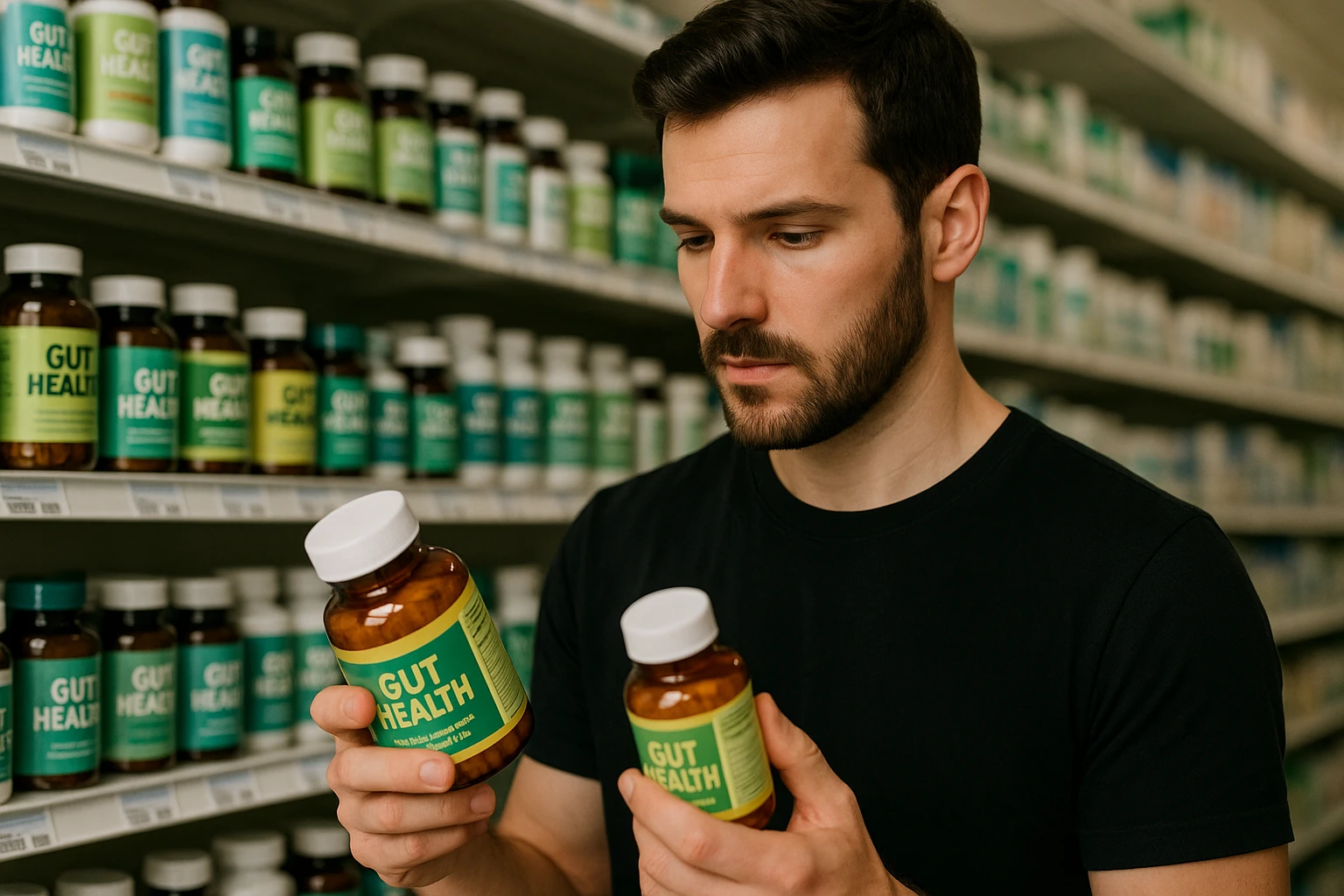
Navigating through the myriad of available options requires understanding individual health needs. Some products are specifically formulated to support digestive health, while others may focus on boosting the immune system. Consumers should consider trusted certifications and quality testing standards to ensure product safety and effectiveness. The consumer-focused approach is to look for products with transparent ingredient lists and positive reviews.
Transitioning to a Healthier Digestive System
Integrating the best gut health supplements into one’s daily regimen can be transformative. Yet, supplements should ideally complement a balanced diet and lifestyle changes. Implementing dietary adjustments, such as increasing fiber intake, supports the work of supplements, providing a holistic approach to gut wellness. Recognizing that these products act as part of a broader health strategy can optimize their benefits.
In summary, selecting the right supplements involves a mix of personal insight and scientific evidence. By understanding the core components and potential benefits, individuals are better equipped to enhance their digestive health journey.
Section 4: Evidence-Based Insights and Practical Applications
Continuing from our discussion on foundational principles, it’s essential to explore how research-backed findings translate into real-world benefits. Evidence from clinical trials and expert guidance can clarify how selecting the best gut health supplements can support wellness within the broader context of lifestyle and dietary habits.
Clinical Validation of Multi-Strain Probiotics
For individuals dealing with diarrhea-predominant IBS (IBS‑D), a double‑blind placebo-controlled trial using the multi‑strain probiotic Bio‑Kult® (14 strains) demonstrated a robust 69% reduction in abdominal pain severity compared to 47% with placebo (p < 0.001), along with significant improvements in bowel frequency and quality of life measures. This underscores the value of clinically tested formulations in symptom management (BMC Gastroenterology trial).
Single vs. Multi-Strain: Evidence-Based Nuance
Systematic reviews of over 10,000 participants have shown that in most cases, multi-strain probiotic mixtures are not significantly more effective than single-strain preparations, unless specific strains show targeted benefits in controlled trials. For instance, Lactobacillus rhamnosus GG was more protective against necrotizing enterocolitis, whereas a combination of L. rhamnosus GG and B. lactis Bb12 outperformed the single strain for H. pylori eradication (Digestive Diseases and Sciences review). This suggests that evidence-based strain selection, not mere diversity, dictates efficacy.
Prebiotics and Synbiotics: The Complementary Frontier
Maintaining gut health isn’t just about adding probiotics—it also involves nourishing the existing microbiota. Prebiotics such as inulin, FOS, and GOS selectively feed beneficial bacteria and are vital for promoting diversity and resilience. Vogue's expert contributors highlight that synbiotic blends—combinations of prebiotics and probiotics—can enhance microbial colonization and maximize gut benefits, particularly when integrated gradually with adequate hydration (Vogue).
Real-World Application: Customizing Supplement Strategies
- Individuals with IBS‑D may find targeted relief using a clinically validated multi‑strain probiotic like Bio‑Kult®, which offers proven outcomes in pain reduction and quality of life enhancements.
- Those focusing on a specific condition—such as preventing NEC or eradicating H. pylori—would benefit from single-strain options backed by rigorous trials, rather than broad-spectrum blends.
- For general maintenance or preventive care, incorporating high-quality prebiotics or synbiotic supplements can foster long-term resilience of the gut microbiome, supporting digestive, immune, and metabolic functions.
By aligning supplement choices with research-based evidence—whether opting for multi-strain, single-strain, or synbiotic formulations—you ensure strategic, purposeful decisions within your holistic gut health regimen.
Conclusion: Taking Charge of Your Gut Health
The journey to optimal digestive wellness involves more than just selecting the best gut health supplements. It's about embracing a holistic approach that includes mindful eating, regular exercise, and managing stress levels. These elements work together synergistically to foster a thriving gut microbiome, which is essential for overall health.
Real-world examples highlight the impact that quality supplements can have. For instance, a study published by the National Center for Biotechnology Information suggested that probiotics like Lactobacillus and Bifidobacterium have shown positive effects on gut flora balance and digestive health (NCBI Study on Probiotics). Exploring such research can guide your supplement choices and enhance your wellness strategy.
When integrating supplements into your routine, prioritize those supported by scientific evidence. Consider consulting with healthcare professionals who can tailor recommendations to your specific health needs. Supplements like prebiotics, probiotics, and fiber blends are often cited for their gut health benefits, but quality and compatibility with your lifestyle are key factors to consider.
Remember that supplements are most beneficial when part of a broader health-conscious lifestyle. Activities like yoga or meditation can further aid in maintaining a balanced microbiome by reducing stress levels. A balanced diet rich in fermented foods can also naturally enhance gut health, complementing the effects of your supplementary regimen.
As you navigate the world of gut health supplements, remain proactive and informed. Stay updated with the latest research and regulatory guidelines to make educated choices. The path to improved gut health is a personalized journey, but with the right tools and knowledge, achieving digestive wellness is within reach.
Start your journey today by researching the best gut health supplements that align with your health goals. By taking the first step, you're investing in a healthier future. Discover more on trusted platforms like the Healthline guide on probiotics to find supplements that fit your needs.