

Staying energized for intense workouts or a busy lifestyle often starts with the food on your plate. Many American adults striving for peak fitness discover that quick fixes and restrictive diets rarely deliver lasting results. Understanding the principles of a balanced diet, which includes nutrient-dense foods from all major groups, helps you fuel performance and support long-term well-being. This guide breaks down key concepts and practical strategies to build a nutrient-rich eating pattern, highlighting what really works for health-focused adults.
Table of Contents
- Balanced Diet Defined And Key Concepts
- Core Food Groups And Daily Balance
- 2026 U.S. Dietary Guidelines On Nutrition
- Role Of Supplements In A Balanced Diet
- Risks And Common Mistakes To Avoid
Key Takeaways
| Point | Details |
|---|---|
| Balanced Diet Definition | A balanced diet includes various food groups and focuses on nutrient quality and proportion for optimal health. |
| Core Food Groups | Incorporate vegetables, fruits, grains, proteins, and dairy in structured servings for overall health. |
| Nutritional Guidelines | Follow the latest U.S. dietary guidelines emphasizing whole foods, reduced processed foods, and balanced macronutrient intake. |
| Common Nutritional Mistakes | Avoid overly restrictive diets and ensure consistent eating patterns to support long-term wellness. |
Balanced Diet Defined and Key Concepts
A balanced diet represents a comprehensive nutritional approach that strategically incorporates foods from all essential food groups, delivering the necessary nutrients for optimal health and performance. Unlike restrictive eating patterns, a balanced diet focuses on variety, proportion, and quality of nutrients consumed.
According to dietary guidelines, a balanced diet should include specific proportions of key food groups:
- 50% fruits and vegetables
- 25% lean protein sources
- 25% whole and complex grains
- Recommended 3 cups of dairy or dairy alternatives daily
The fundamental goal of a balanced diet is ensuring your body receives essential nutritional components through diverse, nutrient-dense food choices. This means selecting foods that provide maximum nutritional value while maintaining appropriate caloric intake for your individual metabolic needs.
Nutrition experts emphasize that balanced diets are not one-size-fits-all strategies. Individual factors like age, gender, activity level, and health goals significantly influence precise dietary requirements. Understanding macronutrients (proteins, carbohydrates, fats) and micronutrients (vitamins, minerals) becomes crucial in crafting a personalized nutritional approach.
Macronutrient Balance
Effective balanced diets distribute macronutrients strategically:
- Proteins: Support muscle repair and growth
- Carbohydrates: Provide energy and support metabolic functions
- Healthy Fats: Enable hormone production and nutrient absorption
By focusing on whole, unprocessed foods and maintaining proper portion sizes, individuals can create sustainable eating patterns that support long-term wellness in the #nutribliss approach to nutrition.
The following table highlights differences between restrictive diets and balanced diet approaches:
| Approach | Flexibility | Long-Term Health Impact | Focus |
|---|---|---|---|
| Restrictive Diet | Limits food variety | May cause deficiencies | Calorie reduction |
| Balanced Diet | Encourages diversity | Supports lasting wellness | Nutrient quality and balance |
Pro tip: Start tracking your daily food intake using a nutrition app to understand your current macronutrient balance and identify areas for improvement.
Core Food Groups and Daily Balance
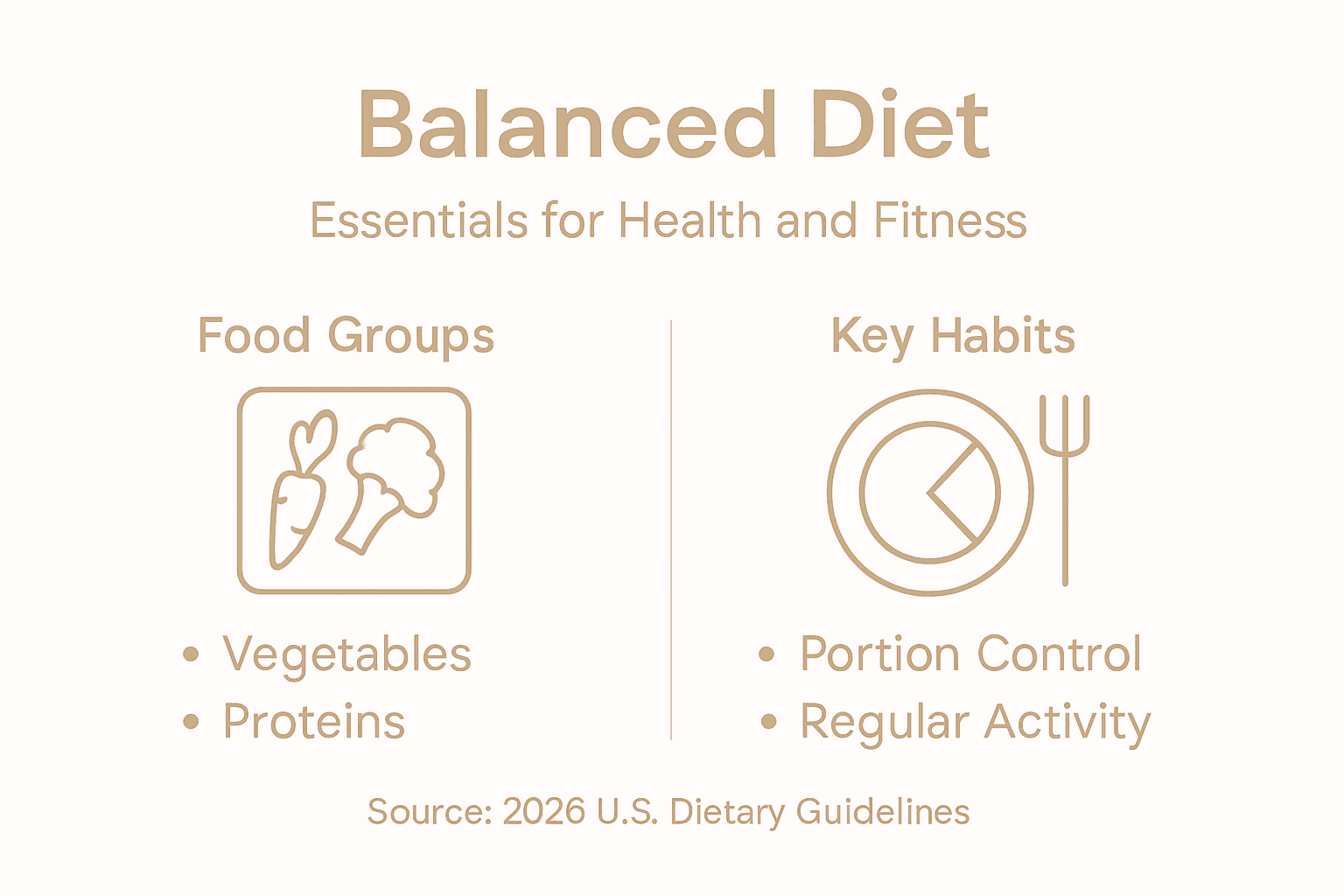
A well-structured diet relies on understanding and balancing key food groups recommended by nutritional experts. The American Heart Association outlines five essential food groups that form the foundation of optimal nutrition: vegetables, fruits, grains, protein foods, and dairy.
Daily Recommended Serving Sizes:
- Vegetables: 2.5 cups
- Fruits: 2 cups
- Grains: 3-6 ounces (minimum half whole grains)
- Protein Foods: Varied sources including seafood, lean meats, legumes
- Dairy: 3 servings daily
Each food group plays a crucial role in delivering specific nutrients that support overall health and metabolic function. Vegetables provide essential vitamins, minerals, and fiber, while fruits offer natural sugars, antioxidants, and additional micronutrients. Whole grains contribute complex carbohydrates and sustained energy, supporting digestive health and maintaining steady blood sugar levels.

Here is a summary comparing the roles of each core food group in a balanced diet:
| Food Group | Key Role in Health | Primary Nutrients |
|---|---|---|
| Vegetables | Support immune and digestive health | Vitamins, fiber, minerals |
| Fruits | Antioxidant and energy support | Vitamin C, fiber, natural sugars |
| Grains | Sustain energy, support metabolism | Complex carbs, B vitamins |
| Proteins | Build and repair tissues | Amino acids, iron, zinc |
| Dairy | Maintain bone and muscle strength | Calcium, protein, vitamin D |
Protein Diversity Matters
Protein sources should be strategically selected to ensure comprehensive nutrition:
- Lean meats (chicken, turkey)
- Fish and seafood
- Plant-based proteins (beans, lentils)
- Nuts and seeds
- Eggs and dairy products
Nutrient diversity within each food group is more important than strict portion control.
Balancing these food groups requires mindful selection and portion management. By incorporating a variety of nutrient-dense foods and maintaining appropriate caloric intake, individuals can create sustainable eating patterns that support long-term wellness and metabolic health.
Pro tip: Use a color-coded meal planning approach to ensure you’re consuming diverse nutrients from each food group throughout the week.
2026 U.S. Dietary Guidelines on Nutrition
The latest dietary guidelines for Americans emphasize whole food nutrition with a strategic approach to improving national health outcomes. These guidelines, covering 2025-2030, represent a comprehensive framework for understanding nutritional recommendations that address chronic disease prevention and overall wellness.
Key Nutritional Priorities:
- Prioritize whole, nutrient-dense foods
- Reduce processed food consumption
- Limit added sugars and sodium
- Emphasize balanced macronutrient intake
- Focus on sustainable eating patterns
The guidelines introduce several critical nutritional shifts, challenging previous recommendations by reconsidering traditional dietary constraints. Notably, they provide more nuanced guidance on protein sources, including a balanced approach to animal and plant-based proteins that supports diverse dietary needs.
Nutritional Restriction Recommendations
Dietary restrictions focus on reducing potentially harmful nutritional components:
- Added sugars: Less than 10% of daily calories
- Saturated fats: Under 10% of total caloric intake
- Sodium: Reduced consumption levels
- Refined carbohydrates: Minimal intake
- Processed food: Limited consumption
Whole foods remain the cornerstone of optimal nutritional strategies.
These guidelines reflect a holistic understanding of nutrition, moving beyond simple calorie counting to emphasize food quality, nutrient density, and individual metabolic health. By promoting real, minimally processed foods, the recommendations aim to combat rising chronic disease rates and support long-term wellness.
Pro tip: Create weekly meal plans that prioritize whole foods and minimize processed ingredients to align with the latest dietary recommendations.
Role of Supplements in a Balanced Diet
Some individuals require targeted dietary supplements for nutritional support beyond traditional food intake. Dietary supplements serve as strategic nutritional interventions designed to address specific health needs, filling potential nutrient gaps that might exist in everyday eating patterns.
Types of Dietary Supplements:
- Vitamins and minerals
- Protein powders
- Herbal extracts
- Probiotics
- Omega-3 fatty acids
- Amino acid complexes
- Electrolyte formulations
Supplements should never completely replace whole foods but can provide targeted nutritional support when used appropriately. The primary goal remains consuming a diverse, nutrient-rich diet with minimally processed ingredients. For individuals with specific health conditions, dietary restrictions, or increased nutritional requirements, supplements can play a critical complementary role.
Supplement Considerations
When evaluating supplement usage, consider these essential factors:
- Individual nutritional needs
- Potential interactions with medications
- Quality and purity of supplement sources
- Professional healthcare guidance
- Regular health monitoring
Supplements are most effective when integrated thoughtfully into a comprehensive nutrition strategy.
The regulatory landscape for dietary supplements remains complex, with limited oversight compared to pharmaceutical products. Consumers must approach supplement selection with careful research, prioritizing reputable brands and scientifically validated formulations. Understanding individual metabolic needs and consulting healthcare professionals can help optimize supplement integration.
Pro tip: Consult a registered dietitian or healthcare provider before starting any new supplement regimen to ensure safety and effectiveness.
Risks and Common Mistakes to Avoid
Navigating nutrition requires understanding critical dietary mistakes that undermine health goals. Many individuals unintentionally compromise their nutritional strategies by adopting extreme or unsustainable approaches that can lead to long-term metabolic complications.
Common Nutritional Pitfalls:
- Implementing overly restrictive diets
- Eliminating entire food groups
- Neglecting portion control
- Consuming excessive processed foods
- Misinterpreting nutrition guidance
- Ignoring individual metabolic needs
- Skipping essential meals
Dietary Mistake Categories
Nutritional mistakes typically fall into several key risk zones:
- Nutritional Imbalance: Excluding critical macronutrients
- Psychological Stress: Creating unhealthy food relationships
- Metabolic Disruption: Inconsistent eating patterns
- Nutrient Deficiency: Inadequate micronutrient intake
- Unsustainable Practices: Short-term diet approaches
Sustainable nutrition prioritizes balanced, consistent eating habits over extreme interventions.
The complexity of individual metabolism means there is no universal dietary approach. Personalized nutrition requires understanding your unique physiological requirements, genetic predispositions, and lifestyle factors. Consulting healthcare professionals can help design a tailored nutritional strategy that supports long-term wellness and prevents potential health risks.
Pro tip: Maintain a food diary for two weeks to identify personal dietary patterns and potential nutritional gaps.
Enhance Your Balanced Diet with Targeted Nutritional Support
Struggling to maintain the perfect balance of macronutrients and essential vitamins while managing daily life demands can feel overwhelming. The article highlights common challenges like ensuring diverse, nutrient-dense food intake, avoiding restrictive diets, and meeting specific metabolic needs. At Nutribliss, we understand that real food alone sometimes needs a little support to fill nutritional gaps and optimize your health and fitness goals.

Discover a range of science-backed supplements designed to complement your balanced diet approach. From high-quality protein powders that fuel muscle repair to carefully formulated vitamins and minerals that aid metabolic health, our diverse products empower you to build a sustainable and effective wellness routine. Take control now by exploring our offerings at Nutribliss and make nutritional balance effortless and achievable. Start your personalized health journey today and experience the difference focused nutritional support can bring.
Frequently Asked Questions
What is a balanced diet?
A balanced diet is a nutritional approach that includes a variety of foods from all essential food groups in adequate proportions, ensuring the intake of essential nutrients while maintaining a healthy caloric balance.
How can I determine my macronutrient balance?
To determine your macronutrient balance, start tracking your daily food intake using a nutrition app. This will help you understand your current intake of proteins, carbohydrates, and fats and identify areas for improvement.
What are the key food groups included in a balanced diet?
A balanced diet includes five key food groups: vegetables, fruits, grains, protein foods, and dairy or dairy alternatives. Each group provides essential nutrients that support overall health.
Are dietary supplements necessary for a balanced diet?
Dietary supplements may be beneficial for individuals with specific nutritional gaps or health conditions. However, they should complement a diverse, nutrient-rich diet rather than replace whole foods.