

Finding trustworthy guidance on natural immunity support can feel complicated for anyone striving to make health-driven choices. For many American adults, understanding how Vitamin C nourishes the immune system and protects the body is more than simple curiosity—it is an ongoing priority. This guide offers clear facts about Vitamin C’s role in human health, revealing science-backed reasons why daily intake is necessary and highlighting how thoughtful supplementation may fit your wellness plan.
Table of Contents
- What Is Vitamin C and Its Importance
- How Vitamin C Supports Immune Cells
- Antioxidant Role in Immune Defense
- Optimal Dosing and Supplementation Strategies
- Risks, Side Effects, and Common Misconceptions
Key Takeaways
| Point | Details |
|---|---|
| Vitamin C is Essential for Health | Regular dietary intake of Vitamin C is crucial for numerous bodily functions and immune support. |
| Supports Immune Function | Vitamin C enhances immune cell performance, helping the body fight infections and recover. |
| Antioxidant Properties | Acts as a powerful antioxidant, protecting cells from damage caused by free radicals. |
| Consult Healthcare Professionals | Individual needs for Vitamin C can vary; consult professionals for personalized advice. |
What Is Vitamin C and Its Importance
Vitamin C, scientifically known as ascorbic acid, is a critical water-soluble vitamin that plays an essential role in numerous bodily functions. Unlike some nutrients, humans cannot naturally produce or store this vitamin, making regular dietary intake crucial for maintaining optimal health.
The importance of Vitamin C spans multiple physiological systems. Required for key biosynthesis processes, this nutrient contributes to vital functions such as:
- Collagen production
- Neurotransmitter synthesis
- Immune system regulation
- Antioxidant protection
- Iron absorption enhancement
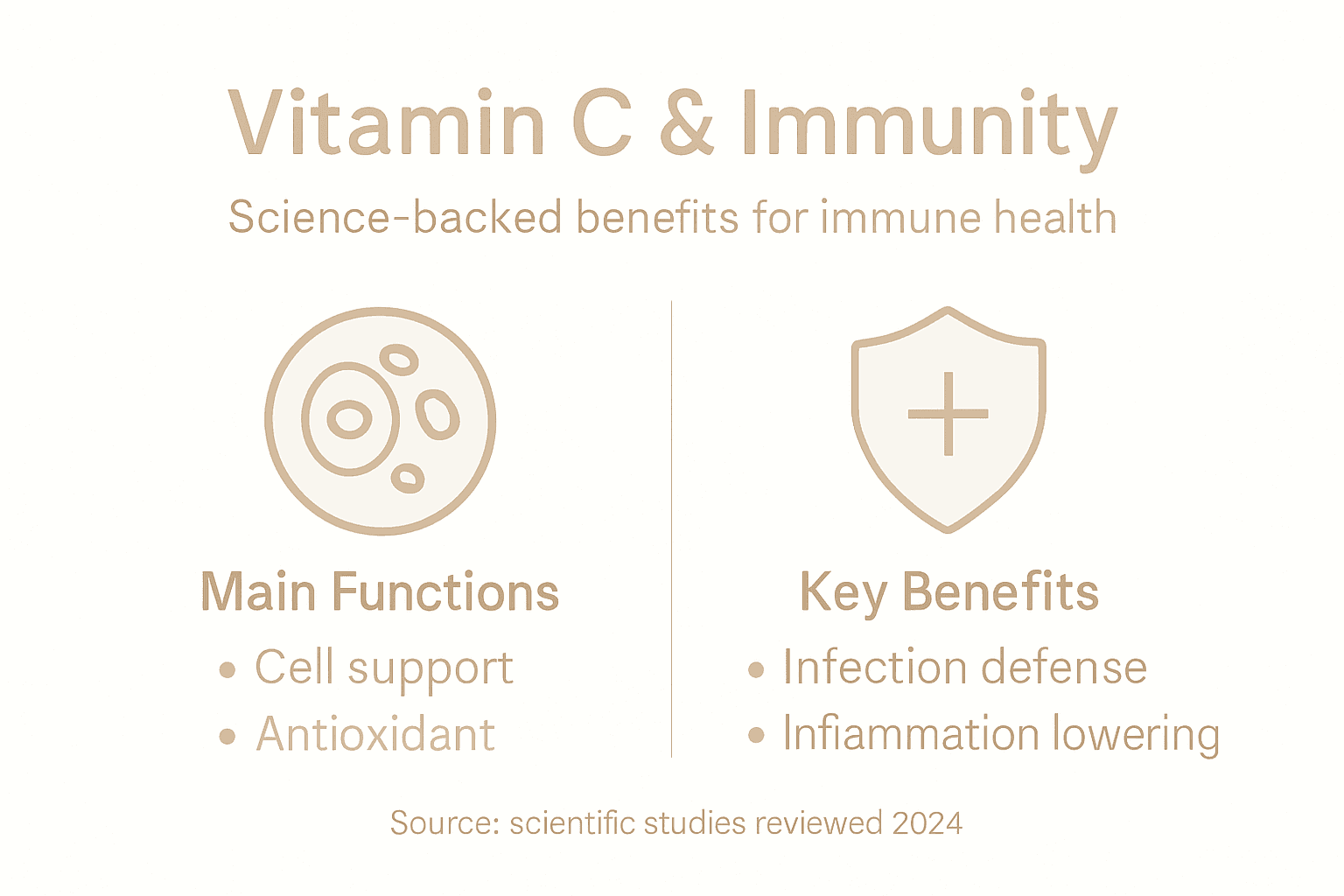
Scientists recognize Vitamin C as a fundamental compound that supports numerous metabolic pathways. An essential antioxidant for human health, it helps neutralize harmful free radicals and supports the body’s natural defense mechanisms. The vitamin plays a particularly significant role in maintaining a robust immune response, helping the body fight infections and recover from illnesses more effectively.
The human body requires consistent Vitamin C intake because it cannot synthesize or store this nutrient for extended periods. Dietary sources like citrus fruits, berries, bell peppers, and leafy greens become critical for ensuring adequate levels. #nutribliss recommends consuming a varied diet rich in Vitamin C-containing foods to support overall wellness.
Here’s a quick reference for top dietary sources of Vitamin C:
| Food Source | Typical Serving Size | Vitamin C Content (mg) | Other Nutrients Present |
|---|---|---|---|
| Orange | 1 medium | 70 | Fiber, potassium |
| Red bell pepper | 1/2 cup, raw | 95 | Vitamin A, folate |
| Broccoli | 1/2 cup, cooked | 51 | Fiber, vitamin K |
| Strawberry | 1/2 cup, sliced | 49 | Manganese, folate |
| Kiwi | 1 medium | 64 | Vitamin E, potassium |
| Brussels sprouts | 1/2 cup, cooked | 48 | Fiber, vitamin K |
Pro tip: Maximize your Vitamin C absorption by consuming it with iron-rich plant foods, which can enhance nutrient uptake and support your body’s metabolic processes.
How Vitamin C Supports Immune Cells
Immune cell function depends critically on Vitamin C, which plays a multifaceted role in supporting the body’s natural defense mechanisms. Vitamin C promotes crucial immune responses by enhancing several key aspects of immune system performance.
The primary mechanisms of Vitamin C’s immune support include:
- Stimulating natural killer cell activities
- Promoting lymphocyte proliferation
- Supporting white blood cell production
- Enhancing cellular antioxidant protection
- Reducing inflammatory responses
Critical for maintaining immune system health, this vitamin helps the body fight infections by strengthening various immune cell types. White blood cells like neutrophils and lymphocytes rely on Vitamin C to function optimally, improving their ability to identify and neutralize potential threats.

Researchers have discovered that Vitamin C levels rapidly deplete during infections, indicating its substantial role in immune system resilience. This suggests that maintaining consistent Vitamin C intake can help support the body’s natural defense mechanisms, particularly during periods of increased physiological stress or potential exposure to pathogens.
Pro tip: Consume Vitamin C-rich foods with iron sources to maximize nutrient absorption and support your immune system’s natural defensive capabilities.
Antioxidant Role in Immune Defense
Antioxidant mechanisms represent a critical defense strategy within the human immune system, with Vitamin C playing a pivotal role in neutralizing harmful free radicals. Vitamin C modulates inflammation and oxidative stress, providing a powerful shield against cellular damage and supporting overall immune resilience.
The primary antioxidant functions of Vitamin C include:
- Neutralizing free radicals
- Reducing oxidative stress
- Protecting cellular structures
- Supporting tissue repair mechanisms
- Controlling inflammatory responses
Powerful antioxidant protection for immune health occurs through Vitamin C’s unique ability to limit cell damage caused by inflammatory processes. This protective mechanism helps maintain cellular integrity and supports the body’s natural defense systems, preventing potential long-term damage from chronic oxidative stress.
Researchers have discovered that Vitamin C’s antioxidant properties extend beyond simple free radical neutralization. The vitamin actively contributes to immune system homeostasis, helping to moderate the severity of inflammatory responses and protect tissues during complex immune reactions. #nutribliss recognizes this intricate relationship between antioxidants and immune function as a critical component of holistic health support.
Pro tip: Combine Vitamin C-rich foods with other antioxidant sources like berries and leafy greens to maximize your body’s natural defense capabilities.
Optimal Dosing and Supplementation Strategies
Vitamin C supplementation requires a nuanced approach tailored to individual health needs and physiological variations. Recommended dietary intake varies by individual factors, with standard guidelines providing a foundational framework for optimal supplementation.
Key considerations for Vitamin C dosing include:
- Daily recommended intake for adult men: 90 mg
- Daily recommended intake for adult women: 75 mg
- Upper tolerable limit: 2000 mg daily
- Absorption efficiency decreases above 1000 mg
- Individual needs may vary based on lifestyle and health status
Scientific insights on vitamin C absorption suggest that the first 250 mg are most critical for saturating blood tissues. Most healthy adults can achieve optimal levels with approximately 400 mg per day, strategically divided throughout daily meals to maximize absorption and minimize potential gastrointestinal side effects.
Researchers emphasize that while Vitamin C is water-soluble and excess amounts are typically excreted, individuals should still approach supplementation thoughtfully. #nutribliss recommends consulting healthcare professionals to determine personalized supplementation strategies that align with specific health goals and potential underlying conditions.
Pro tip: Consider splitting your daily Vitamin C intake into smaller doses to enhance absorption and minimize potential digestive discomfort.
Risks, Side Effects, and Common Misconceptions
Vitamin C supplementation involves understanding potential risks and separating scientific facts from popular myths. Common misconceptions about vitamin intake persist, making it crucial to approach supplementation with accurate information and careful consideration.
Potential side effects and risks of high-dose Vitamin C include:
- Gastrointestinal disturbances
- Diarrhea
- Nausea
- Stomach cramps
- Potential kidney stone formation
- Interference with medical test results
- Possible medication interactions
Scientific evidence challenges popular vitamin C myths, particularly regarding its ability to prevent or cure the common cold. While the vitamin is essential for immune function, excessive supplementation does not guarantee enhanced protection. Most healthy individuals can obtain sufficient Vitamin C through a balanced diet, with targeted supplementation recommended only for specific nutritional needs.
Here is a summary of common misconceptions vs. evidence on Vitamin C:
| Belief | Scientific Evidence | Practical Implication |
|---|---|---|
| Prevents common cold | Reduces duration, not prevention | Balanced diet preferred |
| High doses are always better | Excess excreted, may cause issues | Follow daily intake guidance |
| Sufficient in all diets | Some individuals may lack enough | Prioritize fruit, vegetables |
Researchers emphasize that Vitamin C supplementation is generally safe up to 2,000 mg daily, but individual tolerance varies. #nutribliss recommends consulting healthcare professionals to develop personalized supplement strategies that align with individual health requirements and minimize potential risks.
Pro tip: Always consult with a healthcare provider before starting any new supplement regimen to understand potential interactions and appropriate dosage for your specific health profile.
Strengthen Your Immunity With Science-Backed Vitamin C Solutions
The article highlights how vital Vitamin C is for supporting immune cells, acting as a powerful antioxidant, and enhancing overall immune defense. If you are looking to elevate your immune health and ensure your body gets the optimal Vitamin C dosage tailored to your needs, it is important to choose trusted supplements formulated with care. Many people struggle with maintaining consistent Vitamin C intake due to dietary gaps or increased physiological stress. That is where Nutribliss can help by offering a diverse selection of high-quality supplements designed to fit your lifestyle and wellness goals.
Take control of your immune health today by exploring our carefully curated Vitamin products and supplements. Visit Nutribliss to browse detailed descriptions and customer reviews so you can make an informed choice. With expert guidance and premium formulations available, now is the perfect time to support your immune system naturally and effectively. Don’t wait for illness to remind you of the importance of good nutrition, start your wellness journey with Nutribliss and embrace a healthier tomorrow.
Frequently Asked Questions
What is the role of Vitamin C in boosting the immune system?
Vitamin C supports the immune system by enhancing the function of immune cells, reducing inflammation, and providing antioxidant protection. It promotes the activity of white blood cells and helps in fighting off infections effectively.
How much Vitamin C do I need daily to support my immune health?
The recommended daily intake of Vitamin C is 90 mg for adult men and 75 mg for adult women. To optimize immune function, some individuals may benefit from around 400 mg per day, divided into smaller doses throughout the day.
Can Vitamin C supplements help prevent the common cold?
While Vitamin C is important for immune function, high doses do not necessarily prevent the common cold. Research shows that it may reduce the duration of colds but not the likelihood of getting one. A balanced diet rich in Vitamin C is generally sufficient for most healthy adults.
What are the potential side effects of taking high doses of Vitamin C?
High doses of Vitamin C can cause gastrointestinal disturbances such as diarrhea, nausea, and stomach cramps. It may also lead to kidney stones in some individuals. It’s important to consult with a healthcare provider before starting any new supplementation regime.
Recommended
- What Is Vitamin C Good For? Key Benefits Explained
- Vitamin C Explained: Benefits for Active Adults
- What Does Vitamin D Do for Immunity and Performance
- Supplements and Immunity – Boosting Natural Defenses
- Hair Nutrition Food: Boosting Growth and Vitality | MyHair