

More than half of American adults report taking dietary supplements each year, hoping to boost energy, immunity, or overall wellness. With so many options lining the shelves, figuring out which supplements genuinely support immune health can be a real challenge. Understanding the science behind immune support supplements helps American consumers make smarter choices, avoid common pitfalls, and select products that truly benefit the body’s natural defenses.
Table of Contents
- Defining Supplements And Immune Support
- How Supplements Influence Immune Function
- Key Types Of Immune-Boosting Supplements
- Choosing Quality And Safe Supplements
- Risks, Myths, And Common Mistakes
Key Takeaways
| Point | Details |
|---|---|
| Role of Supplements | Supplements, especially immune support supplements, enhance the body’s defense mechanisms by addressing dietary gaps. Whole foods should remain the primary nutrient source, but targeted supplementation can be valuable. |
| Micronutrient Importance | Vitamins and minerals, such as Vitamins C and D and zinc, are crucial for modulating immune responses and maintaining overall immune resilience. |
| Quality Selection | Choosing high-quality, scientifically validated supplements is essential for safety and effectiveness; prioritize products with transparent sourcing and third-party testing. |
| Awareness of Risks | Understanding common myths and misconceptions around supplements is vital; more is not always better, and individual responses to supplementation can vary significantly. |
Defining Supplements and Immune Support
Supplements represent specialized nutritional compounds designed to enhance physiological functions and address potential dietary gaps. Within the realm of health optimization, immune support supplements play a critical role in bolstering the body’s natural defense mechanisms. While whole foods remain the primary source of essential nutrients, targeted supplementation can provide concentrated support for overall immune system resilience.
Understanding immune support requires recognizing how specific micronutrients interact with our body’s complex defense network. Herbal supplements offer key uses and real benefits that go beyond basic nutritional intake, potentially modulating immune responses and supporting cellular health. These specialized compounds often contain concentrated extracts from plants, herbs, and other natural sources that can help strengthen immune function.
The landscape of dietary supplementation is nuanced and multifaceted. Comprehensive expert guidance suggests that strategic supplementation can address specific nutritional needs while supporting overall wellness. For immune support, this might include vitamins like D and C, minerals such as zinc, and botanical extracts known for their immunomodulatory properties. #nutribliss recommends consulting healthcare professionals to develop a personalized approach that aligns with individual health goals and potential nutritional requirements.
Key considerations when exploring immune support supplements include understanding individual health status, potential interactions with existing medications, and selecting high-quality, scientifically validated formulations. Not all supplements are created equal, and discerning consumers should prioritize products with transparent ingredient sourcing, third-party testing, and clear dosage recommendations. By approaching supplementation with knowledge and intentionality, individuals can make informed choices that potentially enhance their natural immune defenses.
How Supplements Influence Immune Function
The intricate relationship between dietary supplements and immune function represents a complex physiological interaction involving multiple biochemical pathways. Micronutrient supplementation can significantly modulate immune responses, providing targeted support for the body’s natural defense mechanisms. Vitamin D supplementation demonstrates how specific nutrients can profoundly impact immune system performance and resilience.
Scientific research reveals that specific micronutrients act as critical regulators of immune cell function. Emerging studies show that vitamins A, C, D, E, and minerals like zinc and selenium play pivotal roles in supporting immune responses. Supplements can influence aging-related immune system changes, helping maintain robust immune capabilities throughout different life stages. These nutrients work by supporting cellular communication, enhancing immune cell production, and modulating inflammatory responses.
Immune function involves intricate interactions between innate and adaptive immune systems. Supplementation strategies target various mechanisms, including:
- Enhancing natural killer cell activity
- Supporting antibody production
- Reducing oxidative stress
- Promoting cellular repair processes
- Regulating inflammatory responses
The precision of immune system support through supplementation requires a nuanced approach. Individual variations in metabolism, genetic factors, and overall health status mean that supplement effectiveness can differ significantly between individuals. #nutribliss recommends personalized consultation with healthcare professionals to develop targeted nutritional strategies that align with specific immune support needs.
Understanding the subtleties of immune function supplementation involves recognizing that more is not always better. Balanced, scientifically validated supplement protocols can provide strategic support, helping individuals maintain optimal immune resilience without overwhelming the body’s natural regulatory mechanisms. Careful selection of high-quality supplements, combined with a holistic approach to nutrition and lifestyle, represents the most effective path to robust immune health.
Key Types of Immune-Boosting Supplements
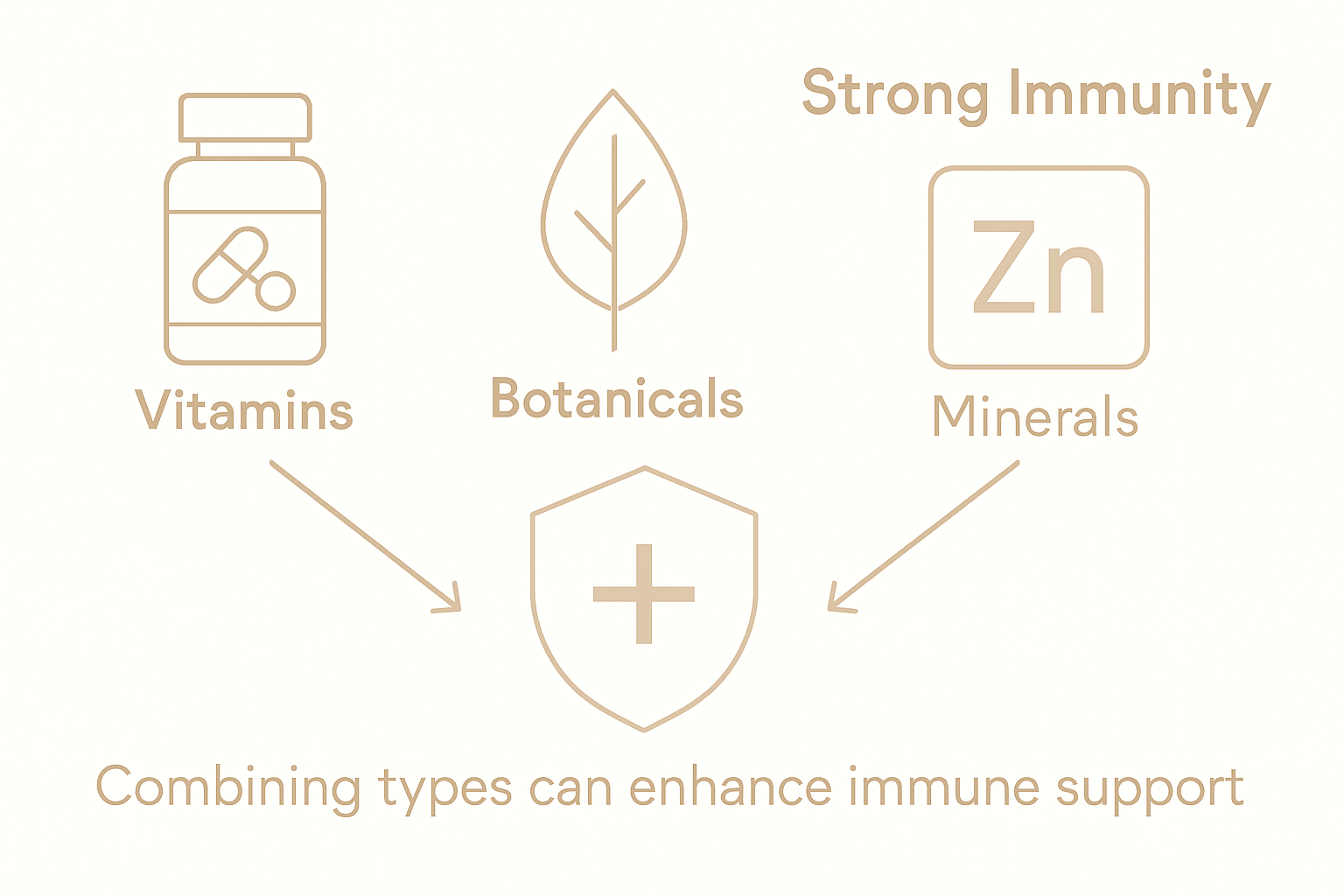
Immune support requires a strategic approach to supplementation, with multiple nutrient categories playing crucial roles in maintaining robust defense mechanisms. Micronutrient supplements represent the foundational layer of immune system support, addressing potential nutritional gaps that might compromise physiological resilience. Superfoods supplements offer comprehensive health benefits that extend beyond basic nutritional requirements, providing concentrated immune-enhancing compounds.

The landscape of immune-boosting supplements encompasses several critical categories. Vitamins and minerals form the cornerstone of immune support, with specific nutrients demonstrating targeted effects. Vitamin D, zinc, and selenium emerge as particularly potent immune modulators, while antioxidant compounds like vitamin C and E help neutralize harmful free radicals. Dietary supplement examples highlight diverse approaches to nutritional optimization that can significantly impact immune system performance.
Key types of immune-boosting supplements include:
-
Vitamins
- Vitamin C (antioxidant protection)
- Vitamin D (immune cell regulation)
- Vitamin E (cellular defense)
-
Minerals
- Zinc (immune cell development)
- Selenium (antioxidant support)
- Magnesium (cellular function)
-
Botanical Extracts
- Echinacea
- Elderberry
- Astragalus
-
Specialized Compounds
- Probiotics
- Omega-3 fatty acids
- Medicinal mushroom extracts
#nutribliss recommends a holistic approach to supplementation, recognizing that individual immune needs vary based on factors like age, lifestyle, and overall health status. Comprehensive immune support transcends simple supplementation, requiring a nuanced understanding of how different nutrients interact and support physiological defense mechanisms.
Understanding supplement interactions and potential synergies is crucial for maximizing immune system effectiveness. While supplements offer targeted support, they work best when integrated with a balanced diet, regular exercise, adequate sleep, and stress management. Careful selection, appropriate dosing, and professional guidance ensure that immune-boosting supplements provide meaningful support without overwhelming the body’s natural regulatory systems.
Choosing Quality and Safe Supplements
Selecting high-quality supplements requires a strategic and informed approach that goes beyond simple product selection. Supplement quality represents a critical factor in ensuring both safety and effectiveness for immune system support. Understanding third-party tested supplements provides consumers with essential insights into product reliability and potential health benefits.
Navigation of the supplement marketplace demands careful consideration of multiple factors. Consumers should prioritize products that demonstrate transparent sourcing, clear ingredient lists, and verifiable manufacturing standards. Supplement regulation guidelines offer critical frameworks for identifying reputable products that meet rigorous quality control standards. Key evaluation criteria include:
-
Manufacturing Practices
- Good Manufacturing Practice (GMP) certification
- Facility inspection records
- Consistent production standards
-
Product Verification
- Third-party testing results
- Independent laboratory analysis
- Comprehensive ingredient screening
-
Ingredient Transparency
- Complete ingredient disclosure
- Source origin documentation
- Concentration verification
-
Safety Considerations
- Potential interaction warnings
- Allergen information
- Recommended dosage guidelines
#nutribliss emphasizes the importance of holistic supplement selection, recognizing that individual health needs vary dramatically across different populations. Consulting healthcare professionals remains the most reliable method for developing personalized supplementation strategies that align with specific physiological requirements.
Ultimately, choosing quality supplements involves more than reading labels. Consumers must develop critical thinking skills, research product backgrounds, and maintain a proactive approach to understanding potential benefits and limitations. Careful selection, combined with ongoing health monitoring, ensures that supplement choices contribute positively to overall immune system support and general wellness.
Risks, Myths, and Common Mistakes
Navigating the complex world of immune support supplements requires critical awareness of potential misconceptions and health risks. Supplement misconceptions can lead consumers down dangerous paths of ineffective or potentially harmful nutritional strategies. Understanding potential nutritional risks becomes crucial in developing a responsible approach to immune system support.
Common myths surrounding supplement usage often stem from misinformation and oversimplified health narratives. Consumers frequently misunderstand key principles of supplementation, including:
-
Dosage Misconceptions
- More is not always better
- Excessive intake can suppress immune function
- Individual tolerance varies significantly
-
Marketing-Driven Myths
- “Miracle” supplement claims
- Guaranteed health transformations
- One-size-fits-all solutions
-
Interaction Risks
- Potential conflicts with medications
- Unexpected side effects
- Complex metabolic interactions
-
Scientific Literacy Challenges
- Misinterpreting research findings
- Correlation versus causation
- Incomplete understanding of nutritional science
#nutribliss emphasizes the importance of evidence-based approaches, recognizing that individual physiological responses to supplements can vary dramatically. Consulting healthcare professionals remains the most reliable method for developing personalized nutritional strategies that account for individual health complexities.
Critical thinking and scientific skepticism represent the most powerful tools in navigating supplement choices. Consumers must develop skills to critically evaluate claims, understand potential risks, and recognize the limitations of nutritional supplements. Responsible supplementation involves continuous learning, professional guidance, and a holistic approach to health that extends far beyond simple pill consumption.
Strengthen Your Natural Defenses with Targeted Immune Support
The article highlights the challenge of maintaining a robust immune system through precise supplementation. Many face confusion about which supplements offer real benefits, how to avoid common mistakes, and how to select high-quality products that enhance immune resilience effectively. If you want to address nutritional gaps and support your body’s defenses with science-backed vitamins, minerals, and botanical extracts this is the moment to act.
Explore our collection of Immune Support Supplements | Daily Wellness Vitamins | NutriBliss designed to provide balanced nutrients like Vitamin D, Zinc, and Elderberry that work together to boost cellular health and regulate immune responses.

Take control of your immune health today by choosing supplements that meet rigorous quality standards and fit your individual needs. Visit Nutribliss.us now and discover carefully curated Nutribliss Supplements – Nutribliss Inc. that combine safety with effectiveness. Don’t wait to build a stronger immune system that supports you every day.
Frequently Asked Questions
What are immune support supplements?
Immune support supplements are specialized nutritional compounds designed to enhance the body’s natural defense mechanisms and address potential dietary gaps. They can include vitamins, minerals, and herbal extracts that contribute to overall immune system resilience.
How do supplements influence immune function?
Supplements can significantly modulate immune responses by providing essential micronutrients that regulate immune cell function. Vitamins such as A, C, D, and E, along with minerals like zinc and selenium, play critical roles in maintaining robust immune capabilities.
What types of supplements are beneficial for boosting immunity?
Key types of immune-boosting supplements include vitamins (especially C and D), minerals (like zinc and selenium), botanical extracts (like echinacea and elderberry), and specialized compounds (such as probiotics and omega-3 fatty acids).
Are there risks associated with taking immune support supplements?
Yes, there are potential risks linked to improper supplement usage, such as exceeding recommended dosages, which can suppress immune function or interact negatively with medications. It’s essential to consult healthcare professionals for personalized recommendations.