

TL;DR:
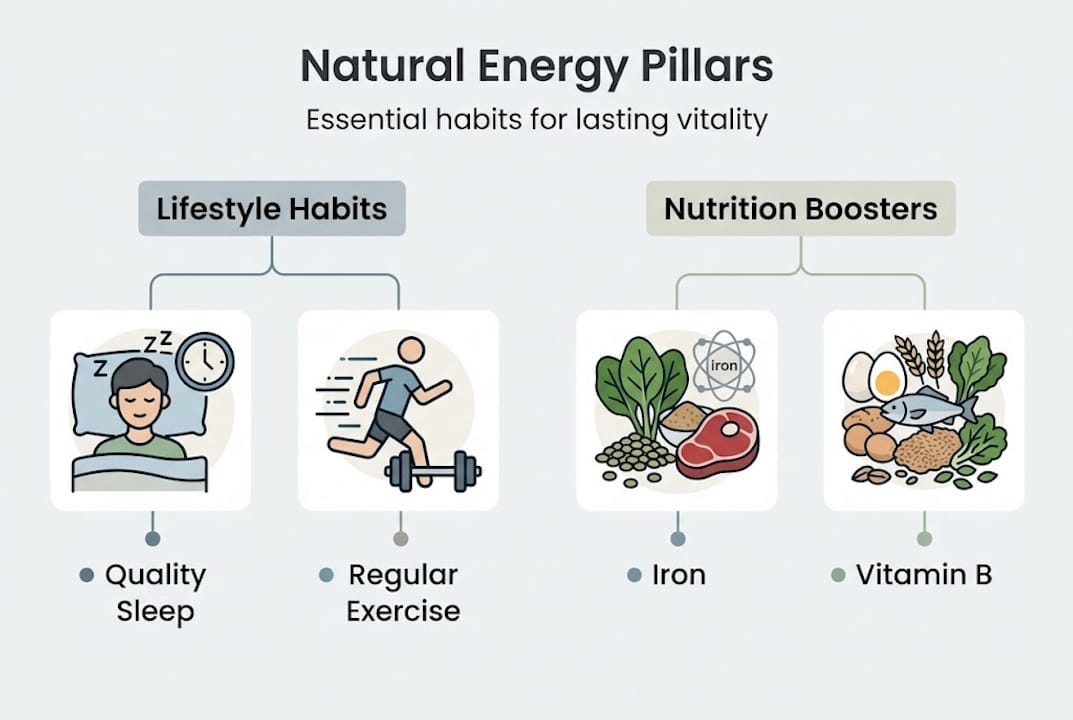
- Achieving lasting energy requires proper sleep, nutrition, hydration, exercise, and targeted supplements.
- Nutrient deficiencies such as iron, B vitamins, magnesium, and vitamin D significantly contribute to low energy.
- Consistent lifestyle habits and targeted supplementation are more effective than quick fixes or excess supplement use.
You eat well, hit the gym a few times a week, and still feel like you’re running on empty by 2 p.m. That frustration is more common than you might think, and it’s usually not about willpower or effort. Real, lasting energy comes from a layered approach that includes quality sleep, dialed-in nutrition, smart lifestyle habits, and targeted supplementation. This guide breaks down each of those layers in practical, evidence-backed steps so you can stop chasing quick fixes and start building the kind of vitality that holds up through workouts, long workdays, and everything in between.
Table of Contents
- Understanding your energy: What really drives vitality
- Step 1: Address nutrition and root deficiencies first
- Step 2: Implement lifestyle strategies for sustainable energy
- Step 3: Smart supplement strategies for active lifestyles
- Our perspective: Why ‘more’ is rarely better for energy
- Next steps: Support your energy journey with Nutribliss
- Frequently asked questions
Key Takeaways
| Point | Details |
|---|---|
| Master your basics | Quality sleep, good nutrition, and regular movement are the foundation of higher energy levels. |
| Fix deficiencies first | Address iron, B vitamin, magnesium, or vitamin D gaps with testing and targeted supplements if needed. |
| Use supplements wisely | Only supplement when necessary and time intake for optimal effect rather than overusing products. |
| Balance with habits | Daily routines like pacing activities and managing stress are essential for sustainable energy. |
| Verify with results | Track changes in how you feel to measure what works, and adjust your approach accordingly. |
Understanding your energy: What really drives vitality
Before you can fix low energy, you need to understand where energy actually comes from. At the cellular level, your body produces a molecule called ATP (adenosine triphosphate), which is the fuel your muscles, organs, and brain use to function. ATP is manufactured inside structures called mitochondria, and the efficiency of that process depends heavily on how well you sleep, what you eat, how hydrated you are, and whether you move regularly.
Sleep is the most underrated energy lever most people have. During deep sleep stages, your body actively repairs tissues, regulates hormones, and restores ATP reserves. Research shows that 7-9 hours of quality sleep nightly enhances ATP production and tissue repair, directly boosting daily energy. Cutting even one hour of sleep over several days creates what scientists call “sleep debt,” which compounds fatigue and tanks cognitive performance far faster than most people realize.
Exercise plays a similar role, though it feels counterintuitive. You might feel tired after a session, but that’s acute fatigue. Over time, regular movement like walking or yoga increases mitochondrial efficiency and the body’s capacity to generate energy. Think of it as training your energy engine to run more powerfully. Sedentary people actually have less efficient mitochondria, which is one reason they feel drained by ordinary tasks.
It’s worth distinguishing between acute fatigue and chronic fatigue. Acute fatigue is normal. It’s the tiredness after a hard workout or a busy day, and it resolves with rest. Chronic fatigue, on the other hand, persists regardless of how much you sleep or rest. That pattern signals something deeper, often a nutritional deficiency, poor sleep quality, or an unsustainable lifestyle pace.
The table below captures the five main pillars of energy and how each one contributes:
| Energy pillar | How it helps | What happens when it’s lacking |
|---|---|---|
| Sleep | Restores ATP, repairs tissue, regulates hormones | Brain fog, irritability, reduced performance |
| Nutrition | Provides fuel and micronutrients for cellular energy | Fatigue, weakness, poor recovery |
| Hydration | Supports blood flow and nutrient delivery | Even mild dehydration causes tiredness |
| Exercise | Builds mitochondrial efficiency over time | Poor stamina, energy crashes |
| Supplementation | Fills nutritional gaps, supports performance | Depends on which deficiency exists |
If you’re already working on sustaining energy without caffeine, this foundation is exactly where to start. Getting these five pillars right creates conditions where supplements and other strategies actually work.
Step 1: Address nutrition and root deficiencies first
The most overlooked cause of chronic low energy is a nutrient deficiency quietly working in the background. Most people reach for another cup of coffee when what their body is actually screaming for is iron, magnesium, or vitamin B12.
Research from Harvard confirms that iron, B vitamins, magnesium, and vitamin D are the four most critical nutrients for energy metabolism. Each plays a distinct role:
- Iron carries oxygen in the blood via hemoglobin. Without enough iron, your muscles and brain receive less oxygen, causing that heavy, sluggish feeling. Iron deficiency anemia is particularly common in women of reproductive age.
- B vitamins (especially B12 and B6) are essential for converting food into usable energy. B12 deficiency is common in vegans, vegetarians, and older adults, and it can cause profound fatigue before any other symptoms appear.
- Magnesium is required for over 300 enzymatic reactions, including the conversion of glucose into ATP. Low magnesium often causes muscle cramps, poor sleep, and persistent tiredness.
- Vitamin D supports muscle function and immune health. Deficiency is widespread, especially in people who spend most of their time indoors, and it correlates strongly with fatigue and low mood.
The challenge is that deficiency symptoms overlap significantly. Fatigue, brain fog, and weakness could point to any of the above. That’s why testing matters more than guessing.
| Nutrient | Common deficiency symptoms | How to detect |
|---|---|---|
| Iron | Fatigue, pale skin, shortness of breath | Serum ferritin + CBC blood test |
| Vitamin B12 | Weakness, memory issues, tingling hands | Serum B12 blood test |
| Magnesium | Cramps, insomnia, irritability | RBC magnesium blood test |
| Vitamin D | Fatigue, low mood, muscle weakness | 25-hydroxyvitamin D test |
Getting a full panel run by your doctor is the smartest first move before buying any supplement. You can also explore iron supplements for energy to understand when and how iron supplementation is appropriate.
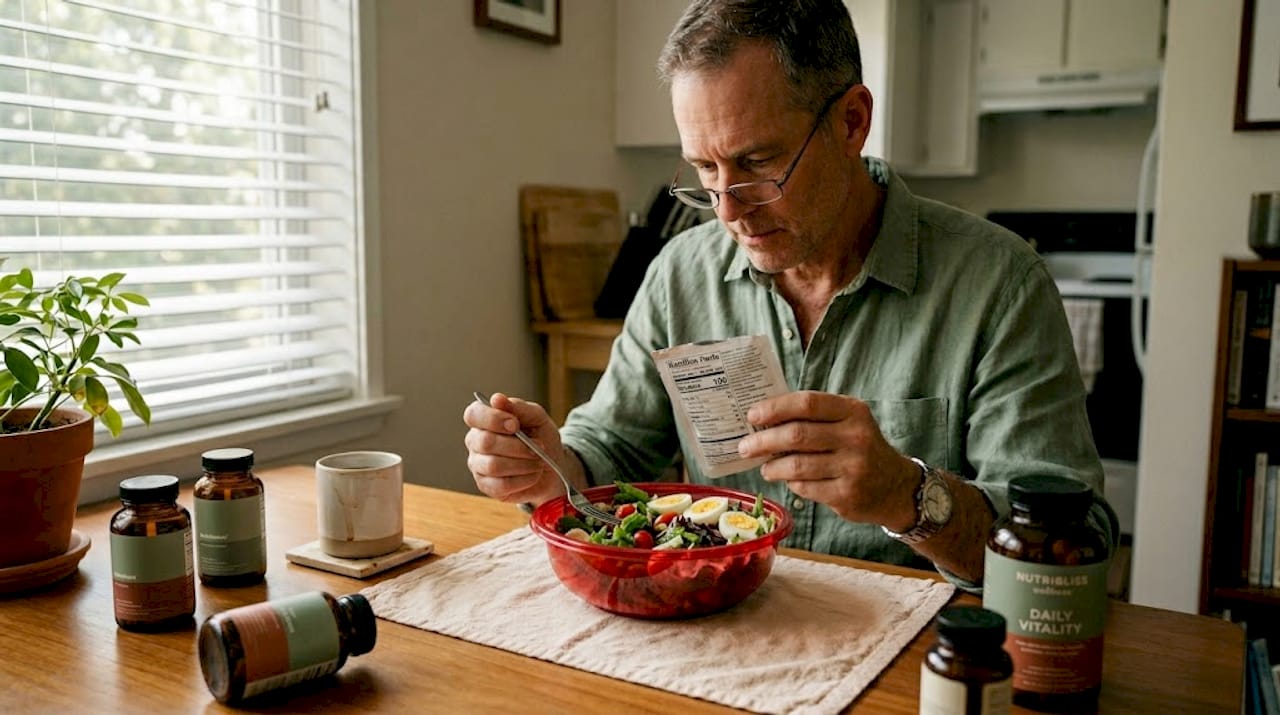
Pro Tip: Food-first always makes sense. Leafy greens, legumes, eggs, fatty fish, and nuts cover a wide range of these nutrients. But if a lab test confirms a deficiency, food alone often can’t correct it fast enough. That’s when targeted supplementation earns its place.
A few more nutrients worth mentioning: zinc supports immune function and metabolic rate; coenzyme Q10 (CoQ10) plays a direct role in mitochondrial energy production and is worth considering for people over 40 or those on statins; and omega-3 fatty acids reduce inflammation that can contribute to chronic fatigue. None of these replace the big four, but they round out a complete nutritional strategy.
Step 2: Implement lifestyle strategies for sustainable energy
Once nutritional gaps are identified and addressed, the next highest-leverage move is building lifestyle habits that keep energy stable across the whole day. This is where most plans fall apart, because people try to do too much too fast.
A practical framework for managing daily energy is known as the 4 P’s: Planning, Pacing, Prioritizing, and Positioning. Research supports pacing strategies as a way to avoid boom-bust energy cycles, where you push too hard on a good day and crash for two days afterward. Here’s how to apply it:
- Plan your week in advance. Identify your highest-energy windows (usually morning for most people) and schedule demanding tasks there. Save routine or low-effort tasks for your afternoon slump.
- Pace your effort throughout the day. Take a 5-minute break every 45-60 minutes, especially if you do mentally demanding work. Short breaks restore focus and prevent energy drain.
- Prioritize ruthlessly. Not every task deserves equal energy. Identify the three things that matter most each day and protect your capacity for those.
- Position your body. Poor posture, sedentary desk work, and lack of sunlight all sap energy. Even a 10-minute outdoor walk at midday resets cortisol rhythm and boosts alertness.
- Start exercise small. If fatigue is making workouts feel impossible, start with just 5 minutes. Seriously. A 5-minute walk removes the psychological barrier and usually leads to 10 or 20 minutes more once you’re moving.
- Protect sleep consistency. A fixed wake time, even on weekends, anchors your circadian rhythm and dramatically improves how rested you feel. Irregular sleep schedules are one of the most common hidden causes of daytime fatigue.
For runners, cyclists, and gym regulars, the temptation is to push harder when energy dips. That often backfires. A deload week, better sleep, or a strategic rest day does more for long-term performance than grinding through fatigue.
If you’re looking for ways to maintain that output without relying on stimulants, learning to manage energy without caffeine is a skill worth developing alongside your training.
Pro Tip: For two weeks, keep a simple energy log. Rate your energy from 1 to 10 at three points in the day: morning, midday, and evening. Note what you ate, how you slept, and whether you exercised. Patterns appear quickly, and they tell you far more than any generic advice ever could.
Stress management also belongs in this section. Chronic stress elevates cortisol, which disrupts metabolism and essentially burns through your energy reserves even when you’re sitting still. Yoga, meditation, breathwork, or even regular walks in nature all reduce cortisol and improve daily vitality.
Step 3: Smart supplement strategies for active lifestyles
With your nutritional foundation solid and your lifestyle habits dialed in, targeted supplementation becomes a genuine multiplier. The key word is “targeted.” Supplements work best when they’re matched to a specific gap or performance goal, not taken indiscriminately.
Here’s a practical breakdown by need:
- Caffeine (for performance and focus): Strategic caffeine intake at 3-6 mg per kilogram of body weight, taken 45-60 minutes before exercise, significantly boosts endurance, power output, and movement velocity. For a 165-pound (75 kg) athlete, that’s roughly 225 to 450 mg. Time it right and it’s one of the most effective legal performance enhancers available.
- Protein (for recovery and strength): A network meta-analysis of 35 RCTs involving 991 athletes found that protein supplementation produced the strongest effect on strength gains (SMD = 0.64), making it the top priority for anyone lifting weights or doing high-volume training.
- Creatine (for explosive power): The same meta-analysis found creatine improved sprint and jump performance (SMD = 0.30). Creatine works by rapidly regenerating ATP during high-intensity efforts, making it especially useful for strength athletes and team sport players.
- Beta-alanine (for muscular endurance): Beta-alanine showed an SMD of 0.41 for explosive performance and helps buffer the lactic acid buildup that causes that burning sensation during intense efforts. Best suited for sports with repeated sprint demands.
- Electrolytes (for hydration and endurance): Sodium, potassium, and magnesium lost through sweat need to be replaced during long sessions. Electrolyte supplements prevent the energy crash that comes with even mild dehydration.
- Adaptogens (for stress-related fatigue): Ashwagandha and rhodiola rosea show genuine promise for reducing cortisol and improving energy in people dealing with chronic stress, though they work best as part of a broader strategy.
Understanding caffeine dosing for energy and learning about protein intake timing will help you use these tools with precision rather than guesswork.
One critical note: more is not better with supplements. High-dose iron in someone who isn’t deficient can cause toxic overload. Excessive caffeine disrupts sleep, which defeats the entire purpose. Even protein in amounts far beyond what your body can synthesize adds stress to your kidneys without benefit. The best supplement stack is a lean, purposeful one built around your actual test results and performance goals.
Our perspective: Why ‘more’ is rarely better for energy
Here’s something the supplement industry doesn’t want you to hear: most people already have access to everything they need to feel genuinely energized, and it has nothing to do with the latest pre-workout formula.
We’ve seen it repeatedly. An athlete stacks five different supplements, trains twice a day, and wonders why they’re exhausted. The answer is almost always the same. They’re sleeping six hours, skipping meals, or managing chronic stress poorly. Adding more on top of a broken foundation never works.
The real differentiator is not how many products you take. It’s how consistently you protect sleep, how honestly you address your deficiencies (through testing, not guessing), and how smartly you pace your effort. These basics are unsexy, which is exactly why people skip them in favor of advanced hacks.
Our honest take: a well-timed protein shake and a confirmed magnesium deficiency corrected will do more for your energy than $200 worth of supplements layered on poor sleep. Explore best supplements for recovery to see how targeted choices support a strong foundation without overwhelming it.
The most powerful energy booster is a balanced, consistent routine. Not any one pill or powder.
Next steps: Support your energy journey with Nutribliss
Ready to take action? Nutribliss offers a curated lineup of science-driven supplements designed to support real energy, from clean protein powders and electrolyte formulas to vitamins, minerals, and sleep aids that complement everything covered in this guide.
Every product in our catalog is selected with the same evidence-based approach you just read about. You can explore the science behind superfoods to understand exactly how each ingredient earns its place, or browse the full Nutribliss supplements collection to find products matched to your specific goals. Whether you’re addressing a deficiency, fueling performance, or improving recovery, there’s a clear, purposeful next step waiting for you.
Frequently asked questions
What is the fastest way to boost my energy naturally?
A brisk walk, a glass of water, or a 20-minute nap can provide immediate relief, but regular movement and consistent sleep are what deliver lasting, all-day vitality over time.
Which vitamins help most with energy?
Iron, B vitamins, magnesium, and vitamin D are the most critical for energy production, but always confirm through blood testing before starting supplementation.
Does caffeine actually increase energy, and how much is safe?
Yes. Strategic caffeine at 3-6 mg/kg taken 45-60 minutes before activity is both effective and safe for healthy, active adults when used consistently without overuse.
How does stress affect my energy levels?
Chronic stress elevates cortisol and disrupts your metabolism, draining energy even at rest. Stress management practices like yoga and outdoor walks reduce cortisol and meaningfully restore daily vitality over time.
Can overusing supplements hurt my energy?
Absolutely. Excess supplementation such as too much iron can cause toxicity or hormonal disruption. Supplement only what your lab results indicate you actually need.