

Endurance athletes face a crowded supplement market where claims often exceed evidence. With hundreds of products promising faster times and better recovery, separating science from marketing becomes critical. This article cuts through the noise by examining supplements with robust research backing for endurance performance. You’ll learn evaluation criteria, optimal dosing protocols, and practical implementation strategies to make informed decisions that align with your training goals in 2026.
Table of Contents
- How To Evaluate Supplements For Endurance Performance
- Caffeine: The Gold Standard Endurance Enhancer
- Dietary Nitrates: Enhancing Muscular Endurance And Time To Exhaustion
- HMB: Boosting Endurance And Aerobic Capacity
- Rhodiola Rosea: An Adaptogen For Endurance And Recovery
- Ketogenic Supplements: Fat Oxidation And Endurance Efficiency
- Comparing Top Endurance Supplements: Efficacy And Use Cases
- Enhance Your Endurance With NutriBliss Supplements
Key takeaways
| Point | Details |
|---|---|
| Caffeine improves performance | Enhances time-trial completion and reduces perceived exertion at 3-6 mg/kg bodyweight. |
| Dietary nitrates boost endurance | Increases time to exhaustion but shows mixed results in elite athletes. |
| HMB supports aerobic capacity | Three grams daily improves VO2max and reduces muscle breakdown. |
| Rhodiola rosea aids recovery | Over 600 mg daily enhances oxygen uptake and reduces oxidative stress. |
| Ketogenic supplements promote fat use | Improves fat oxidation but may cause gastrointestinal discomfort. |
How to evaluate supplements for endurance performance
Selecting effective supplements requires understanding evidence quality and individual response patterns. Efficacy varies by elite versus recreational athletes, dosing, timing, and sport type, making blanket recommendations unreliable. Strong evidence comes from multiple randomized controlled trials showing consistent benefits across diverse populations. Mixed evidence suggests benefits exist but with significant variability based on athlete status or protocol details.
Dose and timing dramatically impact outcomes. A supplement that works at 300 mg might do nothing at 150 mg. Similarly, taking a pre-workout compound 15 minutes before exercise versus 60 minutes can mean the difference between peak performance and wasted money. Elite athletes often show blunted responses compared to recreational athletes due to physiological adaptations from years of training.
Individual testing during training sessions reduces race day risks. Gastrointestinal distress, jitters, or performance decrements can derail months of preparation. Testing allows you to identify optimal doses and timing windows specific to your physiology. Avoid proprietary blends that hide ingredient amounts, as they frequently under-dose active compounds to cut costs while maintaining label appeal.
Key evaluation criteria include:
- Strength of scientific evidence across multiple studies
- Appropriate dosing based on bodyweight and timing protocols
- Individual tolerance and response during training trials
- Transparency of ingredient amounts and quality sourcing
- Relevance to your specific endurance discipline and intensity
Pro Tip: Start with one supplement at a time during training to isolate effects and identify any negative responses before adding others to your regimen.
When personalizing your supplement plan, prioritize compounds with the strongest evidence for your event type. Time trials benefit most from central nervous system stimulants, while ultra-endurance events may favor metabolic efficiency enhancers.
Caffeine: the gold standard endurance enhancer
Caffeine stands as the most consistently effective ergogenic aid for endurance athletes. Research shows 3-6 mg/kg bodyweight taken 60 minutes pre-exercise improves time-trial performance, power output, and reduces perceived exertion. For a 70 kg athlete, this translates to 210-420 mg, roughly two to four cups of strong coffee.
The mechanism centers on central nervous system stimulation. Caffeine blocks adenosine receptors in the brain, reducing fatigue signals and allowing you to maintain higher intensity longer. This effect proves particularly valuable during the final stages of races when mental fatigue typically degrades physical output. Unlike many supplements with narrow application windows, caffeine benefits activities ranging from 5K runs to century rides.
Dosing precision matters significantly. Too little provides minimal benefit, while excessive amounts trigger anxiety, tremors, and potential performance decrements. Individual tolerance varies based on habitual consumption patterns. Regular coffee drinkers may need higher doses to achieve the same effects as occasional users, though chronic high-dose use can lead to dependence and withdrawal symptoms.
Optimal caffeine strategies include:
- Calculate dose based on bodyweight, not arbitrary amounts
- Time intake 60 minutes before key efforts for peak blood levels
- Test tolerance during training, not competition
- Consider caffeine-free periods before major events to restore sensitivity
- Monitor sleep quality, as late-day use disrupts recovery
Pro Tip: Caffeine gum or mints provide faster absorption than pills or coffee, making them ideal for mid-race boosts during ultra-endurance events.
Caffeine pairs well with other essential supplements for athletes without significant interaction concerns. Its safety profile and decades of research make it the first supplement most endurance athletes should consider.
Dietary nitrates: enhancing muscular endurance and time to exhaustion
Dietary nitrates from beetroot juice or concentrated supplements offer a different performance pathway than stimulants. Consuming at least 6 mmol nitrates daily for over three days increases time to exhaustion and improves muscular endurance metrics. The body converts nitrates to nitric oxide, which enhances vasodilation and mitochondrial efficiency.
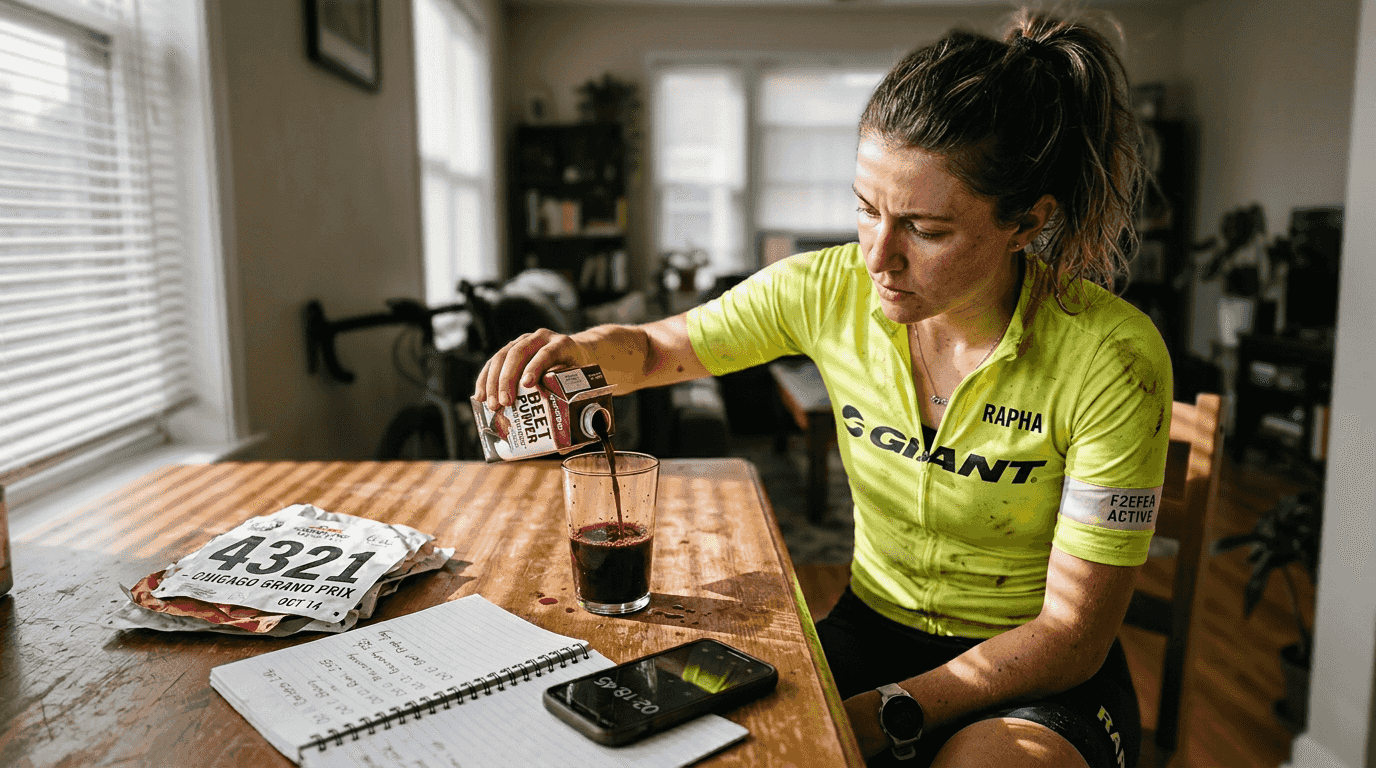
This mechanism proves most effective for submaximal efforts lasting several minutes to hours. Nitrates improve oxygen delivery to working muscles and reduce the oxygen cost of exercise, allowing you to sustain higher workloads before fatigue. The effects accumulate with chronic supplementation, reaching peak benefits after five to seven days of consistent intake.
Elite athletes show inconsistent responses compared to recreational competitors. Well-trained individuals may already possess optimized nitric oxide production and vascular function, leaving less room for improvement. Time-trial performance in highly trained athletes often shows no benefit, while less trained individuals demonstrate clear advantages. This doesn’t invalidate nitrates but highlights the importance of individual testing.
Effective nitrate protocols include:
- Consume 6-12 mmol daily from beetroot juice or concentrated shots
- Begin supplementation five to seven days before key events
- Take the final dose two to three hours pre-exercise
- Monitor for gastrointestinal tolerance during training
- Consider nitrate-rich whole foods like arugula and spinach as alternatives
Variable responses and potential nitrate tolerance development make training trials essential. Some athletes experience significant endurance gains while others notice minimal effects. Understanding sports supplement benefits requires moving beyond general claims to personalized testing.
HMB: boosting endurance and aerobic capacity
Beta-hydroxy beta-methylbutyrate, commonly called HMB, functions as an anti-catabolic agent that reduces muscle protein breakdown. Taking 3 grams daily for two to twelve weeks improves endurance performance and maximal oxygen uptake. While traditionally associated with strength training, emerging research demonstrates clear aerobic benefits.
The mechanism involves reducing exercise-induced muscle damage and accelerating recovery between training sessions. By limiting protein breakdown, HMB allows for more consistent high-quality training without excessive soreness or fatigue accumulation. This proves particularly valuable during heavy training blocks when athletes push volume and intensity simultaneously.
VO2max improvements with HMB supplementation range from 2-5% depending on training status and duration. These gains translate to meaningful performance improvements in events where aerobic capacity limits output. The supplement shows good tolerability with minimal side effects reported across multiple studies.
HMB implementation strategies include:
- Split 3 grams into three 1-gram doses throughout the day
- Maintain consistent daily intake for at least four weeks
- Combine with adequate protein intake for synergistic effects
- Expect gradual improvements rather than acute performance boosts
- Continue supplementation through heavy training periods
HMB works through different pathways than caffeine or nitrates, making it compatible for stacking. Athletes seeking to optimize both performance and recovery should consider HMB alongside other athletic supplements explained in comprehensive guides.
Rhodiola rosea: an adaptogen for endurance and recovery
Rhodiola rosea represents the adaptogen category, compounds that help the body resist various stressors. Doses exceeding 600 mg daily enhance VO2max, delay time to exhaustion, and reduce oxidative stress markers. Unlike acute performance enhancers, adaptogens work through chronic supplementation to improve stress resilience.
The mechanisms involve modulating cortisol responses and enhancing antioxidant enzyme activity. Intense endurance training generates significant oxidative stress that can impair recovery and suppress immune function. Rhodiola’s antioxidant properties help neutralize free radicals while supporting the body’s natural defense systems. This dual action promotes both performance and health.
Maximal oxygen uptake improvements with Rhodiola supplementation typically range from 3-7% after several weeks of consistent use. The adaptogen also reduces perceived exertion during submaximal efforts, allowing athletes to maintain higher intensities with less discomfort. Recovery markers including creatine kinase and lactate dehydrogenase show favorable changes, indicating reduced muscle damage.
Effective Rhodiola protocols include:
- Use standardized extracts containing 3% rosavins and 1% salidroside
- Take 600-900 mg daily, split into two doses
- Allow two to four weeks for full adaptogenic effects to develop
- Time one dose 30-60 minutes before training sessions
- Cycle supplementation with four weeks on, one week off
Pro Tip: Rhodiola works best when combined with adequate sleep and nutrition, as adaptogens enhance recovery processes rather than replacing them.
The compound pairs well with other natural performance-enhancing supplements without significant interactions. Its recovery benefits complement acute performance enhancers like caffeine.
Ketogenic supplements: fat oxidation and endurance efficiency
Exogenous ketones and medium-chain triglycerides represent metabolic modulators that shift fuel utilization toward fat oxidation. These supplements improve fat metabolism and endurance capacity but may cause gastrointestinal issues and show variable responses at high intensities. They work best for ultra-endurance athletes or those following ketogenic diets.
The mechanism involves providing alternative fuel sources that spare muscle glycogen during prolonged exercise. Ketone esters raise blood ketone levels acutely, while MCT oils provide readily available fats that convert to ketones. This metabolic flexibility proves most valuable during events lasting several hours where glycogen depletion becomes performance-limiting.
Benefits appear greatest in fat-adapted athletes who have trained their bodies to efficiently utilize fats. Non-adapted athletes often experience minimal performance gains and may suffer decreased high-intensity capacity. The supplements also carry significant gastrointestinal distress risk, with nausea, cramping, and diarrhea reported frequently in research trials.
Ketogenic supplement considerations include:
- Start with small doses to assess tolerance before events
- Expect diminished benefits during high-intensity efforts above lactate threshold
- Consider cost versus benefit, as quality ketone esters remain expensive
- Combine with adequate electrolyte intake to prevent imbalances
- Reserve use for ultra-endurance events over four hours
Careful cycling of supplements helps athletes determine optimal timing and dosing for ketogenic compounds. Most endurance athletes will find greater benefit from proven options like caffeine and nitrates before exploring ketogenic supplements.
| Supplement | Primary Mechanism | Typical Dose | Best For | Key Caution |
|---|---|---|---|---|
| Caffeine | CNS stimulation | 3-6 mg/kg 60 min pre-exercise | Time trials, races under 3 hours | Individual tolerance varies |
| Dietary Nitrates | Nitric oxide, vasodilation | 6-12 mmol daily for 5-7 days | Submaximal endurance, recreational athletes | Mixed results in elites |
| HMB | Anti-catabolic, recovery | 3 g daily for 2-12 weeks | Training blocks, VO2max improvement | Requires consistent use |
| Rhodiola Rosea | Adaptogen, antioxidant | 600-900 mg daily | Stress resilience, recovery | Takes weeks to work |
| Ketogenic Supplements | Fat oxidation | Variable by product | Ultra-endurance, fat-adapted athletes | GI distress common |
Comparing top endurance supplements: efficacy and use cases
Selecting the right supplements depends on event demands, training status, and individual response patterns. Caffeine offers the most universal benefits across endurance disciplines, making it the foundational choice for most athletes. Its acute effects, extensive research base, and favorable cost-benefit ratio justify priority placement in any supplement strategy.
Nitrates work best for recreational to intermediate athletes competing in events lasting 30 minutes to three hours. The submaximal intensity benefits align perfectly with marathon, half-marathon, and Olympic-distance triathlon demands. Elite athletes should test nitrates individually, as responses prove highly variable at the highest competition levels.
HMB serves athletes prioritizing training consistency and aerobic development over acute race-day performance. The supplement shines during heavy training blocks when recovery becomes the limiting factor for adaptation. Combining HMB with adequate protein intake maximizes its anti-catabolic effects.
Rhodiola rosea targets athletes dealing with high training stress, frequent competitions, or recovery challenges. The adaptogenic properties support long-term performance sustainability rather than single-event optimization. Consider Rhodiola when training volume increases or during competition-dense periods.
Ketogenic supplements remain niche options for ultra-endurance specialists or athletes committed to low-carbohydrate approaches. The gastrointestinal risks and high costs limit widespread applicability. Most athletes achieve better results optimizing carbohydrate and caffeine strategies before exploring ketogenic compounds.
Situational recommendations include:
- Sprint to Olympic distance: Caffeine as primary, nitrates as secondary
- Marathon to ultra-marathon: Caffeine plus HMB or Rhodiola for recovery
- Stage races: HMB and Rhodiola to manage cumulative fatigue
- High-intensity training blocks: HMB to support adaptation and limit breakdown
- Ultra-endurance events: Caffeine with potential ketogenic support for fat-adapted athletes
Stacking supplements requires attention to mechanisms and timing. Caffeine and nitrates work through different pathways without negative interactions. HMB and Rhodiola both support recovery through distinct mechanisms, making them complementary. Avoid combining multiple stimulants or compounds with similar mechanisms to prevent diminishing returns.
Compare your needs against top supplements for men to identify additional health-supporting compounds beyond performance-specific options. Comprehensive supplementation addresses both immediate performance and long-term wellness.
Enhance your endurance with NutriBliss supplements
Optimizing endurance performance requires more than single-nutrient supplementation. Successful athletes address hydration, recovery, and sleep alongside targeted ergogenic aids. NutriBliss electrolytes supplement provides the sodium, potassium, and magnesium balance critical for maintaining performance during long efforts. Proper electrolyte status prevents cramping and supports the cardiovascular function necessary for sustained output.

Recovery determines training consistency and adaptation quality. The recovery supplements collection supports muscle repair and reduces inflammation between sessions. Quality sleep amplifies all training and supplementation efforts. The sleep formula supplement helps athletes achieve the deep, restorative sleep necessary for peak performance. Explore these science-backed options to build a comprehensive supplement strategy for 2026.
FAQ
What is the best time to take caffeine for endurance?
Take caffeine about 60 minutes before exercise at 3-6 mg/kg bodyweight for optimal blood levels during key efforts. This timing allows absorption and distribution while avoiding premature peak levels. Testing during training helps identify your personal response window, as individual metabolism varies by 30-60 minutes around this average.
Are nitrates effective for elite endurance athletes?
Nitrates show mixed results in elite athletes and may not improve time-trial performance despite benefiting time to exhaustion. Well-trained individuals often possess optimized vascular function, leaving less room for nitrate-induced improvements. Individual testing during training sessions remains the only reliable way to determine personal responsiveness.
How long does HMB take to improve endurance?
HMB requires consistent daily supplementation for at least two to four weeks before measurable endurance improvements appear. The anti-catabolic effects accumulate gradually as muscle protein breakdown decreases and recovery quality improves. Expect peak benefits after eight to twelve weeks of continuous use during training.
Can I combine multiple endurance supplements safely?
Combining supplements with different mechanisms like caffeine and nitrates proves safe and potentially synergistic. Avoid stacking multiple stimulants or compounds targeting identical pathways to prevent diminishing returns or adverse effects. Start with one supplement, establish effectiveness and tolerance, then add others systematically while monitoring responses.
How can I personalize my supplement stack for endurance sports?
Start with well-supported supplements like caffeine and HMB, then use training sessions to test efficacy and adjust doses. Consider your event type, intensity demands, and recovery needs when selecting additional compounds. Avoid under-dosed proprietary blends that hide ingredient amounts. Consult expert resources for personalizing your supplement stack to optimize your individual protocol.