

Almost one in five American women aged 25 to 45 experience iron deficiency, silently draining their energy and focus while they juggle busy routines. Feeling constantly tired or finding exercise more challenging are signs your body may not be getting enough of this vital mineral. Understanding how iron impacts wellness and knowing the warning signs can help active women make smarter choices about nutrition and supplementation for daily strength and vitality.
Table of Contents
- What Is Iron Deficiency And Why It Happens
- Recognizing Symptoms And Impact On Daily Life
- Types Of Iron Supplements And Absorption
- How To Use Supplements Safely And Effectively
- Potential Risks, Side Effects, And Alternatives
Key Takeaways
| Point | Details |
|---|---|
| Understanding Iron Deficiency | Iron deficiency affects around 20% of women aged 25-45, leading to reduced red blood cell production and essential health issues. |
| Recognizing Symptoms | Common symptoms include fatigue, shortness of breath, and mood changes, necessitating prompt recognition for effective management. |
| Supplementing Safely | Consult a healthcare professional before starting iron supplements to determine the appropriate type and dosage for your needs. |
| Exploring Alternatives | Dietary changes and intravenous treatments are viable alternatives to oral supplementation, especially for severe deficiencies requiring medical supervision. |
What Is Iron Deficiency and Why It Happens
Iron deficiency is a widespread nutritional challenge that quietly undermines millions of women’s health and energy levels every year. At its core, iron deficiency occurs when your body cannot produce enough healthy red blood cells due to insufficient iron levels. This medical condition impacts approximately 20% of women between ages 25-45, making it a critical health concern.
The human body requires iron to produce hemoglobin, the protein in red blood cells responsible for transporting oxygen throughout your system. When iron levels drop, your blood becomes less efficient at delivering oxygen to tissues and organs, which can trigger a cascade of health complications. Iron-deficiency anemia develops when these iron shortages become persistent, leading to symptoms like chronic fatigue, weakness, and reduced physical performance.
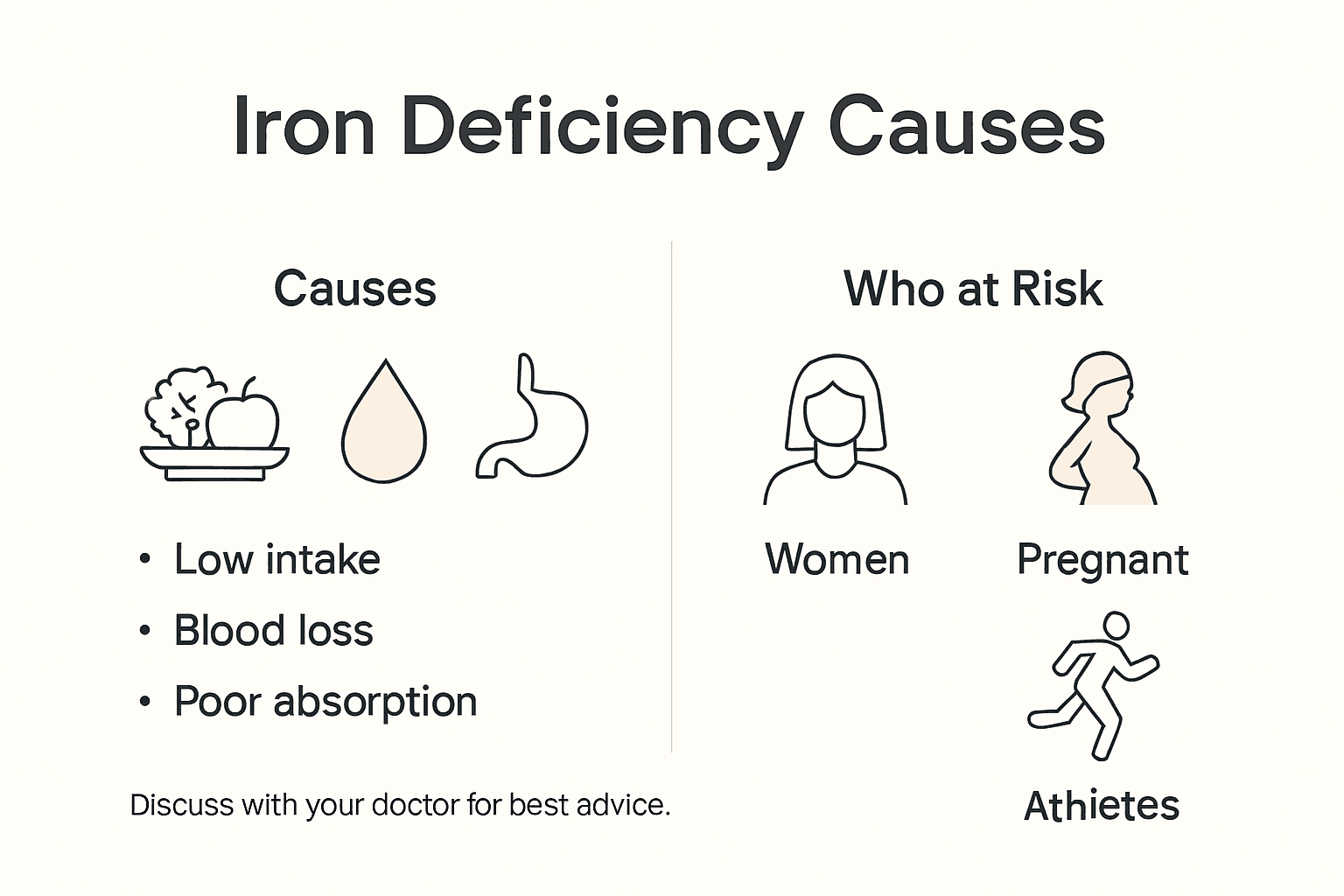
Multiple factors can trigger iron deficiency, including:
- Heavy menstrual periods
- Inadequate dietary iron intake
- Pregnancy and breastfeeding
- Gastrointestinal disorders affecting nutrient absorption
- Chronic internal bleeding
- Vegetarian or vegan dietary restrictions
For women navigating busy professional and personal lives, understanding these underlying causes becomes crucial. The body’s iron requirements fluctuate based on age, lifestyle, and individual health conditions. Recognizing early warning signs allows for proactive nutritional management and prevents more serious health complications.
Pro tip: Consider tracking your iron intake through a food diary and discuss your results with a healthcare professional to develop a personalized nutritional strategy for #nutribliss wellness.
Recognizing Symptoms and Impact on Daily Life
Iron deficiency can silently disrupt your daily performance, creating a complex web of symptoms that gradually diminish your overall quality of life. Symptoms of iron deficiency anemia emerge subtly, often mistaken for typical stress or aging, making early detection challenging for many women juggling multiple responsibilities.
The most common symptoms that signal potential iron deficiency include:
- Persistent and overwhelming fatigue
- Unusual shortness of breath during routine activities
- Unexplained headaches
- Increased irritability and mood fluctuations
- Pale or unusually yellowish skin tone
- Brittle and ridged fingernails
- Unexpected cravings for non-food items (a condition called pica)
- Frequent dizziness
- Cold hands and feet
Iron deficiency can profoundly impact daily functioning, transforming seemingly simple tasks into significant challenges. Women might experience reduced cognitive performance, decreased physical stamina, and emotional strain. Workplace productivity, exercise routines, and personal relationships can all suffer when iron levels remain consistently low.

Recognizing these symptoms early allows for proactive intervention. Women should pay close attention to their body’s signals and understand that persistent fatigue is not just a normal part of a busy lifestyle. Consulting healthcare professionals for comprehensive blood testing can help identify and address iron deficiency before it significantly disrupts daily life.
Pro tip: Create a symptom tracking journal to document energy levels, physical sensations, and mood changes, which can provide valuable insights for #nutribliss wellness discussions with your healthcare provider.
Types of Iron Supplements and Absorption
Iron supplement varieties play a crucial role in addressing nutritional deficiencies, offering multiple options for women seeking to improve their iron levels. The most common oral iron supplements include ferrous sulfate, ferrous gluconate, and ferrous fumarate, each with unique characteristics that impact absorption and tolerability.
The three primary types of oral iron supplements differ significantly in their composition:
Here’s a quick comparison of common iron supplement types and how they may suit different needs:
| Supplement Type | Elemental Iron Content | Typical Usage Scenario | Common Digestive Effects |
|---|---|---|---|
| Ferrous Sulfate | Moderate | Most frequently prescribed | May cause constipation |
| Ferrous Gluconate | Lower | Better for sensitive stomachs | Mild stomach upset possible |
| Ferrous Fumarate | Highest | Used when rapid improvement needed | Higher risk of GI symptoms |
- Ferrous Sulfate: Most common and typically least expensive
- Ferrous Gluconate: Often better tolerated with fewer digestive side effects
- Ferrous Fumarate: Generally provides higher elemental iron content
Absorption of iron supplements is a complex process influenced by multiple factors. Nutritional research demonstrates that vitamin C can dramatically enhance iron absorption, while substances like calcium, coffee, and certain medications can significantly impede the body’s ability to process iron effectively. Strategic supplement timing and pairing become critical for maximizing nutritional benefits.
The human body absorbs oral iron primarily in the upper small intestine, with absorption rates varying based on individual metabolic factors, existing iron stores, and overall health status. Intravenous iron treatments represent an alternative approach for individuals who cannot tolerate oral supplements or have severe deficiency conditions that require immediate intervention.
Pro tip: Pair your iron supplement with a glass of orange juice or vitamin C source to maximize absorption rates and support #nutribliss wellness goals.
How to Use Supplements Safely and Effectively
Safe iron supplementation requires a strategic approach that balances individual nutritional needs with medical guidance. Understanding the nuanced process of iron absorption and potential interactions can significantly impact the effectiveness of your supplement regimen.
Key guidelines for optimal iron supplement usage include:
- Consult a healthcare professional before starting any supplement
- Take supplements as prescribed, following exact dosage recommendations
- Consider timing of intake to maximize absorption
- Preferably on an empty stomach
- If experiencing digestive issues, take with a small amount of food
- Avoid consuming calcium-rich foods or antacids simultaneously with iron supplements
- Pair iron intake with vitamin C to enhance absorption
Supplementation protocols recommend continuing treatment for several months to fully replenish iron stores. Individual absorption rates vary, making medical supervision crucial to prevent potential complications like iron overload. Women with heavy menstrual cycles, pregnancy, or specific health conditions may require tailored supplementation strategies.
Supplement intake management involves understanding your body’s unique requirements and potential interactions. Blood tests can help determine initial iron levels and guide ongoing supplementation, ensuring you’re addressing deficiency without risking overconsumption.
Pro tip: Create a detailed supplement tracking journal to monitor dosage, timing, and any side effects for comprehensive #nutribliss wellness management.
Potential Risks, Side Effects, and Alternatives
Iron supplement side effects are complex and vary widely among individuals, requiring careful consideration and proactive management. Understanding potential risks empowers women to make informed decisions about their nutritional strategies and overall health approach.
Common side effects of iron supplementation include:
- Constipation
- Nausea and stomach discomfort
- Dark or tarry stools
- Abdominal cramping
- Potential allergic reactions
Serious Risks to monitor include:
- Iron toxicity from excessive supplementation
- Potential organ damage with prolonged high-dose intake
- Interference with absorption of other essential nutrients
- Increased oxidative stress
Alternatives to oral iron supplements can provide safer pathways for addressing iron deficiency. Dietary interventions remain the most natural approach, focusing on consuming iron-rich foods like lean meats, legumes, leafy greens, and pairing them with vitamin C sources to enhance absorption.
To help clarify dietary vs. supplemental approaches, here is a summary of iron management options for women:
| Approach | Description | Medical Supervision Needed | Best For |
|---|---|---|---|
| Dietary Changes | Add iron-rich foods and vitamin C | Not required, but helpful | Mild deficiency, prevention |
| Oral Supplements | Pill or liquid iron intake | Recommended for accuracy | Moderate deficiency |
| IV Iron Treatment | Intravenous iron administration | Strictly required | Severe deficiency, malabsorption |
Some women might require alternative supplementation methods such as intravenous iron treatments, which bypass digestive complications but demand strict medical supervision. These approaches are typically reserved for individuals with severe absorption challenges or chronic conditions preventing traditional oral supplementation.
Pro tip: Consult with a healthcare professional to develop a personalized iron management strategy that balances dietary intake, potential supplements, and your unique #nutribliss wellness goals.
Unlock Your Energy and Focus with Targeted Iron Supplementation
Iron deficiency can drain your vitality and cloud your concentration leaving you overwhelmed by fatigue and daily challenges. This article highlights the importance of choosing the right iron supplements like ferrous sulfate or ferrous fumarate and pairing them with vitamin C to boost absorption and reclaim your well-being. Whether you face heavy menstrual cycles or dietary restrictions embracing a personalized iron strategy is key to restoring your health and productivity.
Discover how Nutribliss.us offers a diverse selection of high-quality iron supplements crafted to support your unique wellness journey.

Take control now and experience renewed energy and sharper focus with supplements tailored for you. Visit our site to explore detailed product descriptions and customer testimonials that can guide your choice. Make your health a priority today by selecting the perfect iron boost from our collection and start feeling the difference.
Frequently Asked Questions
What are the symptoms of iron deficiency?
Iron deficiency symptoms can include persistent fatigue, shortness of breath, headaches, irritability, pale skin, brittle nails, cravings for non-food items, dizziness, and cold extremities.
How can I improve iron absorption when taking supplements?
To maximize iron absorption, take your supplements on an empty stomach or with vitamin C-rich foods like citrus fruits. Avoid taking them with calcium-rich foods, coffee, or antacids, which can inhibit absorption.
What types of iron supplements are available, and how do they differ?
The common types of iron supplements include ferrous sulfate, ferrous gluconate, and ferrous fumarate. Ferrous sulfate is the most common, while ferrous gluconate is often better tolerated, and ferrous fumarate usually contains the highest elemental iron.
What should I do if I experience side effects from iron supplements?
If you experience side effects such as constipation, nausea, or stomach discomfort, consult your healthcare professional. They may suggest adjusting your dosage, trying a different type of supplement, or taking it with food to reduce side effects.