

Most American adults have tried at least one type of energy supplement, yet many still feel daily fatigue affects their productivity. With growing demands at work and home, finding safe ways to improve focus and stamina has never been more important. This guide compares science-backed benefits, risks, and practical advice for choosing energy supplements, helping you make smarter decisions about your health and well-being.
Table of Contents
- Defining Energy Supplements And Their Purpose
- Key Types Of Energy Supplements Available
- How Energy Supplements Work In The Body
- Effectiveness And Scientific Backing Explained
- Potential Risks And Safe Usage Guidelines
Key Takeaways
| Point | Details |
|---|---|
| Energy Supplements Enhance Performance | These products support physical performance and mental alertness through vitamins, minerals, and natural compounds. |
| Diverse Categories Exist | Energy supplements include caffeine-based options, B-complex vitamins, and creatine, each offering unique metabolic benefits. |
| Critical Role of B-Vitamins | B-vitamins are essential for converting nutritional intake into usable energy at the cellular level. |
| Safety and Consultation Recommended | Consumers should consult healthcare professionals before starting supplements and prioritize transparency and safety in product quality. |
Defining Energy Supplements and Their Purpose
Energy supplements represent a specialized category of dietary products designed to enhance physical performance and mental alertness. These nutritional formulations provide targeted support for individuals seeking to optimize their energy levels through scientifically formulated supplements. Unlike traditional caffeine-based stimulants, modern energy supplements leverage a complex blend of vitamins, minerals, and natural compounds to deliver sustained metabolic support.
According to research on dietary supplementation, energy supplements are typically composed of strategic ingredient combinations intended to boost cellular metabolism and improve overall physiological functioning. These products come in multiple formats including tablets, capsules, powders, and liquid solutions, allowing consumers to select the most convenient delivery method for their lifestyle and nutritional needs. The primary goal remains consistent: providing a reliable, controlled mechanism for enhancing personal energy and performance.
The core purpose of energy supplements extends beyond mere momentary stimulation. They aim to support broader metabolic processes, providing nutrients that help the body generate and sustain natural energy production. Athletes, professionals, and wellness-focused individuals often turn to these supplements to bridge nutritional gaps, support consistent performance, and maintain optimal physiological functioning. At #nutribliss, our approach emphasizes comprehensive nutritional support that works in harmony with the body’s inherent energy systems, rather than relying on short-term, artificial stimulation.
Key characteristics of effective energy supplements typically include:
- Balanced combination of B-complex vitamins
- Essential minerals like magnesium and zinc
- Adaptogenic herbs supporting stress resilience
- Natural metabolic enhancers
- Ingredients promoting sustained energy release
Understanding these nuanced supplements requires recognizing that true energy support goes far beyond simple caffeine consumption, focusing instead on holistic nutritional optimization.
Key Types of Energy Supplements Available
Energy supplements encompass a diverse range of nutritional products designed to support metabolic function and enhance physical performance. Energy-boosting supplements represent a sophisticated approach to nutritional support, offering targeted solutions for individuals seeking sustained and balanced energy production.

Researchers have identified several primary categories of energy supplements that provide unique metabolic benefits. Caffeine-based supplements represent one of the most common energy-enhancing options, stimulating the central nervous system and providing rapid alertness. Creatine supplements support high-intensity physical activities, while B-vitamin complexes play a crucial role in converting nutritional intake into usable cellular energy. Green tea extract offers a more balanced approach, delivering moderate caffeine content alongside powerful antioxidant properties.
The biochemical mechanisms of energy supplements vary significantly. B-vitamin supplements are particularly noteworthy, with specific vitamins performing distinct metabolic functions. Thiamine (B1) supports glucose metabolism, riboflavin (B2) assists in processing carbohydrates and fats, and niacin (B3) helps synthesize critical energy-producing coenzymes. At #nutribliss, we recognize that effective energy supplementation goes beyond simple stimulation, focusing instead on comprehensive nutritional support.
Key types of energy supplements include:
- Caffeine and caffeine-derived supplements
- Creatine monohydrate
- B-complex vitamin formulations
- Adaptogenic herbal supplements
- Amino acid energy boosters
- Electrolyte and mineral blends
Understanding these supplement categories allows individuals to make informed choices about their nutritional strategies, selecting products that align with their specific energy requirements and wellness goals.
How Energy Supplements Work in the Body
Energy supplements interact with the body’s complex metabolic systems through intricate biochemical processes designed to optimize cellular energy production. Supplement interactions represent a sophisticated approach to supporting the body’s natural energy generation mechanisms, targeting specific physiological pathways that influence overall metabolic efficiency.
B-vitamin supplements play a critical role in metabolic energy conversion, working at the cellular level to transform nutritional intake into usable energy. Thiamine (B1) facilitates glucose metabolism, riboflavin (B2) assists in processing carbohydrates and fats, and niacin (B3) helps synthesize NAD, a crucial coenzyme essential for energy production. These vitamins act as metabolic catalysts, enabling more efficient conversion of nutrients into cellular energy.
Vitamin and mineral supplements also influence energy production through multiple physiological mechanisms. Vitamin D, for instance, plays a significant role in muscle function and mood regulation, with low levels potentially contributing to fatigue and reduced energy levels. At #nutribliss, we understand that effective energy supplementation requires a holistic approach that addresses multiple aspects of metabolic functioning.
Key biochemical pathways involved in energy supplement metabolism include:
- Mitochondrial energy production
- Cellular glucose metabolism
- Protein and amino acid conversion
- Hormonal regulation of metabolic processes
- Enzyme activation and cofactor support
- Oxidative stress reduction
Understanding these intricate mechanisms helps individuals appreciate how targeted nutritional supplementation can support their body’s natural energy production systems, potentially enhancing overall physical and mental performance.
Effectiveness and Scientific Backing Explained
Scientific research provides critical insights into the complex world of energy supplements, revealing both promising potential and necessary nuanced understanding. Supplement effectiveness depends on multiple factors, including ingredient quality, precise formulation, and individual metabolic responses, challenging the notion of universal performance enhancement.
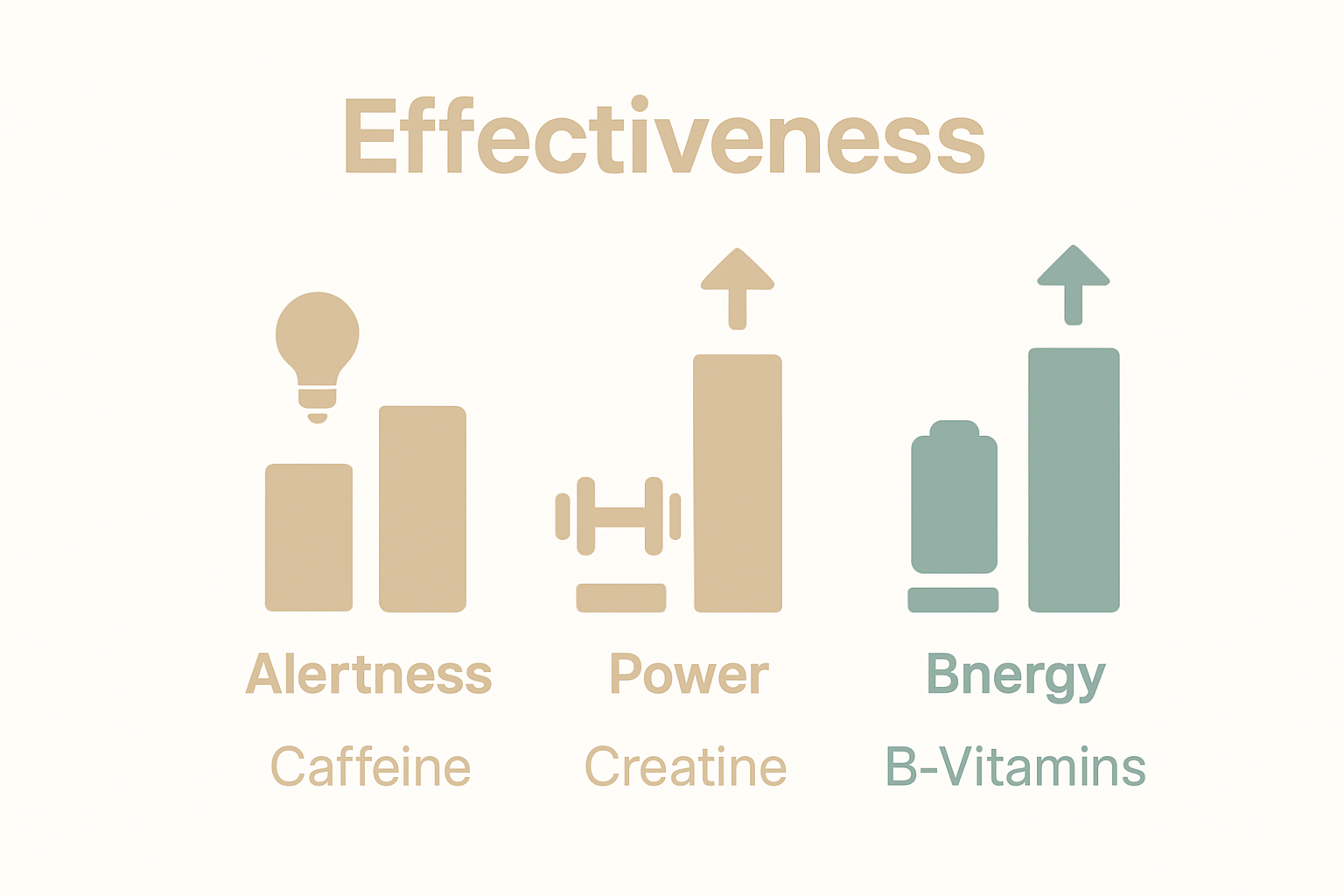
Preworkout supplements represent a fascinating area of nutritional science, with researchers examining their potential performance benefits. Ingredients like caffeine, creatine, and beta-alanine are commonly studied for their potential to enhance athletic performance. However, scientific scrutiny reveals that evidence supporting comprehensive effectiveness remains limited, highlighting the importance of rigorous research and individual variability.
Electrolyte supplementation offers another critical perspective on nutritional support. Research indicates that electrolyte supplements play a significant role in hydration and muscle function, though their necessity varies based on exercise intensity and duration. At #nutribliss, we recognize that scientific understanding continues to evolve, emphasizing the need for personalized approaches to nutritional supplementation.
Key scientific considerations in energy supplement effectiveness include:
- Precise ingredient dosage and bioavailability
- Individual metabolic differences
- Quality of scientific research
- Potential interaction with existing health conditions
- Rigorous third-party testing
- Transparency in ingredient sourcing
Understanding the scientific landscape of energy supplements requires a critical approach, recognizing that while potential benefits exist, individual results can vary significantly based on numerous physiological and lifestyle factors.
Potential Risks and Safe Usage Guidelines
Navigating the world of energy supplements requires careful consideration of potential health implications and safety protocols. Dietary supplement risks extend beyond simple consumption, demanding a proactive and informed approach to nutritional supplementation.
Supplement regulation presents significant challenges for consumers. Dietary supplements are not comprehensively regulated by the FDA, which means product quality and safety can vary dramatically between brands. This regulatory landscape creates potential risks such as undisclosed ingredients, mislabeling, and potential interactions with existing medications. At #nutribliss, we emphasize the importance of transparency and third-party testing to mitigate these concerns.
To minimize potential health risks, consumers should adopt a strategic approach to supplement usage. Consulting healthcare professionals before starting any new supplement regimen is crucial, as individual health conditions and medication interactions can significantly impact supplement safety. Recommended safe usage guidelines include carefully reviewing ingredient lists, understanding personal health history, starting with recommended doses, and monitoring individual bodily responses.
Key safety considerations for energy supplement consumption include:
- Verifying third-party testing certifications
- Consulting healthcare professionals
- Understanding personal health conditions
- Checking potential medication interactions
- Starting with recommended minimum doses
- Monitoring individual physiological responses
- Prioritizing whole food nutrition over supplementation
Responsible supplementation requires a holistic perspective, recognizing that nutritional support is most effective when integrated thoughtfully with overall lifestyle and wellness strategies.
Elevate Your Energy with Targeted Supplements Designed For You
Struggling to maintain consistent energy and performance throughout your day is a challenge many face. This Complete Guide to the Role of Energy Supplements highlights how personalized nutrition using balanced B-complex vitamins, essential minerals, and natural metabolic enhancers can support sustained energy without relying only on quick fixes like caffeine. If your goal is to optimize cellular metabolism, promote stress resilience, and boost both physical and mental vitality, it is time to take control with proven solutions crafted for real results.

Explore our Energy Supplements collection featuring scientifically formulated products designed to work in harmony with your body’s natural energy systems. Whether you are an athlete, busy professional, or wellness-focused individual, these supplements provide essential support where your diet may fall short. Discover a variety of options at Nutribliss Supplements and complement your regimen with our specialized Fitness Supplements to fuel optimal performance. Visit Nutribliss.us today and empower your energy journey with carefully crafted nutrition solutions backed by science and trusted quality. Don’t wait to experience the difference consistent energy can make—shop now to start feeling the benefits.
Frequently Asked Questions
What are energy supplements and their purpose?
Energy supplements are dietary products designed to enhance physical performance and mental alertness by providing targeted nutritional support, improving energy levels through a blend of vitamins, minerals, and natural compounds.
How do energy supplements work in the body?
Energy supplements interact with the body’s metabolic systems by optimizing cellular energy production through biochemical processes. Key ingredients, such as B-vitamins, facilitate the conversion of nutrients into usable energy at the cellular level.
What types of energy supplements are available?
Common types of energy supplements include caffeine-based products, creatine, B-complex vitamins, adaptogenic herbs, amino acid boosters, and electrolyte blends, each offering unique metabolic benefits to support energy production and performance.
What are the risks associated with energy supplements?
Potential risks include variability in product quality due to lack of FDA regulation, undisclosed ingredients, and interactions with medications. It’s crucial to consult healthcare professionals, check ingredient lists, and adhere to recommended dosages for safe usage.
Recommended
- The Ultimate Guide to Energy Vitamins: Boost Your Vitality – Nutribliss Inc.
- Complete Guide to the Role of Protein Supplementation – Nutribliss Inc.
- Secrets to Sustaining Energy Without Caffeine: A Comprehensive Guide – Nutribliss Inc.
- Master the Supplement Selection Process for Optimal Results – Nutribliss Inc.
- What Is Energy Efficient Footwear? Complete Guide – YDA UK