

Combining omega-3s with a multivitamin can produce measurable improvements in specific biomarkers, including triglycerides, homocysteine, and certain micronutrient levels. That’s the short answer. The longer one is that large randomized trials show mixed results on hard clinical endpoints like heart attacks and stroke, so the picture is more nuanced than most supplement marketing suggests. According to the NCCIH, marine omega-3s reliably lower triglycerides, but evidence for preventing major cardiovascular events remains inconsistent across trials.
What the evidence supports:
- Triglyceride reduction with EPA and DHA supplementation (consistent across trials)
- Correction of common micronutrient shortfalls (vitamin D, B12, folate) through multivitamins
- Synergistic reductions in homocysteine and hsCRP when B-vitamin multivitamins and omega-3s are combined
- Some benefit for dry eye symptoms, certain depressive symptoms (EPA-dominant formulas), and prenatal brain development (DHA)
Where evidence is limited or mixed:
- Prevention of major cardiovascular events at typical OTC doses
- Cognitive enhancement in healthy older adults
- AMD progression with omega-3 supplementation alone
Pro Tip: If you have elevated triglycerides, a history of cardiovascular disease, or take anticoagulants, get medical advice before starting any combined supplement. For generally healthy adults with dietary gaps, a combined omega-3 multivitamin is a reasonable baseline option.
Key Takeaways
Combined omega-3 and multivitamin supplementation can improve specific cardiovascular biomarkers through complementary mechanisms, but clinical outcome evidence at typical OTC doses remains mixed.
| Point | Details |
|---|---|
| Triglyceride lowering is consistent | EPA and DHA reliably reduce triglycerides; effect is dose-dependent and strongest at 2–4 g/day. |
| Combination products hit multiple biomarkers | A 12-week RCT showed MVit+omega-3 reduced homocysteine, hsCRP, and triglycerides more than either supplement alone. |
| Prescription vs OTC is a clinical distinction | Prescription EPA formulations at 4 g/day are FDA-approved for severe hypertriglyceridemia; OTC doses are for general wellness. |
| Safety review is required before starting | Omega-3s can increase bleeding risk and interact with anticoagulants; stop supplements 2–3 weeks before surgery. |
| Nutribliss combined options | Nutribliss offers omega-3 and multivitamin supplements for adults seeking convenience and baseline nutrient coverage. |
Table of Contents
- What are EPA, DHA, and ALA — and where do you get them?
- How do omega-3 multivitamin benefits apply to heart health?
- What does omega-3 do for brain and mental health?
- Can omega-3s and multivitamins support eye health?
- Other reported benefits: inflammation, skin, and more
- What do multivitamins actually do, and which nutrients matter most?
- Do omega-3 and multivitamin combinations actually work better together?
- Should you eat fatty fish or take supplements?
- Prescription omega-3s vs OTC fish oil: what’s the clinical difference?
- What are the safety risks and drug interactions you should know?
- How to read dosing and supplement labels correctly
- How do you decide between a combined product and separate supplements?
- An honest perspective on combined supplements
- Nutribliss offers combined omega-3 and multivitamin options worth considering
- Sources
What are EPA, DHA, and ALA — and where do you get them?
EPA (eicosapentaenoic acid) and DHA (docosahexaenoic acid) are the long-chain marine omega-3s with the most clinical evidence behind them. The NIH Office of Dietary Supplements provides a detailed breakdown of recommended intakes and food sources for all three forms.
Dietary sources:
- Fatty fish (salmon, mackerel, sardines, herring): highest EPA+DHA per serving
- Algae oil: the direct plant-based source of DHA and EPA; preferred for vegans
- Walnuts, flaxseed, chia seeds: supply ALA only
- Fortified foods: some eggs, dairy, and juices contain added DHA
Supplement sources:
- Fish oil softgels: most common; EPA+DHA content varies widely by brand
- Krill oil: phospholipid form, potentially better absorbed at lower doses; see krill oil vs fish oil comparisons for formulation details
- Algal oil capsules: vegan-friendly, DHA-dominant, increasingly available
Label reading tip: The total “fish oil” amount on the front of a bottle is almost always larger than the actual EPA+DHA inside. Always read the Supplement Facts panel for the specific milligrams of EPA and DHA per serving. Look for third-party testing seals from USP, NSF International, or IFOS, and check whether the form is a triglyceride (better absorbed) or ethyl ester.
The NIH ODS factsheet notes that most Americans consume far less than the amounts used in clinical trials showing cardiovascular benefits, which is part of why supplementation is worth considering for those with low fish intake.
How do omega-3 multivitamin benefits apply to heart health?
Omega-3s reliably lower triglycerides. That part is settled. Whether they prevent heart attacks and strokes in a general population at typical OTC doses is where the evidence gets complicated.
The VITAL trial published in the New England Journal of Medicine randomized over 25,000 adults to 1 g/day of marine omega-3s and found no significant reduction in the composite primary endpoint of major cardiovascular events or invasive cancer. Subgroup analyses did show a signal for reduced myocardial infarction, particularly in people who ate little fish at baseline, but that’s hypothesis-generating, not definitive. The dose matters: VITAL used 1 g/day, while prescription EPA products tested in separate trials used 4 g/day.
Where cardiovascular evidence is strongest:
- Triglyceride lowering at doses of 2–4 g/day EPA+DHA (consistent, dose-dependent)
- Prescription EPA-only formulations showing outcome benefits in high-risk populations with elevated triglycerides
- Reduced myocardial infarction signal in fish-intake-deficient subgroups (VITAL subgroup data)
Where evidence is weaker or mixed:
- General primary prevention at 1 g/day OTC doses
- Stroke prevention across broad populations
- All-cause mortality reduction
The combination angle is where it gets interesting. A 12-week randomized trial of 100 participants tested placebo, a B-vitamin multivitamin, omega-3s, and the combination. The combined group showed statistically significant reductions in homocysteine, hsCRP, and triglycerides that exceeded what either supplement produced alone in some comparisons. B vitamins lower homocysteine through the methylation cycle; omega-3s lower triglycerides through reduced hepatic VLDL synthesis. These are complementary mechanisms, not redundant ones. For more on how supplements can support cardiovascular markers, the Nutribliss heart health guide covers the evidence in practical terms.
What does omega-3 do for brain and mental health?
The clearest signal is in depression, specifically with EPA-dominant formulas. Multiple meta-analyses have found small-to-moderate antidepressant effects with EPA-rich omega-3 supplementation, particularly as an adjunct to standard treatment. DHA-dominant formulas show weaker effects on mood, which is why the EPA-to-DHA ratio on a label matters if mental health is your primary goal.
Populations with the clearest evidence:
- Adults with diagnosed depression using EPA-dominant supplements (at least 60% EPA of total EPA+DHA)
- Pregnant women and infants: DHA is critical for fetal brain and retinal development; prenatal supplementation is widely recommended
- Children with ADHD: some trials show modest improvements in attention with omega-3 supplementation, though effect sizes are small
Where evidence is limited:
- Routine cognitive enhancement in healthy older adults without deficiency
- Prevention of dementia or Alzheimer’s disease in general populations
- Anxiety disorders as a primary indication
Multivitamins add meaningful value here through specific nutrients. Folate and B12 support the methylation pathways that regulate neurotransmitter synthesis. Vitamin D deficiency is associated with increased depression risk, and it’s one of the most common shortfalls in the U.S. population. A combined product that delivers adequate B12, methylfolate, vitamin D3, and EPA-rich omega-3s addresses several neurocognitive pathways simultaneously.
Adults maintaining baseline DHA levels through diet or supplementation are supporting structural brain health, even when cognitive performance benefits in trials are modest.
Can omega-3s and multivitamins support eye health?
Omega-3s show consistent benefit for dry eye symptoms. Several randomized trials have found that EPA and DHA supplementation reduces tear evaporation, improves tear film stability, and lowers symptom scores in people with dry eye disease. Effect sizes are moderate, not dramatic, but the evidence is reasonably consistent.

AMD is a different story. Observational data suggested that higher fish intake correlated with lower AMD risk, but randomized trials of omega-3 supplementation alone have not consistently shown that supplements slow AMD progression. The AREDS2 trial, which tested lutein, zeaxanthin, and other antioxidants, found benefit from those micronutrients but not from omega-3 supplementation specifically.
Micronutrients in eye-focused multivitamins that do have AMD evidence:
- Lutein and zeaxanthin: macular pigments that filter blue light and have RCT support for slowing AMD progression
- Vitamins C and E: antioxidants included in the original AREDS formula
- Zinc: supports retinal function and is part of the AREDS2 formulation
- Vitamin A: essential for rhodopsin synthesis and night vision
The practical takeaway: if AMD prevention or management is your goal, a multivitamin with the AREDS2 micronutrient profile is better supported by trial evidence than omega-3s alone. For dry eye, omega-3 supplementation at moderate doses typical of clinical trials is a reasonable, evidence-backed option.
Other reported benefits: inflammation, skin, and more
Beyond cardiovascular and neurological outcomes, omega-3s have plausible but less definitive evidence across several other areas.
- Inflammation markers: EPA and DHA are precursors to anti-inflammatory eicosanoids (resolvins, protectins). Studies consistently show reductions in hsCRP and IL-6 with supplementation, though effect sizes vary by dose and baseline inflammation level.
- Skin conditions: Small trials in psoriasis and eczema show some benefit from omega-3 supplementation, likely through anti-inflammatory pathways. Evidence is promising but not strong enough for clinical guidelines to recommend it as primary therapy.
- Menstrual pain (dysmenorrhea): Several small RCTs show that omega-3 supplementation reduces menstrual pain scores compared to placebo, possibly by shifting prostaglandin balance. Effect sizes are moderate.
- Sleep quality: Emerging research links higher omega-3 status with better sleep duration and quality, particularly in children. Adult data is limited.
- Metabolic markers: Some trials show modest improvements in insulin sensitivity and fasting glucose with high-dose omega-3 supplementation, but results are inconsistent.
Study quality across these areas varies considerably. Most trials are small, short, and conducted in specific populations. Treat these as areas of reasonable scientific interest rather than established indications.
What do multivitamins actually do, and which nutrients matter most?
Multivitamins supply micronutrients that many Americans don’t get enough of from diet alone. The most common shortfalls in the U.S. include vitamin D, vitamin B12, folate, calcium, and magnesium. A well-formulated multivitamin addresses several of these simultaneously.
Nutrients most relevant to cardiovascular and cognitive health:
- B vitamins (B6, B12, folate): lower homocysteine, which at elevated levels is associated with cardiovascular and cognitive risk
- Vitamin D3: supports immune function, bone health, and metabolic regulation; deficiency is widespread in northern latitudes and among people with limited sun exposure
- Antioxidants (vitamins C and E, selenium): reduce oxidative stress, which contributes to endothelial damage and inflammation
- Magnesium: involved in over 300 enzymatic reactions; low intake is common and linked to cardiovascular and metabolic risk
Label reading tip: Vitamin D3 (cholecalciferol) raises serum 25-hydroxyvitamin D more effectively than D2 (ergocalciferol). Methylcobalamin is the active form of B12 and may be preferable for some people over cyanocobalamin.
A multivitamin alone won’t correct a severe deficiency or replace a poor diet, but it reliably fills moderate gaps in people eating a reasonably varied diet. When combined with omega-3s, the B-vitamin content specifically creates a complementary mechanism for lowering homocysteine while EPA and DHA address triglycerides through a separate pathway.
Do omega-3 and multivitamin combinations actually work better together?
The direct evidence for combination products is limited but encouraging at the biomarker level. The 12-week randomized trial with 100 participants remains one of the clearest demonstrations: the MVit+N3 group showed statistically significant reductions in homocysteine, hsCRP, and triglycerides that exceeded what either supplement produced alone in several comparisons. The omega-3 dose was 2 g/day (760 mg EPA, 440 mg DHA); the multivitamin included B vitamins as the primary active components for homocysteine reduction.
A separate 12-week trial in premenopausal women found that a combined multivitamin with omega-3 significantly increased serum vitamin D and folate and raised red blood cell omega-3 fatty acid content compared to placebo, with good tolerability throughout.
Limitations of the current evidence base:
- Small sample sizes (both key trials had under 150 participants)
- Short durations (12 weeks captures biomarker changes, not clinical outcomes)
- Varied formulations make cross-trial comparisons difficult
- No large RCT has yet tested a combined product against hard endpoints like MI or stroke
The biomarker improvements are real and mechanistically plausible. Whether they translate to fewer heart attacks over decades is unknown. That gap between intermediate biomarkers and clinical outcomes is the honest limitation of this evidence.
Pro Tip: A combined omega-3 multivitamin makes the most practical sense for people with mild nutrient gaps and moderately elevated triglycerides who want convenience and baseline coverage. If your triglycerides are severely elevated (above 500 mg/dL), a prescription EPA formulation at 4 g/day is a different clinical tool entirely.
Should you eat fatty fish or take supplements?
Eating fatty fish two or more times per week is the preferred approach when it’s feasible. Whole food delivers omega-3s alongside protein, selenium, vitamin D, and other nutrients that don’t appear in a capsule. Dietary patterns built around fish consumption, like the Mediterranean diet, show consistent associations with cardiovascular and cognitive health in observational data.
Advantages of food sources:
- Matrix nutrients (protein, selenium, vitamin D) come along for free
- Associated with broader dietary pattern benefits
- No risk of supplement-drug interactions from food alone
- Sustainable choices (MSC-certified, smaller fish like sardines and mackerel) are available
Advantages of supplements:
- Predictable, measurable EPA+DHA doses per serving
- Convenient for people who dislike fish or eat it rarely
- Algal oil provides vegan-friendly DHA and EPA without mercury concerns
- Useful when clinical doses (2–4 g/day) exceed what diet can practically deliver
For a detailed look at what fish oil pills specifically provide, the Nutribliss fish oil guide covers the nutritional breakdown and practical expectations.
Pro Tip: If you eat fatty fish fewer than twice a week, measure your baseline triglycerides and discuss supplementation with your clinician. Starting with 1–2 g/day EPA+DHA from a quality supplement is a reasonable, evidence-based step while you work on dietary patterns.
Prescription omega-3s vs OTC fish oil: what’s the clinical difference?
Prescription omega-3 formulations and OTC fish oil are not interchangeable. The regulatory, dosing, and evidence distinctions are significant.
Prescription omega-3-acid ethyl ester capsules are FDA-approved as adjuncts to diet for reducing triglyceride levels in adults with severe hypertriglyceridemia, dosed at 4 g/day. Prescribing information specifically recommends monitoring LDL levels, as some formulations can raise LDL cholesterol in certain patients.
| Dimension | Prescription omega-3s | OTC fish oil supplements |
|---|---|---|
| Regulatory status | FDA-approved drug (specific indication) | Dietary supplement (DSHEA regulated) |
| Typical EPA+DHA per dose | 2–4 g/day (standardized) | 300–1,000 mg/day (highly variable) |
| Primary indicated use | Severe hypertriglyceridemia (adjunct to diet) | General wellness, dietary gap filling |
| Manufacturing controls | Drug GMP standards | Supplement GMP (less stringent) |
| Evidence for outcomes | Some EPA-only trials show CV outcome benefit in high-risk patients | Mixed; VITAL (1 g/day) showed no primary endpoint benefit |
| LDL monitoring | Recommended in prescribing information | Not routinely required |
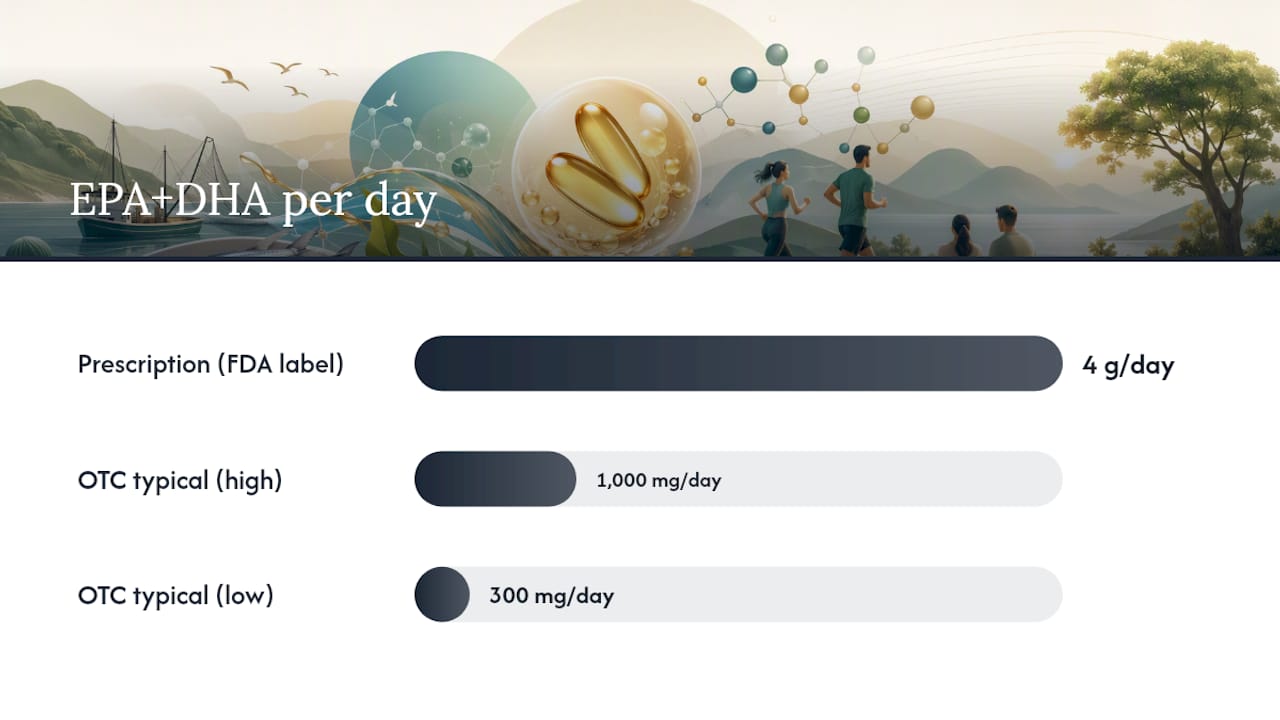
The Merck Manual professional overview notes that prescription EPA-only formulations showed cardiovascular outcome benefits in specific high-risk trials, while general OTC fish oil trials have been more neutral. That distinction matters when advising someone with a triglyceride level above 500 mg/dL versus someone supplementing for general wellness.
What are the safety risks and drug interactions you should know?
Omega-3s and multivitamins are generally well tolerated, but “natural” does not mean risk-free.
Common side effects:
- Fishy burping, indigestion, and aftertaste (most common; reduced by taking with meals or using enteric-coated capsules)
- Loose stools at higher doses
- Mild nausea, particularly when starting
Less common but important risks:
- LDL elevation with some prescription ethyl ester formulations (monitor if prescribed)
- Atrial fibrillation signal: the Merck Manual notes that some high-dose omega-3 trials have shown an increased atrial fibrillation risk, particularly at doses above 1 g/day in people with existing cardiovascular disease
- Vitamin A and D toxicity from high-dose multivitamins taken long-term (fat-soluble vitamins accumulate)
The FDA warns: “Dietary supplements can interact with medications and can change how your body processes drugs. Omega-3 supplements may increase bleeding risk, particularly when combined with anticoagulants like warfarin or antiplatelet drugs. Always tell your clinician about every supplement you take before any surgical procedure.” Stopping certain supplements 2–3 weeks before planned surgery is commonly recommended. See the full FDA consumer guidance on supplement-drug interactions for details.
For a practical checklist on combining supplements safely, including contraindication guidance, that resource covers the key decision points.
How to read dosing and supplement labels correctly
General wellness doses for EPA+DHA run from 250–1,000 mg/day combined. Therapeutic or triglyceride-lowering doses start at 2 g/day and go up to 4 g/day for prescription formulations. The gap between these ranges is clinically meaningful.
| Dose band | EPA+DHA range | Typical use case | Evidence level |
|---|---|---|---|
| Dietary (food) | 200–500 mg/day | Background intake from 1–2 fish servings/week | Observational association data |
| Wellness supplement | 500–1,000 mg/day | General health, filling dietary gaps | Moderate; some biomarker benefit |
| Therapeutic supplement | 2–4 g/day | Elevated triglycerides, clinical management | Stronger; triglyceride lowering consistent |
| Prescription formulation | 4 g/day (standardized) | Severe hypertriglyceridemia (FDA-approved indication) | Strongest; drug-level evidence |
Label reading checklist:
- Read mg of EPA and mg of DHA per serving separately, not just total fish oil
- Check the chemical form: triglyceride form is generally better absorbed than ethyl ester in OTC products
- Look for third-party testing seals: USP Verified, NSF Certified for Sport, or IFOS (International Fish Oil Standards)
- For multivitamins: confirm vitamin D3 (not D2), methylfolate (not folic acid if you have MTHFR concerns), and methylcobalamin or adenosylcobalamin for B12
For more detail on choosing an omega-3 supplement that meets these standards, that guide walks through the label evaluation process step by step.
How do you decide between a combined product and separate supplements?
Choose a combined omega-3 multivitamin for mild nutrient gaps and low-to-moderate omega-3 needs. Choose separate, targeted products or prescription formulations when treating a specific clinical condition like severe hypertriglyceridemia or a confirmed micronutrient deficiency.
- Assess your diet and labs. Get a lipid panel and ask about vitamin D and B12 levels. Knowing your baseline triglycerides and micronutrient status makes the decision concrete rather than speculative.
- Define your goal. Wellness and gap-filling? A combined product at 500–1,000 mg EPA+DHA/day is reasonable. Treating elevated triglycerides? You likely need higher doses and possibly a prescription.
- Check the formulation. Confirm the EPA+DHA mg per serving (not just total fish oil), the vitamin D form (D3), and the folate form (methylfolate preferred).
- Verify third-party testing. USP, NSF, or IFOS certification means an independent lab confirmed purity and potency.
- Review your medications. Anticoagulants, blood pressure medications, and some statins can interact with omega-3s or fat-soluble vitamins. Disclose everything to your clinician.
- Consult your clinician if needed. Anyone with cardiovascular disease, elevated triglycerides above 200 mg/dL, or who takes prescription medications should get professional input before starting.
Pro Tip: Take omega-3 supplements with your largest meal of the day. Fat-soluble nutrients, including the omega-3s themselves and vitamins A, D, E, and K in the multivitamin, absorb significantly better with dietary fat. Expect 8–12 weeks of consistent daily use before biomarker changes become measurable.
An honest perspective on combined supplements
The supplement industry tends to oversell combination products, and the evidence base tends to undersell them. The truth sits somewhere between “this pill does everything” and “supplements are useless.”
What the clinical data actually shows is that combining B-vitamin multivitamins with omega-3s hits multiple cardiovascular biomarkers through distinct mechanisms simultaneously. That’s not marketing; it’s basic biochemistry backed by a randomized trial. The honest caveat is that biomarker improvements in a 12-week trial of 100 people don’t automatically translate to fewer heart attacks over 20 years. That evidence gap is real, and anyone who tells you otherwise is selling something harder than the science supports.
The more interesting question is whether the bar for “proven benefit” should be the same for a low-risk, well-tolerated supplement as it is for a pharmaceutical drug. A combined omega-3 multivitamin that corrects vitamin D deficiency, lowers homocysteine, and reduces triglycerides by a meaningful amount is doing useful work, even if no 30,000-person trial has tracked it to a hard endpoint. For a generally healthy adult with dietary gaps, that’s a reasonable trade-off. For someone with severe hypertriglyceridemia or on anticoagulants, the calculus is different, and the conversation belongs with a clinician.
The #nutribliss approach to this is straightforward: lead with the evidence, state the limits clearly, and let readers make informed decisions. That’s what this article attempts to do.
Nutribliss offers combined omega-3 and multivitamin options worth considering
If you’ve read this far and decided a combined product fits your situation, the Nutribliss supplement collection includes omega-3 and multivitamin options formulated for health-conscious adults who want both convenience and baseline nutrient coverage in one product.

Before purchasing, check the product page for these specifics: EPA and DHA milligrams per serving (not just total fish oil), vitamin D form (D3 preferred), B-vitamin forms (methylfolate and methylcobalamin), and any third-party testing certification. The science behind Nutribliss’s formulations explains the ingredient selection rationale in detail.
Disclaimer: Nutribliss products are dietary supplements, not medications. They are not a substitute for medical care. If you have elevated triglycerides, cardiovascular disease, or take anticoagulants or other prescription medications, consult your clinician before adding any supplement to your routine.
To browse the full range and find the option that fits your goals, visit the Nutribliss supplements collection.
Sources
- Omega-3 Supplements: What You Need To Know | NCCIH
- Complementary effects of multivitamin and omega-3 fatty acid supplementation on indices of cardiovascular health in individuals with elevated homocysteine
- OMEGA 3-acid ethyl esters capsules - Highlights of Prescribing Information
- Mixing medications and dietary supplements can endanger your health | FDA
- Effects of 12-Week Multivitamin and Omega-3 Supplementation on Micronutrient Levels and Red Blood Cell Fatty Acids in Pre-menopausal Women | Frontiers