

Most American endurance athletes underestimate the impact of proper hydration on their performance. Even a fluid loss of just two percent can reduce muscle strength, reaction time, and mental clarity. For anyone committed to regular training, understanding the difference between hydration myths and scientific reality becomes essential. This guide breaks down what hydration really means, dispels common misconceptions, and provides practical tips to help you find the optimal balance your body demands.
Table of Contents
- Defining Hydration and Common Myths
- Hydration Types: Water Vs. Electrolytes
- How Hydration Supports Performance
- Individual Fluid Needs and Monitoring
- Risks of Dehydration and Overhydration
- Choosing Products for Effective Hydration
Key Takeaways
| Point | Details |
|---|---|
| Hydration is Individualized | Effective hydration strategies must consider personal factors like body composition, activity intensity, and environmental conditions. A one-size-fits-all approach does not suffice. |
| Thirst is Misleading | Thirst alone is not a reliable hydration indicator; proper fluid monitoring is essential for optimal performance. |
| Electrolyte Balance is Crucial | During prolonged or intense activities, electrolyte replacement is vital to maintain muscle function and prevent performance decline. |
| Risks of Imbalance | Both dehydration and overhydration pose serious risks to health and performance; awareness and continuous monitoring are key to preventing these issues. |
Defining Hydration and Common Myths
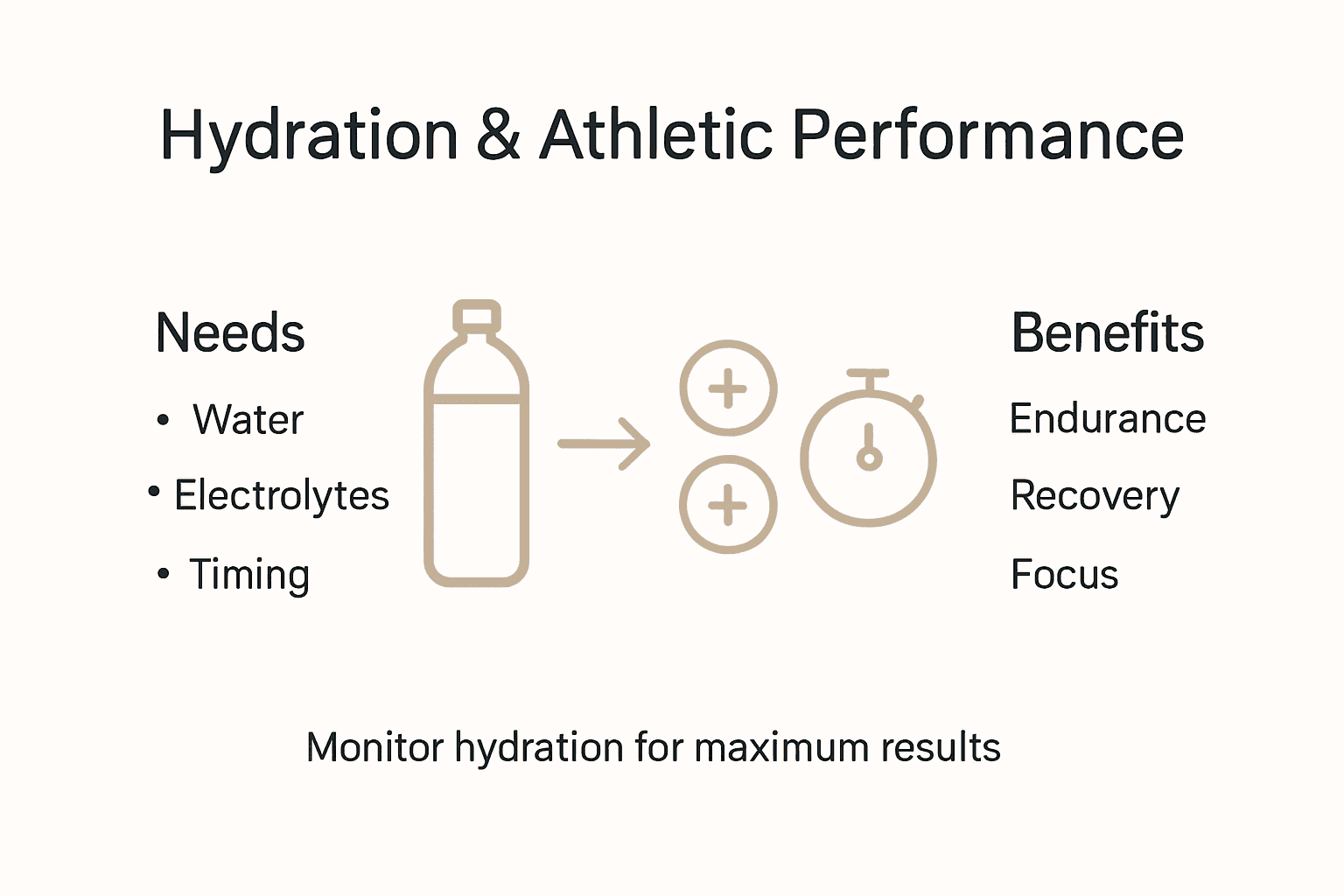
Hydration is more complex than simply drinking water. Athletes and fitness enthusiasts often misunderstand fundamental principles that impact performance and recovery. Understanding hydration myths reveals critical insights into how our bodies actually process and utilize fluids during physical activity.
Contrary to popular belief, thirst is not an accurate indicator of hydration status. The human body’s signals can be subtle and misleading, especially during intense training. Individual hydration needs vary dramatically based on factors like climate, activity intensity, metabolism, and personal physiology. Professional athletes recognize that a standardized approach like the classic “8 glasses per day” recommendation fails to account for these nuanced individual differences.
Some prevalent hydration myths can seriously compromise athletic performance. Common misconceptions include believing sports drinks are always superior to water, assuming caffeine causes dehydration, and thinking excessive water consumption is harmless. In reality, electrolyte balance, proper fluid absorption, and understanding your body’s unique signals are far more important than blindly following generic hydration guidelines.
Pro tip: Monitor your urine color as a quick and reliable hydration status indicator. Pale yellow suggests adequate hydration, while dark amber signals potential dehydration.
Hydration Types: Water vs. Electrolytes
Hydration is a nuanced process that goes beyond simply consuming liquids. While water remains fundamental, understanding electrolyte dynamics reveals critical insights into optimal fluid replacement for athletes and fitness enthusiasts. Electrolytes like sodium, potassium, magnesium, and chloride play essential roles in maintaining critical bodily functions during physical exertion.
The key difference between water and electrolyte drinks lies in their physiological impact. Water provides basic hydration, but electrolyte beverages offer more comprehensive support for intense physical activities. Athletes require strategic fluid replacement that addresses not just liquid intake, but also mineral balance, nerve signaling, and muscle function. Prolonged exercise, high-intensity training, and environments with significant sweating demand more sophisticated hydration strategies than simple water consumption.
Not all hydration scenarios require electrolyte supplementation. For standard, low-intensity activities lasting under an hour, water typically suffices. However, endurance athletes, individuals training in hot climates, or those experiencing significant fluid loss through sweating benefit substantially from targeted electrolyte replacement. The goal is maintaining optimal mineral concentrations that support performance, prevent cramping, and sustain physiological equilibrium.
Pro tip: Calculate your personal sweat rate by weighing yourself before and after exercise to determine your precise fluid and electrolyte replacement needs.
Here’s a quick comparison of hydration options and their best-use situations:
| Hydration Type | Best For | Key Components | Key Benefit |
|---|---|---|---|
| Water | Short, low-intensity exercise | Plain H2O | Simple hydration |
| Electrolyte drinks | Prolonged, intense activities | Sodium, potassium, chloride | Replenish lost minerals |
| Hybrid (water + tabs) | Variable climates or sweat rates | Water plus electrolyte tabs | Adjustable mineral intake |
How Hydration Supports Performance
Performance optimization through strategic hydration represents a critical yet often overlooked aspect of athletic training. Hydration impacts nearly every physiological system, influencing body temperature regulation, cardiovascular efficiency, energy production, and cognitive function. Even minor fluid imbalances can significantly compromise an athlete’s performance, with dehydration as little as 1-2% of body weight potentially reducing endurance and strength while increasing injury risks.
Physiological mechanisms underlying hydration’s performance impact are complex and multifaceted. Athletic performance depends on precise fluid balance that supports nerve signaling, muscle function, and metabolic processes. Proper hydration helps maintain blood volume, which enables efficient oxygen and nutrient delivery to muscles. This translates directly into improved muscular endurance, reduced fatigue, and enhanced overall athletic output.
Athletes must recognize that hydration is not a one-size-fits-all strategy. Individual factors like body composition, training intensity, environmental conditions, and metabolic rate dramatically influence fluid requirements. Endurance athletes, high-intensity performers, and those training in hot climates require more sophisticated hydration protocols that go beyond simple water consumption. The goal is creating a personalized approach that replaces lost fluids, maintains electrolyte balance, and supports continuous physiological optimization.
Pro tip: Create a personalized hydration log tracking your fluid intake, exercise intensity, and performance metrics to fine-tune your individual hydration strategy.
Individual Fluid Needs and Monitoring
Evidence-based fluid replacement guidelines emphasize the critical importance of personalized hydration strategies for athletes. Hydration is not a universal formula but a complex, individualized process influenced by multiple physiological and environmental factors. Precise monitoring becomes essential to prevent both dehydration and potentially dangerous overhydration, ensuring optimal performance and athlete safety.
Athletes can leverage multiple scientific methods to track their unique fluid requirements. Advanced hydration monitoring techniques include sophisticated approaches like urine color charts, specific gravity measurements, body weight tracking, and comprehensive thirst perception assessments. These methods help athletes understand their personal sweat rates, metabolic responses, and fluid loss patterns during different training intensities and environmental conditions.
Understanding individual fluid needs requires comprehensive analysis of several key variables. Factors such as body composition, exercise intensity, climate, altitude, and personal metabolism dramatically influence hydration requirements. Athletes must develop a nuanced approach that adapts to changing conditions, recognizing that fluid needs can vary dramatically between different training sessions, competitions, and environmental contexts. The goal is creating a dynamic, responsive hydration strategy that maintains physiological balance and supports peak performance.
Pro tip: Invest in a digital scale that measures body weight to 0.1 pound accuracy, enabling precise tracking of fluid loss during training and competition.
Risks of Dehydration and Overhydration
Athletic hydration disorders represent complex physiological challenges that can dramatically impact performance and health. Dehydration and overhydration are not simply inconveniences, but potentially dangerous conditions that can compromise an athlete’s cognitive function, physical performance, and overall safety. Understanding the nuanced risks associated with fluid imbalances becomes critical for maintaining optimal athletic performance and preventing serious health complications.
The spectrum of hydration risks includes multiple physiological threats. Exercise-associated hyponatremia and severe dehydration can produce severe symptoms ranging from cognitive impairment to life-threatening metabolic disruptions. Dehydration typically manifests through decreased exercise performance, impaired cognitive function, increased injury susceptibility, and compromised thermoregulation. Conversely, overhydration can lead to dangerously low sodium concentrations, causing symptoms like headaches, confusion, vomiting, and in extreme cases, potential neurological complications.
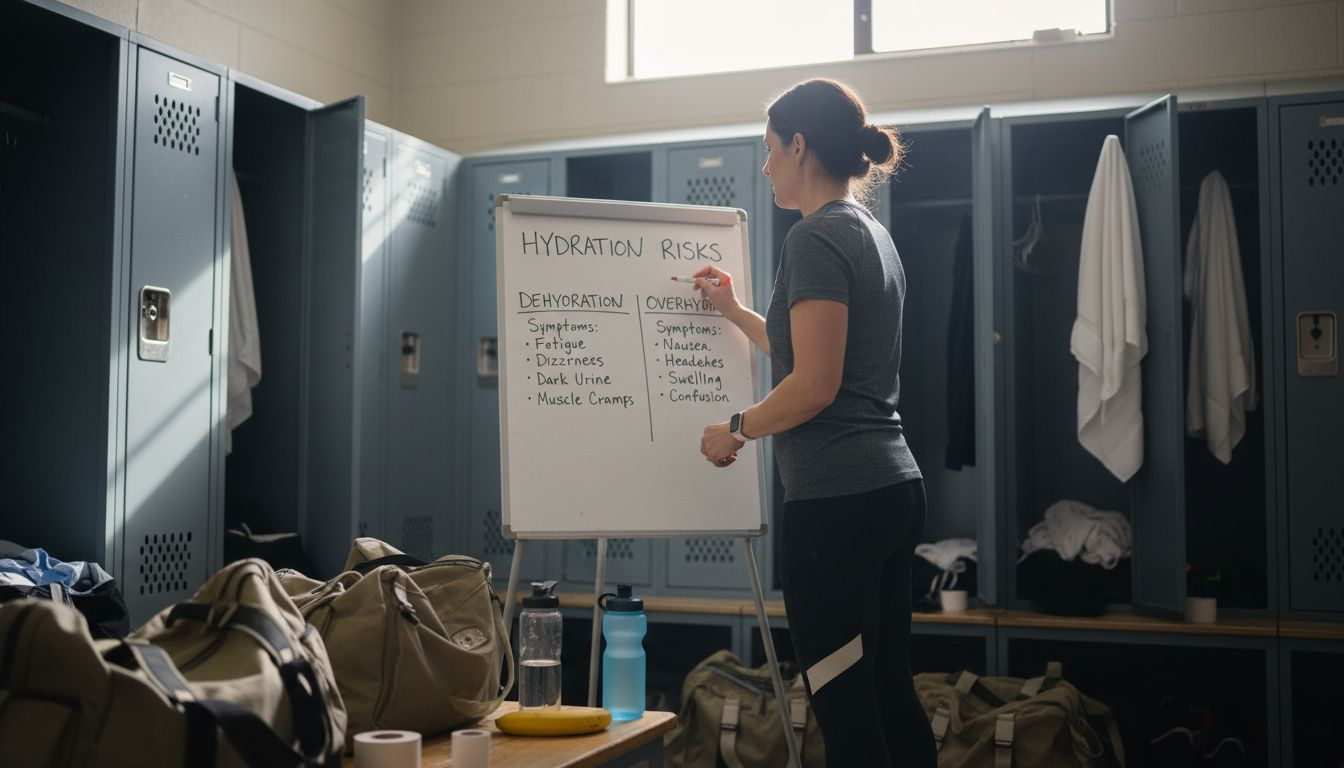
Athletes must recognize that hydration is a delicate balance requiring personalized strategies. Individual factors such as body composition, exercise intensity, environmental conditions, and metabolic rate significantly influence fluid management. The goal is developing a sophisticated approach that prevents both fluid deficit and excess, maintaining precise physiological equilibrium. This requires continuous monitoring, understanding personal sweat rates, and adapting hydration protocols to specific training and competition contexts.
The following table summarizes risks associated with both dehydration and overhydration in athletic contexts:
| Condition | Common Causes | Main Symptoms | Athletic Consequences |
|---|---|---|---|
| Dehydration | Inadequate fluid intake | Fatigue, dizziness, cramping | Reduced endurance |
| Overhydration | Excess water, low electrolyte | Headache, confusion, nausea | Performance impairment |
Pro tip: Create a personalized hydration log tracking fluid intake, body weight changes, and performance metrics to identify your unique hydration response patterns.
Choosing Products for Effective Hydration
Strategic hydration product selection requires understanding the nuanced differences between water, electrolyte drinks, and specialized supplements. Athletes must recognize that hydration needs vary dramatically based on exercise intensity, duration, environmental conditions, and individual physiological responses. Not all hydration products are created equal, and selecting the right solution can significantly impact performance and recovery.
Electrolyte replacement becomes critical during prolonged or intense physical activities. Professional hydration guidelines recommend specific strategies based on exercise duration and intensity. For activities under one hour, water typically suffices. However, longer or more demanding training sessions require sports drinks containing 4-8% carbohydrates and essential electrolytes, particularly sodium, to maintain optimal performance and prevent muscle cramping.
Complex factors influence hydration product selection, including individual sweat rates, sodium losses, personal taste preferences, and specific training goals. Athletes should consider products that offer balanced electrolyte profiles, minimal added sugars, and rapid absorption. Some may benefit from tablet-based solutions, while others prefer premixed drinks or powder supplements. The key is developing a personalized approach that matches individual physiological needs and supports consistent athletic performance.
Pro tip: Experiment with different hydration products during training sessions, not competitions, to determine your body’s most effective electrolyte replacement strategy.
Maximize Your Athletic Endurance and Recovery with Personalized Hydration Solutions
Struggling to find the right hydration strategy that truly supports your unique athletic performance goals The article highlights the challenges of balancing fluid and electrolyte intake while emphasizing the need for personalized hydration plans. Critical concepts like sweat rate tracking and electrolyte balance are key to avoiding dehydration or overhydration that can impair endurance and recovery
At Nutribliss.us, we understand these hydration challenges and offer a wide range of science-backed supplements including electrolytes, vitamins, and minerals designed to help you achieve optimal fluid balance and muscle function. Our product descriptions and customer testimonials make it easier to select what fits your specific needs whether training in heat or engaging in prolonged intense workouts. Discover how strategic supplementation can power your performance with products crafted for exactly these hydration concerns

Take control of your hydration today by exploring tailored electrolyte options and nutritional support at Nutribliss.us. Unlock your peak endurance and speed up recovery now with trusted supplements that meet your personalized needs. Visit Nutribliss.us to browse and shop for your ideal performance-enhancing hydration products immediately.
Frequently Asked Questions
What is the importance of hydration for athletes?
Hydration is crucial for athletes as it affects performance, energy production, and recovery. Maintaining optimal fluid balance helps regulate body temperature, supports cardiovascular function, and enhances cognitive abilities during physical exertion.
How can I assess my hydration status?
You can assess your hydration status by monitoring urine color. Pale yellow indicates good hydration, while dark amber may signal dehydration. Weighing yourself before and after exercise can also help determine fluid loss for better hydration strategies.
Do I need to drink electrolyte beverages or just water?
For standard, low-intensity activities lasting under an hour, water typically suffices. However, during prolonged or intense exercise, electrolyte drinks are more effective as they replenish essential minerals lost through sweat, helping prevent cramps and improve performance.
Can overhydration be dangerous for athletes?
Yes, overhydration can lead to exercise-associated hyponatremia, causing symptoms like headaches, confusion, and nausea. Balancing fluid intake with electrolyte replenishment is essential to avoiding both dehydration and overhydration.