

Most American athletes underestimate how quickly dehydration can sideline even the most well prepared fitness routines. With just a 1% drop in body weight from fluid loss, performance can tank and recovery suffers. Managing hydration and electrolyte balance is essential for anyone serious about sports and training. This guide breaks down practical, science backed steps for optimizing fluid intake, mineral supplementation, and nutrition, helping you make smart choices for sustained energy and peak performance.
Table of Contents
- Step 1: Evaluate Your Current Hydration Status
- Step 2: Identify Specific Electrolyte Needs
- Step 3: Incorporate Balanced Electrolyte Supplements
- Step 4: Adjust Your Diet to Support Balance
- Step 5: Monitor and Fine-Tune Your Electrolyte Levels
Quick Summary
| Key Insight | Explanation |
|---|---|
| 1. Track Body Weight Changes | Monitor body weight before and after exercise for hydration status; a loss of 1% or more indicates dehydration. |
| 2. Assess Urine Color | Use urine color as a hydration indicator; clear to pale yellow suggests hydration, while darker colors may indicate dehydration. |
| 3. Identify Electrolyte Needs | Recognize personal electrolyte requirements based on sweat rate and exercise intensity to prevent deficiencies and maintain performance. |
| 4. Use Electrolyte Supplements Wisely | Integrate balanced electrolyte supplements during intense training; start with smaller doses and adjust according to body response. |
| 5. Maintain a Nutritional Strategy | Follow a diverse diet rich in essential minerals like potassium and sodium to support hydration and athletic performance. |
Step 1: Evaluate Your Current Hydration Status
Pinpointing your hydration status requires a strategic approach that combines multiple assessment methods. Athletes need reliable techniques to understand their body’s fluid balance and potential dehydration risks.
To accurately evaluate your hydration status, start by tracking body weight changes before and after training sessions. Researchers recommend monitoring body weight measurements as a practical method for estimating fluid loss. Weigh yourself naked first thing in the morning and immediately after exercise, recording any significant fluctuations. A weight loss of 1% or more indicates potential dehydration and signals the need for immediate fluid replacement.
Next, assess your urine color and concentration. Clear to pale yellow urine suggests good hydration, while darker amber or brownish colors indicate dehydration. The first morning urination provides the most concentrated sample for evaluation. Consider using a urine color chart to standardize your assessment. Track these indicators consistently to build a comprehensive understanding of your individual hydration patterns.
Pro tip: Keep a hydration journal documenting your weight changes, urine color, and fluid intake to identify personal hydration trends and optimize your athletic performance.
Below is a summary comparing hydration status indicators for athletes:
| Assessment Method | What to Look For | Interpretation |
|---|---|---|
| Body Weight Change | >1% loss after exercise | Potential dehydration |
| Urine Color | Pale yellow vs. dark amber | Good vs. poor hydration |
| Sweat Rate | High weight loss during workouts | Greater fluid/electrolyte need |
Step 2: Identify Specific Electrolyte Needs
Understanding your unique electrolyte requirements is crucial for maintaining optimal athletic performance and preventing potential health complications. Each athlete has distinct electrolyte needs based on their individual physiology and training intensity.
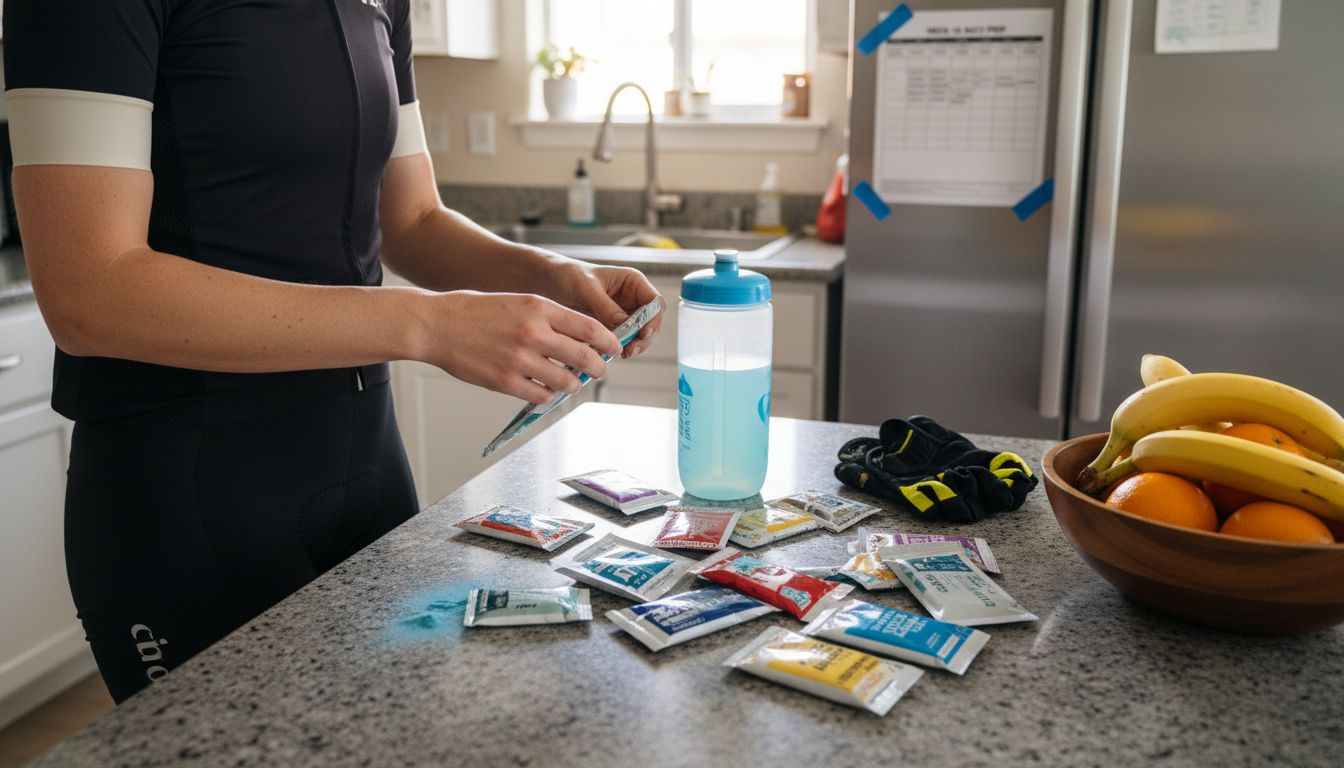
Electrolyte requirements vary significantly among athletes depending on factors like exercise duration, sweat rate, and personal metabolism. Key electrolytes to monitor include sodium, potassium, calcium, and magnesium. Heavy sweaters will need more aggressive electrolyte replacement strategies, particularly focusing on sodium replenishment. Pay close attention to visible salt deposits on your skin after intense workouts, as these indicate substantial electrolyte loss.
To accurately assess your specific needs, consider tracking your sweat rate by weighing yourself before and after training sessions. A weight loss of more than 2% suggests significant fluid and electrolyte depletion. Individuals engaging in prolonged or high intensity activities like marathon running, triathlon training, or outdoor sports in hot environments will require more comprehensive electrolyte management. Blood tests and consultation with sports nutritionists can provide precise insights into your individual electrolyte balance.
Pro tip: Create a personalized electrolyte tracking log documenting your workout intensity, environmental conditions, and post exercise symptoms to identify your unique replacement needs.
Step 3: Incorporate Balanced Electrolyte Supplements
Selecting and integrating the right electrolyte supplements into your athletic routine requires careful consideration of your individual physiological needs and training demands. Your goal is to optimize performance while maintaining precise mineral balance.
Electrolyte supplements offer strategic mineral replacement during prolonged or intense physical activities. Focus on products that provide a balanced mix of sodium, potassium, magnesium, and calcium. Powders and tablets are particularly convenient for athletes, offering lower sugar content compared to traditional sports drinks. Consider your specific workout intensity when choosing supplement concentration recommended for high endurance activities like marathon running, triathlon training, or outdoor sports in challenging environmental conditions.
When incorporating electrolyte supplements, start with smaller doses and gradually adjust based on your body’s response. Monitor your performance, hydration levels, and any potential side effects. Pay attention to recommended serving sizes and avoid overconsumption, which can lead to mineral imbalances. For most athletes, electrolyte supplementation is most critical during workouts exceeding 60 minutes or in high heat and humidity environments.
Pro tip: Experiment with different electrolyte supplement brands during training sessions rather than on competition days to find your perfect mineral balance and absorption rate.
Step 4: Adjust Your Diet to Support Balance
Creating a strategic nutrition plan is fundamental to maintaining optimal electrolyte balance and supporting your athletic performance. Understanding how dietary choices impact your mineral levels will help you make informed nutritional decisions.
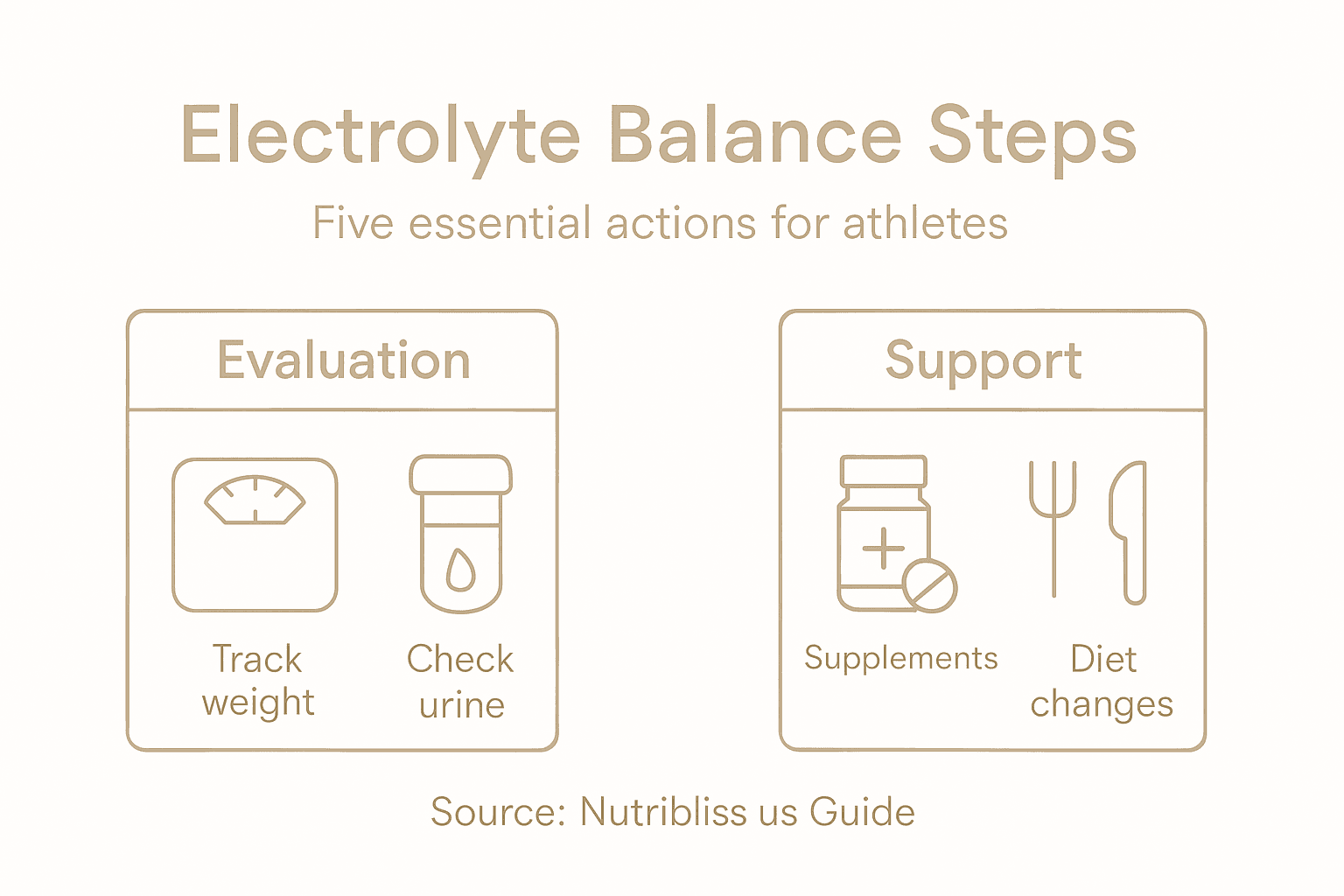
Athletes require comprehensive nutrition strategies to maintain proper electrolyte concentrations. Focus on incorporating whole foods rich in key minerals such as potassium (bananas, sweet potatoes, spinach), magnesium (almonds, black beans, pumpkin seeds), calcium (dairy products, leafy greens), and sodium (moderate amounts of sea salt). Aim for a diverse diet that naturally replenishes these essential electrolytes without over relying on processed supplements.
Pay special attention to your dietary patterns during different training phases. Intense workout periods may require increased mineral intake, while recovery periods demand more balanced nutrition. Consider consulting a sports nutritionist to develop a personalized meal plan that aligns with your specific training goals and electrolyte needs. Remember that hydration and food quality play crucial roles in maintaining your body’s mineral equilibrium.
Pro tip: Keep a weekly food journal tracking your electrolyte rich food intake and correlate it with your training performance to identify your optimal nutritional balance.
Here’s a quick reference of key electrolytes and their primary dietary sources for athletes:
| Electrolyte | Primary Dietary Sources | Main Athletic Benefit |
|---|---|---|
| Sodium | Table salt, pickles, broth | Maintains fluid balance |
| Potassium | Bananas, sweet potatoes | Supports muscle function |
| Calcium | Dairy, leafy greens | Essential for nerve signaling |
| Magnesium | Almonds, pumpkin seeds | Reduces muscle cramps |
Step 5: Monitor and Fine-Tune Your Electrolyte Levels
Precise tracking of your body’s electrolyte balance requires a comprehensive and systematic approach that goes beyond casual observation. Your goal is to develop a nuanced understanding of how your individual physiology responds to different training intensities and environmental conditions.
Athletes need strategic hydration monitoring techniques to maintain optimal performance and prevent potential mineral imbalances. Start by establishing baseline measurements through consistent tracking of body weight before and after exercise sessions. A weight loss exceeding 2% indicates significant fluid and electrolyte depletion. Utilize urine color charts and specific gravity measurements to assess hydration status rapid and accurately. Pale lemonade colored urine suggests good hydration, while darker shades signal potential mineral deficits.
Implement a systematic approach to electrolyte tracking by maintaining detailed records of your weight changes, urine indicators, and performance metrics. Consider using digital tracking tools or a dedicated journal to document these measurements. Pay special attention to variations during different training phases, environmental conditions, and workout intensities. Recognize that electrolyte needs are dynamic and require continuous adjustment based on your body’s unique responses.
Pro tip: Create a personalized tracking spreadsheet with color coded indicators to quickly visualize your hydration and electrolyte balance trends across different training scenarios.
Achieve Electrolyte Balance and Boost Your Athletic Performance Today
Maintaining proper electrolyte balance is essential for athletes who face challenges like dehydration, muscle cramps, and fluctuating performance during intense training. This comprehensive guide highlights the importance of monitoring hydration status, understanding your electrolyte needs, and incorporating balanced supplements to power through your workouts safely and effectively. Now you can take control of your wellness journey with targeted solutions tailored to your unique athletic demands.

Explore our Athlete Recovery & Performance collection at Nutribliss.us to find carefully selected electrolyte supplements that support endurance, muscle function, and optimal hydration. Pair these with trusted Energy Supplements to fuel your training sessions and enhance recovery. Don’t wait until dehydration or mineral imbalances hold you back. Visit Nutribliss.us now to browse high-quality performance products designed to keep you balanced and at your peak every day.
Frequently Asked Questions
How can I evaluate my current hydration status as an athlete?
To evaluate your hydration status, track your body weight changes before and after training sessions. Weigh yourself in the morning and immediately after exercise; a weight loss of 1% or more indicates potential dehydration.
What specific electrolytes should I be focusing on for optimal performance?
Key electrolytes to monitor include sodium, potassium, calcium, and magnesium. Assess your needs based on your sweat rate and training intensity, particularly if you experience visible salt deposits on your skin after workouts.
How do I choose the right electrolyte supplements for my training?
Select electrolyte supplements that provide a balanced mix of key minerals such as sodium, potassium, magnesium, and calcium. Start with smaller doses during training sessions to see how your body responds before making adjustments.
What dietary changes can help support my electrolyte balance as an athlete?
Incorporate whole foods rich in potassium, magnesium, calcium, and sodium, such as bananas, almonds, and dairy products. Aim for a diverse diet that naturally replenishes these electrolytes without over-relying on processed supplements.
How often should I monitor my electrolyte levels during training?
You should routinely track your body weight, urine color, and performance metrics during different training phases. Make adjustments based on your findings, particularly if you experience a weight loss exceeding 2% or darker urine shades, indicating dehydration or mineral deficits.
Can I create a personalized tracking system for my hydration and electrolyte balance?
Yes, you can create a personalized tracking spreadsheet to document your hydration status and electrolyte intake. Use color-coded indicators to quickly visualize trends over time, and make modifications to your routine based on your patterns.