

TL;DR:
- AG1 Vitamin D3 K2 combines vitamin D3 and K2 to support calcium metabolism, bones, and cardiovascular health. Taking D3 without K2 can lead to calcium deposits in arteries, risking cardiovascular issues. Proper dosing with MK-7 and fasting with dietary fats enhances absorption and safety.
AG1 Vitamin D3 K2 is a targeted dietary supplement that combines vitamin D3 and vitamin K2 to support calcium metabolism, immune function, bone strength, and cardiovascular health. The AG1 brand formulates its D3+K2 product with 1,000 IU of D3 and 100 mcg of K2 per serving, designed to work as a paired system rather than two isolated nutrients. Most people supplement D3 alone and never realize that without K2, the calcium D3 mobilizes has nowhere safe to go. This article covers how these two vitamins work together, what dosages actually make sense, and how to get the most from your AG1 supplementation routine.
How do vitamin D3 and K2 work synergistically to support health?
Vitamin D3 increases calcium absorption from the gut, while vitamin K2 directs that calcium into bones and away from arteries. Without adequate K2, high-dose D3 may lead to arterial calcification, reduced arterial elasticity, and increased cardiovascular disease risk. Think of K2 as the traffic controller that decides where calcium goes once D3 lets it into your bloodstream.

The specific form of K2 matters here. MK-7 has a half-life over 72 hours, while MK-4 requires larger, more frequent doses to maintain blood levels. That longer half-life means MK-7 provides sustained calcium regulation with a single daily dose, making it the clinically preferred form for maintenance supplementation.
A 2017 review found combined D3 and K2 supplementation more effective for bone health than either vitamin alone. K2 activates proteins called osteocalcin and matrix Gla protein (MGP), which physically transport calcium into bone tissue and block calcium deposits in soft tissue. This is the biochemical mechanism behind the synergy.
Vitamin K2 works as a “traffic controller,” ensuring calcium is deposited in bones and not in arterial walls. Pairing it with vitamin D3 is not optional for safety at higher doses. It is the standard of care.
Key reasons the D3 and K2 combination outperforms either alone:
- Bone density: K2 activates osteocalcin, the protein that binds calcium into bone matrix
- Arterial protection: MGP, activated by K2, prevents calcium from hardening arterial walls
- Immune support: D3 regulates immune cell activity; K2 reduces systemic inflammation
- Cardiovascular outcomes: Clinical trials show better heart health markers with the combined approach versus D3 alone
You can read more about why D3 and K2 work together and the research behind this pairing.
What are the optimal dosages and safety considerations?
The standard starting point for most healthy adults is 1,000–2,000 IU of D3 paired with 90–200 mcg of K2 as MK-7, taken daily with a fat-containing meal. Higher D3 doses increase the need for K2; most experts recommend at least 100–200 mcg of MK-7 for D3 doses in the 2,000–4,000 IU range. This proportional scaling is the detail most supplement labels skip entirely.
The table below summarizes evidence-based D3 K2 dosage recommendations for different intake levels:
| D3 Daily Dose | Recommended K2 (MK-7) | Notes |
|---|---|---|
| 1,000 IU | 90–100 mcg | Maintenance dose for most adults |
| 2,000 IU | 100–150 mcg | Common therapeutic range |
| 4,000 IU | 150–200 mcg | Upper safe limit without testing |
| Above 4,000 IU | 200+ mcg | Requires serum 25(OH)D monitoring |
Vitamin D3 toxicity above 4,000 IU daily can cause hypercalcemia, and symptoms of extreme overdose above 10,000 IU include nausea, vomiting, and kidney damage. Blood testing is required when exceeding 4,000 IU daily. That threshold is not a suggestion. It is the point where unsupervised supplementation becomes genuinely risky.
K2 itself has no established upper intake limit for oral supplementation. K2 is generally safe at typical oral doses, but it is contraindicated with blood-thinning drugs like warfarin due to its role in coagulation. If you take any anticoagulant medication, consult your physician before adding K2 to your routine.
Leading clinicians recommend starting D3 at 2,000–5,000 IU paired with 100–200 mcg K2 for longevity and cardiovascular health, with blood testing used to tailor individual doses. That clinical consensus reflects years of practice, not just theoretical biochemistry.
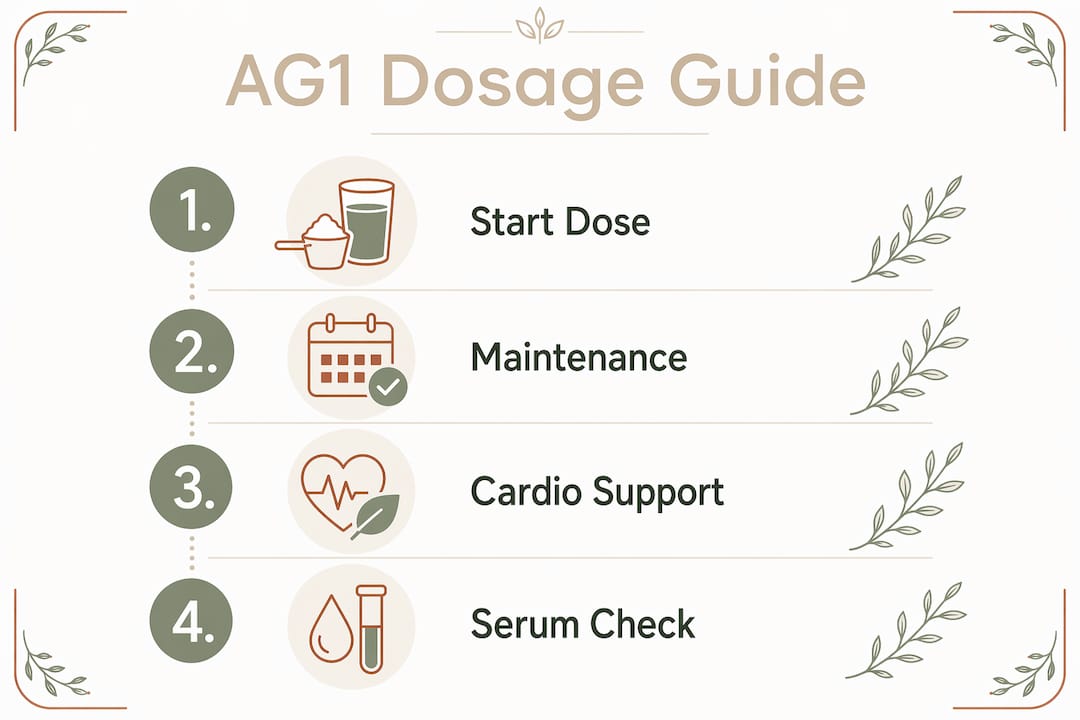
Pro Tip: If you are new to D3 supplementation, start at 2,000 IU with 100 mcg MK-7 K2 for 8–12 weeks, then get a serum 25(OH)D test before adjusting upward. This prevents both underdosing and unnecessary risk.
How should you take AG1 Vitamin D3 K2 for best absorption?
D3 and K2 are both fat-soluble vitamins. Taking D3 and K2 on an empty stomach significantly reduces bioavailability. Pairing them with foods like avocado, eggs, or nuts improves uptake by supporting proper micelle formation in the intestine. This is the step most people skip, and it explains why some users report no benefit from supplementation despite taking adequate doses.
Practical absorption tips for your daily routine:
- Take with your largest meal: Breakfast or lunch with eggs, olive oil, or nut butter works well
- Choose MK-7 over MK-4: MK-7’s longer half-life means once-daily dosing is sufficient; MK-4 requires multiple daily doses to maintain blood levels
- Avoid taking with fiber supplements: High-fiber supplements taken simultaneously can bind fat-soluble vitamins and reduce absorption
- Consistency beats timing: Taking your supplement at the same time each day with food matters more than the specific hour
The function of vitamin K2 extends beyond bone health into cardiovascular protection, which is why consistent daily intake matters more than occasional high doses.
Pro Tip: Add your D3 K2 supplement to your morning meal routine alongside a source of healthy fat. A tablespoon of almond butter or half an avocado provides enough fat to maximize absorption without any extra planning.
How to personalize and monitor your AG1 D3 K2 supplementation plan
Personalized dosing starts with a serum 25-hydroxyvitamin D test, written as 25(OH)D on lab reports. Testing in late winter provides a reliable baseline for adjusting year-round supplementation because sun exposure is at its annual low. That baseline tells you exactly where you stand before spring and summer sun naturally raise your levels.
Here is a practical monitoring protocol you can follow:
- Get a baseline 25(OH)D test before starting or changing your D3 dose, ideally in january or february
- Target the 40–60 ng/mL range as your optimal serum level; below 30 ng/mL indicates deficiency, above 100 ng/mL signals toxicity risk
- Retest after 8–12 weeks of consistent supplementation to see how your body responds to your current dose
- Adjust your D3 dose based on results, scaling K2 proportionally as outlined in the dosage table above
- Test annually at minimum, with semi-annual testing if you are taking doses above 3,000 IU daily
Adjusting doses to maintain serum levels within 40–60 ng/mL prevents both deficiency and overdose. That range is where clinical research consistently shows the best outcomes for bone density, immune function, and cardiovascular markers.
People with darker skin tones, limited sun exposure, obesity, or malabsorption conditions often need higher D3 doses to reach the same serum levels as others. A blood test removes the guesswork entirely. You can explore how to personalize your supplement plan based on your specific health profile and goals.
How does AG1 Vitamin D3 K2 fit into a broader wellness regimen?
AG1 Vitamin D3 K2 works best as part of a complete nutritional strategy, not as a standalone fix. The AG1 powder product provides a broad base of vitamins, minerals, adaptogens, and probiotics, while the D3+K2 supplement addresses two specific fat-soluble nutrients that the powder alone may not fully cover at therapeutic doses. Together, they create a layered approach to daily nutrition.
Complementary habits and nutrients that support the D3 K2 health advantages:
- Magnesium: Required for vitamin D metabolism; without adequate magnesium, D3 supplementation is less effective
- Calcium from food: Prioritize dietary calcium from dairy, leafy greens, or fortified foods rather than high-dose calcium supplements, which carry their own cardiovascular risk
- Weight-bearing exercise: Bone density benefits from D3 and K2 are amplified by resistance training and walking
- Gut health: AG1’s probiotic and prebiotic components support the gut environment that influences nutrient absorption, including fat-soluble vitamins
- Sunlight exposure: Even modest daily sun exposure reduces the D3 supplementation dose you need to maintain optimal levels
The best multivitamins with D3 K2 include both nutrients in a single formula, but they rarely provide therapeutic doses of either. If your wellness goals include bone protection, immune resilience, or cardiovascular support, a dedicated D3 K2 supplement alongside a comprehensive daily formula gives you more precise control over your intake. A solid guide to daily vitamins can help you map out which nutrients to prioritize based on your specific health goals.
Key takeaways
AG1 Vitamin D3 K2 works because D3 drives calcium absorption and K2 directs that calcium safely into bones, making the two vitamins inseparable for anyone supplementing above maintenance doses.
| Point | Details |
|---|---|
| D3 and K2 must be paired | K2 prevents the arterial calcification risk that high-dose D3 alone can cause. |
| MK-7 is the preferred K2 form | Its 72-hour half-life allows once-daily dosing and sustained calcium regulation. |
| Scale K2 with D3 dose | Use 100–200 mcg MK-7 for every 2,000–4,000 IU of D3 you take daily. |
| Always take with dietary fat | Fat-soluble vitamins need fat at the same meal to absorb properly. |
| Test serum 25(OH)D levels | Late-winter baseline testing lets you personalize your dose and avoid toxicity. |
Why I think most people are getting D3 supplementation wrong
Most people I see in the supplement space are taking D3 in isolation, often at doses of 5,000 IU or more, with no K2 and no blood testing. They read that vitamin D is good for immunity and bones, pick up a bottle, and call it done. That approach is not dangerous for everyone, but it is leaving real health benefits on the table and creating unnecessary risk for some.
The part that surprises people most is that K2 deficiency is actually common in Western diets. K2 is found in fermented foods like natto and certain aged cheeses, foods most Americans rarely eat. So when you add high-dose D3 to a K2-deficient baseline, you are accelerating calcium mobilization without the routing system to handle it properly.
My practical recommendation: treat D3 and K2 as a single intervention, not two separate supplements. Start at a moderate dose, get your blood tested after two to three months, and adjust from there. The 40–60 ng/mL serum target is not arbitrary. It is where the clinical data consistently shows the best outcomes across bone, immune, and cardiovascular markers.
One more thing worth saying: the form of K2 you choose matters more than most labels suggest. If your supplement uses MK-4 at a low dose, you are likely not maintaining adequate blood levels between doses. MK-7 at 100–200 mcg once daily is the standard that clinical research actually supports.
— GAURAV
Nutribliss has the D3 K2 formulas worth your attention
Nutribliss builds its supplement line around science-backed formulations, and the Vitamin K2 + D3 supplement reflects exactly the pairing this article covers. It combines D3 and MK-7 K2 in a single capsule with BioPerine for enhanced absorption, removing the guesswork from your daily routine.

If you want to go deeper on the research behind the formulas, the science behind superfoods collection explains how Nutribliss approaches evidence-based supplementation. For a full look at the product range, browse the complete Nutribliss supplements catalog to find the right fit for your wellness goals. Use #nutribliss to share your results and connect with others building smarter supplement routines.
FAQ
What is AG1 Vitamin D3 K2?
AG1 Vitamin D3 K2 is a supplement combining 1,000 IU of vitamin D3 and 100 mcg of vitamin K2 per serving to support bone strength, immune function, and cardiovascular health through synergistic calcium metabolism.
Why do you need K2 when taking vitamin D3?
Vitamin D3 increases calcium absorption, but without K2, that calcium can deposit in arteries instead of bones. K2 activates proteins that direct calcium into bone tissue and prevent arterial calcification.
What is the best form of K2 to take with D3?
MK-7 is the preferred form because its half-life exceeds 72 hours, allowing effective once-daily dosing. MK-4 requires larger, more frequent doses to maintain adequate blood levels.
How do I know if my vitamin D3 dose is working?
A serum 25(OH)D blood test is the only reliable way to confirm your dose is effective. The optimal target range is 40–60 ng/mL, and testing in late winter gives you the most accurate annual baseline.
Can you take too much vitamin D3?
Yes. Doses above 4,000 IU daily require blood monitoring, and extreme doses above 10,000 IU can cause hypercalcemia, nausea, and kidney damage. Always pair higher D3 doses with proportionally increased K2 intake.