

Fatigue that lingers no matter how much you rest can make even passionate American athletes feel frustrated and stuck. That low-energy haze is often tied to gaps in nutrition, specifically vitamin B12’s key role in red blood cell formation and brain function. If you are striving for better workouts, sharper mental clarity, or whole-body wellness, understanding how B12 fuels your energy and cognition is fundamental. This guide breaks down what makes B12 so valuable for active, health-focused adults like you.
Table of Contents
- What Is Vitamin B12 and Why It Matters
- Different Forms of Vitamin B12 Supplements
- How Vitamin B12 Supports Energy and Cognition
- Risks of Deficiency and Who Needs More
- Choosing the Right Vitamin B12 Supplement
Key Takeaways
| Point | Details |
|---|---|
| Importance of Vitamin B12 | Vitamin B12 is essential for energy production, cognitive function, and neurological health, as it facilitates red blood cell formation and DNA synthesis. |
| Deficiency Risks | Certain groups, including vegans, older adults, and those with digestive disorders, are at higher risk for B12 deficiency and should monitor their levels. |
| Supplement Forms | Different forms of B12 supplements are available, with cyanocobalamin being the most affordable and methylcobalamin offering better bioavailability for active individuals. |
| Importance of Consistency | Regular supplementation enhances the benefits of B12; consistency in intake, whether through oral or injection forms, is crucial for optimal results. |
What Is Vitamin B12 and Why It Matters
Vitamin B12 is a water-soluble vitamin that your body cannot produce on its own. Unlike some nutrients, your body stores B12 in the liver, but you need consistent dietary intake or supplementation to maintain optimal levels. This vitamin plays a critical role in red blood cell formation, DNA synthesis, and myelin production. Myelin is the protective sheath around your nerve cells that enables proper neurological function. Without adequate B12, your body cannot perform these essential processes efficiently, which directly impacts your energy levels and cognitive clarity.
The significance of B12 becomes even more apparent when you consider how your body uses it at the cellular level. Every cell in your body requires B12 to convert the food you eat into usable energy through a process called cellular respiration. When B12 levels drop below optimal ranges, mitochondria in your cells struggle to generate ATP, the energy currency your cells depend on. This explains why B12 deficiency produces fatigue that feels different from regular tiredness. Your muscles may feel heavy, your mind sluggish, and your motivation for workouts or daily activities diminished. For athletes and active adults pushing their bodies hard, maintaining strong B12 levels directly supports your ability to train intensely and recover properly.
B12 also supports cognitive function through its role in creating neurotransmitters and maintaining healthy myelin. Athletes often overlook this connection, but brain health directly impacts performance. Sharp focus, fast reaction time, and mental clarity during competition all depend on B12-dependent neurological processes. Additionally, B12 helps regulate homocysteine levels in your bloodstream. Elevated homocysteine is linked to cardiovascular stress, something every active person should monitor. Consider how the broader complex role of B vitamins in athletic performance extends your understanding of why this specific nutrient matters so much for your fitness goals and everyday wellness.
Understanding B12’s function helps explain why some people feel dramatically different once their levels normalize. The transformation often includes sustained energy throughout the day, improved workout performance, better sleep quality, and sharper mental processing. This isn’t placebo. Your body simply functions better when this critical nutrient is available in sufficient quantities.
Pro tip: If you train early morning or follow an intense athletic schedule, take B12 supplements with a meal containing fat or protein to enhance absorption and maximize the energy boost during your workout.
Different Forms of Vitamin B12 Supplements
Not all B12 supplements work the same way in your body. The form you choose matters because your digestive system and cellular uptake mechanisms respond differently to each type. Understanding these differences helps you pick the version that actually fits your lifestyle and absorption needs. The main forms available include cyanocobalamin, methylcobalamin, adenosylcobalamin, and hydroxocobalamin, each with distinct advantages depending on your goals and health status.
Cyanocobalamin is the most common form you’ll find in stores and multivitamins. It’s synthetic, stable, inexpensive, and your liver converts it to active B12 forms your cells can use. For most people, this works perfectly fine and provides excellent value. Methylcobalamin is the second popular option and comes closer to the B12 your body naturally produces. Some athletes prefer methylcobalamin because it’s already in an active form, potentially requiring less conversion work from your liver. Adenosylcobalamin is another naturally occurring form that directly supports mitochondrial energy production, making it particularly valuable if you’re focused on athletic performance and recovery. Hydroxocobalamin is less common but preferred by some because it stays in your body longer than other forms, requiring less frequent dosing. The delivery method also varies significantly. Oral tablets and capsules work well for most people, though they depend on stomach acid and intrinsic factor for absorption. Sublingual tablets dissolve under your tongue and bypass some digestive requirements. Injections bypass digestion entirely and work best for people with absorption issues or severe deficiencies. Lozenges, sprays, and energy drinks containing B12 offer convenience, though absorption rates vary. When evaluating different energy vitamin options, you’ll notice that B12 forms differ significantly in how quickly they enter your bloodstream and how long they stay active.
Your choice depends on several factors. If you have a healthy digestive system and no absorption issues, cyanocobalamin tablets offer the best value and proven effectiveness. If you want maximum bioavailability and prefer naturally occurring forms, methylcobalamin or adenosylcobalamin might justify the higher price. If you’re vegan and concerned about sourcing, many plant-based supplements use cyanocobalamin derived from bacterial fermentation rather than animal products. Athletes targeting #nutribliss wellness goals often prefer methylcobalamin for its direct active form, especially when combined with intense training schedules. If you have pernicious anemia or digestive absorption issues, injections remain the gold standard because they completely bypass intestinal absorption barriers.
Here’s how the main forms of vitamin B12 supplements compare:
| B12 Form | Source Type | Key Advantage | Ideal For |
|---|---|---|---|
| Cyanocobalamin | Synthetic | Most affordable, stable | General use, value-focused buyers |
| Methylcobalamin | Natural (active) | Better bioavailability | Athletes, those with mild absorption issues |
| Adenosylcobalamin | Natural (active) | Supports mitochondrial energy | High-performance and endurance athletes |
| Hydroxocobalamin | Natural | Stays longer in system | People needing less frequent dosing, deficiency |
Pro tip: Start with cyanocobalamin tablets taken with meals containing fat to maximize absorption, then switch to methylcobalamin or injections only if you don’t notice energy improvements after 4 weeks.
How Vitamin B12 Supports Energy and Cognition
Your body runs on energy that comes from converting nutrients into ATP, the molecule that powers every cellular function. B12 plays a direct role in this conversion process through its involvement in the citric acid cycle, which generates the majority of your ATP. When B12 levels are adequate, your mitochondria operate at full capacity, producing the energy you need to power through workouts, focus during work, and stay alert throughout the day. Without sufficient B12, this energy generation slows dramatically. Your cells must work harder to produce the same amount of ATP, which explains why B12 deficiency feels like running your body on low battery mode.

The cognitive benefits extend beyond just having more energy to think clearly. B12 is absolutely essential for myelin synthesis, the protective coating around your nerve fibers that enables rapid neurotransmission. When myelin is healthy, your brain can process information faster, your reaction time improves, and your ability to focus sharpens considerably. B12 also regulates homocysteine metabolism, preventing the buildup of this inflammatory compound that damages blood vessels and impairs cognitive function. Additionally, B12 directly participates in neurotransmitter synthesis, including serotonin and dopamine, which regulate mood, motivation, and mental clarity. Athletes know this well. A sharp mind directly impacts performance during competition. Better reaction time, faster decision-making, and improved focus during intense training sessions all depend on adequate B12 status. Supplements supporting cognitive health often include B12 specifically because of these neurological benefits.
The energy and cognition connection works both ways. When you’re mentally exhausted, it’s often because your brain has burned through its energy reserves faster than your body can replenish them. B12 supports consistent energy delivery to your brain, preventing the mental crashes that derail productivity and performance. For active individuals, this means sustained cognitive performance before, during, and after training. Your ability to concentrate on form during workouts, make strategic decisions during competition, and recover mentally after intense effort all depend on reliable energy and neurotransmitter availability. This is why many athletes report feeling both physically stronger and mentally sharper once they optimize their B12 status. The transformation isn’t just psychological. Your brain literally functions better when this critical nutrient is available.
Pro tip: Take B12 supplements in the morning with breakfast to align with your natural circadian rhythm and maximize both energy and cognitive benefits throughout your day.
Risks of Deficiency and Who Needs More
B12 deficiency develops slowly. Your liver stores enough B12 to sustain you for several years, which means symptoms often don’t appear until the deficiency becomes severe. By the time you notice persistent fatigue, brain fog, or numbness in your extremities, your B12 stores have been significantly depleted. This delayed symptom onset is dangerous because many people attribute their exhaustion to stress or aging rather than recognizing a correctable nutritional problem. Pernicious anemia, which develops when your body cannot absorb B12 properly, causes irreversible neurological damage if left untreated long enough. Nerve damage from B12 deficiency can become permanent even after supplementation begins, which underscores the importance of identifying and addressing deficiency early.
Certain groups face substantially higher deficiency risk than others. Vegans and vegetarians need extra attention because B12 occurs naturally only in animal products. Plant based sources require fortification or supplementation to provide adequate B12. Older adults often develop deficiency because stomach acid production decreases with age, reducing B12 absorption from food sources. People with digestive disorders like Crohn’s disease, celiac disease, or irritable bowel syndrome struggle to absorb B12 efficiently. Those taking metformin for diabetes or proton pump inhibitors for acid reflux chronically deplete B12 because these medications interfere with absorption. Athletes engaging in intense training require more B12 than sedentary individuals because their elevated metabolic rates increase cellular B12 demands. If you take any long term medications or follow a plant based diet, your B12 needs increase considerably. Additionally, understanding the role of vitamins in overall wellness helps contextualize why B12 shouldn’t be overlooked as a supporting nutrient for comprehensive health.
Below is a quick guide to B12 deficiency risk groups and recommended actions:
| Risk Group | Main Reason for Risk | Suggested Action |
|---|---|---|
| Vegans/Vegetarians | Lack of B12 in plant foods | Take supplements or fortified foods |
| Adults over 50 | Reduced absorption efficiency | Annual B12 level testing, supplement |
| Digestive disorder patients | Poor absorption from GI tract | Prefer injections or sublingual form |
| Athletes & Active Adults | Higher metabolic demand | Regular B12 monitoring, supplement |
| Medication users (e.g., metformin) | Drug-induced malabsorption | Discuss routine testing with doctor |
Deficiency symptoms vary but include persistent fatigue unresponsive to rest, cognitive issues like difficulty concentrating or poor memory, mood changes including depression or anxiety, numbness or tingling in hands and feet, muscle weakness, and pale or jaundiced skin. Some people experience megaloblastic anemia, where red blood cells become abnormally large and function poorly. Neurological symptoms like loss of coordination or difficulty walking indicate advanced deficiency requiring immediate attention. Don’t wait for severe symptoms to appear. If you’re in a high risk category, getting your B12 levels tested makes sense even without obvious symptoms. Blood tests measuring serum B12 and methylmalonic acid provide accurate assessment of your status. Establishing baseline levels allows you to monitor your status over time and adjust supplementation accordingly.
Pro tip: Get your B12 level tested annually if you’re vegan, over age 50, or taking medications that affect absorption, then supplement preventively rather than waiting for deficiency symptoms to develop.
Choosing the Right Vitamin B12 Supplement
Selecting a B12 supplement requires evaluating several factors beyond just grabbing the cheapest option at your local store. Start by assessing your absorption capacity. If you have a healthy digestive system with no diagnosed absorption issues, oral tablets work perfectly fine and offer excellent value. If you have celiac disease, Crohn’s disease, or take medications affecting absorption, sublingual tablets or injections become more effective because they bypass some digestive requirements. Your dietary choices matter too. Vegans need to prioritize B12 supplementation since plant based sources require fortification. When shopping, look for supplements specifically labeled vegan to ensure the B12 comes from bacterial fermentation rather than animal derived sources.
Quality and purity should guide your decision. Look for third party testing certifications from organizations like NSF International or USP Verified, which confirm that the supplement contains what the label claims and nothing harmful. Dosage matters significantly. Standard oral supplements typically contain between 500 to 2000 micrograms per dose, which is much higher than the recommended daily allowance because your body only absorbs a small percentage. Higher doses don’t necessarily mean better results. Your body can only absorb so much B12 at once, so doses above 2000 micrograms provide diminishing returns unless you’re addressing severe deficiency or have absorption issues. Form selection depends on your preferences and response. Cyanocobalamin offers proven effectiveness and affordability. Methylcobalamin appeals to those wanting an already active form. Adenosylcobalamin targets athletic performance through mitochondrial support. When implementing smart strategies for purchasing supplements online, compare prices across vendors while verifying their reputation and customer reviews.
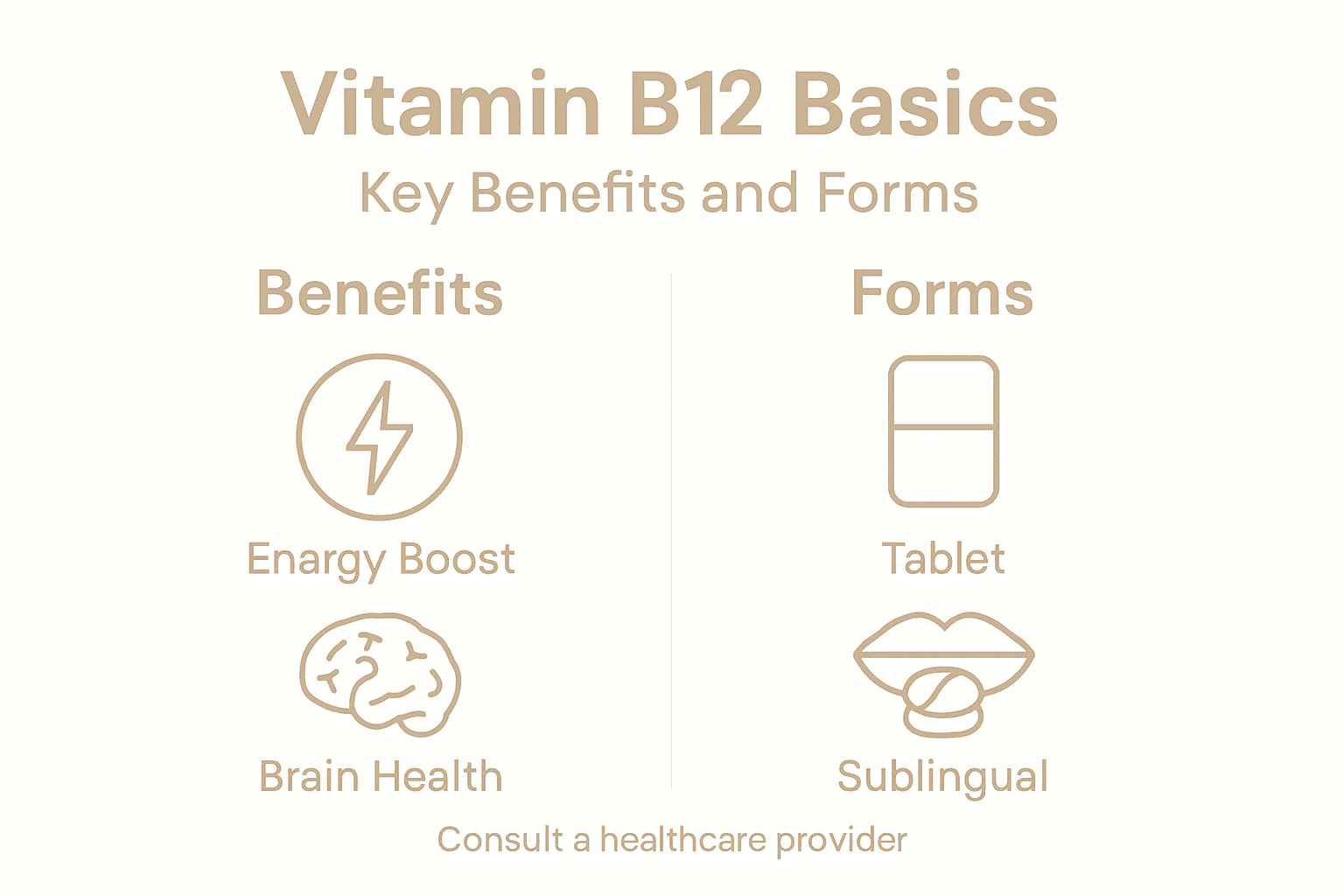
Timing and consistency determine your success. B12 supplements work best when taken regularly rather than sporadically. Daily oral supplements, weekly injections, or monthly injections all work if you maintain consistency. Take oral supplements with meals containing fat to enhance absorption. Store supplements according to package instructions. Most B12 supplements remain stable at room temperature, though some forms prefer refrigeration. Budget considerations matter realistically. Oral tablets cost significantly less than injections, though injections may provide better results for some people. Calculate your cost per month before deciding. Many people find that investing slightly more in higher quality supplements from reputable manufacturers like those sold through Nutribliss provides better results and peace of mind than buying the absolute cheapest option.
Pro tip: Start with a quality oral B12 supplement at 1000 micrograms daily with breakfast for 4 weeks, then assess your energy and cognition improvements before committing to higher cost injections.
Unlock Lasting Energy and Sharp Mental Focus with Vitamin B12
Feeling drained despite your best efforts could signal a hidden vitamin B12 deficiency that impacts your energy, cognition, and workout performance. This vital nutrient fuels your mitochondria, supports nerve health, and sharpens focus so you can train harder and think clearer every day. If tiredness, brain fog, or slow recovery hold you back, addressing your B12 levels is key to reclaiming vitality.
Discover targeted solutions tailored for your needs at Nutribliss.us. 
Explore our range of high-quality B12 supplements crafted to maximize absorption and support your wellness goals. Whether you need easy daily capsules, sublingual options, or advanced formulas for athletes, find what fits your lifestyle and expert-backed guidance to elevate your energy and mental clarity today. Act now to power your body and mind with the essential boost they deserve.
Frequently Asked Questions
What is Vitamin B12 and how does it support energy levels?
Vitamin B12 is a water-soluble vitamin essential for red blood cell formation, DNA synthesis, and myelin production, all of which are critical for energy metabolism. It assists in converting food into usable energy, and a deficiency can lead to fatigue and sluggishness.
What are the different forms of Vitamin B12 supplements, and how do they differ?
The main forms of Vitamin B12 supplements include cyanocobalamin, methylcobalamin, adenosylcobalamin, and hydroxocobalamin. Each type varies in absorption, bioavailability, and effectiveness in supporting energy and cognitive functions, making it important to choose a form that fits your specific needs.
Who is at risk of Vitamin B12 deficiency?
Risk groups for Vitamin B12 deficiency include vegans and vegetarians, older adults, individuals with digestive disorders, and those taking certain medications. These groups may require more attention to maintain adequate B12 levels through dietary sources or supplements.
How do I choose the right Vitamin B12 supplement for my needs?
When selecting a Vitamin B12 supplement, consider factors like your absorption efficiency (oral vs. injectable), dietary preferences (vegan options), and the form of B12 that best supports your health goals. It’s also crucial to look for quality, dosage, and consistency in supplementation.
Recommended
- The Ultimate Guide to Energy Vitamins: Boost Your Vitality – Nutribliss Inc.
- Why Vitamin B Complex Matters for Active Adults
- Complete Guide to the Role of Energy Supplements
- Complete Guide to the Role of Vitamins in Wellness
- Supplements That Cause Hair Loss: Understanding the Risks and Realities | MyHair