

Nearly a quarter of american adults over 50 consider brain health supplements as part of their wellness routines. With memory, focus, and mental sharpness on the line, understanding what supports cognitive health is more important than ever. This guide breaks down the key roles of supplements, reviews scientific findings, and explains what every american should know before adding a cognitive booster to their daily habits.
Table of Contents
- Defining Cognitive Health And Supplement Use
- Major Types Of Cognitive Health Supplements
- How Key Nutrients Influence Brain Function
- Scientific Evidence On Supplement Effectiveness
- Safety, Risks, And Supplement Quality Standards
Key Takeaways
| Point | Details |
|---|---|
| Cognitive health is essential | It encompasses various mental functions like memory, problem-solving, and attention management. Supplements can support these functions but are not miracle solutions. |
| Choose supplements wisely | Popular cognitive health supplements include omega-3s, B-vitamins, and herbal extracts; however, scientific validation varies, requiring careful selection. |
| Consult healthcare professionals | Integrating supplements into a holistic strategy is vital; balanced nutrition and regular exercise are also crucial for cognitive health. |
| Be aware of safety issues | The supplement industry lacks comprehensive regulation, necessitating critical thinking and third-party testing to ensure quality and safety. |
Defining Cognitive Health and Supplement Use
Cognitive health represents the complex ecosystem of mental functions that enable us to process information, learn, remember, and interact with our environment effectively. At its core, cognitive health encompasses abilities like memory retention, problem solving, attention management, language processing, and executive functioning. Brain health supplements can play a strategic role in supporting these fundamental neural capabilities.
According to national survey research, approximately 8.8% of supplement users without cognitive issues and 15.7% with cognitive challenges utilize dietary supplements targeting brain performance. Common supplements in this category include omega-3 fatty acids, Ginkgo biloba, B vitamins, and specialized nutrient blends designed to enhance mental clarity and neural resilience.
Supplement Categories targeting cognitive health typically include:
- Omega-3 fatty acids
- B-complex vitamins
- Herbal extracts
- Antioxidant compounds
- Amino acid derivatives
While supplement selection requires careful consideration, research indicates growing interest in nutritional approaches to maintaining cognitive wellness. Harvard Health notes that approximately 25% of adults over 50 explore supplement options aimed at brain health maintenance. However, consumers should approach these products with informed skepticism, understanding that scientific validation varies across different supplement types.
#nutribliss awareness means recognizing that cognitive supplements are not miracle solutions but potential supportive tools in a comprehensive brain health strategy. Consulting healthcare professionals, maintaining a balanced diet, engaging in regular mental and physical exercise, and understanding individual nutritional needs remain paramount in preserving cognitive function.
Major Types of Cognitive Health Supplements
Cognitive health supplements represent a diverse array of nutritional compounds designed to support mental performance, neural resilience, and brain function. Seven key examples of dietary supplements demonstrate the complex landscape of cognitive enhancement strategies that individuals can explore to optimize brain health.
Research from multiple health resources categorizes cognitive health supplements into several primary groups. Comprehensive supplement reviews highlight key categories that include:
Herbal Supplements:
- Ginkgo biloba
- Bacopa monnieri
- Ashwagandha
- Rhodiola rosea
Vitamins and Micronutrients:
- B-complex vitamins
- Vitamin D
- Vitamin E
- Vitamin B12
Specialized Compounds:
- Omega-3 fatty acids
- L-theanine
- Lion’s mane mushroom
- Phosphatidylserine
Each supplement category targets specific cognitive domains, ranging from memory enhancement and neural protection to stress reduction and mental clarity. While these supplements show promising potential, the role of supplements in aging suggests that individual responses can vary significantly. Consumers should approach cognitive supplementation as part of a holistic health strategy, recognizing that no single supplement offers a comprehensive solution to brain health.
#nutribliss awareness emphasizes that cognitive supplements are most effective when integrated with balanced nutrition, regular exercise, mental stimulation, and professional medical guidance. Understanding the nuanced interactions between different supplement types and individual physiological requirements remains crucial for achieving optimal cognitive support.
How Key Nutrients Influence Brain Function
Nutritional compounds play a critical role in supporting complex neural mechanisms and cognitive performance. What is magnesium, for instance, represents just one example of a mineral that can profoundly impact brain function through intricate biochemical pathways.
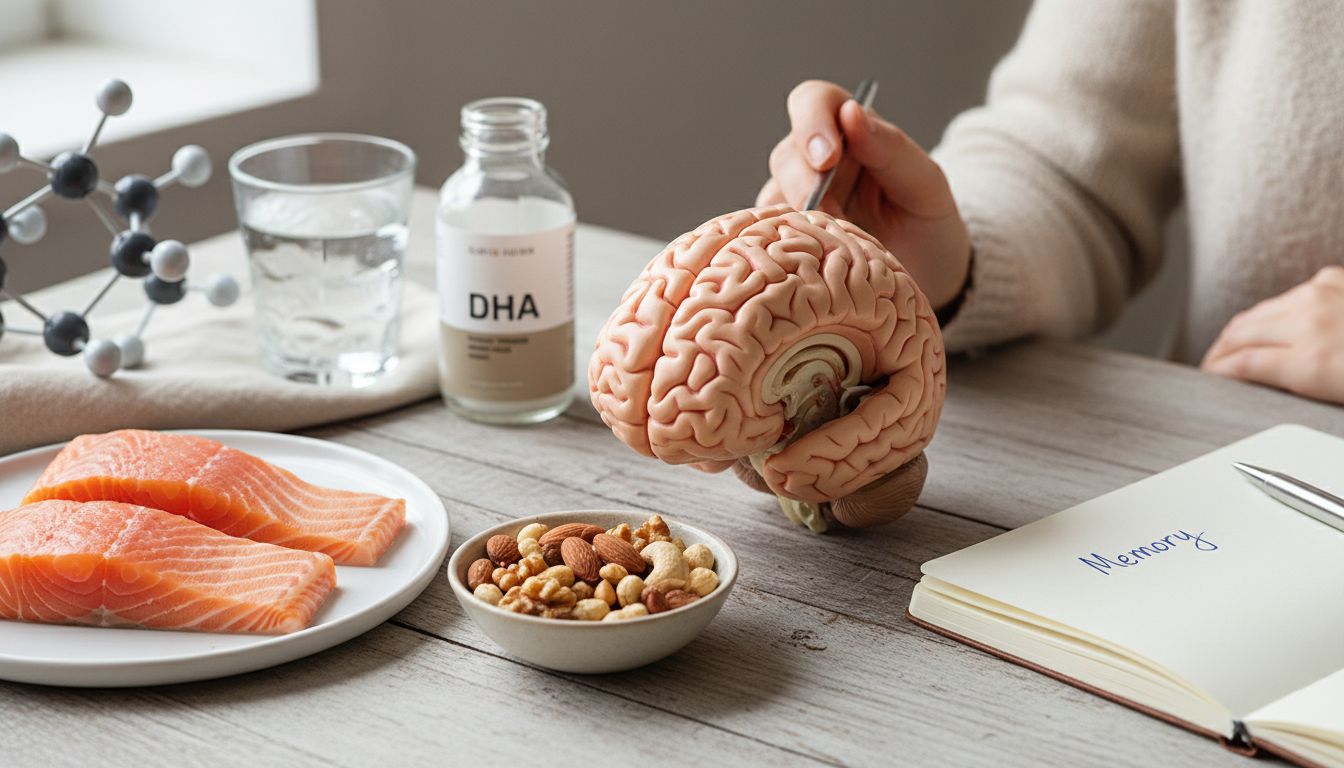
Research demonstrates that specific nutrients interact dynamically with neural systems. Omega-3 fatty acids, particularly polyunsaturated fatty acids (PUFAs), serve as essential components of neuronal cell membranes, preserving membrane fluidity crucial for neurotransmitter communication and synaptic functioning. These molecular interactions directly influence cognitive processes like memory formation, information processing, and neuroplasticity.
Key Nutrient Mechanisms impacting brain function include:
- Membrane structure optimization
- Neurotransmitter synthesis support
- Neuroinflammation reduction
- Antioxidant protection
- Mitochondrial energy production
Certain compounds demonstrate remarkable neurological benefits. Alkaloids such as huperzine A can enhance cognitive function by inhibiting acetylcholinesterase, an enzyme associated with neurodegenerative processes, thereby supporting neurotransmitter activity and potentially mitigating age-related cognitive decline.
#nutribliss awareness emphasizes that nutrient interactions are complex and individualized. Optimal brain health requires a holistic approach combining targeted supplementation, balanced nutrition, regular physical activity, and personalized medical guidance. Understanding these intricate biochemical relationships empowers individuals to make informed decisions about cognitive nutritional support.
Scientific Evidence on Supplement Effectiveness
Navigating the complex landscape of cognitive health supplements requires a critical examination of scientific research and empirical evidence. The science behind supplements reveals a nuanced picture of potential benefits and limitations that consumers must carefully consider.
Research from the National Center for Biotechnology Information indicates moderate quality evidence suggesting that vitamins B and E, polyunsaturated fatty acids (PUFAs), and multi-complex supplementation should not be recommended for reducing cognitive decline risk. This finding underscores the importance of approaching cognitive supplement claims with scientific skepticism and thorough evaluation.
Key Scientific Findings on Supplement Effectiveness:
- Limited evidence for preventing cognitive decline
- Minimal proven long-term neurological benefits
- Significant variability in individual responses
- Need for more rigorous clinical research
- Importance of personalized nutritional approaches
Third-party tested supplements provide an additional layer of quality assurance, though scientific validation remains paramount. Harvard Health advises consumers to approach over-the-counter brain health supplements with caution, highlighting the lack of solid scientific proof and minimal regulatory oversight.
#nutribliss awareness emphasizes that while supplements can be part of a comprehensive health strategy, they are not magic solutions. Critical thinking, consultation with healthcare professionals, and ongoing scientific research are essential for making informed decisions about cognitive health supplementation.
Safety, Risks, and Supplement Quality Standards
Supplement safety represents a complex landscape with numerous potential pitfalls for consumers seeking cognitive health support. Supplement regulation standards provide critical insights into the intricate world of nutritional product oversight and consumer protection.
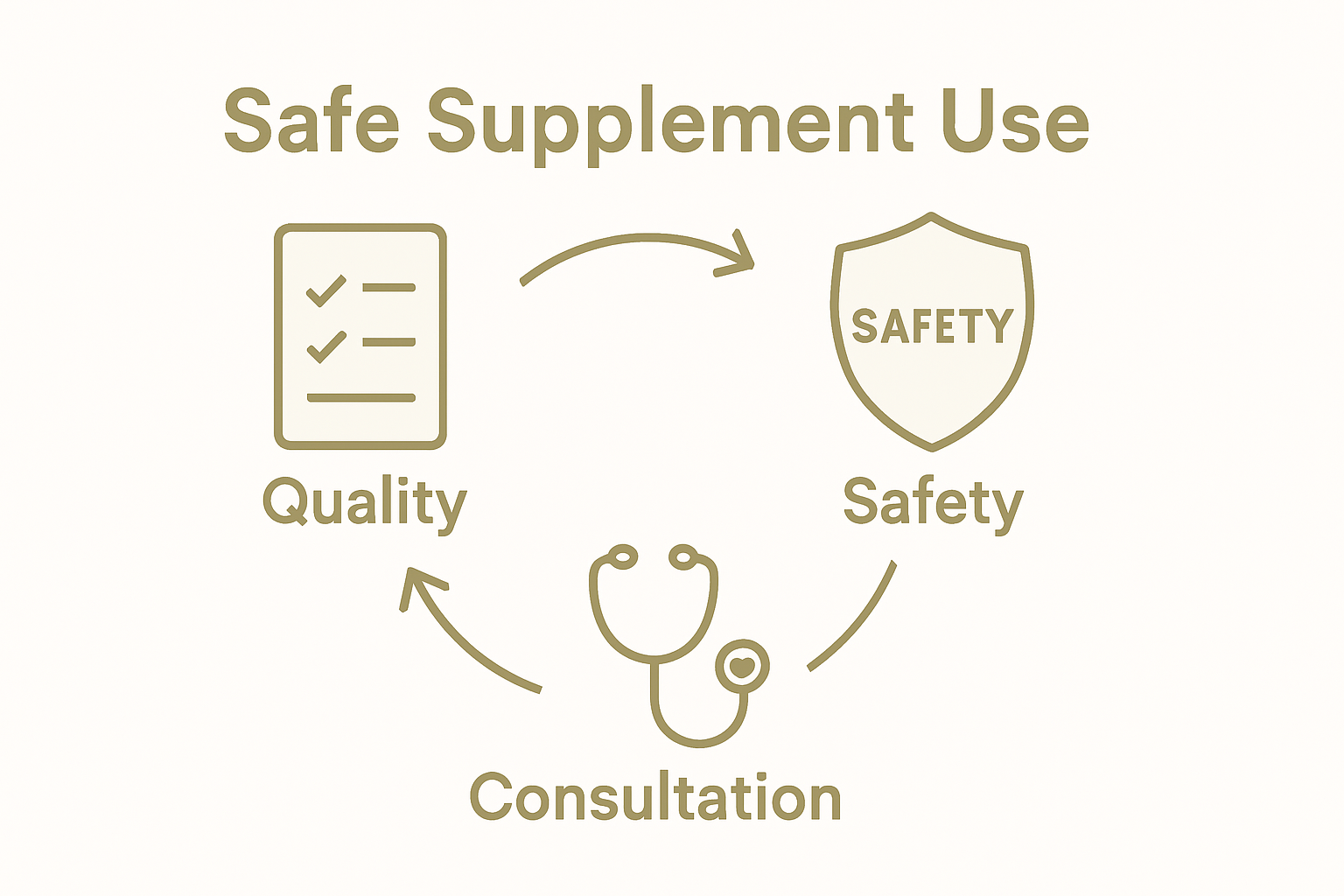
Harvard Health highlights significant concerns regarding the supplement industry’s regulatory framework, emphasizing that the FDA does not comprehensively oversee product testing or ingredient accuracy. This regulatory gap creates potential risks for consumers who may unknowingly purchase products with questionable quality and unverified claims.
Key Safety Considerations for Supplement Use:
- Lack of comprehensive FDA regulation
- Potential ingredient inconsistencies
- Risk of undeclared ingredients
- Possible interactions with medications
- Individual physiological variations
Research from the National Center for Biotechnology Information cautions against unverified supplement use, particularly for cognitive decline prevention, highlighting the importance of evidence-based recommendations. Consumers must approach supplement selection with critical thinking and professional medical guidance.
#nutribliss awareness emphasizes the importance of rigorous personal research, third-party testing, consulting healthcare professionals, and maintaining a holistic approach to cognitive health that extends beyond supplement consumption. Understanding potential risks and maintaining realistic expectations are crucial steps in responsible supplement use.
Enhance Your Cognitive Wellness with Nutribliss
Struggling to maintain sharp mental focus and support your brain’s complex functions can feel overwhelming. The article highlights common challenges like memory retention, neural protection, and the need for reliable nutritional support. Supplement choices can be confusing with varying evidence and quality concerns. By integrating trusted Brain Health Supplements into your routine you take an informed step toward supporting memory, clarity, and overall cognitive resilience with carefully sourced ingredients.

Discover quality products on Nutribliss.us where science-backed supplements meet a commitment to transparency and safety. Take control of your brain health today by exploring our full range of Nutribliss Supplements. Don’t wait to invest in your mental vitality. Start your wellness journey now for sustained cognitive support that fits your lifestyle.
Frequently Asked Questions
What are cognitive health supplements?
Cognitive health supplements are dietary products designed to support mental functions, such as memory, problem-solving, and attention management. They include compounds like omega-3 fatty acids, B vitamins, and herbal extracts that aim to enhance brain performance.
How do key nutrients influence brain function?
Nutrients like omega-3 fatty acids play a critical role in maintaining neuronal cell membrane integrity, supporting neurotransmitter communication, and reducing neuroinflammation. These mechanisms are essential for cognitive processes, including memory formation and information processing.
Are cognitive supplements effective in preventing cognitive decline?
Current research indicates that while some supplements may show potential benefits, there is limited evidence supporting their effectiveness in preventing cognitive decline. Many studies suggest that individual responses vary, and a comprehensive health approach is recommended.
What safety considerations should I keep in mind when using cognitive health supplements?
It’s important to consider potential risks such as unverified ingredients, possible interactions with medications, and lack of comprehensive FDA regulation. Consulting healthcare professionals and choosing third-party tested supplements can help ensure safety and effectiveness.
Recommended
- Role of Supplements in Aging: Essential Guide – Nutribliss Inc.
- Master the Supplement Selection Process for Optimal Results – Nutribliss Inc.
- 7 Top Superfoods Supplements for Better Health Results – Nutribliss Inc.
- Complete Guide to the Role of Vegan Supplements – Nutribliss Inc.
- Mit qinao wieder zu mehr Konzentration & Fokus | Ratgeber
- Longevity Therapy: Everything You Need to Know