

TL;DR:
- Zinc deficiency results from inadequate intake, poor absorption, or excessive loss, and requires proper diagnosis. Medical conditions, inflammation, or diet impact zinc levels, affecting immune function and wound healing. Correct treatment depends on identifying the cause through lab tests and managing underlying issues alongside supplementation.
Zinc deficiency is defined as a state in which the body lacks sufficient zinc to support its core biological functions, including immune defense, wound repair, and protein synthesis. If you are asking why is my zinc low, the answer almost always falls into one of four categories: inadequate dietary intake, poor absorption, excessive loss, or higher demand than your current intake can meet. The NIH recognizes zinc deficiency as a global concern, and clinical standards require lab evaluation rather than self-diagnosis because symptoms overlap with many other conditions. Understanding the root cause is the first step toward correcting it safely.
Why is my zinc low? The most common causes explained
Diet is the single most controllable factor in zinc status. Zinc is found in high concentrations in oysters, red meat, poultry, and shellfish. Plant foods like legumes, whole grains, nuts, and seeds contain zinc, but they also contain phytates. Phytates are compounds that bind to zinc in the gut and block absorption before it reaches your bloodstream.
Vegetarians and vegans face a significantly higher risk of low zinc because their diets rely heavily on phytate-rich plant foods. This does not mean plant-based eating causes deficiency automatically. It means the absorption rate from plant sources is lower, so the total amount consumed needs to be higher to compensate.
Alcohol use disorder is another major driver. Alcohol impairs zinc absorption and increases urinary zinc loss, producing low zinc status in 30%–50% of people with the condition. That is a striking figure. It means low zinc is nearly as common in alcohol use disorder as high blood pressure is in obesity.
Key dietary risk factors for low zinc include:
- Strict vegetarian or vegan diets without compensatory food choices
- Highly processed diets low in animal protein
- Restrictive eating patterns or prolonged calorie deficits
- High consumption of unleavened bread and unsoaked legumes
- Alcohol use disorder
Pro Tip: Soaking, sprouting, and fermenting legumes and grains before cooking reduces phytate content and meaningfully improves zinc bioavailability from plant foods.
How do absorption problems and medical conditions cause zinc deficiency?
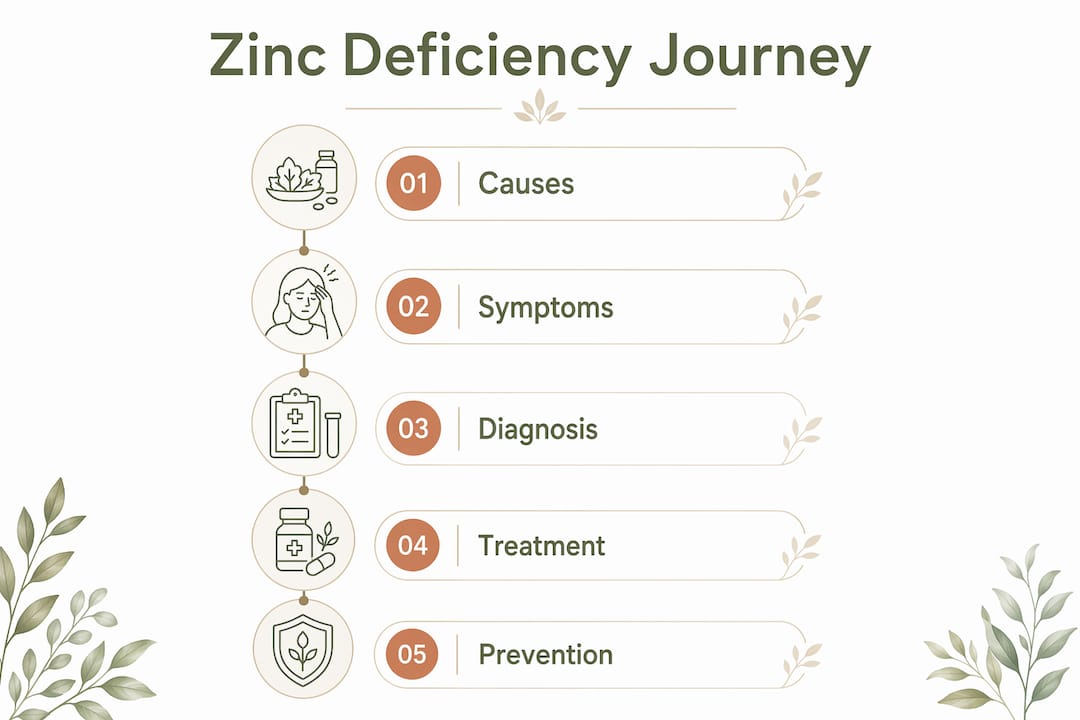
Low zinc can occur even when dietary intake looks adequate on paper. The gut is where zinc absorption happens, and several medical conditions damage that process directly.
Gastrointestinal diseases are among the most common medical causes of zinc deficiency. Celiac disease, Crohn’s disease, and other forms of inflammatory bowel disease (IBD) damage the intestinal lining. A damaged intestinal lining absorbs less zinc per meal, regardless of how much zinc the food contains. Bariatric surgery, particularly procedures that bypass sections of the small intestine, reduces the surface area available for zinc absorption and compounds this problem further.
Chronic diarrhea accelerates zinc loss through stool. People with IBD often experience both impaired absorption and increased loss simultaneously. That double burden explains why zinc deficiency is so prevalent in these populations.
Inflammation adds a third layer of complexity. Inflammation causes zinc to shift from the blood into tissues, lowering serum zinc readings without necessarily reflecting a true whole-body deficit. A C-reactive protein (CRP) level above 10 mg/L can lower measured serum zinc by 10%–20%. This means a blood test taken during an inflammatory episode may overestimate the severity of deficiency.
| Condition | Primary mechanism | Effect on zinc |
|---|---|---|
| Celiac disease | Intestinal damage | Reduced absorption |
| Crohn’s disease / IBD | Mucosal inflammation and diarrhea | Reduced absorption and increased loss |
| Bariatric surgery | Reduced absorptive surface | Reduced absorption |
| Alcohol use disorder | Impaired absorption and urinary loss | Low zinc status in 30%–50% of cases |
| Active inflammation | Zinc redistribution to tissues | Falsely low serum zinc reading |
Understanding which mechanism applies to you changes the treatment approach. Gut disease requires treating the underlying condition alongside zinc repletion. Inflammation requires interpreting labs in context, not just reacting to a low number.
What symptoms and health effects result from low zinc?
Zinc deficiency produces a wide range of symptoms because zinc participates in over 300 enzymatic reactions in the body. No single symptom is diagnostic on its own. The NIH cautions that zinc deficiency symptoms are non-specific and require medical evaluation rather than self-diagnosis.
Common symptoms across adults include:
- Loss of taste or smell (hypogeusia and hyposmia)
- Slow wound healing
- Hair thinning or loss
- Frequent infections or prolonged illness
- Diarrhea
- Skin rashes or dermatitis
- Cognitive fog or difficulty concentrating
Children with zinc deficiency face growth delays and impaired development. Pregnant women with low zinc face increased risk of complications because fetal development demands significant zinc. Older adults absorb zinc less efficiently and often eat less overall, making them a high-risk group even without an underlying disease.
Zinc plays a direct role in immune cell production. When zinc is low, the body produces fewer T-cells and natural killer cells. The result is a weaker immune response, which explains why frequent infections are a hallmark symptom. This also explains why zinc deficiency in children is linked to higher rates of pneumonia and diarrheal illness in low-resource settings.
Symptoms alone are not enough to confirm deficiency. They are a signal to get tested, not a reason to start high-dose supplementation without guidance. Understanding zinc’s role in performance and immunity helps clarify why restoring levels matters so much.
How is zinc deficiency diagnosed and safely treated?
Serum zinc is the most common lab test used to assess zinc status, but it requires careful interpretation. A serum zinc below 60 mcg/dL strongly supports deficiency. A reading between 60 and 70 mcg/dL falls in a gray zone that requires evaluation of inflammation markers and test conditions before drawing conclusions.
Fasting morning samples give the most accurate results. Zinc levels fluctuate throughout the day based on meals and stress. Concurrent CRP and albumin testing improves interpretation accuracy because both inflammation and low protein status affect serum zinc independently.
Serum zinc tests are sensitive to sample timing, inflammation, and albumin levels. A single low reading without clinical context can mislead both patient and provider. Always interpret zinc labs alongside CRP and albumin before deciding on treatment.
Standard clinical treatment follows a clear protocol:
- Confirm deficiency through fasting morning serum zinc with concurrent CRP and albumin.
- Start supplementation at 15–30 mg elemental zinc daily, taken with food.
- Continue for 8–12 weeks, then recheck serum zinc to assess response.
- If deficiency persists, investigate underlying absorption issues or ongoing losses.
- Avoid long-term doses above 40 mg/day without medical supervision.
The adult tolerable upper intake level for zinc is 40 mg per day. Chronic doses above 40–50 mg per day without copper supplementation cause copper deficiency, which leads to anemia and neurological problems that can mimic B12 deficiency. This is not a theoretical risk. It is a documented clinical outcome from unsupervised high-dose zinc use.
Pro Tip: Read supplement labels carefully. A 50 mg zinc gluconate tablet does not contain 50 mg of elemental zinc. Elemental zinc content varies by compound form, so always check the “elemental zinc” figure, not the total compound weight.
What dietary changes and supplements can effectively increase zinc levels?
Diet is the foundation of long-term zinc balance. Animal proteins remain the most bioavailable zinc sources. Oysters contain more zinc per serving than any other food. Beef, pork, chicken, and crab are all reliable sources. For plant-based eaters, pumpkin seeds, hemp seeds, lentils, and chickpeas contribute meaningful amounts when prepared correctly.
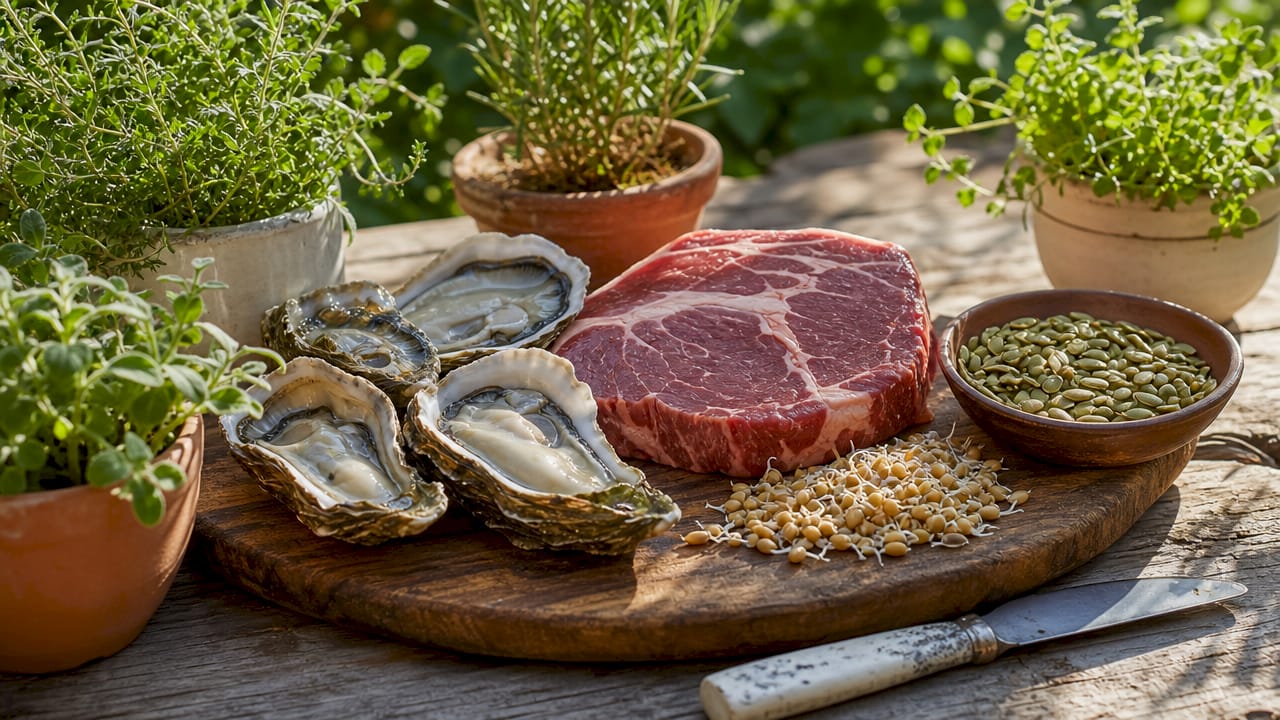
Combining zinc-rich plant foods with vitamin C sources at the same meal can improve overall mineral absorption. Avoiding high-calcium foods or supplements at the same time as zinc-rich meals also helps, since calcium competes with zinc at absorption sites.
Supplement strategies that work:
- Choose zinc picolinate, zinc citrate, or zinc bisglycinate for better absorption compared to zinc oxide
- Take zinc with a small meal to reduce nausea
- Space zinc at least 2 hours away from iron, calcium, and magnesium supplements
- Space zinc at least 2 hours away from tetracycline or quinolone antibiotics
- Do not take zinc within 1 hour of coffee or high-fiber meals
Taking zinc on an empty stomach is the most common cause of nausea reported by supplement users. Taking it with food eliminates this problem for most people. Iron and calcium supplements taken at the same time can inhibit zinc absorption, so spacing matters.
Diet alone can restore zinc in people whose deficiency stems purely from low intake. Supplements become necessary when absorption is impaired by gut disease, surgery, or chronic illness. Reviewing a mineral supplement checklist before starting any new regimen helps avoid common dosing errors.
Pro Tip: If you eat a plant-based diet, aim for roughly 50% more dietary zinc than the standard RDA to account for lower bioavailability from phytate-rich foods. Soaking and sprouting your legumes before cooking makes a measurable difference.
Key Takeaways
Low zinc results from dietary gaps, poor gut absorption, or increased loss, and correcting it requires identifying the specific cause before reaching for a supplement.
| Point | Details |
|---|---|
| Diet drives most cases | Phytate-rich plant diets and low animal protein intake are the leading dietary causes of low zinc. |
| Gut health matters | Celiac disease, Crohn’s, IBD, and bariatric surgery impair absorption even when intake is adequate. |
| Labs need context | Serum zinc below 60 mcg/dL supports deficiency, but inflammation and albumin levels affect accuracy. |
| Safe dosing range | Clinical treatment uses 15–30 mg elemental zinc daily for 8–12 weeks, not exceeding 40 mg/day long-term. |
| Excess zinc is dangerous | Chronic high-dose zinc without copper causes copper deficiency, anemia, and neurological problems. |
Why I think most people approach zinc deficiency backwards
Most people who discover their zinc is low immediately search for the highest-dose supplement they can find. That instinct is understandable but wrong. Zinc is a basic essential nutrient, not a performance booster you can load up on without consequence.
What I have seen consistently is that the cause of low zinc matters more than the supplement dose. Someone with Crohn’s disease and low zinc needs gut-focused care alongside targeted supplementation. Someone with a low-phytate, animal-protein-rich diet who still tests low needs a closer look at inflammation markers before assuming the lab result is accurate. Chronic inflammation redistributes zinc away from the blood into tissues, which means a low serum zinc reading during an illness or flare may not reflect true whole-body depletion.
The other mistake I see is ignoring copper. Long-term zinc above 40–50 mg per day without copper supplementation produces copper deficiency that looks like B12 deficiency on the surface. Neurological symptoms, fatigue, and anemia appear, and the connection to zinc overuse gets missed entirely.
My honest recommendation: get a fasting morning zinc test with concurrent CRP and albumin, treat the underlying cause, use a targeted dose for a defined period, and recheck. Zinc is not a supplement you take forever without monitoring. It is a corrective tool with a clear endpoint.
— GAURAV
Nutribliss zinc support: quality supplements backed by science
Restoring zinc levels works best when you combine the right dietary approach with a supplement you can trust.

Nutribliss offers a full catalog of quality mineral supplements formulated with bioavailability in mind. Every product reflects the science-backed approach detailed on the Nutribliss science page, so you know exactly what you are putting into your body and why. Before starting any zinc supplement, consult your healthcare provider to confirm your lab results and establish the right dose for your specific situation. Use #nutribliss when you share your wellness progress. Nutribliss is here to support the process, not replace the clinical guidance that makes it safe.
FAQ
Why is my zinc low even though I eat well?
Eating well does not guarantee adequate zinc absorption. High phytate foods, gut conditions like Celiac disease or Crohn’s, and active inflammation can all lower serum zinc despite a nutritious diet.
What are the first signs of zinc deficiency?
The earliest signs include loss of taste or smell, slow wound healing, and frequent infections. These symptoms are non-specific, so lab testing is needed to confirm deficiency.
How long does it take to correct low zinc?
Clinical treatment typically uses 15–30 mg elemental zinc daily for 8–12 weeks, followed by a recheck. Resolution time depends on the underlying cause and severity of deficiency.
Can I take too much zinc?
The adult tolerable upper intake level is 40 mg per day. Chronic doses above this threshold without copper supplementation cause copper deficiency, anemia, and neurological problems.
Does inflammation affect zinc blood test results?
A CRP above 10 mg/L can lower measured serum zinc by 10%–20% by causing zinc to shift from blood into tissues. Always test CRP and albumin alongside serum zinc for accurate interpretation.