

Choosing the right herbal supplements can feel overwhelming when so many products promise enhanced performance and wellness. With countless options on shelves and online, how do you identify which herbs genuinely deliver benefits for endurance, strength, and recovery? This article clarifies the essential criteria for evaluating herbal supplements, profiles top-performing herbs backed by recent research, and provides practical comparisons to help you make informed decisions. Whether you’re a fitness enthusiast looking to optimize training adaptations or someone pursuing holistic wellness, understanding these plant-based options will empower you to select supplements that align with your goals safely and effectively.
Table of Contents
- Key takeaways
- How to evaluate herbal supplements for fitness and wellness
- Top herbal supplements for endurance and athletic performance
- Herbs for strength, recovery, and stress adaptation
- Safety considerations and risks of herbal supplementation
- Explore premium herbal supplements at Nutribliss
- Frequently asked questions
Key Takeaways
| Point | Details |
|---|---|
| Dose matters | Herbal benefits depend on using the right dose, with too little yielding no results and too much potentially hindering training progress. |
| Standardized extracts | Standardized extracts guarantee consistent levels of active compounds, unlike generic powders that vary by harvest and processing. |
| Bioavailability matters | Bioavailability affects how much your body uses an herb, for example curcumin is poorly absorbed without proper formulation. |
| Third party testing | Look for third party certifications such as NSF or USP to verify potency, safety, and sourcing. |
| Start low and time | Begin at the lowest effective dose and adjust gradually while aligning timing with training for best results. |
How to evaluate herbal supplements for fitness and wellness
Selecting effective herbal supplements requires understanding several critical factors that separate beneficial products from ineffective or risky ones. The dose-dependent nature of herbal benefits means taking too little yields no results while excessive amounts may cause harm or blunt your training progress.
Standardized extracts provide the most reliable option because they guarantee consistent levels of active compounds. When a Rhodiola product specifies 3% rosavins and 1% salidroside, you know exactly what you’re getting with each dose. Generic herb powders vary wildly in potency depending on growing conditions, harvest timing, and processing methods. This inconsistency makes it nearly impossible to replicate results or troubleshoot problems.
Bioavailability affects how much of an herb your body actually absorbs and uses. Curcumin from turmeric famously has poor absorption unless combined with black pepper extract or formulated as a phytosome. Understanding these nuances helps you avoid wasting money on supplements that pass through your system unused.
Consider these evaluation criteria when selecting herbal supplements:
- Verify the product lists specific bioactive compounds and their concentrations
- Check for third-party testing certifications from organizations like NSF or USP
- Research the effective dose range established in clinical studies
- Assess potential interactions with medications or other supplements
- Evaluate the manufacturer’s reputation and transparency about sourcing
Pro Tip: Start with the lowest effective dose when introducing a new herbal supplement, then gradually increase while monitoring your response. This approach helps you identify the minimum amount needed for benefits while minimizing side effects.
The timing of supplementation relative to training also influences outcomes. Some herbs work best when taken consistently over weeks to build up in your system, while others provide acute benefits when timed around workouts. Learning how to combine supplements safely prevents negative interactions and maximizes synergistic effects.
Top herbal supplements for endurance and athletic performance
Rhodiola rosea stands out as one of the most researched adaptogens for athletic performance. This Arctic root improves endurance markers including VO2max and time to exhaustion while simultaneously reducing oxidative stress and muscle damage. Athletes taking over 600 mg daily experience more pronounced benefits compared to lower doses.
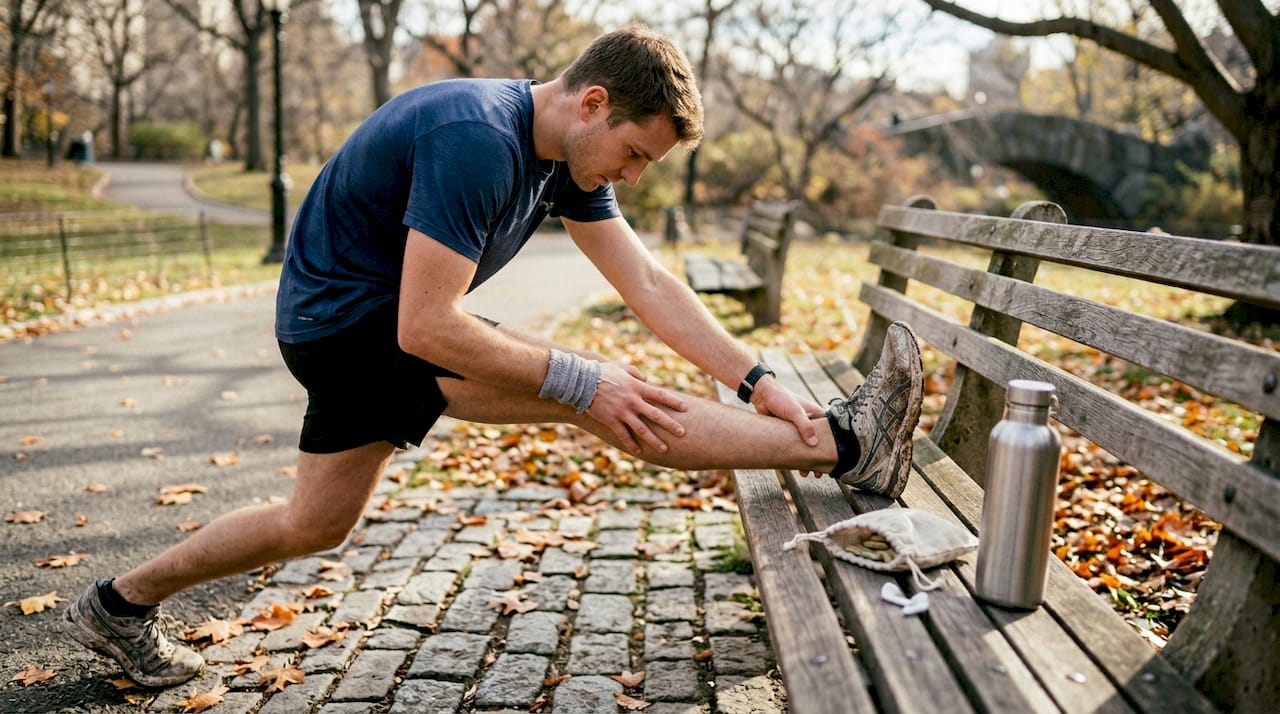
The mechanisms behind Rhodiola’s effects involve multiple pathways. It modulates stress hormones, enhances oxygen utilization, and protects muscle tissue from exercise-induced damage. Studies show reductions in creatine kinase and lactate dehydrogenase, markers that indicate less muscle breakdown during intense training. Inflammation markers like C-reactive protein also decrease, supporting faster recovery between sessions.
Green tea extract combined with ginger creates a powerful endurance-boosting combination. This pairing enhances fat oxidation and thermal comfort while reducing muscle soreness, particularly beneficial for training in cold environments. The catechins in green tea work synergistically with gingerols to improve substrate utilization and metabolic efficiency.
| Supplement | Performance Improvement | Optimal Dose | Key Benefits |
|---|---|---|---|
| Rhodiola rosea | 15-20% increase in time to exhaustion | 600-900 mg daily | Reduces oxidative stress and muscle damage markers |
| Green tea + ginger | 12-18% improvement in fat oxidation | 500 mg green tea + 300 mg ginger | Enhances thermal regulation and decreases soreness |
| Beetroot extract | 5-8% boost in exercise efficiency | 300-500 mg nitrates | Improves blood flow and oxygen delivery |
These herbs offer distinct advantages depending on your training focus. Rhodiola excels for high-intensity intervals and competitions where pushing your limits matters most. The green tea and ginger combination works better for longer endurance sessions where metabolic efficiency and comfort determine performance.
Pro Tip: Cycle Rhodiola supplementation by taking it for 8-12 weeks followed by a 2-week break to maintain sensitivity to its adaptogenic effects and prevent tolerance buildup.
Exploring essential supplements for athletes alongside these herbs creates a comprehensive performance nutrition strategy. When combined strategically, you can address multiple limiting factors simultaneously. Understanding which supplements enhance performance naturally helps you build an effective stack without relying on questionable substances.
Herbs for strength, recovery, and stress adaptation
Ashwagandha has emerged as a premier herb for athletes seeking strength gains and better stress management. At 600 mg daily, this Ayurvedic root stabilizes cortisol levels and improves perceived recovery in team sport athletes. Studies document measurable improvements in counter movement jump height, pull-up performance, and overall muscle strength after 8-12 weeks of consistent use.
The cortisol-regulating properties of Ashwagandha deserve special attention. Chronic stress and intense training both elevate cortisol, which can interfere with muscle protein synthesis and recovery. By moderating this stress hormone, Ashwagandha creates a more anabolic internal environment that supports muscle building and repair. Athletes report feeling less fatigued and more mentally resilient during demanding training blocks.
Curcumin, green tea polyphenols, and ginger form a trio of anti-inflammatory herbs that support recovery. These compounds reduce inflammation and oxidative stress through complementary mechanisms. However, timing and dosage require careful consideration because excessive antioxidant intake may blunt the beneficial stress signals that drive training adaptations.
| Herb | Primary Benefit | Recommended Dose | Timing Considerations |
|---|---|---|---|
| Ashwagandha | Cortisol regulation and strength | 600 mg daily | Take consistently, morning or evening |
| Curcumin | Reduces inflammation | 500-1000 mg with black pepper | Avoid high doses immediately post-workout |
| Ginger | Decreases muscle soreness | 250-500 mg | Effective taken 2-3 hours after training |
| Green tea polyphenols | Supports metabolic recovery | 400-600 mg EGCG | Best consumed between training sessions |
Integrating these herbs into your training requires a systematic approach:
- Start by establishing your baseline recovery metrics like resting heart rate, sleep quality, and subjective soreness ratings
- Introduce one herb at a time for 3-4 weeks to isolate its individual effects before adding another
- Time anti-inflammatory herbs away from your most important training sessions to preserve adaptation signals
- Monitor strength and endurance markers to ensure supplements enhance rather than interfere with progress
- Adjust doses based on training intensity, with higher amounts during recovery weeks and lower during peak adaptation phases
Pro Tip: Reserve high-dose anti-inflammatory supplementation for true recovery periods or when managing injury, not during regular training when controlled inflammation drives beneficial adaptations.
Learning about the science of athlete recovery provides context for how these herbs fit into broader recovery strategies. The science of mood and stress relief explains the psychological benefits that complement physical recovery. Exploring plant based supplement benefits reveals additional options beyond these highlighted herbs.
Safety considerations and risks of herbal supplementation
Herbal supplements carry real risks that demand respect and caution. Some products have been linked to acute liver injury, with up to 20% of such cases stemming from herbal supplements. The FDA estimates 50,000 adverse events occur yearly from herbal dietary supplements, a sobering statistic that highlights the importance of quality and proper use.
The unregulated nature of the supplement industry allows contaminated or adulterated products to reach consumers. Some herbal supplements contain undeclared pharmaceutical ingredients, heavy metals, or pesticide residues that pose serious health threats. Products manufactured overseas with minimal quality control present the highest risk.
While medicinal herbs improve endurance and immune function, they require precaution due to potential effects on stomach, kidney, and liver function. Certain herbs interact with common medications, altering their effectiveness or increasing side effects. Anyone taking prescription drugs should consult a healthcare provider before adding herbal supplements.
Follow these safety precautions when using herbal supplements:
- Purchase only from manufacturers who provide certificates of analysis showing third-party testing results
- Avoid proprietary blends that hide individual ingredient amounts
- Research potential interactions between herbs and any medications you take
- Start with lower doses to assess individual tolerance before increasing
- Monitor for signs of adverse reactions like digestive upset, skin changes, or unusual fatigue
- Discontinue use and seek medical attention if you experience symptoms of liver stress such as jaundice, dark urine, or persistent nausea
- Choose standardized extracts over raw herb powders for more predictable safety profiles
- Be especially cautious with weight loss or muscle building herbs, which have higher contamination rates
Choosing standardized extracts and buying from reputable sources reduces risk of adverse effects while ensuring you receive therapeutic doses of active compounds.
Pregnant or nursing women, people with existing liver or kidney conditions, and those scheduled for surgery should exercise extra caution with herbal supplements. Some herbs affect blood clotting, blood pressure, or hormone levels in ways that could complicate medical procedures or existing health conditions.
Understanding the science of immune support helps you evaluate immune-boosting herb claims more critically. Many products exaggerate benefits while downplaying risks, making informed evaluation essential for safe supplementation.
Explore premium herbal supplements at Nutribliss
Now that you understand how to evaluate herbal supplements and which options deliver real benefits, finding trusted products becomes your next step. Nutribliss offers a curated collection of herbal supplements formulated with the standardized extracts and quality standards discussed throughout this article.
Each product features transparent labeling with specific bioactive compound concentrations, third-party testing verification, and science-backed dosing recommendations. Whether you’re seeking endurance-boosting adaptogens or recovery-supporting anti-inflammatory herbs, the selection prioritizes both effectiveness and safety. The detailed product pages include research summaries explaining mechanisms of action, helping you make informed choices aligned with your fitness and wellness goals. Explore the science behind superfoods to understand how these powerful plant compounds work, browse Nutribliss supplements to find specific products, or visit the main Nutribliss vitamins and supplements page to discover the full range of science-backed nutrition solutions.
Frequently asked questions
What are the most effective herbal supplements for endurance?
Rhodiola rosea ranks highest for endurance with over 600 mg daily improving VO2max and time to exhaustion by 15-20%. Green tea extract combined with ginger provides complementary benefits by enhancing fat oxidation and reducing soreness during longer training sessions.
How much Ashwagandha should I take for strength gains?
Research supports 600 mg of standardized Ashwagandha extract daily for measurable strength improvements. This dose stabilizes cortisol levels and enhances recovery perception, with effects typically appearing after 8-12 weeks of consistent use alongside regular resistance training.
Can I combine multiple herbal supplements safely?
Yes, but introduce one herb at a time over 3-4 weeks to monitor individual responses before adding another. Avoid combining multiple high-dose antioxidant herbs immediately post-workout, as this may interfere with beneficial training adaptations that drive muscle growth and endurance improvements.
What safety precautions matter most with herbal supplements?
Always choose products with third-party testing certificates and standardized extracts to avoid contamination risks. Start with minimum effective doses, research potential medication interactions, and monitor for adverse reactions like digestive issues or unusual fatigue that signal intolerance.
When should I take herbal supplements relative to training?
Adaptogens like Rhodiola and Ashwagandha work best with consistent daily use regardless of training schedule. Time anti-inflammatory herbs like curcumin and ginger 2-3 hours after workouts to support recovery without blunting the acute stress signals that promote training adaptations.