

Over half of American adults report using herbal supplements, yet confusion about their true benefits and safety remains widespread. As interest in natural health options grows, making informed decisions has never mattered more for those seeking alternative support. This guide unpacks surprising myths and facts, equipping you with clear evidence and practical tips for navigating the American herbal supplement landscape confidently.
Table of Contents
- Herbal Supplements Defined And Common Misconceptions
- Major Types Of Herbal Supplements Explained
- How Herbal Supplements Support Health And Wellness
- Potential Risks And Safety Considerations
- Comparing Herbal Supplements To Other Alternatives
Key Takeaways
| Point | Details |
|---|---|
| Herbal Supplements Are Diverse | They are plant-based products available in various forms and intended to complement dietary nutrition. |
| Safety Is Not Guaranteed | Despite being natural, herbal supplements may interact with medications and pose risks for individuals with certain health conditions. |
| Choose Wisely | Consumers should conduct thorough research and consult healthcare professionals before taking herbal supplements to ensure safe usage. |
| Not A Replacement | Herbal supplements should be integrated thoughtfully into a wellness strategy and are not substitutes for conventional medical treatments. |
Herbal Supplements Defined and Common Misconceptions
Herbal supplements are plant-based dietary products designed to provide additional nutritional support beyond regular diet. Derived from botanical sources, these supplements come in multiple formats including tablets, capsules, powders, and liquid extracts. Botanical supplements represent a diverse category of natural health products used for various wellness purposes.
Contrary to popular belief, herbal supplements are not universally safe just because they originate from natural sources. These products can potentially interact with prescription medications or pose risks for individuals with specific health conditions. Understanding their composition, potential interactions, and appropriate usage is crucial for responsible consumption. Supplement transparency plays a significant role in helping consumers make informed decisions about their herbal supplement choices.
Key characteristics of herbal supplements include:
- Derived from plants, herbs, roots, or botanical extracts
- Available in multiple consumption formats
- Intended to complement dietary nutrition
- Potentially containing active compounds with physiological effects
- Subject to less stringent regulatory oversight compared to pharmaceutical products
When considering herbal supplements, consumers should conduct thorough research, consult healthcare professionals, and understand potential interactions with existing medications. #nutribliss recommends approaching these products with an informed and cautious perspective, recognizing that natural does not automatically mean completely safe or universally beneficial.
Major Types of Herbal Supplements Explained
Dietary supplements featuring herbal ingredients represent a complex and diverse category of natural health products. These botanical supplements can be broadly classified based on their primary therapeutic purposes, ranging from immune system support to energy enhancement and overall wellness optimization. Understanding the different types helps consumers make informed choices about which herbal supplements might best support their individual health goals.
Some prominent categories of herbal supplements include:
- Immune Support Botanicals: Such as echinacea and elderberry
- Energy Enhancement Herbs: Like ginseng and ashwagandha
- Stress Reduction Supplements: Including rhodiola and valerian root
- Digestive Health Herbs: Such as peppermint and ginger
- Cognitive Function Boosters: Like ginkgo biloba and bacopa monnieri
Superfoods supplements often overlap with herbal supplement categories, providing concentrated nutritional benefits from plant-based sources. These supplements typically contain powerful botanical extracts that offer concentrated wellness advantages beyond traditional dietary intake. Consumers should approach herbal supplementation with careful research and professional medical guidance to ensure safe and effective usage.
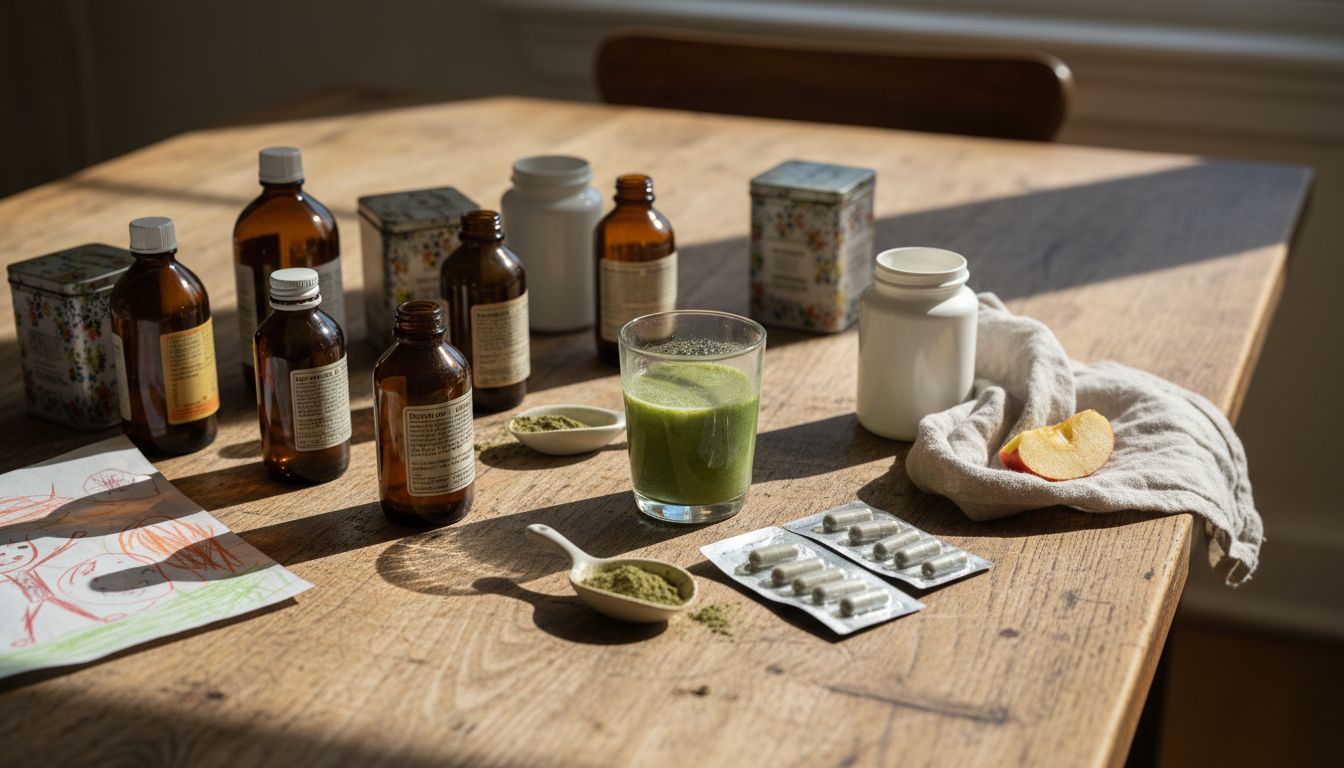
#nutribliss recommends selecting herbal supplements that align with specific health objectives, understanding potential interactions, and maintaining realistic expectations about their potential benefits. Each herbal supplement presents unique characteristics, and individual responses can vary significantly based on personal physiology, existing health conditions, and overall lifestyle factors.
How Herbal Supplements Support Health and Wellness
Herbal medicines have been utilized worldwide for over 5,000 years to preserve and enhance human health. These natural plant-based products offer a holistic approach to wellness, targeting various physiological systems and addressing specific health challenges. By providing concentrated botanical extracts, herbal supplements can support immune function, reduce inflammation, improve energy levels, and promote overall metabolic balance.
The primary health support mechanisms of herbal supplements include:
- Immune System Enhancement: Stimulating natural defense responses
- Stress Reduction: Helping regulate cortisol and manage psychological tension
- Metabolic Support: Improving energy production and cellular efficiency
- Anti-inflammatory Properties: Reducing systemic inflammation
- Cognitive Function: Supporting mental clarity and neurological health
Supplement selection strategies play a crucial role in maximizing potential health benefits while minimizing risks. Consumers should approach herbal supplementation with careful consideration, understanding that while many supplements are low risk, some can interact with medications or produce unexpected physiological responses. Professional medical consultation remains essential for personalized guidance.
#nutribliss emphasizes that herbal supplements are not universal solutions but potential complementary tools in a comprehensive wellness strategy. Individual responses vary, and effectiveness depends on factors like personal physiology, existing health conditions, lifestyle, and proper dosage. Integrating herbal supplements thoughtfully can contribute to a balanced approach to preventative health and holistic well-being.
Potential Risks and Safety Considerations
Herbal supplements are not regulated with the same stringent standards as pharmaceutical drugs, which introduces potential safety challenges for consumers. This lack of comprehensive oversight means that product quality, purity, and consistent manufacturing can vary significantly across different brands and suppliers. Potential risks include unexpected interactions with prescription medications, potential allergic reactions, and unintended physiological responses.
Key safety considerations for herbal supplement consumption include:
- Medication Interactions: Potential interference with prescribed drugs
- Allergic Reactions: Risk of unexpected immune system responses
- Dosage Complications: Potential for overconsumption or incorrect usage
- Quality Inconsistencies: Variations in product purity and concentration
- Pre-existing Health Conditions: Risks for individuals with specific medical histories
Dietary supplement selection strategies become crucial in mitigating potential health risks. Comprehensive health monitoring is essential, particularly for individuals planning surgical procedures, managing chronic conditions, or taking multiple medications. Healthcare professionals recommend thorough consultation and careful evaluation before integrating new herbal supplements into one’s wellness routine.
#nutribliss emphasizes that while herbal supplements offer potential health benefits, responsible consumption requires informed decision-making. Consumers should prioritize understanding their individual health profile, potential contraindications, and seek professional medical guidance to ensure safe and effective supplementation.
Comparing Herbal Supplements to Other Alternatives
Herbal supplements have been utilized for thousands of years as alternative health solutions with distinct characteristics compared to conventional medical treatments. Unlike pharmaceutical medications, these plant-based remedies offer a more holistic approach to wellness, focusing on natural compounds and supporting the body’s inherent healing mechanisms. The key differences extend beyond chemical composition to include approach, regulatory oversight, and intended therapeutic outcomes.
Key comparative aspects between herbal supplements and alternative health approaches include:
- Natural Origin: Plant-based versus synthetic compounds
- Regulatory Oversight: Limited regulation compared to pharmaceutical drugs
- Holistic Approach: Whole-system wellness versus targeted symptom management
- Side Effect Profile: Generally milder compared to prescription medications
- Cost Considerations: Often more affordable than traditional medical treatments
Third-party tested supplements provide an additional layer of quality assurance in the herbal supplement marketplace. While conventional medications undergo rigorous clinical trials, herbal supplements typically have less comprehensive scientific validation. This means consumers must approach these alternatives with careful research and professional medical consultation.
#nutribliss emphasizes that herbal supplements are not universal replacements for conventional medical treatments. Individual health needs vary, and what works for one person might not be equally effective for another. Integrating herbal supplements should be a carefully considered decision made in consultation with healthcare professionals, taking into account individual health conditions, potential interactions, and specific wellness goals.
Unlock the Real Benefits of Herbal Supplements for Your Wellness Journey
Choosing the right herbal supplements can be overwhelming because natural does not always mean safe or right for everyone. This article highlights common challenges like potential medication interactions and the need for careful product selection to truly support your health goals. Whether you want to boost your immune system, enhance energy, or promote overall well-being, understanding how herbal supplements work is essential.
Discover how you can confidently integrate these botanical powerhouses with our extensive range of Supplements for Health & Wellness designed to complement your lifestyle while prioritizing quality and transparency.

Start your path to balanced wellness today by exploring our Superfood Collection and trusted Detox Supplements to cleanse and nourish your body naturally. Visit Nutribliss.us now to find expert-backed herbal solutions that fit your unique health story. Take control of your health with confidence and vitality.
Frequently Asked Questions
What are herbal supplements?
Herbal supplements are plant-based dietary products designed to provide additional nutritional support beyond a regular diet. They come in various forms, including tablets, capsules, powders, and liquid extracts, and are used for various wellness purposes.
How do herbal supplements support health and wellness?
Herbal supplements can enhance immune function, reduce inflammation, improve energy levels, and promote overall metabolic balance. They provide concentrated botanical extracts targeting specific health challenges and physiological systems.
Are herbal supplements safe to use?
While herbal supplements are derived from natural sources, they are not universally safe. They can interact with medications and pose risks for individuals with specific health conditions. It’s essential to consult with a healthcare professional before using them to understand potential interactions and safety considerations.
What are the key types of herbal supplements available?
Common types of herbal supplements include immune support botanicals (like echinacea and elderberry), energy enhancement herbs (such as ginseng), stress reduction supplements (including rhodiola), digestive health herbs (like peppermint), and cognitive function boosters (such as ginkgo biloba).