

Choosing the right fitness supplements can feel overwhelming as the market evolves rapidly with new ingredients, formats, and promises. In 2026, health-conscious individuals and fitness enthusiasts face an expanding array of options claiming to enhance athletic performance and overall wellness. This article cuts through the noise to guide you through the top science-backed supplement trends emerging this year. You’ll discover which natural compounds deliver real results, how personalized nutrition is reshaping supplementation, and which convenient formats are gaining traction among athletes and active adults seeking optimal performance and recovery.
Table of Contents
- Key takeaways
- How to evaluate and select fitness supplements in 2026
- Urolithin A and herbal supplements enhancing endurance and recovery
- Creatine, plant-based proteins, and multi-ingredient supplements for muscle power and hypertrophy
- Rising formats and market trends: gummies, hydration, and older adults’ priorities
- Supplement comparison and recommendations for your fitness goals
- Explore trustworthy supplements to support your fitness journey
- Frequently asked questions
Key Takeaways
| Point | Details |
|---|---|
| Personalized nutrition shift | Nutrition tailored by age, gender, and fitness goals improves supplement effectiveness. |
| Clean label plant based | Consumers demand transparent natural ingredients over stimulant heavy formulas. |
| Gummy formats rising | Convenient formats like gummies and ready to drink formulas boost adherence without sacrificing quality. |
| Urolithin A and ashwagandha | Natural compounds are linked to improved endurance and recovery through mitochondrial support and stress hormone modulation. |
| Training plus supplements | Combination supplements paired with targeted exercise yield greater muscle outcomes than supplements alone. |
How to evaluate and select fitness supplements in 2026
The fitness supplement landscape has shifted dramatically toward personalized nutrition approaches that recognize individual differences in age, gender, and fitness goals. Clean-label, plant-based ingredients are displacing traditional stimulant-heavy formulas as consumers demand transparency and natural solutions. This transformation reflects a broader wellness movement prioritizing holistic health over quick fixes.
When evaluating supplements, focus on several critical criteria. Scientific backing should be your first checkpoint, look for ingredients with peer-reviewed research demonstrating efficacy in human trials. Safety profiles matter equally, particularly for long-term use. Understanding the mechanism of action helps you match supplements to specific goals, whether you’re targeting muscle endurance, recovery, or strength gains.
Age and gender significantly influence supplement needs and effectiveness. Older adults typically prioritize bone density, joint health, and cognitive function, while younger athletes focus on power output and muscle hypertrophy. Women may respond differently than men to certain protein supplements and dosing protocols, making personalized approaches essential.
Convenient formats like gummies and ready-to-drink formulas have revolutionized compliance. If you struggle with large capsules or mixing powders, these alternatives maintain efficacy while fitting seamlessly into busy lifestyles. The key is matching format to your routine without compromising ingredient quality or dosage.
Pro Tip: Before adding any supplement, assess your current diet and training program. Supplements enhance a solid foundation but cannot compensate for poor nutrition or inconsistent exercise. Track your baseline performance metrics to objectively measure supplement impact over 4 to 8 weeks.
Consider these evaluation factors when comparing options:
- Evidence quality: Look for meta-analyses and randomized controlled trials, not just manufacturer claims
- Dosage transparency: Avoid proprietary blends that hide actual ingredient amounts
- Third-party testing: Certifications from NSF or Informed-Sport verify purity and label accuracy
- Bioavailability: Some forms of nutrients absorb better than others, affecting real-world results
Urolithin A and herbal supplements enhancing endurance and recovery
Urolithin A represents one of the most exciting natural compounds emerging in sports nutrition. This metabolite, derived from ellagitannins found in pomegranates and berries, enhances muscle endurance and VO2max through a process called mitophagy. Essentially, it helps your cells clear out damaged mitochondria and generate fresh, efficient energy-producing organelles. Athletes supplementing with urolithin A report improved stamina during prolonged exercise and faster recovery between training sessions.
Ashwagandha, an adaptogenic herb used in traditional medicine for centuries, has gained scientific validation for fitness applications. Research shows ashwagandha supports strength gains, enhances VO2max, and accelerates recovery by modulating stress hormones and reducing exercise-induced inflammation. Unlike stimulants that spike cortisol, ashwagandha helps maintain hormonal balance while supporting performance. This makes it particularly valuable for athletes managing high training volumes or competing under pressure.
The mechanisms behind these herbal supplements differ fundamentally from traditional pre-workouts. Rather than providing acute energy through caffeine or other stimulants, they optimize cellular function and stress adaptation over time. You won’t feel an immediate buzz, but consistent use builds resilience and capacity. Studies typically show benefits emerging after 4 to 8 weeks of daily supplementation.
Safety profiles for both compounds appear favorable in research to date. Urolithin A occurs naturally in the body when gut bacteria metabolize certain foods, though supplementation ensures consistent levels regardless of individual microbiome variation. Ashwagandha has been consumed for thousands of years with minimal reported side effects at recommended doses.
Pro Tip: Effective urolithin A doses in studies typically range from 500mg to 1000mg daily for 4 to 8 weeks. For ashwagandha, look for standardized extracts containing 5% withanolides at 300mg to 600mg per day. The ashwagandha and black pepper combination enhances absorption through piperine, maximizing bioavailability.
Key benefits of these natural endurance enhancers include:
- Mitochondrial health optimization for sustained energy production
- Stress hormone regulation supporting recovery and adaptation
- Anti-inflammatory effects reducing muscle damage and soreness
- Improved oxygen utilization during cardiovascular exercise
- Safe, non-stimulant performance enhancement suitable for long-term use
Creatine, plant-based proteins, and multi-ingredient supplements for muscle power and hypertrophy
Creatine monohydrate remains the gold standard for strength and power enhancement, backed by decades of research. It works by increasing phosphocreatine stores in muscles, enabling rapid ATP regeneration during high-intensity efforts. This translates to more reps, heavier loads, and greater training stimulus for muscle growth. The supplement is so well-established that it serves as the benchmark against which newer compounds are measured.
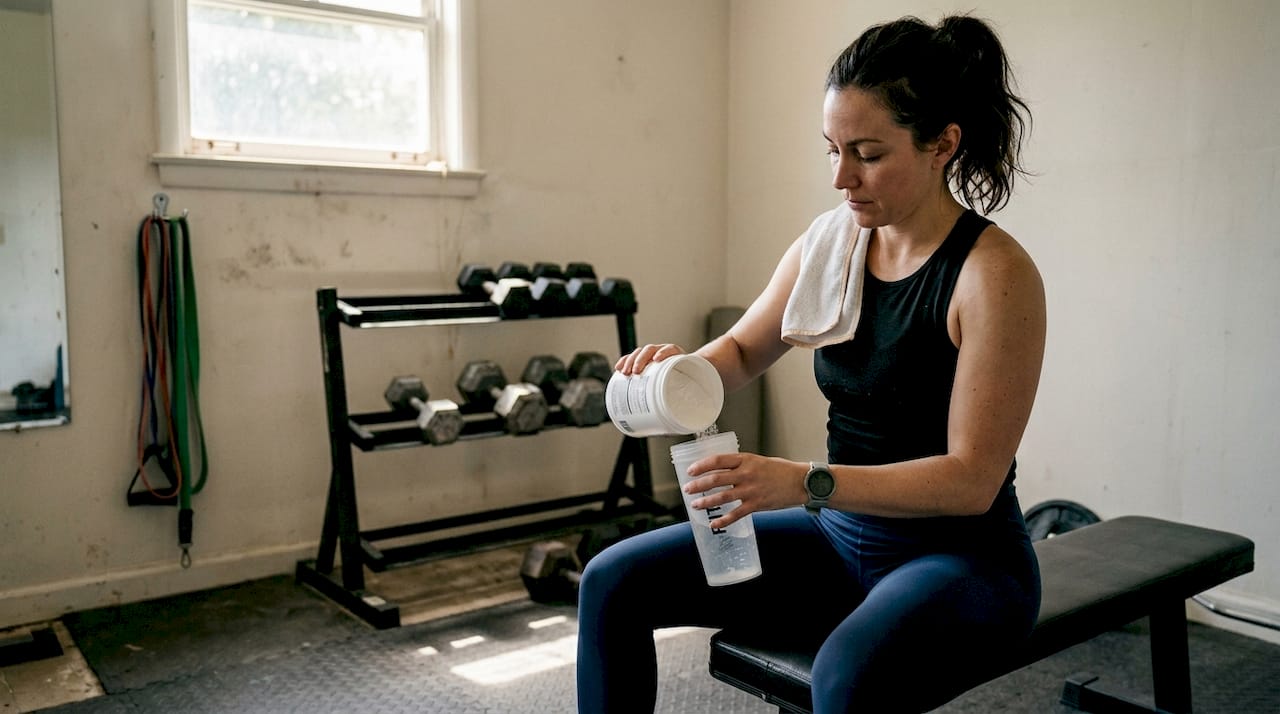
Plant-based proteins have evolved significantly, with manufacturers now optimizing leucine content to match animal protein effectiveness. Leucine, a branched-chain amino acid, triggers muscle protein synthesis, the biological process driving muscle repair and growth. Earlier plant proteins fell short because individual plant sources lacked complete amino acid profiles. Modern blends combine pea, rice, and hemp proteins to deliver leucine levels comparable to whey, making them viable for serious athletes following plant-based diets.
Multi-ingredient protein supplements represent the latest evolution in muscle-building nutrition. Recent research demonstrates that combination supplements plus resistance exercise significantly increase fat-free mass and muscle strength, with particularly strong effects in women. These formulas typically blend proteins with creatine, amino acids, and sometimes carbohydrates to provide comprehensive nutritional support around training.
Timing and individual characteristics modulate supplement effectiveness. Younger participants and those new to training often show more dramatic responses than experienced athletes. Taking protein within 2 hours post-workout appears optimal for muscle protein synthesis, though total daily protein intake matters more than precise timing for most people.
| Supplement Type | Primary Benefit | Ideal User | Typical Dose |
|---|---|---|---|
| Creatine monohydrate | Power and strength | All athletes seeking performance gains | 3-5g daily |
| Plant protein blends | Muscle growth and recovery | Plant-based athletes, lactose-intolerant individuals | 20-30g post-workout |
| Multi-ingredient formulas | Comprehensive muscle support | Women, beginners, convenience seekers | Per product label |
Pro Tip: Load creatine with 20g daily for 5 to 7 days, then maintain with 3g to 5g daily. This saturates muscle stores quickly. For plant-based proteins, choose products listing leucine content explicitly, targeting at least 2.5g per serving to maximize muscle protein synthesis.
Consider these factors when selecting muscle-building supplements:
- Creatine form: Monohydrate offers the best evidence and value compared to newer forms
- Protein source quality: Look for third-party amino acid testing verifying leucine content
- Formula complexity: More ingredients aren’t always better, focus on proven compounds
- Personal response: Track strength and body composition changes to assess individual effectiveness
Explore the full range of fitness supplements to find formulas matching your specific training goals and dietary preferences.
Rising formats and market trends: gummies, hydration, and older adults’ priorities
Supplement formats are diversifying rapidly as manufacturers recognize that convenience drives compliance. Gummy supplements have exploded in popularity, and the data tells a compelling story. Market penetration jumped from just 2% in 2020 to 17% by 2025, reflecting consumer preference for enjoyable, portable options. These chewable formats eliminate the need for water and mixing, making supplementation effortless during travel or busy workdays.
Hydration and electrolyte supplements dominate performance claims in 2026, with energy and stamina positioning leading product launches. Athletes increasingly understand that even mild dehydration impairs performance, cognitive function, and recovery. Modern electrolyte formulas go beyond basic sodium and potassium, incorporating magnesium, calcium, and trace minerals to support comprehensive hydration and muscle function.
Older adults represent a growing and influential consumer segment with distinct priorities. This demographic focuses on bone density, joint health, and cognitive function rather than pure performance metrics. Supplements supporting these needs, including collagen, vitamin D, calcium, and omega-3 fatty acids, are experiencing robust growth. The aging population’s emphasis on preventive health and quality of life is reshaping product development across the industry.
Mental health enhancement has emerged as a key market driver, with supplements targeting stress reduction, sleep quality, and mood balance gaining traction. This reflects a holistic wellness approach where physical performance and mental wellbeing are viewed as interconnected. Adaptogens, magnesium, and specialized amino acids address this demand.
| Format | Advantages | Disadvantages | Best For |
|---|---|---|---|
| Gummies | Enjoyable taste, portable, no water needed | Lower dose per serving, added sugars | Daily vitamins, minerals, adaptogens |
| Powders | High dose flexibility, cost-effective, fast absorption | Requires mixing, less portable | Proteins, creatine, pre-workouts |
| Capsules | Precise dosing, long shelf life, tasteless | Swallowing difficulty for some, slower absorption | Concentrated extracts, fat-soluble vitamins |
These format innovations lower barriers to consistent supplementation. If you’ve struggled with large pills or unpalatable powders, exploring alternative delivery methods might improve your adherence. The most effective supplement is the one you actually take consistently.
Key trends reshaping the supplement market include:
- Format diversity accommodating different preferences and lifestyles
- Hydration-focused products recognizing electrolyte balance as performance-critical
- Age-specific formulations addressing life stage nutritional needs | Preventive wellness positioning beyond athletic performance alone
Browse the complete Nutribliss collection to discover formats and formulas aligned with current market innovations and your personal preferences.
Supplement comparison and recommendations for your fitness goals
Choosing the right supplement requires matching ingredients to your specific objectives and constraints. This comparison synthesizes the key options discussed, highlighting their strengths, limitations, and ideal applications.
| Supplement | Primary Benefits | Considerations | Best For |
|---|---|---|---|
| Urolithin A | Endurance, mitochondrial health, recovery | Requires 4-8 weeks for effects, relatively new | Endurance athletes, aging athletes |
| Ashwagandha | Stress reduction, strength support, recovery | Not for acute performance, takes weeks | High-stress athletes, overtraining prevention |
| Creatine | Power, strength, muscle growth | Requires daily consistency, minor water retention | Strength and power athletes |
| Plant protein | Muscle growth, recovery, plant-based nutrition | Must verify leucine content | Vegan/vegetarian athletes, lactose intolerance |
| Multi-ingredient | Comprehensive support, convenience | More expensive, ingredient quality varies | Beginners, women, convenience priority |
| Electrolytes | Hydration, performance, recovery | Needs matching to sweat rate | All athletes, especially endurance |
Tailoring supplementation to common fitness goals:
- Endurance and stamina: Combine urolithin A for mitochondrial support with electrolytes for hydration. Add ashwagandha if training stress is high.
- Strength and power: Prioritize creatine as your foundation. Add a quality protein source post-workout for recovery.
- Muscle growth and hypertrophy: Use protein (20-30g post-workout) with creatine daily. Consider multi-ingredient formulas for comprehensive support.
- Recovery and injury prevention: Focus on ashwagandha for stress management, protein for tissue repair, and electrolytes for hydration status.
- Healthy aging and longevity: Emphasize urolithin A for cellular health, collagen for joints, and mineral supplements for bone density.
Pro Tip: Cycle intensive supplements like creatine in 8 to 12 week blocks with 4 week breaks to assess baseline performance and prevent dependency. Always consult a healthcare provider before starting new supplements, especially if you take medications or have underlying health conditions. Start with one supplement at a time to isolate effects and identify any adverse reactions.
Implementing an effective supplement strategy:
- Assess your current diet and identify genuine nutritional gaps rather than supplementing blindly
- Choose 2 to 3 core supplements addressing your primary goals instead of a dozen marginal additions
- Establish consistent timing and dosing, using reminders if needed to build the habit
- Track objective performance metrics like strength, endurance times, or recovery markers
- Evaluate results after 8 to 12 weeks and adjust based on measurable outcomes
- Prioritize sleep, nutrition, and training quality, supplements enhance but never replace fundamentals
Explore trustworthy supplements to support your fitness journey
Nutribliss offers clean-label, plant-based supplements reflecting the cutting-edge trends discussed throughout this article. Our product line emphasizes science-backed ingredients with transparent dosing, third-party testing, and formats designed for real-world convenience. Whether you’re seeking endurance support, muscle-building nutrition, or recovery optimization, you’ll find formulas aligned with the latest research and your wellness priorities.
Discover the science behind our superfood ingredients to understand how we select and source compounds for maximum efficacy. Our complete supplement collection includes proteins, adaptogens, minerals, and specialized performance products. For athletes prioritizing hydration, our electrolytes supplement delivers comprehensive mineral support in a convenient, great-tasting format. Personalize your supplement plan using our guidance to match products to your unique fitness journey.

Frequently asked questions
What are the biggest fitness supplement trends in 2026?
Plant-based, clean-label ingredients are replacing stimulant-heavy formulas as consumers prioritize holistic wellness. Personalized nutrition targeting age and gender-specific needs is reshaping product development. Convenient formats like gummies have grown dramatically, improving compliance for busy athletes.
How does urolithin A improve athletic performance?
Urolithin A enhances mitochondrial function through mitophagy, the process of clearing damaged cellular powerhouses and generating fresh ones. This improves muscle endurance, VO2max, and recovery capacity. Studies show benefits emerging after 4 to 8 weeks of supplementation at 500mg to 1000mg daily.
Are plant-based proteins as effective as whey for muscle growth?
Modern plant protein blends optimized for leucine content match whey’s effectiveness for muscle protein synthesis and growth. The key is choosing products with complete amino acid profiles and at least 2.5g leucine per serving. Quality matters more than source when formulas are properly designed.
What supplements should older adults prioritize for fitness?
Older adults benefit most from supplements supporting bone density, joint health, and cellular function. Prioritize vitamin D, calcium, collagen, omega-3s, and emerging compounds like urolithin A for mitochondrial health. These address the physiological changes accompanying aging while supporting continued physical activity.
How long does it take to see results from fitness supplements?
Timelines vary by supplement type. Creatine shows strength benefits within 1 to 2 weeks. Protein effects appear within days for recovery but take weeks for visible muscle growth. Natural compounds like urolithin A and ashwagandha require 4 to 8 weeks of consistent use. Track objective metrics to assess individual response.
Are gummy supplements as effective as capsules or powders?
Gummy supplements can be equally effective if they contain adequate active ingredient doses and maintain stability. The main limitation is lower dose per serving due to format constraints. They excel for vitamins, minerals, and adaptogens but may not suit high-dose needs like 20g protein servings.