

You’ve probably heard probiotics can cure everything from acne to anxiety. The truth is more nuanced but equally powerful. Probiotics are live microorganisms that modulate your gut microbiota, offering genuine benefits for digestive health, immune function, and athletic performance when used correctly. For fitness enthusiasts and health-conscious individuals, understanding how specific probiotic strains work can transform your wellness routine. This article explains the science behind probiotics, their mechanisms of action, evidence-based benefits for athletes, safety considerations, and practical strategies to maximize results through diet and supplementation.
Table of Contents
- Key takeaways
- What are probiotics and how do they work?
- How probiotics benefit fitness enthusiasts and athletes
- Strain specificity, dosing, and safety considerations
- Maximizing probiotic benefits with diet and supplement strategies
- Explore Nutribliss supplements to support your gut and fitness goals
- Frequently asked questions
Key Takeaways
| Point | Details |
|---|---|
| GI side effects | Some individuals may experience digestive discomfort or other risks when starting probiotic supplements. |
| Strain and dose matter | Effectiveness depends on selecting specific strains and administering appropriate doses for your goals. |
| Endurance and recovery | Probiotic use may enhance athletic endurance and aid recovery by supporting gut health and reducing inflammation. |
| Prebiotic synergy | Combining probiotics with prebiotics feeds beneficial bacteria and improves colonization and overall benefits. |
What are probiotics and how do they work?
Probiotics are live microorganisms, primarily Lactobacillus and Bifidobacterium strains, that confer health benefits by modulating gut microbiota. These beneficial bacteria colonize your digestive tract, where they interact with existing microbial communities to support various physiological functions. Unlike harmful pathogens, probiotics establish symbiotic relationships with your body, contributing to digestion, nutrient absorption, and immune regulation.
The two dominant probiotic families serve distinct roles. Lactobacillus species thrive in the small intestine and vaginal tract, producing lactic acid that creates an inhospitable environment for harmful bacteria. Bifidobacterium species predominate in the colon, fermenting dietary fibers into beneficial compounds. Both families include dozens of strains, each with unique capabilities and health applications. Understanding this diversity helps you select probiotics aligned with your specific wellness goals.
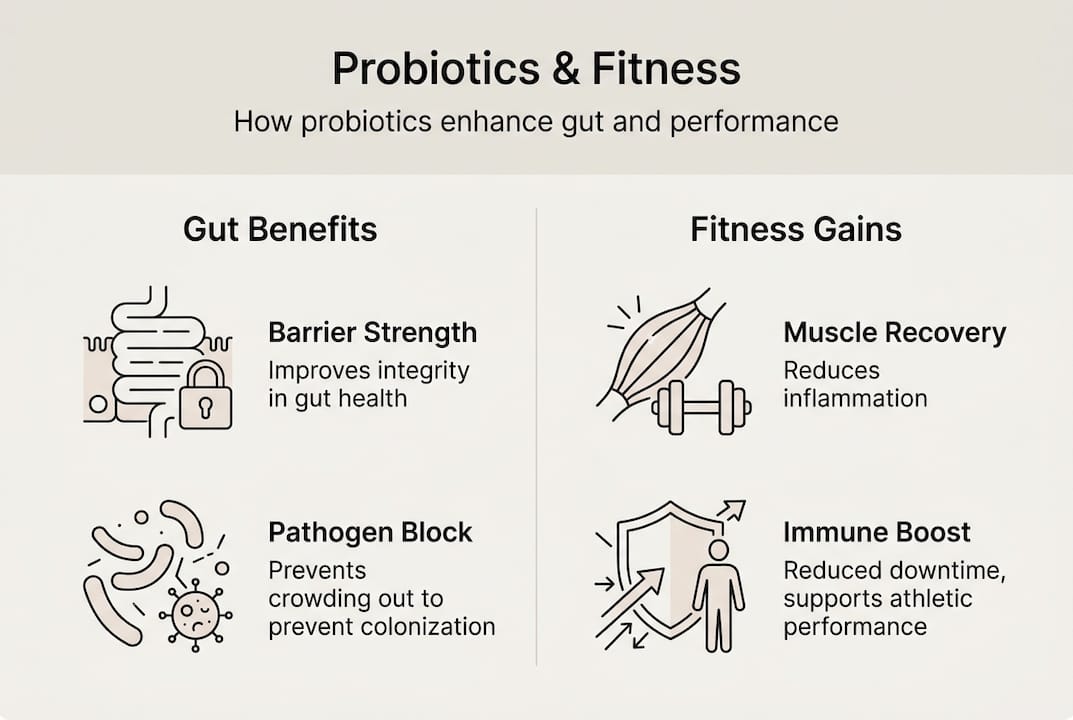
Probiotics work through multiple mechanisms: competitive exclusion of pathogens, antimicrobial substance production, enhancement of epithelial barrier, immunomodulation, and neurotransmitter production. Competitive exclusion means probiotics occupy binding sites on intestinal walls, preventing harmful bacteria from attaching and proliferating. They also secrete bacteriocins and organic acids that directly inhibit pathogen growth. These antimicrobial effects create a healthier microbial balance without the broad-spectrum disruption caused by antibiotics.
Beyond pathogen control, probiotics strengthen your intestinal barrier by stimulating mucus production and tightening junctions between epithelial cells. This barrier function prevents toxins and undigested food particles from entering your bloodstream, a condition known as intestinal permeability or leaky gut. A robust barrier reduces systemic inflammation and supports immune function. Probiotics also communicate directly with immune cells in gut-associated lymphoid tissue, modulating inflammatory responses and enhancing antibody production.
The gut-brain axis represents another fascinating mechanism. Certain probiotic strains produce neurotransmitters like serotonin and gamma-aminobutyric acid (GABA), which influence mood, stress response, and cognitive function. While research continues, this connection explains why gut health impacts mental well-being. For a deeper exploration of probiotic fundamentals, check out our probiotic gut health guide. Scientists continue investigating these probiotic mechanisms to unlock new therapeutic applications.
Key mechanisms include:
- Competitive exclusion prevents pathogen colonization by occupying intestinal binding sites
- Antimicrobial production directly inhibits harmful bacteria through bacteriocins and organic acids
- Barrier enhancement strengthens intestinal walls and reduces permeability
- Immune modulation balances inflammatory responses and boosts antibody production
- Neurotransmitter synthesis influences mood and cognitive function through the gut-brain axis
How probiotics benefit fitness enthusiasts and athletes
Athletes and fitness enthusiasts face unique physiological demands that probiotics can address. Probiotics improve athletic endurance with VO2max improvements ranging from 0.74 to 2.21 standard mean difference and reduce inflammation via gut-muscle axis and short-chain fatty acid production. VO2max measures your body’s maximum oxygen utilization during intense exercise, a key indicator of aerobic capacity and endurance performance. These improvements translate to longer training sessions, faster recovery, and enhanced competitive performance.

The gut-muscle axis explains how probiotics influence athletic performance beyond digestion. When probiotics ferment dietary fibers, they produce short-chain fatty acids like butyrate, propionate, and acetate. These compounds serve as energy substrates for muscle cells and modulate metabolic pathways that enhance endurance. SCFAs also improve insulin sensitivity, helping your muscles efficiently utilize glucose during exercise. This metabolic optimization supports sustained energy output and delays fatigue.
Immune support represents another critical benefit for athletes. Intense training suppresses immune function temporarily, creating windows of vulnerability to infections. Probiotics reduce TNF-α and increase IgA, IFN-γ supporting immunity and recovery in athletes. Tumor necrosis factor alpha is an inflammatory marker elevated after strenuous exercise, while immunoglobulin A protects mucosal surfaces from pathogens. Interferon gamma enhances cellular immune responses. By modulating these markers, probiotics help maintain immune competence during heavy training periods.
Recovery enhancement stems from probiotics’ immunomodulatory effects. Exercise-induced muscle damage triggers inflammatory cascades necessary for adaptation, but excessive inflammation delays recovery and impairs performance. Probiotics help calibrate this response, reducing unnecessary inflammation while preserving beneficial adaptive signals. This balanced approach accelerates tissue repair, reduces soreness, and shortens the time needed between intense training sessions. Athletes can train harder and more frequently without compromising recovery.
For comprehensive immune support strategies, explore our guide on immune boost for athletes. Consider our Nutribliss probiotics supplement formulated with strains shown to support athletic performance.
Athletic benefits include:
- Endurance improvement through enhanced VO2max and aerobic capacity
- SCFA production providing alternative energy substrates for muscles
- Inflammation reduction via modulation of TNF-α and other markers
- Immune competence maintenance during intense training periods
- Recovery acceleration through balanced inflammatory responses
Pro Tip: Choose probiotic supplements with strain-specific research supporting athletic performance rather than generic formulations. Look for products listing exact strain designations like Lactobacillus plantarum TWK10 or Bifidobacterium longum, which have documented benefits for endurance and recovery.
Strain specificity, dosing, and safety considerations
Not all probiotics deliver the same benefits. Strain specificity means that effects observed with one probiotic strain cannot be assumed for another, even within the same species. For example, Lactobacillus rhamnosus GG excels at preventing antibiotic-associated diarrhea, while Lactobacillus plantarum 299v reduces IBS symptoms. This specificity requires careful product selection based on your health objectives rather than assuming any probiotic will work.
Effective doses range from 10^9 to 10^11 CFU per day, with strain-specific effects varying and impacting outcomes. Colony-forming units measure viable probiotic organisms in a supplement. Lower doses may prove insufficient for therapeutic effects, while excessively high doses don’t necessarily improve outcomes and may increase side effect risk. Most clinical studies demonstrating health benefits use doses within this range, providing a reasonable target for supplementation.
| Probiotic Strain | Typical Dose (CFU) | Primary Benefits |
|---|---|---|
| Lactobacillus rhamnosus GG | 10-20 billion | Diarrhea prevention, immune support |
| Bifidobacterium longum | 5-10 billion | Digestive comfort, stress reduction |
| Lactobacillus plantarum 299v | 10-20 billion | IBS symptom relief, inflammation reduction |
| Saccharomyces boulardii | 5-10 billion | Antibiotic-associated diarrhea, C. difficile prevention |
| Lactobacillus acidophilus | 1-10 billion | Lactose digestion, vaginal health |
Safety considerations matter despite probiotics’ generally favorable profile. Common side effects include transient gas and bloating, particularly during the first week of supplementation as your gut microbiota adjusts. These symptoms typically resolve without intervention. However, certain populations face higher risks. Immunocompromised individuals, including those with HIV/AIDS, undergoing chemotherapy, or taking immunosuppressive medications, should avoid probiotics due to infection risk from live organisms.
Small intestinal bacterial overgrowth presents another contraindication. SIBO occurs when bacteria colonize the small intestine inappropriately, causing bloating, diarrhea, and malabsorption. Adding probiotics can worsen symptoms by increasing bacterial load in an already overpopulated environment. If you experience persistent digestive symptoms despite probiotic use, consider testing for SIBO before continuing supplementation. Our ultimate probiotic supplements guide provides additional selection criteria.
Safety points to remember:
- Mild gas and bloating during the first week are normal adjustment symptoms
- Immunocompromised individuals should consult physicians before probiotic use
- SIBO patients may experience symptom worsening with probiotics
- Quality matters as contamination or mislabeling can occur in poorly manufactured products
- Refrigeration requirements vary by strain and formulation
Pro Tip: Test for conditions like SIBO through breath testing before starting probiotics if you have chronic unexplained digestive symptoms. This simple step prevents potentially worsening an underlying condition and guides more effective treatment.
Maximizing probiotic benefits with diet and supplement strategies
Probiotics work best within a comprehensive gut health strategy. Combining probiotics with prebiotics as synbiotics improves probiotic viability and effectiveness. Prebiotics are non-digestible fibers that feed beneficial bacteria, enhancing their survival through the acidic stomach environment and supporting colonization in the intestines. Common prebiotics include inulin, fructooligosaccharides, and galactooligosaccharides found in foods like garlic, onions, bananas, and whole grains.
Synbiotic supplementation offers advantages over probiotics alone. The prebiotic component provides immediate fuel for probiotic strains, accelerating their establishment and metabolic activity. This combination approach produces more consistent results across individuals with varying baseline gut microbiota compositions. When selecting synbiotic products, ensure the prebiotic type matches the metabolic preferences of included probiotic strains for optimal synergy.
Implementing probiotics effectively requires a systematic approach:
- Consult a healthcare professional or registered dietitian to identify your specific gut health needs and rule out contraindications like SIBO or immunocompromise
- Choose probiotic strains with clinical evidence supporting your health goals, whether athletic performance, immune support, or digestive comfort
- Time probiotic doses strategically, typically with meals to buffer stomach acid and enhance survival, though some strains tolerate empty stomach conditions
- Maintain dietary diversity with fiber-rich whole foods providing natural prebiotics to support probiotic colonization and overall microbiota health
- Monitor your response over 4-6 weeks, as microbiota changes occur gradually and initial side effects typically resolve within the first week
- Adjust strains or doses based on outcomes, recognizing that individual responses vary due to unique baseline microbiota compositions
Personalization represents the future of probiotic therapy. Diverse diet and personalized multi-omics approaches represent the future of probiotic use. Multi-omics combines genomic, metabolomic, and metagenomic data to characterize your unique gut microbiota and predict which probiotic strains will produce optimal results. While this technology remains primarily in research settings, direct-to-consumer microbiome testing services offer preliminary insights into your microbial composition.
Diet diversity matters as much as probiotic supplementation. A varied diet rich in different fiber types feeds diverse bacterial populations, creating a resilient microbiota ecosystem. Include fermented foods like yogurt, kefir, sauerkraut, and kimchi providing both probiotics and fermentation byproducts that support gut health. Polyphenol-rich foods like berries, green tea, and dark chocolate also promote beneficial bacteria growth through prebiotic-like effects.
Emerging advances promise more targeted probiotic interventions. Scientists are engineering probiotic strains with enhanced capabilities, such as improved acid tolerance, specific metabolite production, or targeted delivery to particular intestinal regions. These next-generation probiotics may offer superior efficacy for specific conditions. Combining these innovations with personalized microbiome profiling will enable precision probiotic therapy tailored to individual needs.
For comprehensive prebiotic information, review our prebiotic fiber supplements guide. Learn more about gut health fundamentals at our science of gut health digestion resource.
Explore Nutribliss supplements to support your gut and fitness goals
Now that you understand how probiotics enhance gut health and athletic performance, consider how Nutribliss products can support your wellness journey. Our Nutribliss probiotics supplement delivers clinically studied strains at effective doses to support digestive balance and immune function. Each capsule provides the beneficial microorganisms your gut needs to thrive.

Complement your probiotic regimen with our Nutribliss electrolytes supplement to maintain hydration and support performance during intense training. Proper electrolyte balance works synergistically with gut health to optimize nutrient absorption and cellular function. Explore our complete line of recovery supplements designed to accelerate post-workout repair and reduce inflammation. Together, these science-backed formulations create a comprehensive approach to fitness and wellness grounded in gut health principles.
Frequently asked questions
What types of probiotics are best for fitness enthusiasts?
Lactobacillus and Bifidobacterium strains commonly improve endurance and immunity, with certain strains like Lactobacillus plantarum TWK10 specifically targeting athletic performance. Choose supplements with clinically studied strains rather than generic formulations for best results. Our Nutribliss probiotics supplement includes research-backed strains selected for active individuals.
Can probiotics cause side effects or interfere with other conditions?
Common side effects are mild and transient, such as gas and bloating during the first week as your gut adjusts to new bacterial populations. Avoid probiotics if immunocompromised or diagnosed with small intestinal bacterial overgrowth, as these conditions create higher infection risks or symptom worsening. Most healthy individuals tolerate probiotics well when using appropriate doses.
Should I combine probiotics with prebiotics for better results?
Prebiotics feed probiotics, improving their survival through stomach acid and colonization in your intestines. Using synbiotics, which combine both components, enhances gut health and performance benefits compared to probiotics alone. Our prebiotic fiber supplements guide explains how to incorporate both effectively.
How long does it take to notice probiotic benefits?
Most people experience initial digestive changes within one to two weeks, though meaningful benefits for immunity and athletic performance typically emerge after four to six weeks of consistent use. Microbiota changes occur gradually as probiotic strains establish themselves and influence existing bacterial populations. Patience and consistency produce the best outcomes.
Recommended
- What is a probiotic? Your 2026 guide to gut health
- Nutribliss Probiotics Supplement - Gut Health
- The Ultimate Guide to Probiotic Supplements for Digestive Health
- The Ultimate Guide to Prebiotic Fiber Supplements: Enhance Your Health
- Go Holistic - Your Path to Holistic Wellness | Alternative Medicine Platform