

Many athletes believe glutamine is a magic muscle builder that will transform their physique overnight. This misconception leads to unrealistic expectations and wasted supplement dollars. The truth is more nuanced and fascinating. Glutamine does play crucial roles in recovery and immune support, but not through direct muscle mass increases. This guide clarifies what glutamine actually does for your performance, how to use it strategically, and when supplementation makes sense for serious training.
Table of Contents
- Definition And Biochemical Role Of Glutamine
- Mechanisms Of Glutamine In Muscle Recovery And Immune Support
- Efficacy Evidence Of Glutamine Supplementation In Athletes
- Common Myths And Misinformation About Glutamine
- Comparison To Similar Amino Acids And Supplements
- Dosage, Timing, And Safety Of Glutamine Supplements
- Practical Guidance For Usage In Fitness Contexts
- Explore NutriBliss Supplements To Support Your Athletic Goals
- Frequently Asked Questions
Key Takeaways
| Point | Details |
|---|---|
| Conditionally Essential Status | Glutamine becomes essential during intense exercise when your body cannot produce enough to meet demands. |
| Recovery Mechanism | Replenishes depleted amino acid stores post-workout, supporting muscle repair without directly building mass. |
| Immune Protection | Regular supplementation reduces infection rates by 34% in athletes training intensely. |
| Optimal Dosing | 5-10 grams post-exercise provides maximum benefit with excellent safety profile. |
| Strategic Use | Most beneficial during high-stress training periods, not as a daily muscle-building supplement. |
Definition and Biochemical Role of Glutamine
Glutamine stands as the most abundant free amino acid in your body, comprising roughly 60% of the free amino acids in muscle tissue. Your body normally synthesizes adequate amounts from other amino acids, making it non-essential under typical conditions. However, the classification shifts to conditionally essential during periods of intense physical stress, illness, or injury when demand exceeds your body’s production capacity.
The biochemical importance of glutamine extends across multiple physiological systems:
- Nitrogen Transport: Shuttles nitrogen between tissues for protein synthesis and waste removal
- Energy Source: Fuels rapidly dividing cells including immune system lymphocytes and gut enterocytes
- Acid-Base Balance: Helps regulate pH during metabolic stress from intense training
- Precursor Molecule: Serves as building block for nucleotides, glutathione, and other critical compounds
During exhaustive exercise sessions, your muscles release significant glutamine into circulation to support immune function and recovery processes. This depletion can temporarily exceed synthesis rates, creating a deficit that impacts recovery speed and immune competence. Understanding this conditional essentiality explains why supplementation benefits some athletes while remaining unnecessary for recreational exercisers.
The biochemical profile of glutamine reveals why it occupies such a central position in metabolism. Its two nitrogen groups make it particularly efficient for transporting nitrogen throughout the body. This characteristic becomes crucial when protein turnover accelerates during recovery from muscle-damaging workouts.
Mechanisms of Glutamine in Muscle Recovery and Immune Support
Exhaustive training sessions can reduce plasma glutamine by up to 50%, creating a temporary deficit that compromises both recovery and immune surveillance. This dramatic depletion occurs because immune cells and gut tissue aggressively consume glutamine during stress responses. Your muscles sacrifice their glutamine stores to fuel these protective systems, potentially slowing their own repair processes.
The recovery mechanisms involve several interconnected pathways:
- Intracellular Replenishment: Restores depleted muscle glutamine pools that dropped during exercise
- Protein Synthesis Support: Provides substrate for rebuilding damaged muscle proteins
- Cell Volume Regulation: Maintains optimal cellular hydration status that signals anabolic processes
- Anti-Catabolic Effect: Reduces muscle protein breakdown rates during recovery periods
Glutamine’s immune support extends beyond simple fuel provision. Lymphocytes and macrophages rely heavily on glutamine for energy and proliferation. When plasma levels drop after intense training, these immune cells become less effective at detecting and neutralizing pathogens. This vulnerability explains the higher infection rates observed in overtrained athletes.
The gut barrier protection deserves special attention for endurance athletes. During prolonged exercise, blood flow shifts away from the digestive system toward working muscles. This reduced perfusion stresses intestinal cells that depend on glutamine for energy. Supplementation helps maintain gut barrier integrity, reducing the permeability issues that cause GI distress during races.
Pro Tip: If you experience frequent colds during heavy training blocks or race season, low glutamine availability might be compromising your immune defenses. Consider supplementation timing around your hardest workout weeks rather than year-round use.
The connection between glutamine and recovery extends to reducing delayed onset muscle soreness. By supporting faster repair of exercise-induced micro-damage and modulating inflammatory responses, adequate glutamine availability can decrease the severity and duration of post-workout soreness. This mechanism works synergistically with other recovery strategies like ZMA supplementation that support different aspects of the recovery cascade.
Efficacy Evidence of Glutamine Supplementation in Athletes
The research landscape for glutamine presents a nuanced picture that contradicts oversimplified marketing claims. Studies consistently show that glutamine alone does not significantly increase muscle size or strength compared to placebo when protein intake and training remain constant. The benefits emerge primarily in immune function and recovery acceleration rather than direct performance enhancement.
A particularly compelling study found that post-exercise glutamine reduced upper respiratory infections by 34% over an eight-week period in athletes. This effect becomes especially relevant during competition seasons when illness can derail training and performance. The magnitude of immune protection correlates with supplementation consistency and training intensity.
| Outcome Measure | Glutamine Effect | Placebo Response | Practical Significance |
|---|---|---|---|
| Infection Rate Reduction | 20-34% decrease | No change | High for competitive athletes |
| Muscle Mass Increase | No significant gain | No change | Low without other interventions |
| Recovery Time | 10-15% faster | Baseline | Moderate during intense phases |
| Gut Permeability | 30% improvement | Minimal | High for endurance events |
| Muscle Soreness | Slight reduction | No change | Low to moderate |
The timing and context of supplementation dramatically influence outcomes. Benefits appear most pronounced when glutamine is taken immediately post-exercise during periods of high training volume or intensity. Athletes training at moderate intensities with adequate rest typically show minimal benefits from supplementation.
Research also reveals that glutamine’s effects on athletic recovery and immune function depend heavily on baseline nutritional status. Athletes consuming inadequate total protein show greater responses than those already meeting protein requirements through diet. This finding suggests glutamine supplementation works best as part of a comprehensive nutrition strategy rather than a standalone solution.
The disconnect between glutamine’s popularity and its actual performance effects stems from misinterpreting its mechanisms. While it supports the recovery environment and immune competence necessary for consistent training, it does not directly stimulate muscle hypertrophy or strength gains the way resistance training and adequate protein do.
Common Myths and Misinformation About Glutamine
The supplement industry has created numerous misconceptions around glutamine that cloud evidence-based decision making. Understanding what glutamine cannot do proves as important as recognizing its legitimate benefits.
Myth: Glutamine Alone Builds Muscle Multiple controlled studies demonstrate that glutamine does not directly increase muscle size without concurrent resistance training and adequate total protein intake. The amino acid supports recovery processes but lacks the anabolic signaling capacity of leucine and other branched-chain amino acids. Marketing claims suggesting otherwise misrepresent the scientific evidence.
Myth: Everyone Needs Glutamine Supplements The conditionally essential nature means supplementation becomes necessary only under specific circumstances. Recreational exercisers training three to four times weekly at moderate intensity typically synthesize adequate glutamine. The need emerges during periods of extreme stress like competition preparation, two-a-day training sessions, or when recovering from injury.
Myth: Glutamine Causes Harmful Side Effects Extensive safety research shows glutamine supplementation at recommended doses (5-10 grams daily) produces no significant adverse effects in healthy individuals. The body tightly regulates glutamine metabolism, converting excess to other compounds or excreting it efficiently. Concerns about toxicity lack scientific foundation at typical supplementation levels.
Understanding Conditional Essentiality The term “conditionally essential” confuses many athletes who assume it means optional or unimportant. In reality, it describes amino acids that become essential under specific physiological conditions. During intense training, illness, or injury, your body’s glutamine requirements can exceed synthesis capacity, making dietary or supplemental sources temporarily necessary.
These myths persist partly because glutamine does play legitimate roles in athletic performance. The challenge lies in distinguishing between glutamine’s supportive functions in recovery and immunity versus direct anabolic effects that simply do not exist in isolation.
Pro Tip: Evaluate supplement claims by checking whether cited studies used glutamine alone or combined with other interventions. Many positive results come from protocols including adequate protein, progressive training, and multiple supplements, not glutamine in isolation.
Comparison to Similar Amino Acids and Supplements
Positioning glutamine within the broader amino acid supplement landscape clarifies when to choose it over alternatives like branched-chain amino acids. These supplements operate through distinct mechanisms that serve different performance goals.
BCAAs, particularly leucine, directly activate mTOR signaling pathways that stimulate muscle protein synthesis. This anabolic trigger makes BCAAs more effective than glutamine for muscle building when taken around resistance training. Glutamine lacks this direct signaling capacity but excels at supporting the recovery environment through immune function and gut health.
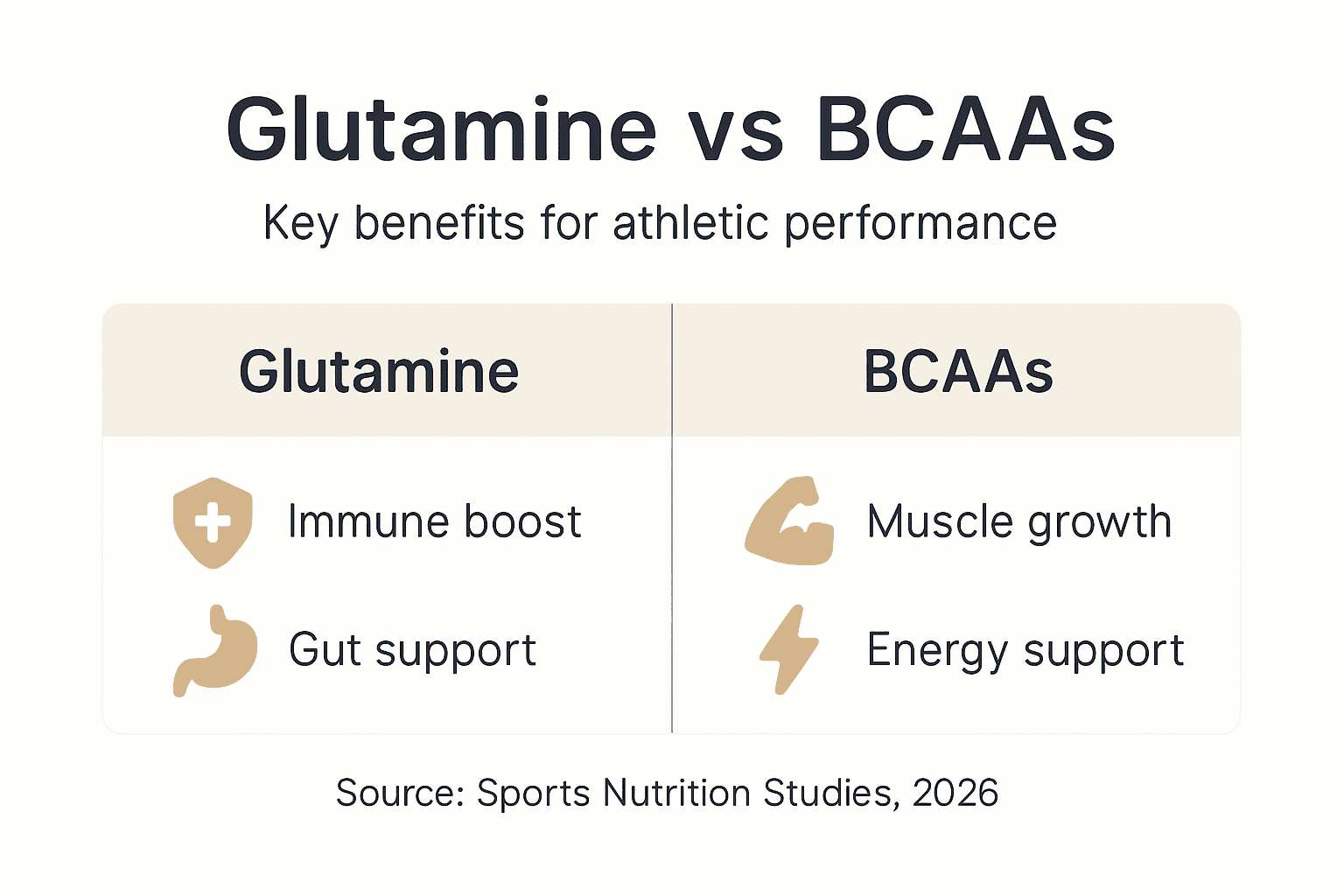
| Feature | Glutamine | BCAAs | Best Application |
|---|---|---|---|
| Primary Mechanism | Immune and gut support | Direct protein synthesis stimulation | Glutamine for recovery, BCAAs for growth |
| Anabolic Signaling | Minimal | Strong (leucine) | BCAAs superior for hypertrophy |
| Immune Function | Significant benefit | Limited effect | Glutamine during high stress periods |
| Gut Health | Protective for barrier integrity | No specific benefit | Glutamine for endurance athletes |
| Timing Sensitivity | Post-workout optimal | Pre/intra/post effective | Context dependent |
The strategic approach combines these supplements based on training phase and goals. During muscle-building mesocycles, prioritize BCAAs around workouts while using glutamine specifically during high-volume or high-intensity blocks when immune suppression becomes a concern.
Several athletes successfully stack glutamine with other recovery aids. Combining glutamine with creatine, for example, may enhance cell volumization effects. Pairing it with science-backed recovery supplements that address different recovery pathways creates comprehensive support without redundancy.
The cost-benefit analysis also differs between these supplements. BCAAs typically cost more per serving but provide more direct performance benefits for muscle building. Glutamine offers economical immune and gut protection specifically valuable to athletes prone to overtraining or competing in endurance events.
Understanding these distinctions prevents the common mistake of expecting glutamine to deliver BCAA-like muscle building results. Each supplement serves specific purposes within a broader performance nutrition strategy.
Dosage, Timing, and Safety of Glutamine Supplements
Implementing glutamine supplementation effectively requires understanding optimal dosing protocols and timing strategies that maximize benefits while maintaining safety.
Research consistently supports 5-10 grams as the effective daily dose range. Lower doses may not significantly impact plasma glutamine levels after intense training, while doses above 10 grams show diminishing returns without additional benefits. Most athletes find 5 grams sufficient during moderate training and increase to 10 grams during particularly demanding phases.
Timing your glutamine intake strategically amplifies its effects. Post-exercise administration reduces infection risk most effectively because this window coincides with peak glutamine depletion and heightened immune cell activity. Taking glutamine within 30 minutes after training capitalizes on this vulnerable period when supplementation provides maximum benefit.
Determining Your Glutamine Needs:
- Assess Training Stress: Calculate weekly training volume and intensity to gauge glutamine demand
- Evaluate Infection History: Track how often you get sick during hard training blocks as an indicator of immune compromise
- Choose Initial Dose: Start with 5 grams post-workout during normal training, scale to 10 grams during peaks
- Time Around Workouts: Consume immediately after your most intense training session of the day
- Monitor and Adjust: Track recovery quality, illness frequency, and GI comfort over 4-6 weeks to personalize dosing
Safety data from numerous studies demonstrates excellent tolerability at recommended doses. No major adverse effects emerge even with prolonged supplementation periods. The body regulates glutamine efficiently, preventing accumulation or toxicity under normal circumstances. Athletes with kidney or liver dysfunction should consult healthcare providers before supplementing, as these organs manage amino acid metabolism.
Form selection between powder and capsules depends on convenience preferences and dosing accuracy. Powders allow precise measurement and easy mixing into post-workout shakes. Capsules offer portability for travel but may require taking multiple pills to reach optimal doses. Both forms show equivalent bioavailability and effectiveness.
Practical Guidance for Usage in Fitness Contexts
Translating glutamine research into actionable training strategies helps you implement supplementation effectively within your specific athletic context.
Endurance athletes face unique challenges with gut distress during long events. Supplementing with glutamine in the weeks leading up to races helps fortify intestinal barrier function, potentially reducing the cramping and GI issues that plague many competitors. Consider 5-10 grams daily for two weeks pre-competition, continuing through race day.
Strategic Implementation Tips:
- Periodize Supplementation: Use glutamine specifically during high-volume training blocks, competition seasons, or recovery from injury rather than year-round
- Combine with Protein: Mix glutamine into your post-workout protein shake to support both recovery pathways simultaneously
- Track Immune Markers: Monitor cold frequency and duration as objective measures of whether glutamine supplementation benefits your immune resilience
- Address Nutrition Gaps First: Ensure adequate total protein intake (1.6-2.2 g/kg body weight) before adding glutamine, as it works best complementing solid nutritional foundations
The form in which you take glutamine matters less than consistency and timing. Powder mixes easily into beverages and allows flexible dosing. Capsules work better for athletes who travel frequently or prefer convenience over measuring. Both deliver glutamine effectively when taken at appropriate doses and times.
Cycling glutamine supplementation aligns with periodized training models. During base-building phases with moderate volume and intensity, your body likely produces adequate glutamine. Increase supplementation during competition preparation when training stress peaks and immune vulnerability rises. This strategic approach optimizes cost-effectiveness while targeting supplementation to periods of greatest need.
Pro Tip: Keep a simple training log tracking workout intensity, glutamine supplementation days, and any illness occurrences. After 8-12 weeks, review the data to identify patterns showing whether glutamine reduces your sick days during hard training. This personal evidence guides future supplementation decisions better than generic recommendations.
Combining glutamine with other evidence-based recovery practices amplifies overall results. Adequate sleep, strategic nutrition timing, and stress management create the foundation. Glutamine supplementation then optimizes immune function and gut health as one component of comprehensive recovery strategy.
Explore NutriBliss Supplements to Support Your Athletic Goals
Optimizing your performance requires more than just training hard. Strategic supplementation fills the gaps that diet and exercise alone cannot always address, especially during demanding training phases.
NutriBliss provides scientifically validated supplements designed specifically for athletes serious about recovery, performance, and long-term health. Our product selection focuses on evidence-based formulations that deliver measurable benefits, not empty marketing promises. Whether you need immune support during competition season or comprehensive recovery aids, we offer trusted solutions backed by research.

Explore our extensive resources on sports nutrition and athletic performance to deepen your understanding of how nutrition impacts your training outcomes. Our blog covers everything from macro timing to supplement stacking strategies that complement your goals. Discover essential performance supplements that work synergistically with smart training for optimal results. Visit NutriBliss today to find the quality products and expert guidance that fuel your athletic journey.
Frequently Asked Questions
What is glutamine and why is it important for athletes?
Glutamine is a conditionally essential amino acid that becomes crucial during intense training when your body cannot produce enough to meet increased demands. It supports muscle recovery by replenishing depleted stores and protects immune function when training stress would otherwise suppress it. Athletes benefit most during high-volume training phases or competition seasons.
Can glutamine supplementation increase muscle size significantly?
No, glutamine alone does not directly build muscle mass or increase strength compared to placebo when training and protein intake remain constant. It supports the recovery environment that allows consistent training but lacks the anabolic signaling properties of leucine and other BCAAs. Muscle growth requires progressive resistance training and adequate total protein, with glutamine playing only a supportive role.
When is the best time to take glutamine supplements for recovery?
Taking 5-10 grams of glutamine immediately after your hardest workout of the day provides maximum benefit. This timing coincides with peak glutamine depletion and heightened immune cell activity. Post-exercise supplementation most effectively replenishes stores and supports immune defenses during the critical recovery window when your body is most vulnerable.
Is glutamine supplementation safe for regular use by athletes?
Yes, glutamine supplementation at recommended doses of 5-10 grams daily shows excellent safety profiles in research studies. No significant adverse effects occur even with prolonged use in healthy individuals. Your body efficiently regulates glutamine metabolism, preventing accumulation or toxicity. Athletes with existing kidney or liver conditions should consult healthcare providers before supplementing.
How does glutamine compare to BCAA supplements in supporting performance?
BCAAs, especially leucine, directly stimulate muscle protein synthesis through mTOR signaling, making them superior for muscle building around resistance training. Glutamine primarily supports immune function, gut health, and recovery environment rather than directly triggering anabolic processes. The two supplements complement each other, with BCAAs for growth stimulation and glutamine for immune protection during demanding training periods.