

Over 90% of U.S. adults fall short of recommended fiber intake, missing a vital opportunity for better digestive health and disease prevention. Understanding the distinct roles of soluble and insoluble fiber empowers you to make smarter dietary choices. This guide breaks down fiber types, their specific health benefits, and practical strategies to optimize your intake for lasting wellness.
Table of Contents
- Understanding Dietary Fiber: Definition And Types
- How Fiber Supports Digestive Health And Gut Microbiota
- Quantified Health Benefits Of Adequate Fiber Intake
- Common Misconceptions About Fiber And Digestive Health
- Practical Guidelines For Increasing Fiber Intake
- Boost Your Fiber Intake With Nutribliss Supplements
- FAQ
Key takeaways
| Point | Details |
|---|---|
| Fiber types matter | Soluble fiber ferments to produce beneficial short-chain fatty acids, while insoluble fiber adds bulk and speeds digestion. |
| Disease prevention | Adequate fiber intake reduces cardiovascular disease risk by 15-30% and improves blood sugar control. |
| Start slow | Gradual fiber increase over 2-4 weeks with proper hydration prevents digestive discomfort. |
| Whole foods first | Natural sources provide fiber plus essential micronutrients that supplements cannot match. |
| Track your intake | Most adults consume less than half the recommended 25-30 grams daily. |
Understanding dietary fiber: definition and types
Dietary fiber is non-digestible carbohydrates found in plant foods, representing a unique class of nutrients your body cannot break down but your gut microbiota thrives on. Unlike proteins, fats, and simple carbohydrates that get absorbed in the small intestine, fiber travels intact to your colon where it performs critical functions.
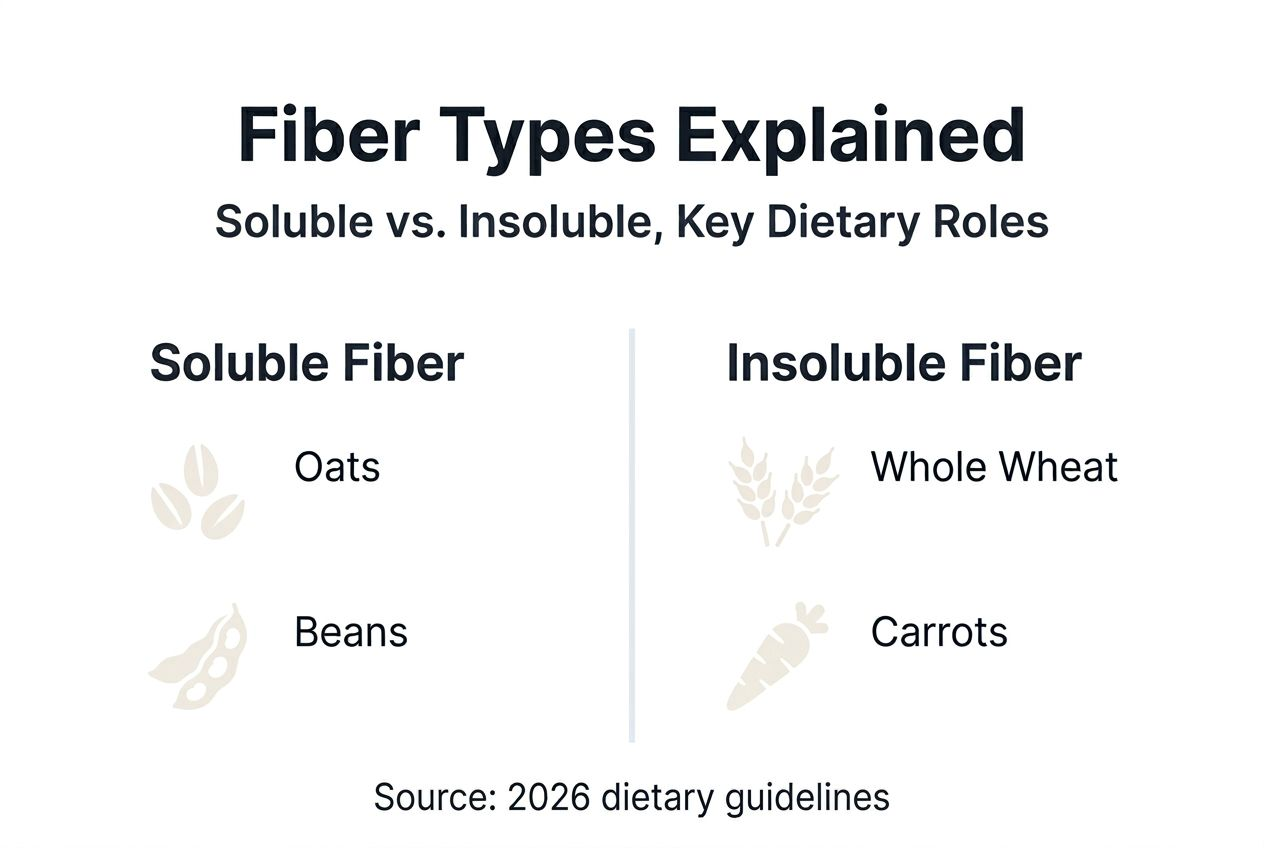
Soluble fiber dissolves in water, forming a gel-like substance in your digestive tract. This type ferments in your colon, producing short-chain fatty acids that nourish intestinal cells and reduce inflammation. Common sources include:
- Oats and barley
- Apples and citrus fruits
- Beans and lentils
- Psyllium husk
- Chia and flax seeds
Insoluble fiber does not dissolve in water and passes through your digestive system largely unchanged. It adds bulk to stool and accelerates transit time through your intestines. You will find this type in:
- Whole wheat and bran
- Nuts and seeds
- Vegetables like cauliflower and green beans
- Potato skins
- Brown rice
Adults should aim for 25-30 grams of fiber daily, combining both types for optimal benefits. Unfortunately, most people consume less than half this amount, creating a significant nutritional gap with real health consequences.
How fiber supports digestive health and gut microbiota
Soluble fiber ferments in the colon producing SCFAs which feed colon cells and reduce inflammation, supporting a healthy gut microbiota. These short-chain fatty acids, primarily butyrate, acetate, and propionate, serve as the preferred energy source for colonocytes while strengthening your intestinal barrier.
Your gut microbiota breaks down soluble fiber through fermentation, creating an acidic environment that discourages harmful bacteria while promoting beneficial species like Bifidobacteria and Lactobacilli. This process:
- Enhances nutrient absorption
- Produces vitamins like B12 and K
- Regulates immune system responses
- Reduces systemic inflammation markers
- Strengthens the gut-brain axis communication
Insoluble fiber enhances stool bulk and speeds intestinal transit to relieve constipation. By absorbing water and expanding in your digestive tract, this fiber type creates softer, larger stools that move more efficiently through your colon. Faster transit time means fewer opportunities for harmful compounds to contact your intestinal lining.

The mechanical action of insolible fiber also stimulates peristalsis, the wave-like muscle contractions moving food through your digestive system. Regular bowel movements prevent the buildup of toxins and reduce pressure on intestinal walls.
Pro Tip: Combine fiber-rich foods with adequate water intake, at least 8 glasses daily, to maximize both types’ effectiveness and prevent digestive discomfort.
A diverse fiber intake feeds different bacterial species, creating a robust microbiome ecosystem more resilient to disruption from antibiotics, stress, or dietary changes. This microbial diversity correlates directly with better metabolic health, improved mood regulation, and stronger immune defenses.
Quantified health benefits of adequate fiber intake
25-30 grams daily fiber reduces cardiovascular disease risk by 15-30%. Multiple large-scale studies demonstrate that each 10-gram increase in daily fiber consumption correlates with measurably lower rates of heart attack, stroke, and cardiovascular mortality.
Soluble fiber decreases post-meal blood glucose levels by 15-20% in insulin resistance. The gel-forming properties slow glucose absorption, preventing sharp blood sugar spikes that stress your pancreas and promote insulin resistance over time. This effect makes fiber particularly valuable for prediabetes and type 2 diabetes management.
Fiber supplementation leads to approximately 200 kcal/day lower intake, promoting modest weight loss. Fiber increases satiety through multiple mechanisms: physical stomach distension, delayed gastric emptying, and hormonal signals that suppress appetite. These effects accumulate to meaningful calorie reduction without conscious restriction.
| Health Outcome | Fiber Impact | Recommended Intake |
|---|---|---|
| Cardiovascular disease | 15-30% risk reduction | 25-30 g/day |
| Blood sugar control | 15-20% glucose decrease | 10-15 g soluble fiber/day |
| Weight management | 200 kcal/day reduction | 30-35 g/day |
| Colorectal cancer | 10% risk reduction per 10g | 25-30 g/day |
| All-cause mortality | 15-20% lower risk | 25-30 g/day |
Beyond these primary benefits, adequate fiber intake:
- Lowers LDL cholesterol by 5-10%
- Reduces blood pressure by 2-5 mmHg
- Decreases inflammatory markers like C-reactive protein
- Improves regularity and reduces hemorrhoid risk
- Supports healthy liver function through reduced endotoxin absorption
The dose-response relationship shows clear benefits starting around 15 grams daily, with optimal effects appearing between 25-35 grams. Very high intakes above 50 grams provide diminishing returns and may interfere with mineral absorption.
Common misconceptions about fiber and digestive health
Myth 1: All fiber causes bloating and discomfort. Reality shows that gradual fiber increase and proper hydration reduce gastrointestinal side effects by over 60%. Sudden jumps from 10 to 30 grams daily overwhelm your digestive system, but slow adaptation allows your gut microbiota to adjust.
Myth 2: Fiber supplements are equivalent to fiber from whole foods. Supplements like psyllium or inulin provide concentrated fiber but lack the vitamins, minerals, polyphenols, and other bioactive compounds in whole foods. An apple delivers not just pectin but also vitamin C, potassium, and quercetin, creating synergistic health effects no supplement can replicate.
Myth 3: Instant high fiber intake is best for quick results. Your digestive system needs time to produce the enzymes and cultivate the bacterial populations that process fiber efficiently. Rushing this process creates:
- Excessive gas and cramping
- Bloating and abdominal distension
- Alternating constipation and diarrhea
- Nutrient malabsorption
- Discouragement leading to abandoning fiber goals
Instead, increase intake by 5 grams weekly while monitoring your body’s response. If you experience discomfort, hold at your current level for another week before advancing.
Pro Tip: Balance soluble and insoluble fiber at roughly 25-75% ratio for optimal digestive comfort and microbiome support.
Water intake matters as much as fiber quantity. Insoluble fiber absorbs water to soften stool, but without adequate hydration it can actually worsen constipation. Aim for an additional 8 ounces of water for every 5 grams of fiber you add.
Different fiber types ferment at different rates and locations in your colon. Rapidly fermented fibers like inulin may cause more initial gas, while slowly fermented types like cellulose produce minimal symptoms. Managing supplement intake naturally helps you find the right balance for your system.
Practical guidelines for increasing fiber intake
Most U.S. adults consume less than 10% of recommended fiber levels, averaging just 15-17 grams daily versus the 25-30 gram target. Closing this gap requires strategic food choices and potentially targeted supplementation.
High-fiber whole foods should form the foundation of your approach:
- Legumes: One cup of lentils provides 15 grams, while black beans deliver 13 grams
- Vegetables: Artichokes (10 grams per medium), broccoli (5 grams per cup), Brussels sprouts (4 grams per cup)
- Whole grains: Steel-cut oats (8 grams per cup), quinoa (5 grams per cup), whole wheat pasta (6 grams per cup)
- Fruits: Raspberries (8 grams per cup), pears (6 grams per medium), apples with skin (4 grams per medium)
- Nuts and seeds: Chia seeds (10 grams per ounce), almonds (3.5 grams per ounce)
| Fiber Source | Type | Fiber per Serving | Additional Nutrients | Best For |
|---|---|---|---|---|
| Psyllium husk | Soluble | 5g per tablespoon | Minimal | Blood sugar, cholesterol |
| Oat bran | Mixed | 6g per 1/3 cup | B vitamins, iron | Heart health |
| Chia seeds | Mixed | 10g per ounce | Omega-3, protein | Satiety, regularity |
| Beans (black) | Mixed | 15g per cup | Protein, folate | Complete nutrition |
| Broccoli | Insoluble | 5g per cup | Vitamin C, K | Gut motility |
Prebiotic fiber supplements guide your choices when whole food intake proves insufficient. Supplements work best as complementary tools, not replacements. Psyllium husk offers proven benefits for cholesterol reduction and blood sugar control, while inulin and oligofructose specifically feed beneficial gut bacteria.
Start your fiber increase with these steps:
- Week 1: Add one serving of high-fiber food daily (5 grams)
- Week 2: Include a second serving at a different meal (10 grams total increase)
- Week 3: Swap refined grains for whole grain versions (15 grams total increase)
- Week 4: Introduce a fiber-rich snack like nuts or fruit (20 grams total increase)
Pro Tip: Track both fiber grams and water ounces using a food diary app to identify patterns between intake and digestive comfort.
Monitor your tolerance by noting energy levels, bowel movement frequency and consistency, and any bloating or gas. Adjust your pace based on these signals. Some people reach their target in four weeks, others need eight or more.
Manage supplement intake naturally by spacing fiber supplements away from medications, as fiber can reduce drug absorption. Take supplements with meals to minimize digestive upset and maximize satiety benefits.
Digestion support supplements guide additional options like digestive enzymes or probiotics that complement fiber’s effects. Combining these strategically addresses multiple aspects of gut health simultaneously.
Boost your fiber intake with Nutribliss supplements
Reaching your daily fiber goals becomes simpler with science-backed support. While whole foods remain your primary source, strategic supplementation fills gaps when life gets busy or dietary restrictions limit options.

Nutribliss offers carefully formulated supplements designed to complement your fiber intake and support comprehensive digestive wellness. Our products combine premium fiber sources with complementary nutrients that enhance absorption and effectiveness. Each formula reflects extensive research into gut microbiome optimization and metabolic health.
Explore the science behind superfoods to understand how nutrient synergy amplifies individual compound benefits. Our transparent approach gives you complete ingredient information and dosage rationale, empowering informed decisions about your health.
Integrating supplements with a balanced diet creates sustainable habits rather than quick fixes. Start with whole food improvements, then add targeted supplementation where specific needs exist, whether cardiovascular support, blood sugar management, or digestive regularity.
FAQ
What are the different types of dietary fiber?
Soluble fiber dissolves in water, forming a gel that slows digestion and ferments to produce beneficial short-chain fatty acids feeding colon cells. Insoluble fiber does not dissolve, instead adding bulk to stool and speeding intestinal transit without significant fermentation.
How can I increase fiber intake without digestive discomfort?
Increase fiber slowly over 2-4 weeks, adding just 5 grams weekly to allow gut adaptation. Drink at least 8 glasses of water daily to support fiber’s bulking effects. Choose a balance of soluble and insoluble sources, monitor your body’s response through a food diary, and adjust pace if you experience persistent bloating or cramping.
Are fiber supplements as effective as fiber from whole foods?
Supplements can help meet fiber targets but lack the vitamins, minerals, antioxidants, and phytochemicals that whole foods provide. Foods like beans deliver protein and folate alongside fiber, creating synergistic health effects. The most effective approach combines both, using whole foods as your foundation and supplements to fill specific gaps.
What are the recommended daily fiber intake levels for adults?
Adults should consume 25-30 grams of fiber daily, with women targeting the lower end and men the higher end of this range. This intake level supports optimal digestive function, cardiovascular health, blood sugar control, and disease prevention based on extensive research evidence.
Can too much fiber cause health problems?
Excessive fiber intake above 50-70 grams daily may interfere with mineral absorption, particularly calcium, iron, and zinc, and cause persistent bloating or diarrhea. Very rapid increases overwhelm digestive capacity regardless of total amount. Stick to recommended ranges and increase gradually to avoid these issues while maintaining nutrient balance.