

Feeling sluggish after your workout or frustrated by frequent stomach discomfort is a challenge many health-conscious American adults face. The digestive system is much more than just a food processor—it is responsible for breaking down what you eat into nutrients your body uses for energy, recovery, and overall wellness. Optimizing digestive health keeps your nutrient absorption on track and supports your performance goals, making dietary supplements a smart part of your routine.
Table of Contents
- Defining Digestive Health And Its Importance
- How The Digestive System Functions
- Common Digestive Disorders And Symptoms
- Diet, Lifestyle, And Supplement Solutions
- Risks Of Unmanaged Digestive Problems
Key Takeaways
| Point | Details |
|---|---|
| Digestive Health Significance | Digestive health is crucial for optimal nutrient absorption, energy levels, and overall wellness. Poor digestion can lead to various health issues and impact recovery and athletic performance. |
| Common Digestive Disorders | Be aware of symptoms like heartburn, constipation, and diarrhea as they may signal underlying health issues that require medical attention. Early intervention can prevent more serious conditions. |
| Diet and Lifestyle Impact | A diet rich in whole foods, regular exercise, and proper hydration are key to maintaining digestive health. Consider targeted supplementation when necessary. |
| Risks of Ignoring Symptoms | Unmanaged digestive problems can escalate into serious health risks such as nutritional deficiencies and chronic diseases, emphasizing the need for timely medical evaluation and lifestyle management. |
Defining Digestive Health And Its Importance
Digestive health represents far more than just the absence of stomach discomfort. At its core, digestive health involves your body’s remarkable ability to break down food and liquids into absorbable components like carbohydrates, fats, proteins, vitamins, and minerals. Think of your digestive system as a sophisticated processing plant where complex molecular breakdown occurs through both mechanical and chemical means. When this system functions optimally, your body extracts maximum nutrition from every meal, providing the energy and building blocks needed for muscle recovery, immune function, and athletic performance.
What makes digestive health particularly relevant for you as a health-conscious adult is the direct connection between gut function and overall wellness. Your digestive system includes a series of hollow organs plus specialized accessory organs that work together in precise coordination. When digestion works smoothly, nutrients are efficiently absorbed into your bloodstream and distributed to cells that need them. Poor digestive health, by contrast, leaves you vulnerable to nutrient deficiencies, reduced energy levels, bloating, and compromised recovery after workouts. This is why so many athletes and fitness enthusiasts prioritize digestion support supplements as part of their wellness routine. Beyond physical performance, digestive health influences mood, immune response, and sleep quality.
The importance of maintaining strong digestive health cannot be overstated when you consider your long-term wellness goals. A healthy digestive system means consistent energy levels, better nutrient absorption, clearer skin, and improved athletic recovery. Your gut also houses trillions of microorganisms that influence everything from inflammation markers to mental clarity. When your digestive tract operates efficiently, these beneficial bacteria thrive, supporting your immune system and helping your body synthesize certain vitamins that food alone cannot provide. For those pursuing peak physical performance or simply wanting to feel their best, digestive health becomes the foundation upon which all other health goals rest.
Pro tip: Start tracking your digestion patterns for one week using a simple food and symptom journal to identify which foods support your gut and which ones cause discomfort, then adjust your diet and consider targeted supplementation based on your personal findings.
How The Digestive System Functions
Your digestive system is a beautifully orchestrated pipeline that transforms everything you eat into usable fuel and building blocks for your body. The journey begins the moment food enters your mouth. Your teeth mechanically break food into smaller pieces while saliva enzymes start the chemical breakdown process. This is not a passive step. Your body is already working to extract nutrients before the food even reaches your stomach. The chewed food then travels down your esophagus via a muscular wave motion called peristalsis, a process that works whether you are standing, sitting, or lying down.

Once food reaches your stomach, the real transformation accelerates. Your stomach acts as a holding chamber and mixing station, releasing gastric juices that continue breaking down proteins and other components. Meanwhile, your liver, pancreas, and gallbladder stand ready as accessory organs supporting digestion. The small intestine is where the magic truly happens. This narrow but incredibly long organ receives partially digested food from your stomach along with bile from your gallbladder and enzymes from your pancreas. These powerful tools continue breaking down nutrients into molecules small enough to be absorbed directly into your bloodstream. The intestinal lining acts like a selective barrier, allowing beneficial nutrients through while keeping harmful substances out.
What happens in your small intestine determines how effectively you absorb the nutrients from your meals. The lining of the small intestine contains millions of tiny fingerlike projections that dramatically increase surface area for nutrient absorption. This is where your body captures amino acids from protein, glucose from carbohydrates, fatty acids from fats, and all those vitamins and minerals you are working so hard to consume. Any food that cannot be broken down or absorbed moves into your large intestine, where water is extracted and waste is prepared for elimination. The entire process from mouth to elimination typically takes 24 to 72 hours, though this varies based on individual factors like metabolism, fiber intake, and hydration levels.
Pro tip: Drink adequate water throughout the day and consume fiber-rich foods to support smooth peristalsis and nutrient absorption, which are the keys to keeping your digestive pipeline functioning optimally for maximum nutrition extraction.
Common Digestive Disorders And Symptoms
Digestive problems affect millions of Americans, and chances are you have experienced at least one of the most common issues. Heartburn occurs when stomach acid backs up into your esophagus, creating that burning sensation in your chest or throat. This happens when the muscle that normally keeps stomach acid contained fails to seal properly. Constipation involves infrequent or difficult bowel movements, often leaving you feeling sluggish and uncomfortable. On the opposite end, diarrhea means loose, watery stools that can dehydrate you quickly and disrupt your training schedule. These three symptoms are incredibly common, and while they are often temporary responses to stress, diet changes, or even antibiotics, they can sometimes signal underlying chronic conditions that deserve medical attention.
Beyond these everyday complaints, more serious digestive diseases affect the gastrointestinal tract and require professional diagnosis. Conditions like acid reflux or GERD involve chronic heartburn that occurs multiple times weekly. Inflammatory bowel diseases such as Crohn’s disease cause persistent abdominal pain, diarrhea, and sometimes bleeding. Celiac disease involves an immune reaction to gluten that damages your intestinal lining and prevents nutrient absorption. Diverticular disease creates small pouches in your colon that can become infected or inflamed. Peptic ulcers are open sores in your stomach lining that produce sharp, burning pain. The key difference is that these chronic conditions do not resolve on their own and typically require medical management.
Recognizing when to seek medical care is crucial for your health. Occasional digestive discomfort is normal, but certain symptoms warrant professional evaluation. If you experience persistent abdominal pain lasting more than a few days, unexplained changes in bowel habits, blood in your stool, or unintentional weight loss, schedule an appointment with your healthcare provider. Many athletes push through mild digestive issues, but ignoring serious symptoms can lead to severe complications and derail your fitness goals. Interestingly, many people find that addressing digestive health through diet, hydration, and targeted supplementation helps prevent or minimize these disorders before they become problematic. The connection between what you consume and how you feel is undeniable, which is why #nutribliss emphasizes whole body wellness through digestive support.
Here is a summary of key digestive disorders and their main symptoms for quick reference:
| Disorder | Primary Symptom | Possible Consequences |
|---|---|---|
| Heartburn | Burning chest/throat | Esophageal irritation |
| Constipation | Infrequent, hard stools | Discomfort, low energy |
| Diarrhea | Loose, watery stools | Dehydration, nutrient loss |
| Acid Reflux (GERD) | Frequent heartburn | Tissue damage, cancer risk |
| Crohn’s Disease | Persistent pain, diarrhea | Inflammation, tissue scarring |
| Celiac Disease | Abdominal pain, bloating | Nutrient malabsorption |
| Diverticular Disease | Pain, infection | Colon damage, perforation |
| Peptic Ulcer | Sharp stomach pain | Bleeding, perforation |
Pro tip: Keep a detailed symptom log for two weeks noting what you eat, when symptoms occur, and their intensity, then share this with your healthcare provider to help identify trigger foods or patterns that reveal the root cause of your digestive issues.
Diet, Lifestyle, And Supplement Solutions
Transforming your digestive health does not require drastic measures or expensive interventions. Start with what you eat. Whole, natural foods form the foundation of any digestive wellness strategy. Foods rich in fiber like vegetables, fruits, legumes, and whole grains help stool form properly and move smoothly through your system. But fiber is only part of the equation. Including probiotic-rich foods such as yogurt, kefir, sauerkraut, and kimchi introduces beneficial bacteria directly into your gut. These microorganisms produce short-chain fatty acids and strengthen your intestinal barrier. Prebiotic foods like garlic, onions, bananas, and asparagus feed these good bacteria, creating an ecosystem where they thrive. You can also combine supplements safely with your diet to address specific digestive challenges, such as adding digestive enzyme supplements if you struggle with protein breakdown or fiber powders if you cannot meet daily fiber targets through food alone.
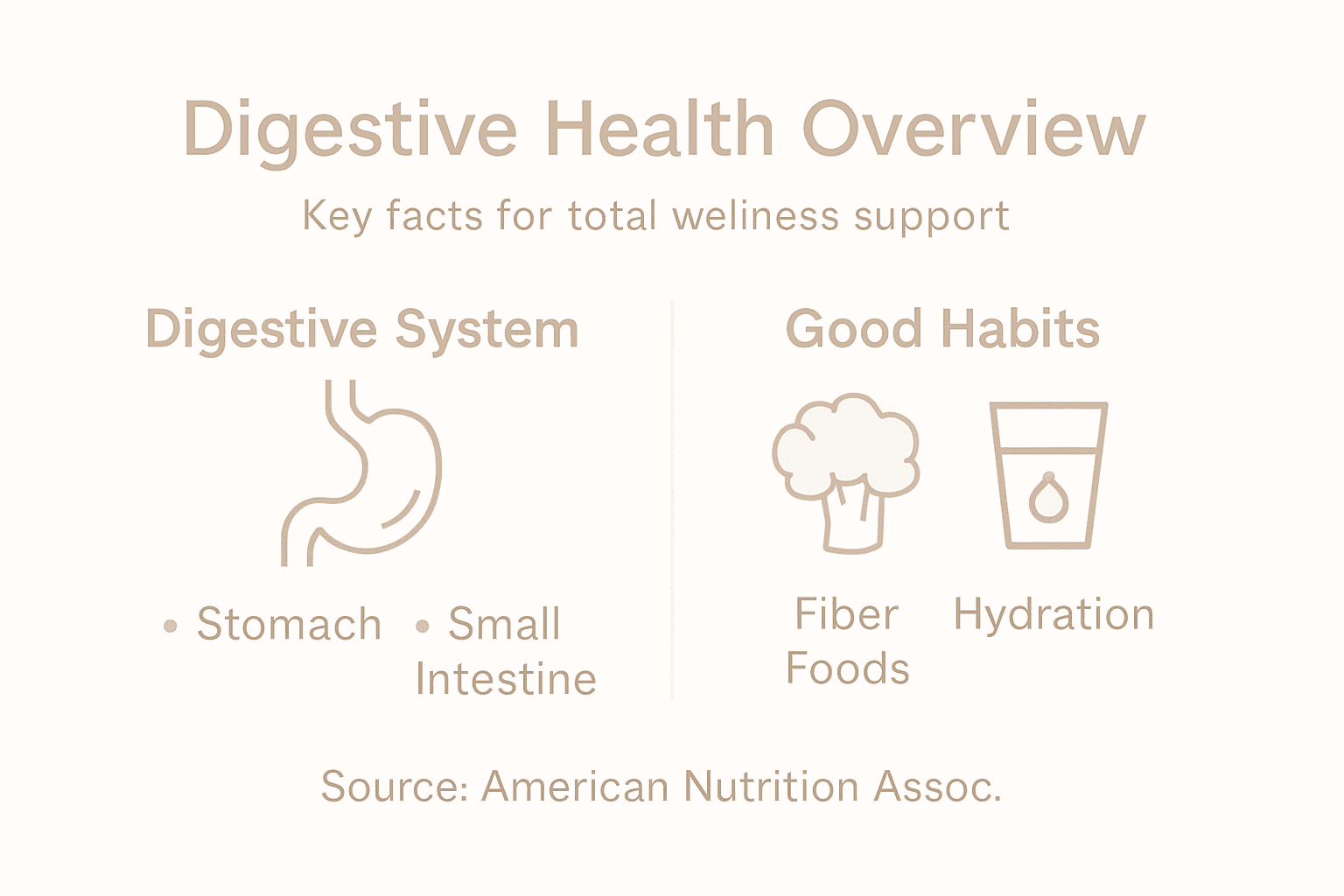
Your lifestyle choices matter just as much as what lands on your plate. Regular exercise does more than build muscle. It enhances microbial diversity in your gut and stimulates butyrate production, a compound that nourishes your intestinal lining. Even 30 minutes of moderate activity most days improves digestion significantly. Hydration supports every step of the digestive process, from saliva production to stool formation. Aim for at least half your body weight in ounces of water daily, more if you are training hard. Sleep quality directly impacts your gut bacteria circadian rhythms. When you consistently sleep 7 to 9 hours, your digestive system synchronizes optimally. Stress management through meditation, deep breathing, or yoga reduces cortisol levels that can trigger digestive problems. These lifestyle factors create conditions where your digestive system operates at peak efficiency.
When diet and lifestyle alone fall short, strategic supplementation bridges the gap. Digestive enzymes help break down proteins, fats, and carbohydrates if your body is not producing enough naturally. Fiber supplements ensure you meet daily fiber targets when whole food sources prove insufficient. Probiotics replenish beneficial bacteria, especially important after antibiotic use or during high-stress periods. L-glutamine supports intestinal barrier integrity, while zinc carnosine promotes healing of damaged intestinal lining. The key is addressing the root cause rather than masking symptoms. Work with a healthcare provider to identify which supplements align with your specific needs and manage supplement intake naturally for best results. Your complete digestive wellness strategy combines whole foods, consistent habits, and targeted supplementation tailored to your body.
Pro tip: Implement one dietary change per week rather than overhauling everything at once, giving your digestive system time to adapt while you identify which foods and supplements actually work for your unique body.
Compare how dietary, lifestyle, and supplement strategies support digestive health:
| Approach | Main Benefit | Example Action | Added Wellness Impact |
|---|---|---|---|
| Diet | Improves nutrient intake | Choose high-fiber foods | Enhanced energy, gut flora |
| Lifestyle | Supports gut function | Exercise, stress reduction | Better immunity, sleep |
| Supplements | Targets specific issues | Probiotics, enzymes | Faster recovery, absorption |
Risks Of Unmanaged Digestive Problems
Ignoring digestive symptoms might seem harmless in the moment, but unmanaged digestive problems create a domino effect of complications that can derail your health and fitness goals. When you dismiss persistent heartburn, chronic diarrhea, or ongoing constipation, you are ignoring warning signals from your body. These seemingly minor issues can mask serious underlying conditions that worsen over time. Dehydration develops quickly with chronic diarrhea, throwing off your electrolyte balance and impairing athletic performance. Nutritional deficiencies accumulate when your intestines cannot absorb vitamins and minerals properly, weakening your immune system and slowing muscle recovery. Persistent inflammation in your digestive tract damages the intestinal lining, creating a vicious cycle where absorption becomes even more difficult. Without intervention, these complications spiral into severe tissue damage, bowel obstruction, and chronic conditions requiring intensive medical management.
The stakes escalate when chronic digestive problems lead to serious health risks like liver disease, colorectal cancer, or irreversible bowel inflammation. Untreated acid reflux damages your esophageal tissue over time, increasing cancer risk. Crohn’s disease and ulcerative colitis, if left unmanaged, cause permanent intestinal scarring that requires surgery. Diverticular disease can progress to perforation, a life-threatening emergency. For athletes and active individuals, these complications mean lost training time, surgical recovery periods, and potential long-term dietary restrictions. The connection between ignoring digestive health today and facing serious diseases tomorrow is not speculative. Medical research consistently shows that early intervention prevents disease progression, while delayed treatment leads to irreversible damage.
The good news is that prevention and early management are entirely within your control. Taking digestive symptoms seriously means scheduling medical evaluations promptly rather than hoping problems resolve themselves. Supporting your gut through whole foods, consistent hydration, regular movement, and targeted supplementation like probiotic supplements for digestive health builds resilience against future problems. Simple preventive measures such as maintaining healthy body weight, avoiding smoking and excessive alcohol, practicing food safety, and managing stress reduce your risk of digestive diseases dramatically. The cost of prevention is minimal compared to treating advanced digestive diseases that compromise your quality of life, athletic performance, and long-term health outlook. Your digestive system is not something to neglect until problems become urgent. Treat it as the foundation it truly is.
Pro tip: If any digestive symptom persists longer than two weeks or worsens despite dietary changes, schedule a medical appointment immediately rather than waiting for it to resolve on its own, as early diagnosis prevents costly complications later.
Take Control of Your Digestive Health Today
Struggling with digestive discomfort or looking to optimize nutrient absorption for better wellness and athletic performance The key is supporting your gut with the right nutrients and targeted solutions tailored to your unique needs Discover effective ways to enhance your digestive system through our expertly formulated options in the Gut Health & Digestion category designed to restore balance boost nutrient uptake and reduce inflammation

Don’t wait until digestive issues hold you back Start transforming your health now with trusted, science-backed supplements from Nutribliss Experience real improvements in energy digestion and recovery with products selected specifically for individuals who demand peak wellness Explore our Nutribliss Supplements to find your perfect digestive support match and make a proactive choice for your long-term vitality
Frequently Asked Questions
What is digestive health and why is it important?
Digestive health refers to your body’s ability to break down food and absorb nutrients effectively. It’s vital because good digestive health contributes to overall wellness by ensuring maximum nutrient absorption, energy levels, and a strong immune system.
What common symptoms indicate a digestive disorder?
Common symptoms of digestive disorders include heartburn, constipation, diarrhea, abdominal pain, and bloating. Persistent symptoms may indicate underlying health conditions that require medical attention.
How can diet affect digestive health?
A diet rich in whole, natural foods, particularly fiber, probiotics, and prebiotics, supports digestive health. These foods help with proper digestion, nutrient absorption, and the maintenance of beneficial gut bacteria.
What lifestyle changes can improve my digestive health?
Regular exercise, proper hydration, adequate sleep, and stress management are lifestyle changes that can significantly enhance digestive health by promoting effective digestion and nutrient absorption.
Recommended
- Ultimate Guide to Digestion Support Supplements by Nutribliss – Nutribliss Inc.
- 7 Essential Gut Health Supplements for a Stronger You – Nutribliss Inc.
- The Ultimate Guide to Probiotic Supplements for Digestive Health – Nutribliss Inc.
- Top Gut Health Supplements: A Comprehensive Guide for Optimal Wellness – Nutribliss Inc.