

TL;DR:
- Natural stress relievers include mindfulness, green exercise, herbal supplements, and sleep optimization. These methods, supported by clinical evidence, require consistent practice over several weeks to produce lasting stress reduction. Combining behavioral techniques with targeted supplements enhances overall resilience and well-being.
Natural stress relievers are scientifically validated techniques and substances that reduce psychological and physiological stress without pharmaceuticals. The CDC defines stress as a physical and emotional reaction to life demands, and chronic stress raises cortisol, disrupts sleep, and weakens immune function. The good news is that methods like Mindfulness-Based Interventions (MBIs), forest therapy, adaptogenic herbs, and targeted sleep strategies all carry strong clinical evidence behind them. This article covers the most effective options, explains how each one works, and gives you practical steps to start using them today.
1. Mindfulness-Based Interventions: the top natural stress relievers
Mindfulness is the practice of paying deliberate, nonjudgmental attention to the present moment. Mindfulness-Based Interventions (MBIs) are structured programs, typically 8–12 weeks long, that teach this skill through meditation, body scans, and breathing exercises.
The clinical evidence is substantial. A meta-analysis of over 24,000 participants found MBIs produce a Hedges’ g of -0.45 for stress and -0.56 for anxiety. That means anxiety responds even more strongly than general stress, making MBIs a reliable natural anxiety remedy for people who carry both.
The mechanism matters here. MBIs activate the parasympathetic nervous system, which slows heart rate and lowers cortisol. They also promote neuroplastic changes in brain regions that regulate emotion, building what researchers call psychological flexibility. That flexibility is what lets you respond to a stressor rather than simply react to it.
Delivery options include in-person group programs like Mindfulness-Based Stress Reduction (MBSR), therapist-guided sessions, and app-based training. App-based MBIs reduce perceived stress across diverse populations, which removes the barrier of clinic access. Consistency matters more than format. Skipping sessions is the single biggest reason people fail to see lasting results.
Practical starting points:
- Use a guided app (Headspace, Calm, or Insight Timer) for 10 minutes daily
- Practice a 4-7-8 breathing cycle before bed or during work breaks
- Commit to a full 8-week program before judging results
Pro Tip: Set a recurring phone alarm labeled “breathe” at the same time each day. Habit anchoring is the fastest way to make mindfulness stick.
2. Green exercise and forest therapy
Green exercise is physical activity performed in natural environments, such as parks, forests, or coastlines. Forest therapy, also called Shinrin-yoku, goes further by using structured, multi-session immersion in woodland settings as a therapeutic protocol.
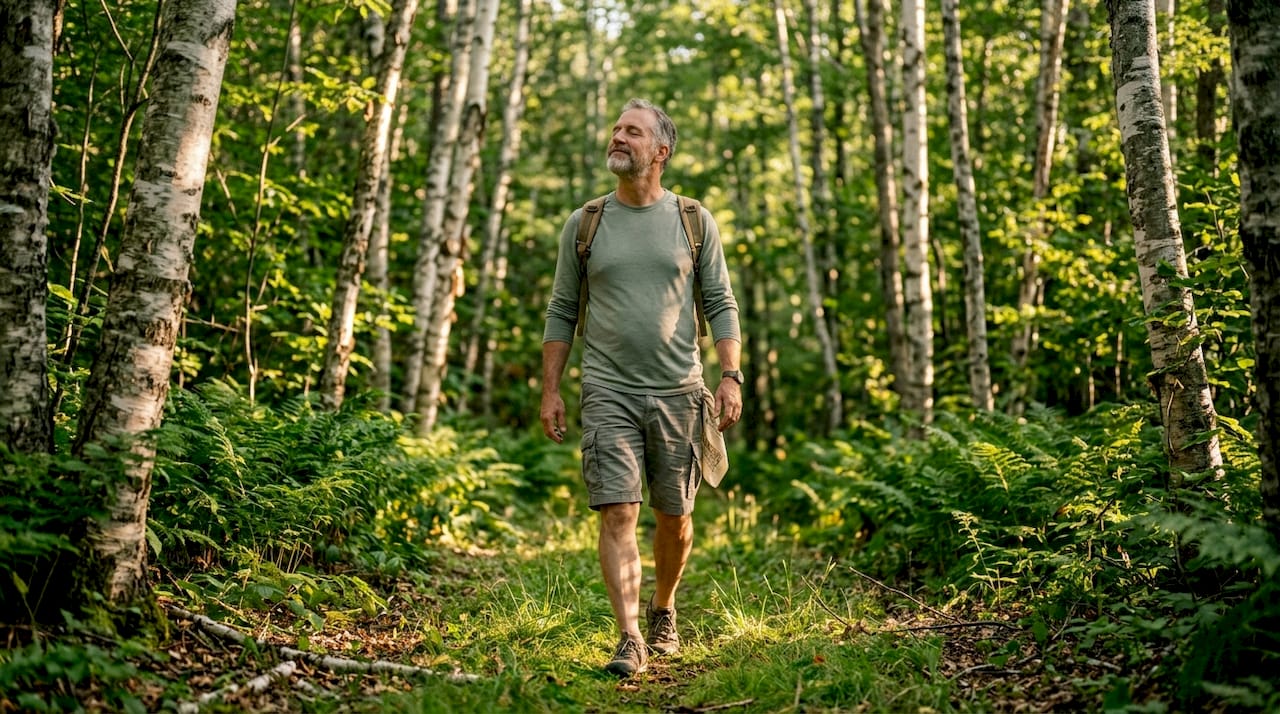
Both approaches produce measurable physiological changes. A randomized controlled trial with 80 participants found that a 30-minute urban forest walk decreased salivary cortisol and increased heart rate variability (HRV-RMSSD) compared to indoor settings. Higher HRV signals a more resilient autonomic nervous system. That single walk produced greater improvements than nature exposure alone, confirming that combining movement with nature creates a synergistic effect.
For longer-term results, structured forest therapy outperforms casual outdoor time. A meta-analysis of 25 studies found forest therapy produces a standardized mean difference of -0.71 for psychological stress. That is a medium-to-large effect size, comparable to many pharmaceutical interventions. Multi-session exposure drives the benefit. A single walk helps; a weekly practice transforms your baseline stress level.
The therapeutic pathway involves sensory engagement, including the smell of phytoncides (airborne tree compounds), the sound of water, and reduced visual complexity. These inputs satisfy what researchers call biophilic needs, the human nervous system’s deep preference for natural environments.
Pro Tip: You do not need a forest. A 30-minute walk in any urban green space with trees produces measurable cortisol reduction. Start with your nearest park.
3. Herbal supplements and adaptogens for stress relief
Herbal stress relief is one of the oldest forms of medicine, and modern clinical trials now back several key compounds. The most studied options for stress and anxiety reduction are ashwagandha, L-theanine, and magnesium.
Ashwagandha, L-theanine, and magnesium each have controlled trial evidence supporting their ability to lower perceived stress and anxiety. Ashwagandha is an adaptogen, meaning it helps the body regulate its stress response rather than simply sedating it. L-theanine, found naturally in green tea, promotes calm alertness without drowsiness. Magnesium supports the nervous system and is commonly depleted by chronic stress, creating a feedback loop that worsens symptoms.
These herbs work best as complements to behavioral strategies, not replacements. Pairing ashwagandha with a consistent mindfulness practice, for example, addresses both the physiological and psychological dimensions of stress simultaneously. You can read more about how adaptogens work and their role in building stress resilience.
Key considerations before starting herbal supplements:
- Consult a healthcare provider if you take prescription medications, since herb-drug interactions exist
- Choose products with third-party testing for purity and potency
- Allow 4–8 weeks of consistent use before evaluating results
- Start with one supplement at a time to isolate effects
Pro Tip: Magnesium glycinate is the most bioavailable form for nervous system support and is less likely to cause digestive upset than magnesium oxide.
4. Targeted sleep improvement as a stress management technique
Sleep and stress form a two-way relationship. Poor sleep raises cortisol and impairs the prefrontal cortex, the brain region responsible for emotional regulation. More stress then disrupts sleep further. Breaking this cycle is one of the fastest ways to reduce your overall stress load.
Research shows the impact of targeting sleep directly. A targeted sleep and stress intervention increased sleep duration by an average of 92.65 minutes, compared to just 26.39 minutes in groups focused only on diet and activity. That gap shows that generic lifestyle advice does not move the needle on sleep the way a focused protocol does.
Natural sleep improvement strategies include:
- Keeping a consistent wake time, even on weekends, to anchor your circadian rhythm
- Avoiding caffeine after 1:00 PM, since its half-life in the body is approximately 5–6 hours
- Using a proven sleep hygiene routine that includes a cool, dark room and a wind-down period of 30–60 minutes
- Practicing progressive muscle relaxation or a body scan meditation before bed
Magnesium glycinate and L-theanine also support sleep quality, creating a natural overlap between the supplement and sleep categories. Treating sleep as a stress management technique, rather than a passive activity, changes how you prioritize it.
5. Physical activity as a natural stress buster
Exercise is one of the most reliable natural stress busters available. It lowers cortisol, raises endorphins, and improves sleep quality, all within a single session. The effect is dose-dependent but forgiving. Even moderate activity, such as a 20-minute brisk walk, produces measurable mood improvements.
The CDC recommends at least 150 minutes of moderate aerobic activity per week for mental well-being. That breaks down to about 22 minutes per day, which is achievable for most people. Resistance training also reduces anxiety, with research showing effects comparable to aerobic exercise.
The key is gradual build-up. Starting with three 20-minute sessions per week and adding 5 minutes every two weeks prevents burnout and injury. Pairing exercise with outdoor settings, as discussed in the green exercise section, multiplies the benefit without adding time.
6. Journaling, time management, and social connection
Behavioral stress management techniques address the cognitive and social roots of stress that physical methods cannot fully reach. Journaling, time management, and social connection each target a different mechanism.
Expressive writing, specifically writing about stressful events and your emotional response to them, reduces the cognitive load of rumination. The CDC’s mental health guidelines include journaling alongside deep breathing and meditation as recommended coping tools. Ten minutes of unstructured writing before bed can clear mental clutter that would otherwise disrupt sleep.
Time management reduces the anticipatory stress of feeling overwhelmed. Breaking large tasks into 25-minute focused blocks (the Pomodoro Technique) and scheduling buffer time between commitments are two practical methods that require no equipment and no cost.
Social connection is the most underrated stress management technique. Strong social ties lower cortisol and reduce the perceived severity of stressors. A phone call with a close friend produces measurable physiological calming. Scheduling social time with the same intentionality you apply to exercise makes it more likely to happen.
Key Takeaways
The most effective approach to natural stress relief combines mindfulness practice, nature-based movement, evidence-backed supplements, and targeted sleep improvement into a consistent daily routine.
| Point | Details |
|---|---|
| Mindfulness works at scale | MBIs reduce stress (Hedges’ g = -0.45) and anxiety (g = -0.56) across thousands of participants in meta-analyses. |
| Green exercise beats nature alone | A 30-minute forest walk lowers cortisol and raises HRV more than passive nature exposure. |
| Sleep is a stress lever | Targeted sleep interventions increase sleep duration by over 90 minutes versus generic lifestyle changes. |
| Herbal supplements need time | Ashwagandha, L-theanine, and magnesium require 4–8 weeks of consistent use to show measurable effects. |
| Consistency drives results | No single method works in isolation. Daily practice across multiple strategies produces lasting change. |
What I have learned from years of watching people manage stress
People almost always underestimate how long real change takes. They try mindfulness for two weeks, feel slightly better, then stop. They take ashwagandha for ten days and declare it ineffective. The research is clear: consistent practice is the single biggest predictor of long-term stress reduction. Not the method. Consistency.
The second thing I have noticed is that people treat these methods as either/or choices. Mindfulness or supplements. Exercise or therapy. The evidence points in the opposite direction. Combining a behavioral method like mindfulness with a physiological one like green exercise produces effects neither achieves alone. Adding a well-chosen supplement to that stack, such as magnesium for sleep or ashwagandha for cortisol regulation, fills gaps that lifestyle changes cannot always reach.
The third insight is about accessibility. You do not need a forest preserve, a therapist, or an expensive supplement protocol. A park, a free app, and a single well-researched supplement cover most of the evidence base. The barrier is almost never cost or access. It is the decision to start and the discipline to continue.
My honest recommendation: pick one method from this list, practice it daily for eight weeks, then add a second. That sequence builds real habits instead of a fragmented collection of things you tried once.
— GAURAV
Nutribliss supplements to support your stress relief routine
Behavioral strategies lay the foundation, and the right supplements fill the gaps your lifestyle cannot always cover. Nutribliss builds its products around the same clinical research covered in this article, including adaptogenic herbs, magnesium, and compounds with controlled trial evidence behind them.
The Nutribliss supplements collection includes options for stress, sleep, and recovery, each with clear ingredient transparency. If you want to understand the science before you buy, the science behind superfoods page breaks down the research supporting each product category. Use #nutribliss to share your experience and connect with others building the same habits.
FAQ
What are natural stress relievers?
Natural stress relievers are evidence-based techniques and substances, including mindfulness, green exercise, herbal supplements, and sleep improvement, that reduce stress without pharmaceutical intervention.
How long does it take for natural stress relief methods to work?
Mindfulness programs show measurable results after 8–12 weeks of consistent practice. Herbal supplements like ashwagandha typically require 4–8 weeks of daily use before effects are noticeable.
What are the best essential oils for stress?
Lavender has the strongest evidence for acute stress and anxiety reduction among essential oils. It is best used aromatically during a wind-down routine or before sleep.
Can herbal supplements replace therapy or medication for stress?
Herbal supplements are adjunct tools, not replacements for clinical treatment. Ashwagandha and L-theanine support stress resilience but should complement, not substitute, professional care for clinical anxiety or depression.
Does exercise really help with stress relief?
Yes. Aerobic exercise lowers cortisol and raises endorphins within a single session. The CDC recommends 150 minutes of moderate activity per week as part of a mental well-being routine.