

TL;DR:
- Feeling exhausted mid-morning despite a full night’s sleep often results from systemic factors rather than a single cause. Prioritizing quality sleep, balanced nutrition, proper hydration, regular moderate exercise, and targeted supplementation creates a sustainable energy system. Tracking habits and understanding circadian rhythms help optimize vitality without reliance on stimulants or quick fixes.
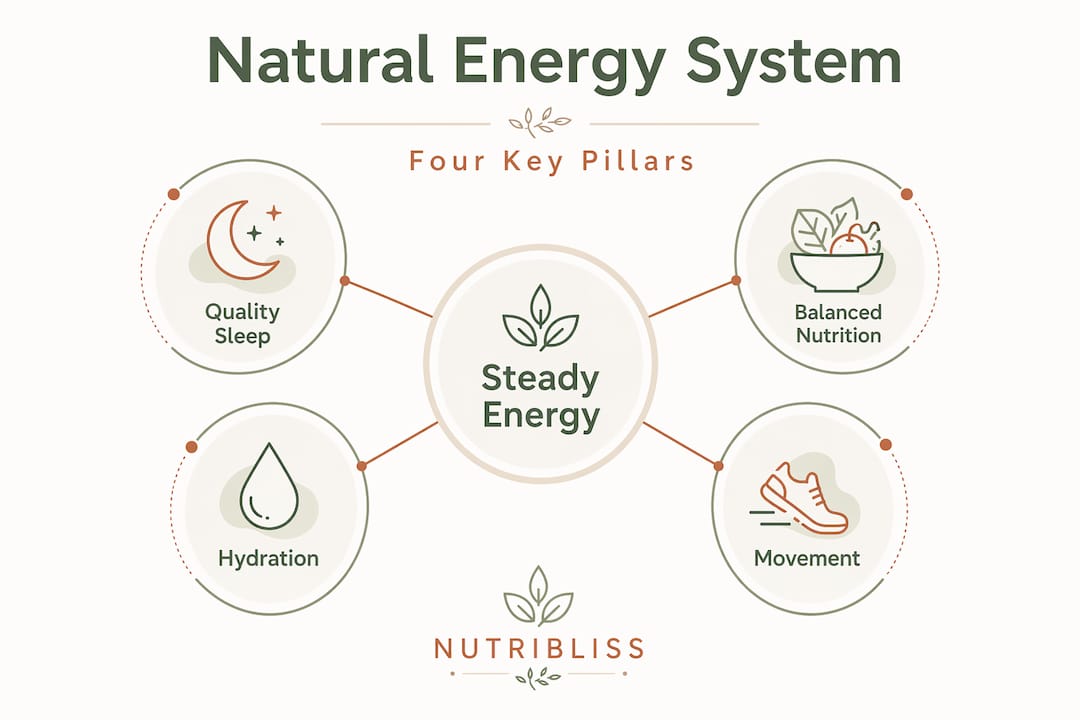
Feeling drained by mid-morning despite a full night’s sleep is one of the most common complaints health-conscious adults face today — and most of the time, there’s no single medical cause. The answer to how to increase energy naturally isn’t a single supplement or sleep hack. It’s a system. This guide covers the five core pillars of sustainable energy: sleep quality, nutrition, hydration, movement, and targeted supplementation. Each section gives you specific, actionable strategies grounded in research so you can build real, lasting vitality without relying on stimulants.
Table of Contents
- Understanding the role of quality sleep in natural energy
- Eating for sustained energy: balanced nutrition and blood sugar management
- Hydration’s impact on mental and physical energy
- Boost energy naturally with moderate-intensity exercise
- Using dietary supplements to support natural energy safely
- Why energy is a systemic balance, not a quick fix
- Explore Nutribliss supplements for natural energy support
- Frequently asked questions
Key Takeaways
| Point | Details |
|---|---|
| Prioritize quality sleep | Getting 7–9 hours per night with consistent routines restores your energy effectively. |
| Balance nutrition to prevent crashes | Pair protein with fiber-rich carbs in meals and snacks to maintain stable energy levels. |
| Stay hydrated proactively | Even mild dehydration reduces alertness; drink fluids consistently throughout the day. |
| Exercise moderately and gradually | Regular moderate-intensity activity boosts energy; start with short bouts and build up. |
| Use supplements wisely | Iron and vitamin C support energy when deficiencies exist but consult a healthcare provider first. |
Understanding the role of quality sleep in natural energy
Sleep isn’t just downtime. On a cellular level, your body is actively repairing tissue, consolidating memory, clearing metabolic waste from the brain, and resetting hormonal rhythms. Skipping or shortening this process doesn’t just make you tired the next morning. It compounds, and by Thursday of a short-sleep week, your cognitive performance looks measurably worse than if you’d had a few drinks.
Sleep occurs in cycles of roughly 90 minutes each. A full night typically involves four to six complete cycles, with earlier cycles being heavier on deep sleep and later cycles prioritizing REM (rapid eye movement) sleep, which supports mood and mental sharpness. Waking mid-cycle, which is what most alarms do, explains why you sometimes feel worse after eight hours than you do after seven and a half. Timing matters almost as much as total duration.
Adults need 7 to 9 hours of sleep nightly for optimal alertness, and falling short consistently impairs everything from reaction time to emotional regulation. Before you look at supplements or diet changes, audit your sleep first. It’s the foundation everything else rests on.
Key habits that actually move the needle:
- Keep a consistent wake time, even on weekends. Your circadian rhythm responds to anchor times, not just total hours.
- Dim lights and avoid screens at least 60 minutes before bed. Blue light suppresses melatonin production significantly.
- Cut off caffeine by early afternoon. Caffeine has a half-life of about five to six hours, meaning a 3 p.m. coffee still has half its stimulant effect at 8 p.m.
- Keep your bedroom cool. Core body temperature needs to drop to initiate sleep, and a cool room (around 65 to 68°F) supports that process.
- Track your sleep with a wearable or a basic log for two weeks. Patterns like consistent waking at 3 a.m. or always feeling groggy point to fixable issues.
Pro Tip: Use evening routines for quality sleep that include light stretching or breathwork as a wind-down signal. It’s one of the most underused proven natural energy boosters hiding in plain sight.
Having set the stage with sleep’s critical role, next we explore how balanced nutrition fuels steady energy throughout the day.
Eating for sustained energy: balanced nutrition and blood sugar management
The most common nutritional cause of daytime fatigue isn’t calorie deficiency. It’s blood sugar instability. A high-sugar breakfast spikes glucose fast, triggers an insulin response, and leaves you crashing by 10 a.m. It’s a cycle most people repeat three times a day without recognizing it.
Pairing protein with fiber-rich complex carbs reduces blood sugar spikes and crashes, supporting steady energy throughout the day. The protein slows digestion, the fiber buffers glucose absorption, and together they keep blood sugar in a range where your brain and muscles perform consistently. This is the practical foundation of nutrient timing for energy and it applies whether you’re an athlete or someone trying to get through a desk job without a 2 p.m. slump.
Smart food combinations for steady energy:
- Eggs with oats and berries (protein + complex carbs + fiber)
- Greek yogurt with chia seeds and fruit (protein + fat + slow-release carbs)
- Hummus with vegetables and whole grain crackers (protein + fiber + complex carbs)
- A handful of almonds with an apple for a mid-afternoon snack
Meal timing also matters more than most people realize. Eating in alignment with daylight, with your largest meals earlier in the day, supports circadian rhythm and keeps your metabolism running efficiently. Late-night heavy meals send mixed signals to your internal clock and often disrupt both sleep and morning energy.
| Meal component | Energy effect | Best sources |
|---|---|---|
| Complex carbohydrates | Slow glucose release, sustained fuel | Oats, sweet potato, quinoa, brown rice |
| Lean protein | Slows digestion, stabilizes blood sugar | Chicken, eggs, legumes, Greek yogurt |
| Dietary fiber | Buffers glucose spikes, feeds gut bacteria | Vegetables, beans, chia seeds, berries |
| Healthy fats | Supports hormone production and satiety | Avocado, olive oil, walnuts, salmon |
Pro Tip: Follow healthy eating habits that include preparing snacks in advance. Decision fatigue at 3 p.m. usually ends in vending machine choices, not strategic ones.
With nutrition fueling your day, let’s examine how proper hydration affects your energy levels.
Hydration’s impact on mental and physical energy
Most people associate dehydration with extreme thirst or heat exhaustion. The reality is much more subtle and much more common. You lose water continuously through breathing, perspiration, and digestion, and if you’re not replacing it proactively, you’re operating at a deficit before thirst even registers.

Mild hypohydration at roughly 2% body mass loss impairs cognitive function and perceived energy before your thirst signals appear. For a 160-pound person, that’s just over three pounds of fluid loss, easily reached by midday if you skipped your morning water. The result is reduced attention, slower reaction time, and that foggy, low-motivation feeling most people attribute to something else entirely.
Practical hydration habits that actually work:
- Start every morning with 16 ounces of water before coffee. You’ve been fasting and breathing for seven or eight hours.
- Set a recurring reminder every 90 minutes during your workday. Habit-stacking it with existing cues (like before each meal) works even better.
- Check urine color. Pale yellow is well-hydrated; dark yellow means you’re already behind.
- Increase intake during exercise, hot weather, or any high-stress period.
- Include electrolytes if you’re exercising beyond 45 minutes or sweating heavily. Pure water doesn’t replace sodium, potassium, and magnesium, and electrolyte imbalance will drain your energy faster than dehydration alone.
For more detail on why water alone often isn’t enough, hydration for energy covers electrolyte balance and its role in sustained physical output.
Pro Tip: Add a pinch of sea salt and a squeeze of lemon to your morning water. It kickstarts sodium and potassium balance before breakfast, especially valuable if you exercise in the morning.
Beyond nutrition and hydration, physical activity plays a central role in boosting natural energy sustainably.
Boost energy naturally with moderate-intensity exercise
This is the paradox that surprises most people: spending energy creates more of it. Exercise doesn’t just burn calories. It triggers mitochondrial biogenesis, meaning your body builds more of the tiny cellular engines that convert food into usable fuel. More mitochondria means more energy capacity at rest. This is why consistent exercisers feel more alert throughout the day, not just during workouts.
The threshold to see these benefits is lower than most people expect. At least 150 minutes per week of moderate-intensity activity, things like brisk walking, cycling, or swimming, is enough to meaningfully support energy and overall wellbeing. That’s 30 minutes five days a week, and it doesn’t have to be continuous.
How to build an exercise habit that increases energy without burning you out:
- Start with 10 to 15 minute walks after meals. Post-meal movement also helps stabilize blood sugar.
- Add one or two strength training sessions per week after two weeks of consistent cardio.
- Include balance and flexibility work (yoga, stretching) on rest days to reduce soreness and support recovery.
- Monitor energy levels in a simple log. Most people notice improvements in alertness within two weeks of consistent movement.
- Avoid high-intensity workouts in the evening. They raise cortisol and body temperature, both of which interfere with sleep.
| Exercise type | Energy benefit | Recommended frequency |
|---|---|---|
| Brisk walking | Improves circulation, reduces fatigue | 5 days per week |
| Strength training | Builds metabolic efficiency, improves sleep | 2 to 3 days per week |
| Yoga or stretching | Reduces cortisol, improves recovery | 2 to 3 days per week |
| Cycling or swimming | Cardiovascular efficiency, mood boost | 3 to 5 days per week |
Pro Tip: For those looking to move past the caffeine dependency cycle, sustaining energy without caffeine explains how consistent movement gradually replaces the need for stimulants as your primary afternoon energy source.
Exercise boosts energy, and in some cases, dietary supplements can fill nutritional gaps to optimize vitality.
Using dietary supplements to support natural energy safely
Supplements work best when they address a real deficiency. They’re not a substitute for sleep, food, or movement, but when your lifestyle is largely in order and fatigue persists, targeted supplementation can make a significant difference.
Iron deficiency is one of the most common and most overlooked causes of chronic fatigue, particularly in women. Iron supplements effectively treat iron deficiency anemia and require proper timing and vitamin C for optimal absorption. The key word is deficiency. Don’t supplement iron without a blood test confirming low ferritin or hemoglobin. Excess iron is genuinely harmful and won’t boost energy in someone with normal stores.
What to know before starting any energy-related supplement:
- Get bloodwork done first. Iron, vitamin D, B12, and magnesium deficiencies all present as fatigue, and supplementing the wrong thing wastes money at best.
- Take iron with vitamin C (like a glass of orange juice) and avoid coffee or tea within an hour of your dose. Both significantly reduce absorption.
- Expect about one week of consistent iron supplementation before you notice symptom improvement.
- Magnesium glycinate taken at night supports sleep quality and muscle recovery, two indirect but powerful contributors to daytime energy.
- Adaptogens like ashwagandha have genuine research behind stress reduction and energy stabilization, but quality and dosing vary widely between products.
For a broader look at what’s worth considering, top energy supplements breaks down the evidence behind the most common options on the market.
Pro Tip: If you’re frequently tired despite eating well and sleeping enough, ask your doctor to test ferritin specifically, not just hemoglobin. Ferritin (stored iron) can be low enough to cause fatigue while hemoglobin still reads as normal.
Having reviewed natural ways to increase energy, we now share a fresh perspective on energy management that goes beyond common advice.
Why energy is a systemic balance, not a quick fix
Here’s the perspective most energy articles won’t give you: chasing individual hacks is why people stay tired. Take magnesium but sleep six hours. Eat perfectly but never move. Exercise consistently but drink four coffees a day and skip breakfast. Each individual action has merit, but none of them fully compensates for the others.
Energy is fundamentally a systems problem involving sleep, circadian rhythm, nutrition, and activity simultaneously. Miss one lever and the others lose effectiveness. This is why the person who “does everything right” and still feels tired usually has one hidden variable, such as an inconsistent sleep schedule, chronic low-grade stress, or mild dehydration they’ve normalized, that’s pulling the entire system down.
The most productive shift you can make is treating your energy like a feedback system rather than a problem to be solved once. Track how you feel in the morning. Note which afternoons hit harder than others. Connect those patterns to what you ate, how you slept, and how much you moved. This isn’t obsessive. It takes about 90 seconds a day, and within two weeks you’ll have more useful data about your own energy than any generalized article can provide.
Circadian rhythm is the most underrated piece of this system. Your body has a built-in clock that regulates alertness, digestion, and hormone release based on light and timing cues. When your schedule drifts, especially your wake time, your clock loses its anchor and everything downstream gets messy. Consistent wake times, morning light exposure, and eating during daylight hours are three of the most evidence-backed tools available, and none of them cost anything.
The practical result of this systemic view is that natural energy systems require layered support rather than single interventions. That’s where quality, targeted supplements earn their place: not as a workaround, but as one well-placed component in a functioning system.
Explore Nutribliss supplements for natural energy support
When your foundational habits are in place, the right supplements can sharpen the results. At Nutribliss, the formulations are built around vitamins, minerals, and antioxidants with clear research support, not proprietary blends designed to obscure underdosing.

If you want to understand what’s actually behind the ingredients in high-quality supplements, the science behind superfoods is a solid place to start. From there, you can browse the full range of Nutribliss supplements designed to complement the lifestyle strategies in this guide. If you’re specifically focused on hydration and physical output, the electrolytes supplement supports fluid balance and sustained performance during workouts. Every product is designed to slot into your system, not replace it.
Frequently asked questions
How many hours of sleep do I need to increase energy naturally?
Most adults need 7 to 9 hours of sleep per night to support optimal energy, alertness, and cognitive function. Consistency in your sleep schedule matters as much as total hours.
Can iron deficiency cause low energy, and how is it treated?
Yes, low iron stores are a leading cause of fatigue, particularly in women. Iron supplements treat deficiency effectively, with most people noticing symptom improvement within about a week of consistent, properly timed dosing.
What are simple ways to stay hydrated for better energy?
Drink water consistently throughout the day rather than in large amounts at once, and include electrolyte-rich fluids if you’re active. Mild dehydration impairs focus and energy before you even feel thirsty.
How much exercise is recommended to boost energy naturally?
150 minutes per week of moderate-intensity aerobic activity is the research-backed starting point. Begin with short daily walks and build gradually to avoid the burnout that derails most new exercise habits.