

TL;DR:
- Lingering muscle soreness beyond three days signals inadequate recovery, potentially limiting progress.
- Prioritize sleep, protein intake, and hydration as the essential foundation for effective muscle repair and growth.
Soreness that lingers three days after a hard session isn’t a badge of honor. It’s a signal that your recovery isn’t keeping up with your training demands, and it’s quietly capping your gains. Whether you’re chasing a new squat PR, shaving seconds off your mile, or simply trying to train consistently without feeling wrecked, recovery is the variable that separates athletes who keep progressing from those who stall out. This guide walks you through evidence-based recovery strategies covering sleep, nutrition, thermal methods, supplements, and tracking so you can bounce back faster and train harder more often.
Table of Contents
- Essentials you need for recovery success
- Step-by-step: Using thermal and manual recovery methods
- Supplements for muscle recovery: What actually works?
- Troubleshooting: Common muscle recovery mistakes
- How to track and verify your recovery progress
- A coach’s perspective: Recovery lessons most miss
- Support your recovery with science-backed solutions
- Frequently asked questions
Key Takeaways
| Point | Details |
|---|---|
| Prioritize sleep and protein | Quality sleep and sufficient protein are the foundation for faster muscle recovery. |
| Use thermal methods wisely | Cold and hot water immersion help with specific outcomes but are not one-size-fits-all solutions. |
| Choose effective supplements | Pick evidence-backed supplements for targeted recovery instead of relying on hype. |
| Avoid common mistakes | Don’t overdo recovery methods—monitor how your body responds and adjust as needed. |
| Track your improvements | Use both subjective feelings and objective metrics to ensure your recovery plan really works. |
Essentials you need for recovery success
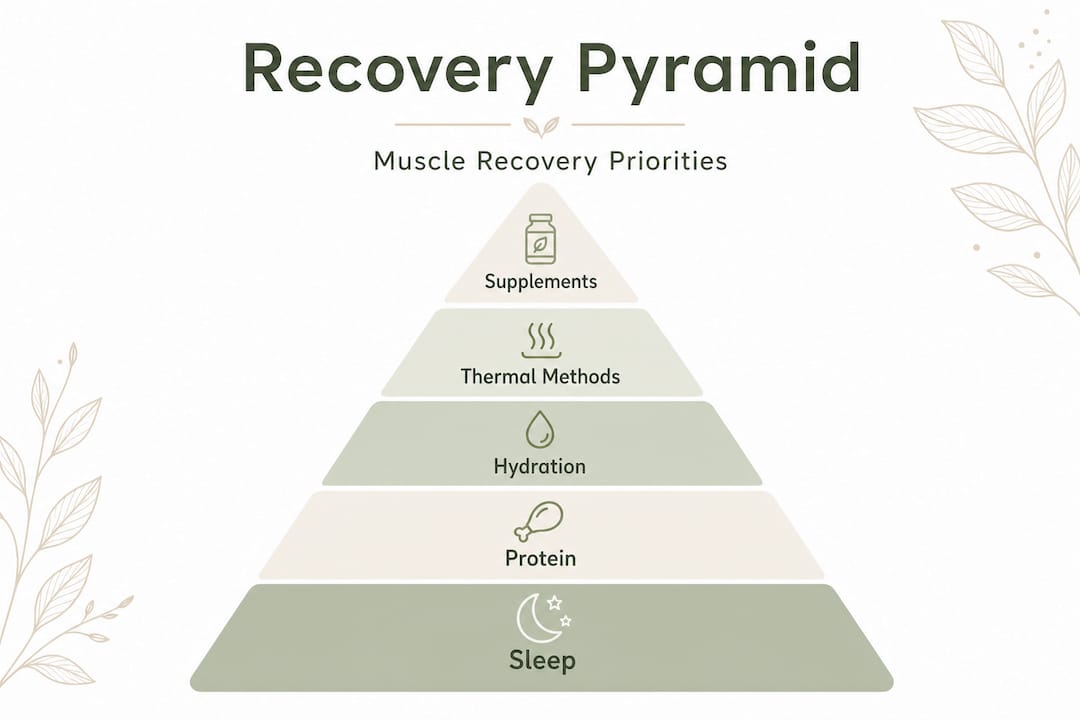
Before you invest time in ice baths or expensive gadgets, you need to lock in three fundamentals: sleep, protein, and hydration. These aren’t optional add-ons. They’re the machinery that runs muscle repair 24 hours a day, seven days a week.
Sleep is the single most powerful recovery tool you have. During deep sleep, your body releases growth hormone, repairs damaged muscle fibers, and consolidates motor learning from your training. Research confirms that sleep drives athlete recovery and that what you eat can directly influence how well you sleep, creating a feedback loop that either accelerates or derails progress. Aim for seven to nine hours of quality sleep per night. Athletes in heavy training blocks often benefit from nine hours or more.
Protein drives muscle protein synthesis, the process by which damaged muscle fibers rebuild stronger than before. Most research points to 1.6 to 2.2 grams of protein per kilogram of bodyweight per day as the effective range for athletes. Spreading intake across four or five meals rather than front-loading keeps muscle protein synthesis elevated throughout the day.
Hydration is often underrated. Even a 2% reduction in bodyweight through sweat can impair strength output and delay recovery. Electrolytes matter too, especially sodium, potassium, and magnesium, which support nerve function, muscle contraction, and cellular repair.
| Recovery factor | Target for athletes | Impact if neglected |
|---|---|---|
| Sleep duration | 7 to 9 hours per night | Elevated cortisol, reduced growth hormone |
| Daily protein intake | 1.6 to 2.2 g per kg bodyweight | Impaired muscle protein synthesis |
| Hydration | Pale yellow urine; replace sweat losses | Reduced strength, slower repair |
| Pre-sleep protein | 30 to 40 g casein or blend | Improved overnight amino acid availability |
Understanding timing your recovery can further sharpen how effectively your body uses these nutrients throughout the day.
Key things to nail right now:
- Eat at least 30 grams of protein per meal across four meals daily
- Drink water consistently rather than all at once
- Keep your bedroom cool and dark to improve deep sleep quality
- Limit alcohol, which suppresses growth hormone and fragments sleep architecture
Pro Tip: Consuming 30 to 40 grams of casein protein or a whey and casein blend 30 minutes before bed increases overnight muscle protein synthesis without disrupting sleep. Studies show this timing strategy can reduce morning soreness and accelerate the rate of repair during the hours when your body is most primed to rebuild.
Step-by-step: Using thermal and manual recovery methods
Once your foundations are locked in, you can maximize gains with these targeted recovery techniques. Thermal and manual therapies are the most commonly used post-foundation tools, and used correctly, they can make a real difference.
Cold water immersion for DOMS
Delayed onset muscle soreness (DOMS) typically peaks 24 to 72 hours after intense training. Cold water immersion reduces DOMS and certain muscle-damage markers following acute, exercise-induced muscle damage, though the benefit depends heavily on temperature and duration. Here’s the protocol that research supports:
- Fill a tub or large container with cold water, targeting a temperature between 10°C and 15°C (50°F to 59°F).
- Submerge from the waist down (or full body if tolerated) within 30 minutes after training.
- Stay immersed for 10 to 15 minutes. Do not exceed 20 minutes.
- Limit use to two or three times per week on your hardest training days.
- Do not use cold immersion immediately after every session if strength adaptation is the goal; cold can blunt the inflammatory signal that drives long-term muscle growth.
Heat vs. cold
The choice between heat and cold is not always obvious. Hot water immersion may support muscle regeneration following injury and may promote better tissue healing in scenarios that resemble muscle injury, whereas cold immersion is stronger at reducing acute soreness and perceived fatigue after intense workouts. Use heat (warm baths, saunas, or heating pads) for tight muscles, chronic stiffness, or post-injury recovery. Use cold for post-workout soreness in the 24 to 72-hour window.
| Method | Best use case | Temperature | Duration | Frequency |
|---|---|---|---|---|
| Cold water immersion | Acute DOMS, post-game | 10 to 15°C | 10 to 15 min | 2 to 3x per week |
| Hot water immersion | Injury recovery, chronic stiffness | 38 to 42°C | 15 to 20 min | As needed |
| Massage | Soreness relief, pre-competition | N/A | 20 to 30 min | 1 to 2x per week |
| Foam rolling | Pre-workout mobility, general maintenance | N/A | 5 to 10 min | Daily |
Massage and foam rolling
Massage therapy may aid post-exercise muscle repair, but the human benefit depends significantly on technique and timing. Deep tissue massage applied within two hours of training tends to reduce inflammatory markers and subjective soreness. Foam rolling, while widely used, has a different role: it works better for improving short-term range of motion and reducing perceived tightness than for driving actual physiological repair.
Important: Both cold immersion and foam rolling carry overuse risks. Using cold immersion daily can suppress the very inflammation that signals long-term muscle adaptation. Aggressive foam rolling on acutely injured or extremely sore muscles can worsen micro-damage rather than reduce it. Match the tool to the situation.
For best supplements for recovery that complement these physical methods, pairing nutrition support with thermal therapy consistently outperforms either strategy alone.
Pro Tip: Use foam rolling as a pre-workout warm-up tool (5 minutes on tight areas) and save massage for your highest-volume training days to get the most from both without overdoing either.
Supplements for muscle recovery: What actually works?
Advanced techniques aside, adding the right nutrition support can further boost your results. The supplement market is loaded with products making bold claims, but only a handful have genuine research behind them.
What the evidence supports:
- Protein powders (whey or casein): The most well-validated recovery supplement. Whey is fast-digesting and ideal post-workout; casein digests slowly and works best pre-sleep.
- Creatine monohydrate: Reduces muscle damage markers, supports faster strength recovery between sessions, and may reduce DOMS in trained athletes. One of the most researched sports supplements available.
- Tart cherry juice: Tart cherry juice shows a context-dependent signal for recovery after exercise-induced muscle damage, with mixed effects across outcomes like strength, soreness, and inflammation markers. It’s worth trying if other bases are covered, but don’t prioritize it over protein and sleep.
- Omega-3 fatty acids: Consistently linked to reduced muscle soreness and lower inflammatory cytokines. A solid addition when dietary fish intake is low.
- Electrolyte blends: Critical for rehydration after intense sweating. Sodium, potassium, and magnesium specifically support fluid retention and muscle function.
When to skip:
- Branched-chain amino acids (BCAAs) add little benefit when total protein intake is already adequate. Save the money.
- Proprietary “recovery blends” with undisclosed doses are rarely worth the price.
Building a smart stack starts with understanding nutritional supplements for recovery and learning how to build a supplement routine that actually fits your training load and goals.
Stat to remember: Research on tart cherry juice found mixed evidence across soreness, inflammation, and strength recovery outcomes, reinforcing the idea that no single supplement works equally well for every marker or every athlete. Stack intelligently; don’t chase the hype.
Troubleshooting: Common muscle recovery mistakes
Even the best protocols can sputter if you overlook these classic errors. Most athletes who feel stuck in slow recovery are making one or more of these fixable mistakes.
-
Overdoing cold immersion: Using ice baths after every session might feel disciplined, but thermal recovery is not one-size-fits-all. Daily cold exposure can blunt the inflammatory signal that triggers long-term muscle adaptation, which matters especially if hypertrophy (muscle growth) is your goal.
-
Foam rolling through acute injuries: Foam rolling and myofascial tools improve subjective comfort, but objective performance effects are inconsistent. Rolling aggressively on acutely damaged tissue can delay healing. If an area is swollen, skip the roller and see a professional.
-
Skipping protein post-workout: Many athletes train hard, then wait hours before eating. This delays the anabolic window and undermines muscle repair. Get 25 to 40 grams of quality protein within 60 to 90 minutes of your workout.
-
Underestimating cumulative fatigue: One bad session won’t derail you. But four weeks of under-recovering will. If your soreness is consistently lasting more than 72 hours, if your strength numbers are declining, or if your motivation to train has dropped sharply, these are signs your overall recovery load needs adjustment, not just one technique.
-
Ignoring sleep for “active recovery” hacks: No amount of foam rolling or cold therapy compensates for six hours of fragmented sleep. Fix sleep first. Always.
Pro Tip: Keep a simple weekly log of soreness level (1 to 10), sleep hours, and training performance. If soreness stays above a 6 for more than three consecutive days, dial back training volume before adding more recovery tools. The signals are there; you just have to listen to them.
How to track and verify your recovery progress
After following new strategies, it’s time to confirm whether you’re really improving. Measuring recovery doesn’t require expensive lab tests. The most actionable metrics are surprisingly simple.
Objective markers to watch:
- Training performance: Are your strength numbers holding steady or improving between sessions?
- Jump height or sprint speed: These neuromuscular outputs drop sharply when you’re under-recovered.
- Resting heart rate: A resting heart rate more than 5 to 7 beats above your baseline typically signals incomplete recovery or oncoming illness.
- Sleep duration and quality: Tracked with a basic wearable or a sleep journal.
Subjective markers:
- Morning soreness level (rate 1 to 10 daily)
- Motivation and mental readiness to train
- Perceived flexibility and range of motion
- General energy and mood
DOMS reductions and creatine kinase (CK) drops are validated markers of improved recovery protocols in research settings. In practical terms, this means you should notice soreness resolving faster, not disappearing but resolving, within two to three weeks of consistently applying the strategies in this guide.
| Week | Avg soreness (1-10) | Sleep (hrs) | Strength (% of baseline) | DOMS duration (days) |
|---|---|---|---|---|
| Week 1 | 7 | 6.5 | 90% | 3.5 |
| Week 2 | 6 | 7.0 | 93% | 3.0 |
| Week 3 | 5 | 7.5 | 97% | 2.5 |
| Week 4 | 4 | 8.0 | 100%+ | 1.5 |
Recovery log checklist:
- Daily soreness rating (morning, before training)
- Sleep hours and quality rating
- Workout performance vs. previous session
- Hydration check (urine color)
- Protein intake estimate
- Use of any thermal or manual therapy
For athletes focused on boosting athletic performance through micronutrition, tracking also reveals where dietary gaps may be contributing to incomplete recovery.
A coach’s perspective: Recovery lessons most miss
Here’s an uncomfortable truth we see repeatedly with athletes at every level. The ones who progress fastest are rarely the ones doing the most recovery techniques. They’re the ones who get boring things right, consistently.
Sleep and protein are not glamorous. Nobody posts a photo of their meal-prepped chicken and rice or brags about going to bed at 9:30 PM. But those two habits, dialed in and repeated every week, deliver more measurable recovery improvement than any contrast bath protocol or vibration therapy device.
Mindset shift: Recovery is not something you do after training. It’s something you build into your entire lifestyle. The athlete who prioritizes sleep, eats enough protein, and manages stress is always going to out-recover the one chasing the latest biohacking tool on four hours of sleep.
We’ve seen athletes try to shortcut this pyramid constantly. They buy every supplement, invest in fancy equipment, and follow complex protocols while sleeping six hours and skipping meals. The results are predictable: chronic fatigue, stalled progress, and frustration.
Our recommendation is always the same. Build your recovery pyramid from the bottom up. Nail sleep. Hit your protein targets. Hydrate consistently. Only then add thermal tools, manual therapy, or targeted supplements. If you’ve built that base, exploring supplements for athletes that layer intelligently on top of your fundamentals becomes genuinely productive.
Individual response matters enormously too. One athlete thrives with three cold immersion sessions per week; another finds it impacts their adaptation negatively. Track your own data for four to six weeks before drawing conclusions. Your physiology is not the same as the athlete in the study.
Support your recovery with science-backed solutions
Ready to implement smarter recovery? Here’s how our resources and solutions can help.
Everything we’ve covered here, from protein timing and sleep quality to thermal therapy and tracking, works best when you have the right products supporting your foundation. At Nutribliss, we’ve built our catalog around what athletes actually need.
Explore our supplements for health to find protein powders, creatine, and recovery-focused capsules that match your training demands. Dig into the science behind superfoods to understand which whole-food concentrates can fill nutritional gaps that slow recovery. And if hydration is your weak spot, our Nutribliss electrolytes supplement delivers the sodium, potassium, and magnesium blend your muscles need to recover and perform. Science-backed, straightforward, and built for athletes who take their training seriously.
Frequently asked questions
How long should I rest between workouts for the best muscle recovery?
Most individuals recover well with 24 to 48 hours between intense sessions targeting the same muscle group; adjust based on soreness and sleep quality signals.
Does foam rolling speed up actual muscle healing?
Foam rolling improves subjective comfort and perceived tightness but doesn’t consistently accelerate the physiological repair process itself.
Is cold water immersion always better than heat for recovery?
No. Cold immersion reduces post-workout soreness effectively, but heat tends to be the better choice for injury recovery and supporting muscle regeneration.
Do supplements like tart cherry juice really work for recovery?
Tart cherry juice shows context-dependent recovery benefits with mixed effects on soreness and inflammation depending on the individual and study design.
How do I know if my muscle recovery plan is actually working?
Track reductions in soreness duration, faster regain of strength, better sleep quality, and improved movement. DOMS and CK marker drops in research correlate directly with improved recovery protocols.