

Nutribliss Zinc is the top pick for the best zinc supplement overall, thanks to its glycinate form, clearly labeled elemental zinc per serving, and third-party testing. Glycinate is among the most bioavailable forms available, and transparent labeling means you know exactly what you’re getting per capsule.
Here’s the quick shortlist for readers who want to scan and decide:
- Nutribliss Zinc — Best overall; glycinate form, clear elemental labeling, COA-backed
- Thorne Zinc Picolinate — Best for absorption-focused users; picolinate form favored in clinical contexts
- NOW Zinc Glycinate — Best for sensitive stomachs; chelated glycinate with high tolerability
- NOW Foods Zinc — Best budget pick; picolinate and gluconate options at accessible price points
- Garden of Life Raw Zinc — Best vegan/whole-food option; raw, food-based sourcing, organic positioning
- Klean Athlete Klean Zinc — Best for athletes; sport-compliance formulation
- MaryRuth’s Organic Kids Zinc Drops — Best for children; liquid dosing, organic ingredients
Table of Contents
- What you need to know about zinc before you buy
- Best zinc supplements compared at a glance
- Mini-reviews: why each product made the list
- How to choose the right zinc supplement for your needs
- Side effects, overdose risk, and interactions to watch for
- How these picks were chosen
- Why Nutribliss favors glycinate and how we vet our picks
- Key Takeaways
- The case for being picky about zinc
- Nutribliss Zinc is worth a closer look
- Useful sources and further reading
What you need to know about zinc before you buy
Zinc is one of the few minerals where the form you take genuinely changes how much your body absorbs. Before comparing products, a few facts are worth locking in.
What zinc actually does in your body:
- Supports immune cell production and helps fight off bacteria and viruses
- Required for DNA synthesis and protein production
- Promotes wound healing and normal skin cell turnover
- Critical during pregnancy, infancy, and adolescence for proper growth
NIH adult RDA and upper intake level (UL):
According to the NIH Office of Dietary Supplements, the Recommended Dietary Allowance for adults ranges from 8 mg (women) to 11 mg (men) per day. The tolerable upper intake level for adults is 40 mg per day. Exceeding that consistently raises the risk of copper depletion and other adverse effects.
Absorption by form: A randomized crossover trial using dual stable isotopes found zinc citrate absorbed at ~61.3% and zinc gluconate at ~60.9%, compared to zinc oxide at ~49.9%. Glycinate forms show similar or better performance in head-to-head comparisons.
Who faces the highest deficiency risk: older adults, vegetarians and vegans (phytates in plant foods inhibit absorption), pregnant and breastfeeding women, and people with gastrointestinal conditions like Crohn’s disease.
Zinc supplements fill real gaps, but the NIH recommends consulting a health care professional before starting, especially at higher therapeutic doses. For more on zinc benefits and dosage, the Nutribliss blog covers the practical side in detail.
Best zinc supplements compared at a glance
| Product | Zinc Form | Elemental Zinc (mg/serving) | Best For | Price Per Serving | Third-Party Testing | Pill Type |
|---|---|---|---|---|---|---|
| Nutribliss Zinc | Glycinate | Labeled on COA | Best overall / absorption | Low–medium | Third-party COA | Capsule |
| Thorne Zinc Picolinate | Picolinate | 15 mg | Absorption-focused users | Medium | NSF Certified for Sport | Capsule |
| NOW Zinc Glycinate | Glycinate (chelated) | 30 mg | Sensitive stomach / absorption | Low | GMP certified | Capsule |
| NOW Foods Zinc | Picolinate / Gluconate | 50 mg (picolinate) | Budget buyers | Low | GMP certified | Capsule/tablet |
| Garden of Life Raw Zinc | Whole-food blend | 30 mg | Vegan / whole-food shoppers | Medium | Third-party certified | Tablet |
| Nature Made Zinc | Gluconate | 30 mg | Convenience shoppers | Low | USP Verified | Tablet |
| Solgar Zinc | Picolinate | 22 mg | Premium shoppers | Medium–high | — | Tablet |
| MegaFood Zinc Tablets | Food-based | 15 mg | Sensitive stomach / whole-food | Medium–high | Third-party tested | Tablet |
| Klean Athlete Klean Zinc | Picolinate | 15 mg | Athletes | Medium–high | NSF Certified for Sport | Capsule |
| Garden of Life (zinc formulations) | Whole-food blend | Varies | Clean-label seekers | Medium | Third-party certified | Capsule/tablet |
| MaryRuth’s Organic Kids Zinc Drops | Gluconate (liquid) | 10 mg | Children | Medium | Third-party tested | Liquid drops |
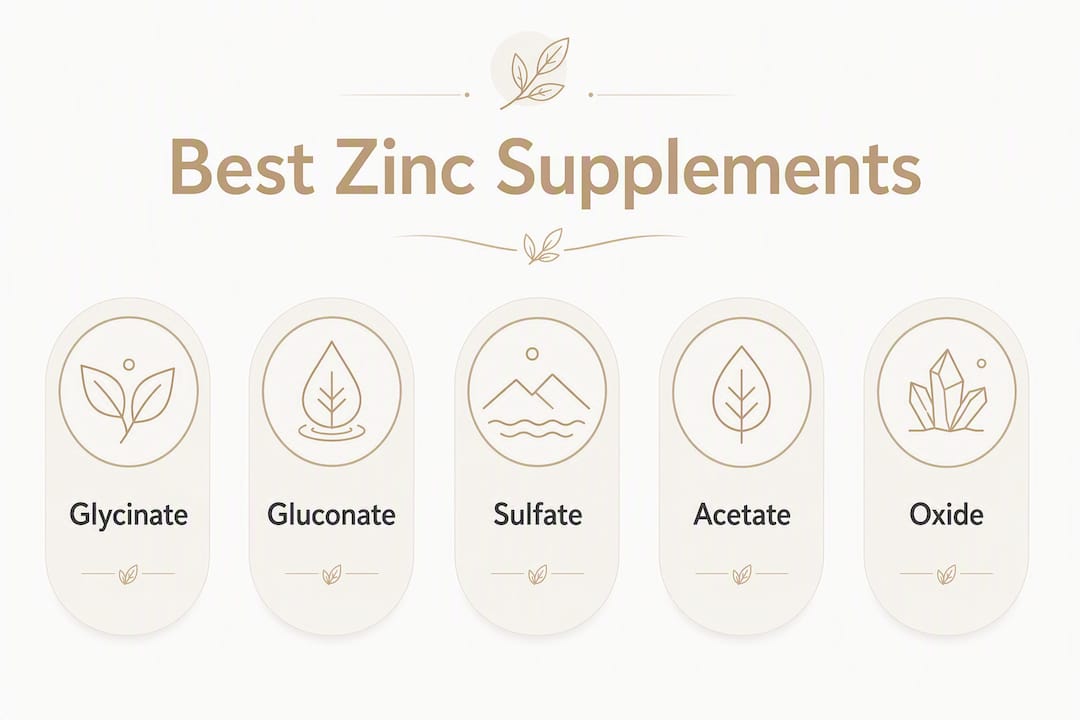
Mini-reviews: why each product made the list
1. Nutribliss Zinc — Best overall
Nutribliss Zinc leads this list because it uses the glycinate form, which narrative review data identifies as among the most bioavailable options in human studies. The elemental zinc amount is clearly labeled, and a certificate of analysis is available, which matters because some commercial supplements have been found to exceed declared zinc content in independent testing. Capsule format means no metallic aftertaste.
- Best for: Overall absorption and label transparency
- Pros: Glycinate form, COA-backed, clear elemental labeling
- Cons: Fewer retail locations than pharmacy brands; check the site for current stock
2. Thorne Zinc Picolinate — Best for absorption-focused users
Thorne’s picolinate formula is one of the most dietitian-cited options on the market. NSF Certified for Sport, which means it clears testing for banned substances. At 15 mg elemental zinc per capsule, it’s a sensible daily dose for most adults.
- Best for: Absorption-focused users, athletes who want a tested product
- Pros: NSF certified, clean formulation, widely trusted by practitioners
- Cons: Mid-range price; picolinate has slightly less comparative data than glycinate in recent reviews
3. NOW Zinc Glycinate — Best for sensitive stomachs
At 30 mg elemental zinc per capsule in chelated glycinate form, this is the go-to for anyone who has experienced nausea or GI discomfort with other zinc supplements. Glycinate’s sensory profile is milder than sulfate or oxide, which helps with adherence. GMP certified manufacturing.
- Best for: Sensitive stomach, absorption-focused users
- Pros: Chelated form, high elemental dose, budget-friendly
- Cons: 30 mg per capsule may be more than some users need daily; easy to overshoot the RDA
4. NOW Foods Zinc — Best budget pick
Available in both picolinate and gluconate forms, NOW Foods Zinc is one of the most accessible options in the U.S. market. The picolinate version delivers 50 mg elemental zinc per capsule, which is high; most users will want to take it every other day or confirm with a clinician. GMP certified.
- Best for: Budget buyers, those who want multiple form options
- Pros: Very low cost per serving, widely available, multiple forms
- Cons: 50 mg per capsule exceeds the adult RDA significantly; dose management required
5. Garden of Life Raw Zinc — Best vegan/whole-food option
Garden of Life’s Raw Zinc uses a food-based blend with 30 mg elemental zinc per serving, certified organic, and third-party tested. The whole-food matrix appeals to clean-label shoppers who want their supplement to look more like food than a pharmaceutical.
- Best for: Vegan and whole-food shoppers
- Pros: Organic, food-based sourcing, third-party certified
- Cons: Higher price per serving; food-based blends can have variable bioavailability
6. Nature Made Zinc — Best for convenience shoppers
Nature Made’s gluconate-based zinc is USP Verified, meaning it has passed independent testing for potency and purity. At 30 mg per tablet, it’s easy to find at CVS, Walgreens, or any major grocery chain. Straightforward and reliable.
- Best for: Convenience shoppers who want a pharmacy-brand option
- Pros: USP Verified, widely available, low cost
- Cons: Gluconate has a slightly metallic taste in some formulations; tablet form only
7. Solgar Zinc — Best for premium shoppers
Solgar has been in the supplement space for decades, and their picolinate zinc at 22 mg per tablet reflects that heritage. No artificial colors or preservatives. The brand’s reputation carries weight, though the price per serving is higher than most on this list.
- Best for: Premium shoppers who prioritize brand history
- Pros: Long-standing brand, clean formulation, picolinate form
- Cons: Higher price; no current NSF or USP certification listed publicly
8. MegaFood Zinc Tablets — Best for whole-food tolerability
MegaFood’s food-based zinc at 15 mg per tablet is designed to be taken on an empty stomach, which is a genuine differentiator. Most zinc supplements cause nausea when taken without food; MegaFood’s whole-food matrix reduces that risk. Third-party tested.
- Best for: Sensitive stomachs, whole-food preferrers
- Pros: Can be taken without food, third-party tested, food-based sourcing
- Cons: 15 mg per tablet is a lower dose; may not suit therapeutic needs
9. Klean Athlete Klean Zinc — Best for athletes
NSF Certified for Sport, which is the standard that matters most in competitive athletics. Klean Zinc delivers 15 mg elemental zinc per capsule in picolinate form. If you’re subject to drug testing, this certification removes a real concern. For a deeper look at zinc’s role in athletic performance, the Nutribliss blog covers the research.
- Best for: Competitive athletes, sport-tested contexts
- Pros: NSF Certified for Sport, clean label, picolinate form
- Cons: Premium price; 15 mg may be low for those with documented deficiency
10. Garden of Life zinc-containing formulations — Best for clean-label seekers
Beyond Raw Zinc, Garden of Life produces several zinc-containing products within their broader supplement line. These whole-food, organic formulations suit shoppers who want zinc as part of a broader nutrient matrix rather than a standalone mineral.
- Best for: Clean-label seekers who prefer multi-nutrient whole-food products
- Pros: Organic, whole-food sourcing, brand transparency
- Cons: Zinc dose varies by product; check the specific formulation’s Supplement Facts panel
11. MaryRuth’s Organic Kids Zinc Drops — Best for children
Liquid zinc gluconate drops with organic ingredients, dosed at 10 mg per serving. Liquid format makes dosing flexible for children who can’t swallow capsules. WHO guidance supports water-soluble zinc compounds like gluconate for pediatric use. Third-party tested.
- Best for: Children, parents who need flexible liquid dosing
- Pros: Liquid format, organic, kid-friendly dose
- Cons: Gluconate can have a mild taste; liquid requires careful measurement
How to choose the right zinc supplement for your needs
The single most important decision is the chemical form. Not all zinc is equal once it reaches your gut.
Forms ranked by bioavailability evidence:
- Glycinate (bisglycinate): A 2023/2024 narrative review identifies glycinate and gluconate as among the most bioavailable forms in human studies, with some trials showing glycinate outperforming other common forms head-to-head.
- Citrate and gluconate: Both absorbed at roughly 61% in the stable isotope trial cited above, making them strong choices and more cost-effective than glycinate in many cases.
- Picolinate: Widely used and clinician-recommended; good absorption data, though the comparative evidence versus glycinate is mixed.
- Oxide: Absorbed at roughly 50% in the same trial. Cheaper to produce, which is why it appears in many low-cost supplements, but it’s the weakest performer on absorption.
Reading the Supplement Facts panel correctly:
Labels declare elemental zinc, not the full compound weight. A product listing “zinc picolinate 100 mg” does not deliver 100 mg of zinc to your body. The elemental zinc figure is what matters for dosing. Always find that number before comparing products.
Your selection checklist:
- Desired elemental zinc per serving (8–11 mg for maintenance; higher for therapeutic use under clinical guidance)
- Chemical form (glycinate or citrate for best tolerability and absorption)
- Third-party testing (USP, NSF, or a published COA)
- Copper co-supplementation if using long-term at higher doses
- Pill type (capsule vs. tablet vs. liquid for kids)
- Dietary preferences (vegan certification, organic, no artificial additives)
- Price per serving: divide the bottle price by the number of servings, then divide again by elemental mg to compare true value
Pro Tip: Compare price per elemental mg, not price per bottle. A $10 bottle with 50 servings at 15 mg elemental zinc costs less per mg than a $15 bottle with 30 servings at 10 mg, even though the second bottle looks cheaper per capsule.
Individual diet and health status also shape how much zinc you ultimately absorb, so form choice is one input, not the whole answer. For therapeutic dosing above the RDA, a clinician’s guidance is the right starting point.

Side effects, overdose risk, and interactions to watch for
Zinc is safe within the RDA, but it’s one of the easier minerals to overdo with supplements.
Signs of excess zinc:
- Nausea, vomiting, stomach cramps (often the first sign, especially on an empty stomach)
- Headache and fatigue
- With chronic excess: copper deficiency, which can cause neurologic problems
The NIH tolerable upper intake level for adults is 40 mg per day from all sources combined. Some single-serving products on this list approach or exceed that figure, so dose management matters.
UL reminder: The adult UL is 40 mg/day. Some products on this list deliver 30–50 mg per serving. If you’re eating zinc-rich foods (oysters, beef, fortified cereals), your total daily intake adds up faster than the capsule label suggests.
Key drug and nutrient interactions:
- Iron: Taking 25 mg or more of supplemental iron at the same time as zinc can reduce zinc absorption. Iron in fortified foods generally doesn’t cause the same competition. If you take both, stagger them by at least two hours.
- Antibiotics (quinolones and tetracyclines): Zinc can bind to these drugs and reduce their absorption. Take zinc at least two hours before or four to six hours after the antibiotic dose.
- Copper balance: Long-term supplementation above the RDA depletes copper. If you’re taking more than 15 mg daily for months, consider a supplement that includes a small copper dose (1–2 mg), or monitor copper status with a clinician.
Higher-risk groups who should check with a clinician before supplementing: people with Crohn’s disease or ulcerative colitis, those on diuretics or penicillamine, and anyone already taking a multivitamin with zinc.
Taste note: Zinc sulfate and zinc acetate have a pronounced metallic taste. If you’re considering a chewable or lozenge, citrate and glycinate forms have a friendlier sensory profile, which matters for adherence. For more on signs of zinc deficiency and when to act, the Nutribliss blog covers the clinical picture.

This article provides general information, not medical advice. Confirm dosing and interactions with a qualified health care professional before starting any supplement.
How these picks were chosen
Every product on this list was evaluated against the same set of criteria, in this order of weight:
- Zinc form and bioavailability evidence: — Forms were ranked using human absorption trials and narrative review data from NIH/ODS and peer-reviewed journals (MDPI, PMC). Oxide-only formulas were deprioritized.
Product details were verified against published Supplement Facts panels and brand COA documentation where publicly available.
Why Nutribliss favors glycinate and how we vet our picks
Nutribliss evaluates zinc supplements against three non-negotiable standards: ingredient transparency (explicit elemental zinc on the label), independent third-party testing (USP, NSF, or a published COA), and a chemical form with strong human bioavailability data.
Zinc glycinate clears all three on the evidence. The narrative review published in Nutrients places glycinate and gluconate at the top of the bioavailability ranking across human studies, with select trials showing glycinate outperforming gluconate in head-to-head comparisons. The glycinate bond also reduces GI irritation, which is the most common reason people abandon zinc supplements.
On the label-reading side, in vitro bioaccessibility testing found that potential bioaccessibility across commercial supplements ranged from 1.13% to 9.38%, with diglycinate forms showing the highest values. That range is wide enough to matter. A product that looks identical on the label can deliver meaningfully different amounts of absorbable zinc depending on form and manufacturing quality.
Pro Tip: When reviewing a COA, look for three things: the elemental zinc value matches the label claim, the heavy metals panel shows results below established limits, and the testing lab is accredited (ISO 17025 or equivalent). If a brand won’t share its COA on request, that’s a signal worth taking seriously.
Nutribliss’s science-first approach to supplement development applies the same vetting logic across its product line. For readers interested in how zinc pairs with other minerals, the guide on zinc and magnesium covers the interaction in practical terms.
Key Takeaways
Glycinate-form zinc with verified elemental labeling and third-party testing is the most reliable choice for absorption, tolerability, and safety across most adult use cases.
| Point | Details |
|---|---|
| Form determines absorption | Glycinate absorbs at higher rates than gluconate and oxide; citrate and gluconate absorb at ~61% in clinical trials, while oxide absorbs at ~50%. |
| Read elemental zinc, not compound weight | Labels declare elemental zinc per serving; that number, not the compound weight, is what determines your actual intake. |
| Stay under the 40 mg UL | The adult tolerable upper intake level is 40 mg/day; high-dose products can push you past it without food sources counted. |
| Third-party testing matters | Some supplements exceed declared zinc content; USP, NSF, or COA verification reduces that risk meaningfully. |
| Nutribliss Zinc is the top pick | Glycinate form, clear elemental labeling, and COA availability make it the recommended choice for absorption and transparency. |
The case for being picky about zinc
There’s a tendency in the supplement space to treat zinc as a solved problem. It’s cheap, it’s everywhere, and the RDA is modest. So why does form matter so much?
Because the gap between a well-formulated zinc supplement and a poorly formulated one isn’t theoretical. The stable isotope absorption data shows zinc oxide absorbing nearly 20 percentage points below citrate and gluconate. That’s not a rounding error. At a 10 mg elemental dose, you could be absorbing 2 mg less zinc per day than you think, consistently, for months.
The second thing most buyers miss is the copper connection. Zinc and copper compete for the same absorption pathway. At doses above the RDA taken daily, zinc wins that competition, and copper status quietly drops. Most zinc supplements don’t include copper. Most buyers don’t think to check. The result is a slow, subtle deficiency that looks like fatigue and neurologic fog, not a zinc overdose.
The third underrated factor is label accuracy. Independent testing has found that actual zinc content in commercial supplements can exceed declared amounts. That’s not a minor quality-control footnote. If a product delivers 20% more zinc than labeled and you’re already at the high end of the RDA, you may be consistently hitting the UL without knowing it.
None of this means zinc supplementation is risky. It means the form, the dose, and the testing behind the product all deserve more scrutiny than most buyers give them. Pick a glycinate or citrate form, verify the elemental zinc figure, and look for a COA. Those three steps separate a supplement that works from one that just looks like it does.
Use #nutribliss to share your picks and questions on social.
Nutribliss Zinc is worth a closer look

If you’ve read this far, you already know what separates a well-formulated zinc supplement from a generic one: the chemical form, the elemental zinc labeling, and the testing behind the label. Nutribliss Zinc checks all three. It’s built on a glycinate base for absorption and tolerability, the elemental zinc per serving is clearly stated, and a certificate of analysis backs the label claim.
For supplement shoppers who are tired of guessing whether the label matches what’s actually in the capsule, that combination is the practical answer. Nutribliss’s science-backed formulation approach applies the same standard across its product line.
Browse Nutribliss Zinc and the full supplement range at nutribliss.us to find the right fit for your health goals.
Useful sources and further reading
- Comparative Absorption and Bioavailability of Various Chemical Forms of Zinc in Humans: A Narrative Review (MDPI Nutrients, 2023/2024) — Comprehensive human bioavailability comparison across zinc forms
- Zinc Absorption by Young Adults from Supplemental Zinc Citrate Is Comparable with That from Zinc Gluconate and Higher Than from Zinc Oxide (PMC) — Randomized crossover trial with dual stable isotopes; citrate 61.3%, gluconate 60.9%, oxide 49.9%
- Comparison of the Potential Relative Bioaccessibility of Zinc Supplements: In Vitro Studies (PMC) — In vitro bioaccessibility data across commercial products; highlights label accuracy issues
- Zinc: Consumer Fact Sheet (NIH ODS) — Plain-language overview of zinc functions, food sources, and supplement guidance