

You’ve probably heard that older adults need less sleep. That’s a persistent myth. Research confirms adults across all age groups need roughly 7-9 hours of quality sleep each night. Sleep hygiene offers practical strategies to help you achieve that goal through consistent behaviors and an optimized environment. In 2026, combining these proven methods with targeted nutritional support provides a comprehensive approach to better rest.
Table of Contents
- Foundations Of Sleep Hygiene And Recommended Sleep Duration
- Behavioral And Environmental Strategies For Sleep Hygiene
- Nutritional And Supplement Support For Sleep Hygiene
- Common Misconceptions About Sleep Hygiene
- From Understanding To Practice: Applying Sleep Hygiene For Healthier Sleep
- Explore Nutritional Supplements To Enhance Your Sleep Hygiene
- What Is Sleep Hygiene FAQ
Key takeaways
| Point | Details |
|---|---|
| Sleep hygiene combines behaviors and environment | Consistent routines and an optimal bedroom setup form the foundation of quality sleep. |
| Adults need 7-9 hours nightly | Recommended sleep duration stays consistent across adult age groups despite common myths. |
| Environmental factors matter significantly | A cool, dark, quiet bedroom minimizes sleep disruptions and promotes restorative rest. |
| Supplements complement but don’t replace habits | Melatonin and magnesium can enhance sleep quality when paired with solid behavioral practices. |
| Chronic insomnia requires professional care | Sleep hygiene alone may not resolve persistent sleep disorders; CBT-I offers effective treatment. |
Foundations of sleep hygiene and recommended sleep duration
Sleep hygiene refers to the collection of behaviors and environmental conditions that influence your ability to fall asleep and stay asleep. It’s not a medical treatment but a framework of habits that work with your body’s natural sleep-wake cycle.
Understanding age-specific sleep needs helps you set realistic goals:
- School-age children (6-12 years): 9-12 hours
- Teenagers (13-18 years): 8-10 hours
- Adults (18-60 years): 7 or more hours, typically 7-9 hours
- Older adults (61+ years): 7-9 hours
The consequences of insufficient sleep extend beyond daytime fatigue. Poor sleep hygiene increases risks of chronic diseases like heart disease, diabetes, and obesity. Your immune system weakens, cognitive function declines, and mood disturbances become more common.
Consistent sleep routines align your circadian rhythm, the internal biological clock that regulates sleep-wake cycles. When you maintain regular bedtimes and wake times, your body anticipates these patterns and naturally prepares for sleep. This biological synchronization improves both how quickly you fall asleep and the quality of rest you experience.
Good sleep hygiene creates physiological changes that support restoration. During deep sleep stages, your body repairs tissues, consolidates memories, and releases growth hormones. These processes require adequate duration and minimal interruptions, making both behavioral consistency and environmental optimization essential.
Behavioral and environmental strategies for sleep hygiene
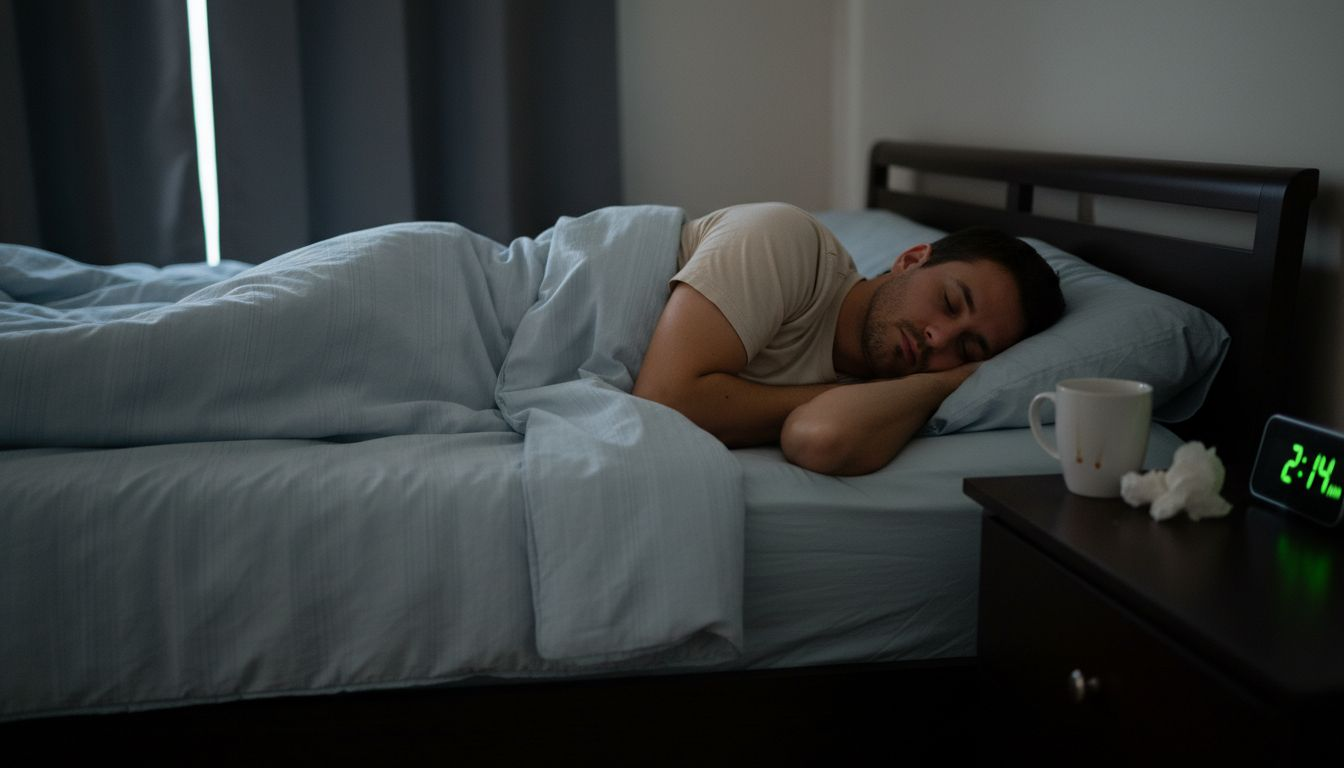
Specific lifestyle modifications directly impact your sleep quality through measurable physiological mechanisms. Consistent sleep schedules reinforce the internal body clock and improve sleep quality by training your brain to anticipate rest periods.
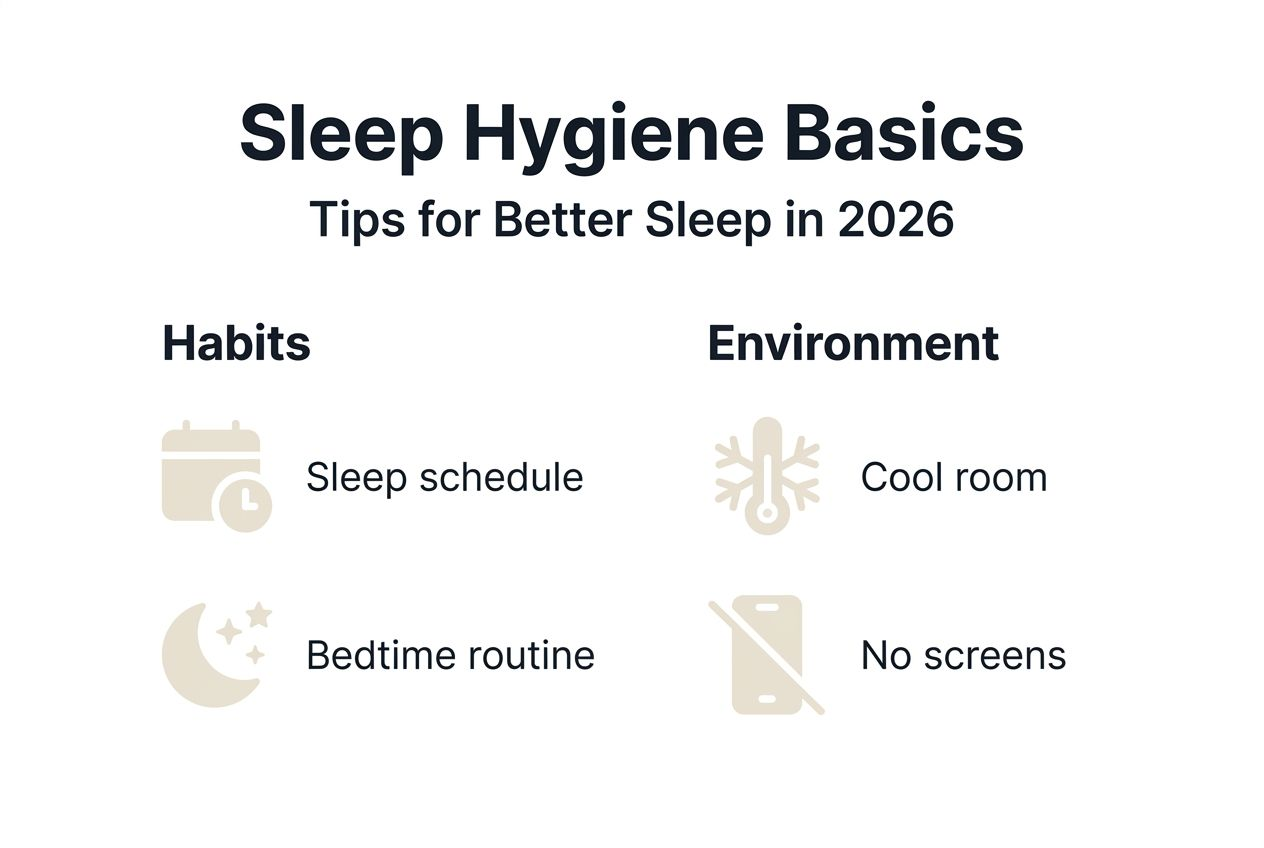
Your bedroom environment plays an equally critical role. Research shows a cool, dark, and quiet bedroom enhances sleep quality by minimizing disruptions. The optimal temperature range sits between 60-67°F. Darkness triggers melatonin production, while noise can fragment sleep cycles even if you don’t fully wake.
Implement these evidence-based behavioral strategies:
- Go to bed and wake up at the same time every day, including weekends
- Reserve your bedroom exclusively for sleep and intimacy to strengthen mental associations
- Avoid caffeine at least 4 hours before bedtime to prevent sleep disruption
- Limit alcohol consumption, as it fragments sleep architecture despite initial sedation
- Exercise regularly but avoid vigorous activity within 3 hours of bedtime
- Develop a calming pre-sleep routine like reading or gentle stretching
Physical activity deserves special attention. Regular exercise improves sleep quality by reducing stress hormones and promoting physical tiredness. However, timing matters. Evening workouts can elevate body temperature and stimulate the nervous system, making it harder to wind down.
Pro Tip: If you wake during the night and can’t fall back asleep within 20 minutes, leave your bedroom and do a quiet activity in dim light. Return only when you feel drowsy. This prevents your brain from associating your bed with wakefulness.
Nutritional and supplement support for sleep hygiene
While behavioral and environmental strategies form the foundation, certain nutrients and supplements provide additional support for sleep regulation. Melatonin helps adjust circadian rhythms and reduce time to fall asleep by signaling your body that darkness has arrived.
Magnesium promotes relaxation and improves sleep efficiency by about 15% through its role in regulating neurotransmitters. It activates the parasympathetic nervous system, helping your body transition into a rest state. Both minerals address different aspects of sleep physiology, making them complementary rather than redundant.
| Supplement | Primary Benefit | Typical Dose Range | Best Timing |
|---|---|---|---|
| Melatonin | Reduces sleep latency, regulates circadian rhythm | 0.5-5 mg | 30-60 minutes before bed |
| Magnesium | Promotes muscle relaxation, improves sleep efficiency | 200-400 mg | Evening with food |
| L-Theanine | Reduces stress, enhances sleep quality | 100-200 mg | 30-60 minutes before bed |
| Glycine | Lowers core body temperature, improves sleep onset | 3 g | Before bedtime |
Understand that supplements work best alongside solid sleep hygiene practices. They’re enhancers, not replacements. A Nutribliss sleep formula supplement combines multiple sleep-supporting ingredients in balanced ratios, removing the guesswork from individual supplementation.
Safety considerations matter significantly:
- Start with the lowest effective dose and adjust gradually
- Consult healthcare providers before combining supplements with medications
- Some individuals prefer melatonin-free sleep supplements to avoid next-day drowsiness
- Quality and purity vary between brands; choose third-party tested products
Pro Tip: Keep a supplement log tracking what you take, when, and your sleep quality that night. This data helps identify what works for your unique physiology and allows for informed adjustments.
Following supplement safety guidelines protects you from unnecessary risks while maximizing benefits. Individual responses vary based on factors like body weight, existing health conditions, and medication interactions.
Common misconceptions about sleep hygiene
Several myths about sleep can derail your efforts to improve rest quality. Understanding reality versus fiction helps you set appropriate expectations and choose effective strategies.
Myth: Older adults need similar sleep duration as younger adults despite changes in sleep patterns. While sleep architecture shifts with age, producing lighter and more fragmented rest, the recommended hours remain 7-9. Older adults may need to adjust timing or address medical conditions affecting sleep, but the total duration requirement doesn’t decrease.
Myth: Sleep hygiene alone cures chronic insomnia. Reality: Sleep hygiene alone cannot cure chronic insomnia; CBT-I is most effective long-term. While good sleep hygiene helps prevent and improve mild sleep issues, persistent insomnia lasting more than three months typically requires structured cognitive behavioral therapy addressing underlying thought patterns and behaviors.
Myth: Evening caffeine has minimal sleep effects if you’re used to it. Reality: Caffeine consumed less than 4 hours before bedtime disrupts sleep onset and duration even in regular consumers. Tolerance doesn’t eliminate caffeine’s wake-promoting effects on adenosine receptors. The half-life of caffeine ranges from 3-7 hours, meaning significant amounts remain in your system long after consumption.
Other common misunderstandings include believing alcohol improves sleep quality (it actually fragments sleep cycles) and thinking you can catch up on lost sleep during weekends (irregular schedules disrupt circadian rhythm). Recognizing these misconceptions prevents wasted effort on ineffective approaches and directs your energy toward evidence-based methods.
From understanding to practice: applying sleep hygiene for healthier sleep
Transforming knowledge into consistent habits requires a systematic approach. Follow these steps to build a sustainable sleep hygiene routine:
- Establish your consistent schedule by choosing a wake time you can maintain seven days per week, then count backward 7-9 hours for your bedtime
- Optimize your bedroom environment by installing blackout curtains, setting your thermostat to 60-67°F, and removing electronic devices
- Create a 30-60 minute wind-down routine with relaxing activities like reading, gentle stretching, or meditation
- Remove stimulants by cutting caffeine after 2 PM and avoiding large meals within three hours of bedtime
- Time your exercise for morning or early afternoon when it supports rather than disrupts sleep
- Use your bedroom exclusively for sleep and intimacy to strengthen mental associations with rest
Selecting supplements requires careful consideration of your specific needs. If you struggle with falling asleep, melatonin addresses sleep onset. If you wake frequently or experience restless sleep, magnesium may provide more benefit. Many people find combination formulas offer comprehensive support without needing multiple products.
Consult healthcare providers before starting supplements, especially if you take medications or have health conditions. Follow guidance on how to combine supplements safely to avoid interactions and maximize benefits.
Track your progress using a sleep diary or smartphone app. Record bedtime, wake time, sleep quality ratings, and any factors that might have influenced your rest. Patterns emerge over two to four weeks, revealing what works for your unique situation.
Pro Tip: Give each change at least two weeks before adding another modification. This isolation helps you identify which specific interventions provide the most benefit for your sleep quality.
If sleep problems persist despite consistent sleep hygiene efforts, seek professional evaluation. Cognitive behavioral therapy for insomnia improves long-term sleep outcomes in 70-80% of patients, beyond sleep hygiene alone. A sleep specialist can identify underlying disorders like sleep apnea that require medical treatment.
For additional guidance on selecting quality products, explore our nutritional supplements guide covering everything from ingredient sourcing to proper dosing strategies.
Explore nutritional supplements to enhance your sleep hygiene
Building better sleep hygiene extends beyond behavioral changes. Quality nutritional supplements provide targeted support that works alongside your healthy habits. At Nutribliss, we understand that choosing the right supplements requires careful consideration of ingredients, dosing, and safety.

Our Nutribliss sleep formula supplement combines research-backed ingredients in optimized ratios to support multiple aspects of sleep quality. Whether you’re addressing occasional sleeplessness or seeking to enhance already solid sleep hygiene, science-backed supplementation offers measurable benefits.
Explore our comprehensive nutritional supplements guide for detailed information on selecting products that match your specific wellness goals. We also provide essential supplement safety guidelines to help you make informed decisions about what you put in your body. Quality sleep starts with quality choices in both habits and nutrition.
What is sleep hygiene FAQ
What are the best practices for sleep hygiene?
The most effective practices include maintaining consistent sleep and wake times seven days per week, optimizing your bedroom to be cool (60-67°F), dark, and quiet, and avoiding caffeine within four hours of bedtime. Reserve your bedroom exclusively for sleep and intimacy to strengthen mental associations. Establish a calming pre-sleep routine and exercise regularly but not within three hours of bedtime.
Can supplements replace sleep hygiene routines?
No, supplements should complement rather than replace behavioral sleep hygiene practices. While melatonin and magnesium provide valuable support for sleep regulation and quality, they work best when combined with consistent routines and an optimized sleep environment. Think of supplements as enhancers that amplify the effects of good habits rather than standalone solutions.
How long does it take to see improvements with sleep hygiene?
Most people notice initial improvements within one to two weeks of consistent sleep hygiene practice, though full benefits may take four to six weeks as your circadian rhythm fully adjusts. The timeline varies based on how significant your changes are and individual factors like stress levels and existing sleep debt. Track your progress with a sleep diary to identify patterns and measure improvements objectively.
Is caffeine completely off-limits for good sleep?
Caffeine isn’t completely off-limits, but timing matters significantly. Avoid consuming caffeine within four hours of bedtime, as it disrupts sleep onset and reduces total sleep duration even in regular consumers. Morning and early afternoon caffeine typically clears your system by evening. Individual sensitivity varies, so some people may need to stop caffeine consumption even earlier, by 2 PM or before.
When should I seek professional help for sleep problems?
Consult a healthcare provider or sleep specialist if you experience persistent insomnia lasting more than three months, excessive daytime sleepiness despite adequate sleep opportunity, loud snoring or breathing pauses during sleep, or if sleep problems significantly impact your daily functioning. Chronic sleep issues often require cognitive behavioral therapy for insomnia (CBT-I) or medical evaluation for underlying disorders like sleep apnea that won’t respond to sleep hygiene alone.