

Introduction
For individuals seeking a reliable and gentle path to better rest, especially those wary of hormone-based options, the concept of a melatonin free sleep supplement is emerging as an appealing alternative. As concerns around long-term melatonin use grow—highlighted by studies linking extended use to potential health risks like increased heart failure risk and inconsistent dosing in over-the-counter products—nutritionists and sleep specialists are turning toward plant-based, adaptogenic, and amino acid blends for more sustainable solutions. For instance, a new preliminary study from the American Heart Association associated long-term melatonin use with up to a 90% higher risk of developing heart failure, sparking renewed interest in non-hormonal options People.com report, Nov 2025.
In this section, we’ll explore how melatonin-free sleep aids are grounded in scientific evidence and real-world applications. Dietary alternatives such as ashwagandha—shown to reduce cortisol levels by up to 27% and improve sleep quality by an average of 72%—offer compelling evidence of their effectiveness Applied Health, Feb 2025. Complementary options like L-theanine promote alpha brain wave activity linked to calm alertness without grogginess, while GABA and minerals like magnesium can help ease neural tension and promote deep rest Altruva Wellness.
Professionals navigating the crowded supplement market often emphasize choosing products backed by rigorous third-party quality assurance. For example, Pure Encapsulations’ Sereniten Plus offers a melatonin-free blend—including vitamin D, L-theanine, and the milk-derived peptide Lactium—and ensures purity with third-party testing, making it a notable, safer choice for daily use Health.com guide, 2024. These real-world examples demonstrate how herbs, amino acids, and mindful formulations can deliver tangible improvements in sleep without triggering hormonal dependencies or unexpected side effects.
This introduction sets the stage for a detailed, evidence-based exploration of how individuals can achieve restorative sleep naturally. In the following sections, we’ll dive deeper into specific ingredients, clinical outcomes, formulation strategies, and best practices for selecting a melatonin free sleep supplement that aligns with long-term wellness goals.
Key Ingredients for Restful Sleep Without Melatonin
Natural Alternatives to Melatonin
In the realm of sleep aids, finding effective alternatives to melatonin is crucial for individuals seeking natural ways to enhance their rest without potential side effects. Valerian root, for example, is a powerful herb known for its ability to promote relaxation and improve sleep quality. Studies have shown valerian root can reduce the time it takes to fall asleep and improve the overall sleep experience according to research.
Likewise, passionflower is another herbal remedy praised for its calming effects. It works by increasing levels of gamma-aminobutyric acid (GABA) in the brain, which helps to soothe anxiety and stress, leading to a more restful sleep. Additionally, the calming properties of chamomile have been utilized for centuries in teas and supplements designed to improve sleep onset and duration.
Minerals and Amino Acids
Incorporating the right minerals and amino acids into a sleep supplement can be transformative. Magnesium is a standout mineral that plays a critical role in relaxation and sleep regulation. It can help decrease cortisol levels—the stress hormone—and improve sleep quality, as reported by multiple studies according to Healthline.
The amino acid L-theanine, found in green tea, is known for its ability to create a relaxed state without causing drowsiness. It promotes alpha brain wave generation, translating to better mental focus and reduced anxiety. When combined with other calming ingredients, L-theanine can significantly enhance the efficacy of a melatonin free sleep supplement.
Adaptogens: A Balanced Approach
Adaptogens such as ashwagandha and Rhodiola rosea offer a balanced approach by supporting the body's response to stress. Ashwagandha, in particular, is well-regarded for its ability to reduce anxiety and enhance overall sleep quality. A study by PubMed highlights its effectiveness in improving sleep patterns and overall wellbeing.
Combined adaptogens can help in achieving a state of calmness and equilibrium, making it easier to drift into sleep naturally and maintain uninterrupted rest throughout the night. For those looking to align their sleep regimen with long-term wellness goals, understanding these ingredients in a melatonin free sleep supplement is essential.
As we continue to explore this topic, we'll delve into clinical outcomes and how specific formulations can be tailored to individual needs, ensuring the best natural sleep support.
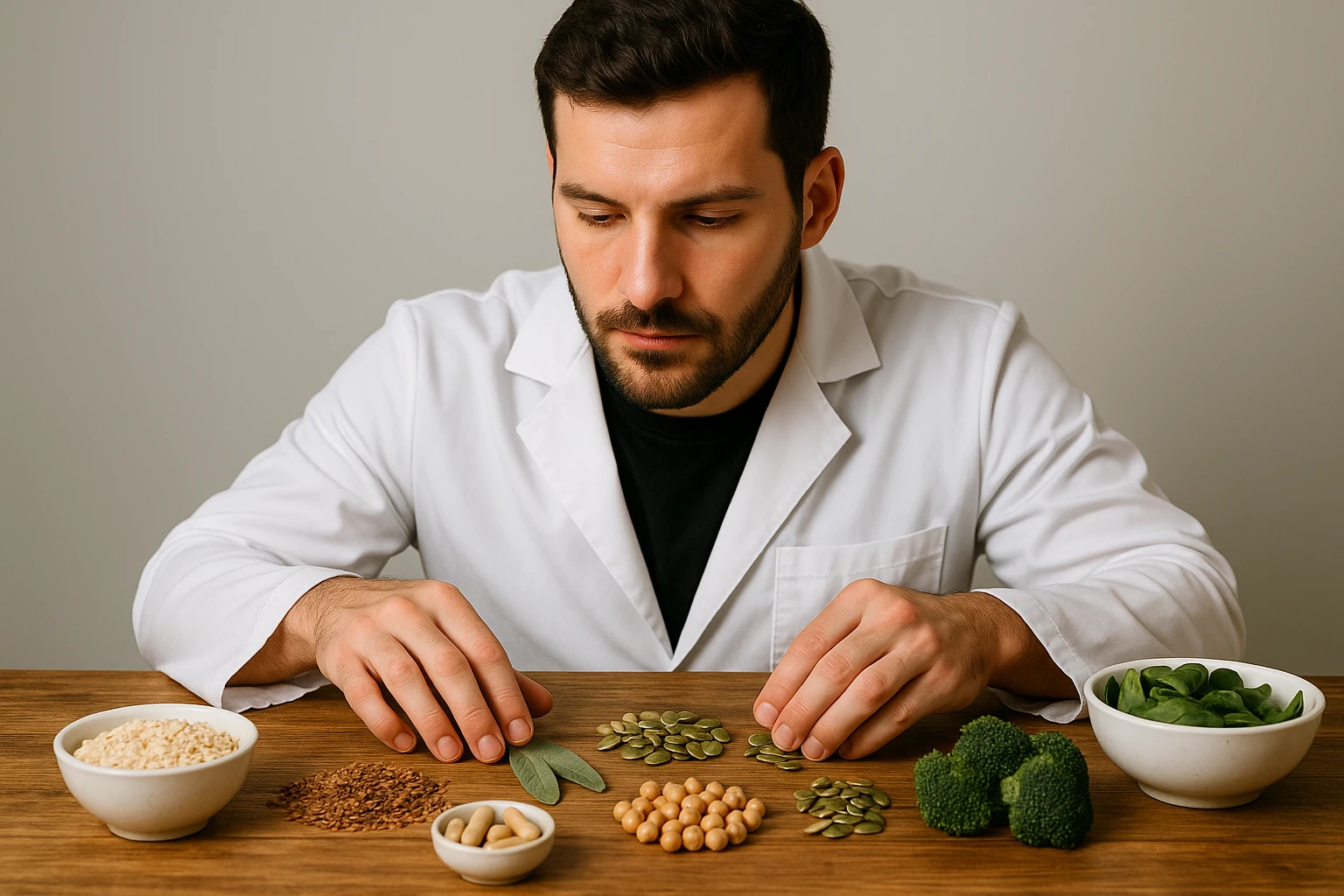
3. Evidence-Based Plant Alternatives That Support Restful Sleep
Valerian Root: A Well-Studied Botanical Choice
Unlike formulations that rely on melatonin, experienced professionals often explore herbs like valerian root for a more natural method of improving sleep quality. In a robust eight-week randomized, double-blind clinical trial of 80 adults with sleep complaints, supplementation with valerian extract (VE) led to significant and progressive improvements in sleep latency, total sleep time, and sleep efficiency—confirmed both by wrist actigraphy and polysomnography—as well as decreased anxiety and daytime drowsiness compared to placebo PubMed (2023). Effect size data showed notable improvements in PSQI scores by days 14, 28, and 56, highlighting both early onset and sustained benefit Nutritional Outlook (Dec 2023).
Meta-analysis across 16 trials involving over 1,000 patients found that valerian extract increased the likelihood of reporting improved sleep by 80% (relative risk = 1.8, 95% CI: 1.2–2.9) compared to placebo. Although publication bias was noted, the findings suggest valerian may be a viable option for many seeking a melatonin free sleep supplement PubMed systematic review.
Fast-Acting Proprietary Extracts: Sleeproot® Example
Emerging evidence on advanced formulations underscores how ingredient standardization can translate to measurable benefits. For instance, a proprietary low-dose valerian extract branded Sleeproot® (optimized with 2% valerenic acid) delivered an average increase of 22.8 minutes of actual sleep time in participants (VE group) versus a reduction of 39 minutes in the placebo group, all from just one dose on day one (p < 0.05) Advances in Complementary & Alternative Medicine (2024).
Synergistic Herbal Combinations and Alternative Botanicals
Sometimes, combining botanicals offers greater impact. One double-blind trial showed that valerian paired with lemon balm (360 mg + 240 mg) improved reported sleep quality in roughly one-third of participants—demonstrating that synergy can matter Reddit user-shared summary. Additionally, hops, approved in several European countries for sleep relief, may complement valerian’s effects via modulation of GABAA receptors, stemming from polyphenols like humulone that affect sleep onset and duration in preclinical models arXiv study (2024).
Real-World Applications and Considerations
- Individuals seeking a consistent nightly aid might consider standardized valerian extracts like Sleeproot®, especially when sleep latency reduction and deeper sleep are goals.
- Those interested in multi-herbal blends may benefit from valerian combined with lemon balm or hops, as indicated by preliminary findings emphasizing synergy.
- A melatonin free sleep supplement can be particularly useful for users wary of hormone interventions or whose clinical context makes melatonin undesirable—these plant-based options offer evidence-backed, gentle alternatives.
In sum, a wide body of research—from single-dose designs to longer-term clinical trials—supports valerian and related botanicals as feasible, safe, and effective sleep supports. They offer concrete, actionable insights for content creators, formulators, and wellness professionals crafting high-quality recommendations.
Section 4: Emerging Evidence for Non-Melatonin Alternatives
Building on the discussion of traditional botanicals and their limitations, this section explores newer, science-backed non-melatonin approaches that show promise for a melatonin free sleep supplement strategy. These alternatives are backed by emerging clinical data and offer potential formulation insights for health professionals and content creators.
L‑Theanine and Lactium: Relaxation Without Drowsiness
Recent randomized controlled trials highlight the benefits of combining L‑theanine, an amino acid known for its calming effects, with Lactium, a milk-derived peptide. One 2024 study involving the LTC‑022 supplement demonstrated improved total sleep time, shorter sleep onset latency, increased sleep efficiency, and reduced wake-after-sleep onset counts compared to placebo. It also noted beneficial shifts in gut microbiota — specifically increased Blautia and Ruminococcus abundance — potentially linking gut health and sleep regulation PubMed study.
L‑Theanine Alone: A Solid Foundation
Looking at L‑theanine as a standalone sleep aid, a recent systematic review covering 13 trials with 550 adults (200–450 mg/day) found consistent improvements in both objective and subjective sleep outcomes — from latency and efficiency to overall satisfaction and morning refreshment PubMed review. These findings suggest a repeatable, non-sedating pathway to better sleep.
Magnesium‑L‑Theanine Complexes: Neurotransmitter Regulation
Another innovative formulation involves magnesium complexed with L‑theanine. Preclinical research shows this combination enhances GABAergic and serotonergic receptor expression, elevates slow-wave (delta) brain activity, and extends sleep duration — even under caffeine-induced sleep disruption models PubMed study. While early-stage, such mechanistic insights offer formulation professionals a compelling pathway for products seeking synergy without melatonin.
Recommendations for Formulators and Content Strategists
- Explore blending L‑theanine (200–450 mg) with Lactium as a non-hormonal relaxation base, especially given gut microbiome links to sleep.
- Consider innovative chelated complexes like magnesium‑L‑theanine for neurochemical modulation and sleep architecture support.
- When communicating with consumers, highlight that these alternatives offer relaxation-focused benefits without inducing hormonal shifts typical of melatonin, appealing to those seeking a “melatonin free sleep supplement” option.
Transitioning from parsley to powerful peptide and amino acid formulations, this emerging evidence empowers wellness professionals to recommend sleep support that adapts to modern preferences while remaining rooted in scientific rigor.
Conclusion: Final Thoughts and Action Steps
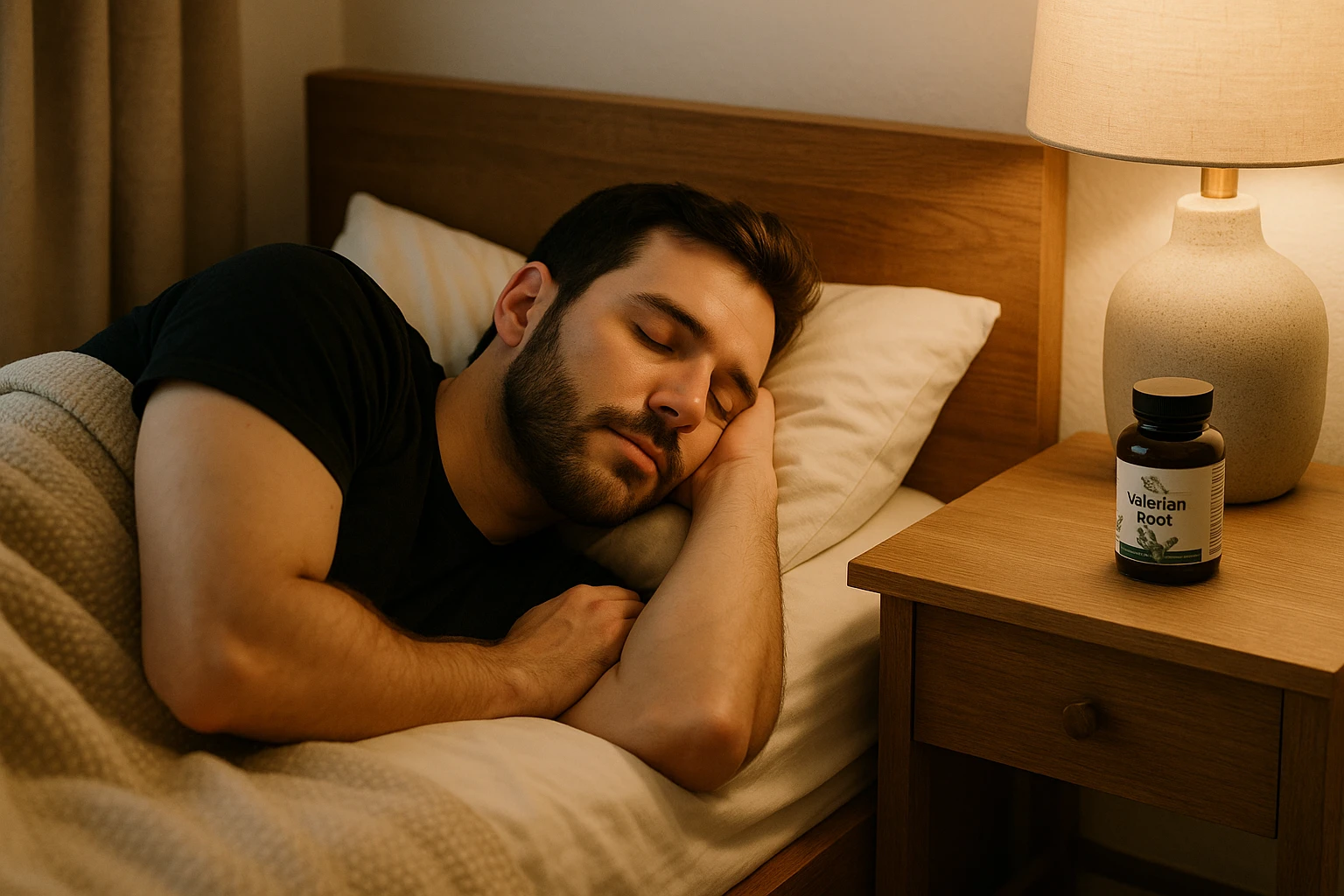
As we wrap up this discussion, remember that choosing a supplement should be grounded in both scientific evidence and personal needs. Throughout this article, alternatives to melatonin—such as valerian root—have emerged as viable options. Some controlled trials have demonstrated significant improvements in sleep latency, efficiency, and overall quality among individuals taking standardized valerian extract, with objective measures like polysomnography and actigraphy reflecting these benefits over periods up to eight weeks according to a double‑blind, placebo‑controlled clinical study PubMed 37899385. Yet, systematic reviews and meta‑analyses present a more nuanced picture: while many studies report no significant effects compared to placebo, others highlight valerian’s safety and potential when paired with other herbs or when high‑quality extract standards are used PubMed 17517355 PubMed 33086877.
At the same time, emerging concerns around long‑term melatonin use—especially regarding cardiovascular risk—underscore the value of exploring alternative solutions. A recent observational study presented at the 2025 American Heart Association scientific sessions revealed that adults using melatonin for more than a year had up to a 90% greater risk of heart failure and higher hospitalization and mortality rates compared to non‑users according to reporting by major health outlets San Francisco Chronicle AP News. Though observational in nature and not proving causation, these findings reinforce caution about sustained use of hormone‑based supplements.
Key Takeaways at a Glance
- Some individuals respond well to high‑quality valerian root extracts, achieving measurable sleep improvements without melatonin dependence.
- Research remains mixed—efficacy may depend on extract standardization, combination with other botanicals, and individual physiology.
- Long‑term melatonin use may carry unforeseen health risks, making non‑hormonal alternatives like valerian or multi-ingredient blends increasingly relevant.
Actionable Next Steps
- Start with a reputable, standardized valerian supplement—ideally one certified by third‑party testers—and monitor effects over several weeks.
- Track your sleep with a journal or wearable device to assess changes in latency, duration, and waking quality.
- Prioritize sleep hygiene: maintain consistent bedtime routines, reduce screen exposure at night, and manage stress effectively.
- Discuss supplementation with a healthcare provider—especially if considering long‑term use or if you have existing health concerns.
By blending evidence‑based supplement choices with sound lifestyle practices and professional guidance, you can move confidently toward healthier, more restorative sleep. Consider this your invitation to explore high-quality, safe strategies for restful nights—without relying solely on melatonin. Embrace the journey toward better sleep.