

Starting a wellness routine can feel complicated when you want practical steps that fit your real life. Many health-conscious adults in the United States find it challenging to balance nutrition, supplements, fitness, and self-care while chasing busy schedules. Drawing from the University of New Hampshire Wellness Wheel Assessment and National Institutes of Health toolkits, this guide helps you build a daily routine with clear actions and smart supplement choices tailored for your personal wellness journey. A focus on personalized health planning ensures your path supports both fitness and overall well-being.
Table of Contents
- Step 1: Assess Personal Wellness Goals And Needs
- Step 2: Select Appropriate Supplements For Your Routine
- Step 3: Prepare Your Daily Wellness Plan And Schedule
- Step 4: Integrate Supplements And Healthy Habits Consistently
- Step 5: Evaluate Your Progress And Adjust The Routine
Quick Summary
| Key Takeaway | Explanation |
|---|---|
| 1. Assess all wellness dimensions | Use the Wellness Wheel Assessment to evaluate emotional, physical, and other key wellness areas for a personalized strategy. |
| 2. Choose tailored supplements wisely | Review your diet and health needs to select supplements that support your specific wellness goals and dietary restrictions. |
| 3. Create a daily wellness plan | Design a structured routine incorporating nutrition, exercise, and mindfulness to achieve your health objectives consistently. |
| 4. Integrate supplements seamlessly | Incorporate supplements into your daily routine, ensuring they enhance your diet and health practices without replacing them. |
| 5. Regularly evaluate your progress | Schedule assessments of your wellness journey to track improvements and adjust strategies according to your evolving needs. |
Step 1: Assess personal wellness goals and needs
Navigating your wellness journey begins with a comprehensive self-assessment that helps you understand your unique health landscape. Creating a personalized wellness strategy requires honest reflection and strategic planning.
The first step involves exploring your current health status through a holistic lens. Wellness Wheel Assessment provides an excellent framework for evaluating eight critical wellness dimensions:
- Emotional wellness
- Physical health
- Intellectual engagement
- Social connections
- Spiritual balance
- Occupational satisfaction
- Financial well-being
- Environmental harmony
To conduct your assessment, start by rating your satisfaction in each dimension on a scale of 1-10. This process helps identify areas needing improvement and potential growth opportunities. The National Institutes of Health wellness toolkits emphasize that wellness is deeply personal, recognizing that each individual’s journey will look different.
Consider documenting your current status, noting specific goals and potential barriers. Create actionable, measurable objectives for each wellness dimension that align with your lifestyle and personal aspirations.
Pro tip: Review and update your wellness assessment every three to six months to track progress and adjust your strategies accordingly.
Step 2: Select appropriate supplements for your routine
Selecting the right supplements requires strategic planning and informed decision-making. Your goal is to build a personalized nutrition strategy that supports your unique wellness objectives and fills potential nutritional gaps.
Begin by conducting a comprehensive review of your current health status, diet, and specific wellness needs. Dietary supplement fact sheets can provide critical insights into potential nutritional requirements. Consider these key factors when choosing supplements:
- Current health conditions
- Dietary restrictions
- Age and gender
- Fitness and activity levels
- Existing medication interactions
- Specific wellness goals
Consult with healthcare professionals who can help you understand supplement safety guidelines. Not all supplements work universally, and individual needs vary significantly. Prioritize high-quality, third-party tested supplements from reputable sources.
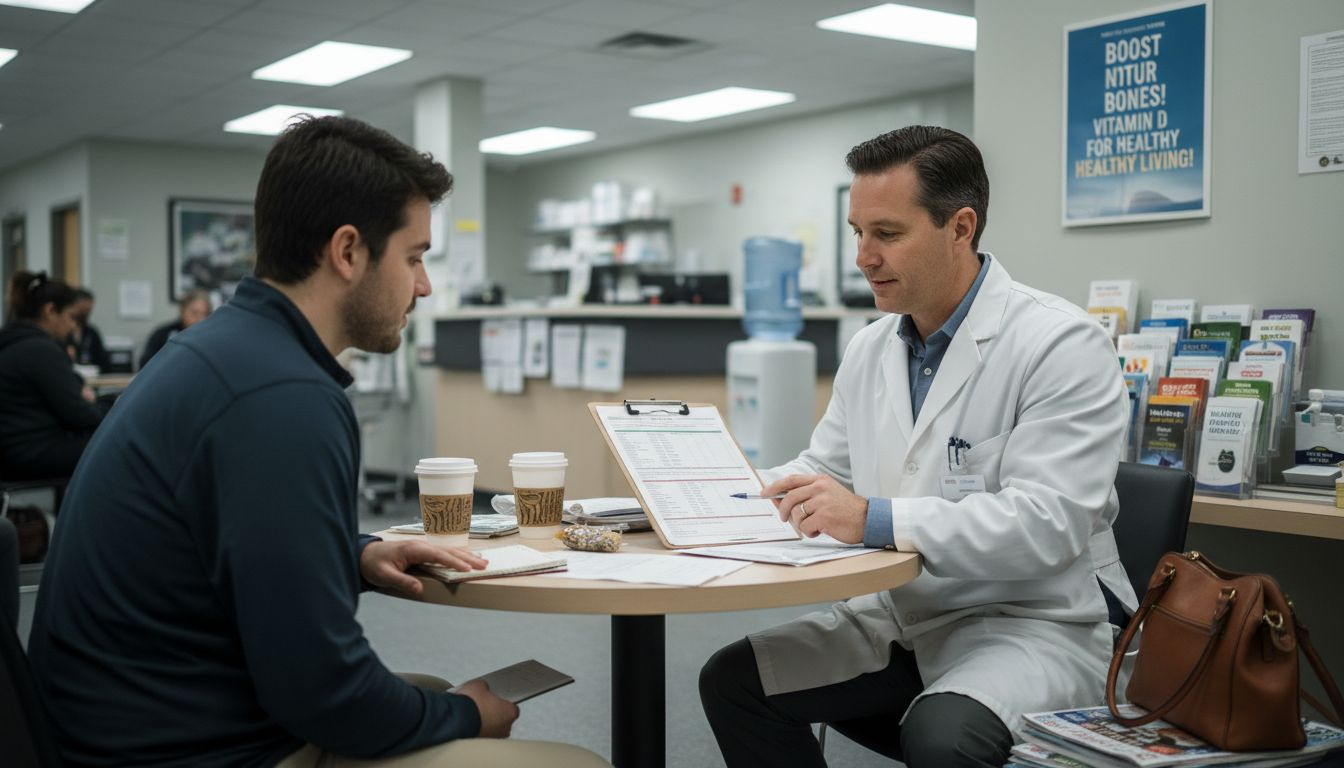
Develop a systematic approach to supplement selection by matching specific nutrients to your identified wellness objectives. Track your progress and be prepared to adjust your supplement routine as your health needs evolve.
Here’s a summary of how supplement selection factors may influence your choices:
| Factor | Potential Impact on Supplement Needs | Example Consideration |
|---|---|---|
| Age and Gender | Alters nutrient requirements | Women may need more iron |
| Dietary Restrictions | May cause specific nutritional gaps | Vegans may lack vitamin B12 |
| Current Medications | Risk of interactions or reduced efficacy | Some meds reduce calcium absorption |
| Activity Level | Impacts demand for certain nutrients | Athletes may need extra magnesium |
| Wellness Goals | Guides supplement type and dosage | Seeking improved immunity? Vitamin C |
Remember: Supplements are meant to complement a balanced diet, not replace nutritional whole foods.
Pro tip: Keep a detailed journal documenting your supplement intake, noting any changes in energy, performance, or overall well-being to help refine your personalized nutrition strategy.
Step 3: Prepare your daily wellness plan and schedule
Designing a comprehensive daily wellness plan transforms your health goals from abstract concepts into actionable strategies. Your objective is to create a structured yet flexible routine that seamlessly integrates nutrition, exercise, mental health, and personal care.
Strategies for creating healthy routines emphasize the importance of personalization and realistic goal setting. Consider these critical components when developing your wellness schedule:
- Morning hydration and nutrition
- Scheduled physical activity
- Mindfulness and stress management
- Supplement and medication timing
- Sleep and recovery periods
- Flexibility for unexpected changes
Begin by mapping out daily wellness activities that align with your personal health objectives. Use digital calendars or wellness tracking apps to create visual representations of your routine, allowing for easy monitoring and adjustment.
Consistent small actions create significant long-term health transformations.
Remember that your wellness plan is a living document. Regularly assess and modify your schedule to ensure it continues to meet your evolving health needs and supports your overall well-being.
Pro tip: Schedule your wellness activities at the same time each day to help transform them into sustainable habits.
Step 4: Integrate supplements and healthy habits consistently
Successfully integrating supplements into your daily routine requires a strategic approach that harmonizes nutrition, lifestyle, and personal health goals. Your mission is to transform supplement intake from an occasional practice into a sustainable, holistic wellness strategy.
Dietary supplement research highlights the importance of consistent, informed supplement integration within a balanced lifestyle. Consider these key strategies for seamless incorporation:
- Timing supplement intake with meals
- Tracking daily supplement consumption
- Monitoring body’s response
- Maintaining consistent schedules
- Balancing supplement diversity
- Regular health consultations
Understand potential interactions by reviewing FDA supplement guidelines to ensure safe and effective integration. Your supplements should complement your diet and exercise routine, not replace fundamental healthy practices.
Consistency transforms supplements from isolated interventions into powerful wellness tools.
Create a systematic approach by using digital tracking tools, setting daily reminders, and maintaining open communication with healthcare professionals about your supplement regimen.
Pro tip: Pair each supplement intake with an existing daily habit to create a natural, memorable routine.
Step 5: Evaluate your progress and adjust the routine
Tracking your wellness journey transforms good intentions into measurable results. This step is about understanding your progress, recognizing patterns, and making strategic adjustments that keep your health goals dynamic and responsive.
Wellness self-assessment tools provide a structured approach to monitoring your holistic health progress. Consider evaluating these key dimensions:
- Physical health markers
- Energy and mood levels
- Supplement effectiveness
- Nutrition and diet quality
- Sleep patterns
- Stress management
- Overall sense of well-being
Review your wellness metrics periodically using systematic health evaluation guidelines that emphasize flexibility and personalized adaptation. Develop a consistent review schedule to track improvements and identify areas requiring modification.
Progress is not linear. Embrace adjustments as opportunities for growth.
Create a dynamic tracking system using digital tools, journals, or health apps that allow you to document and analyze your wellness journey systematically.
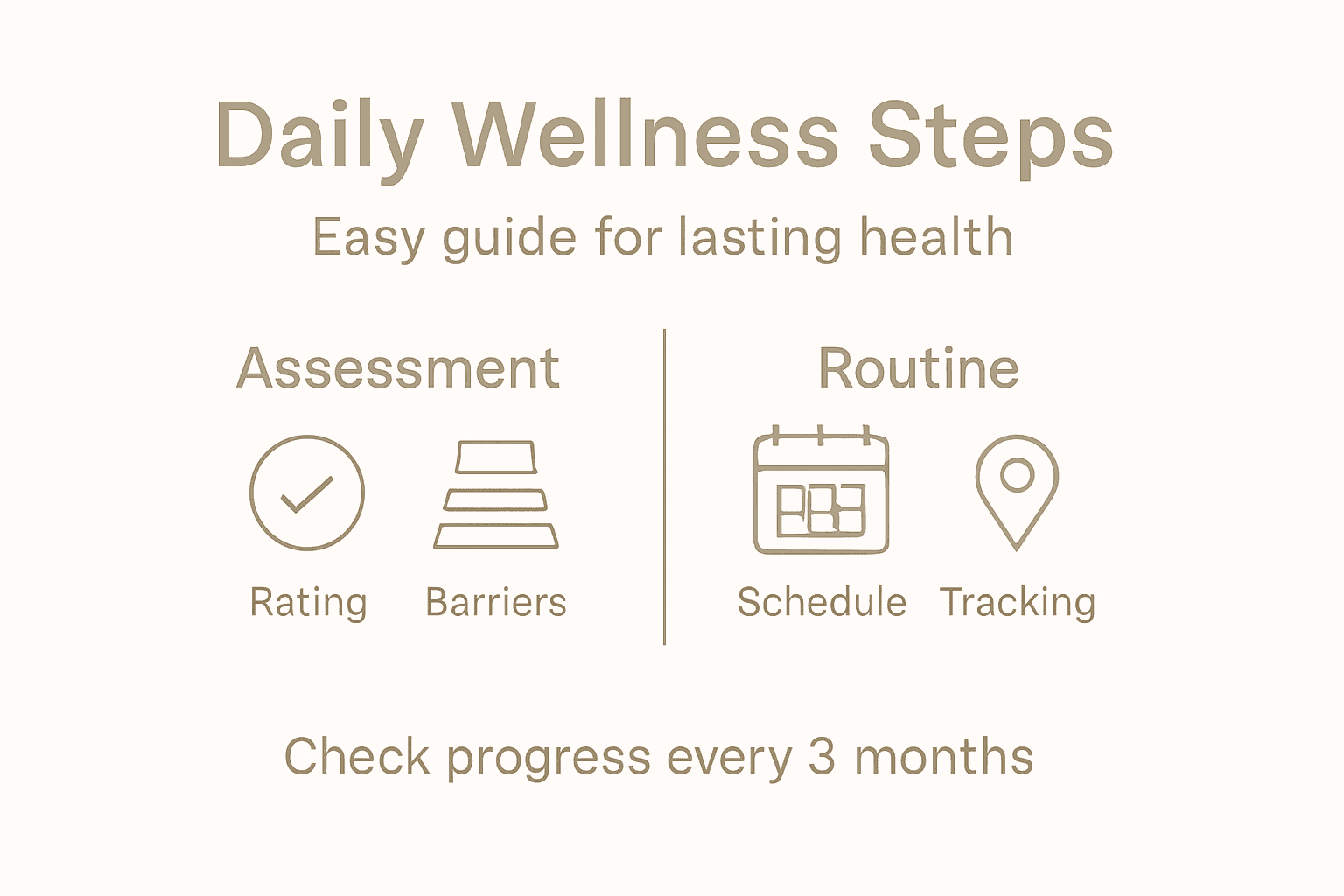
Use this table to guide your quarterly wellness progress evaluations:
| Dimension | Improvement Indicator | Adjustment Strategy |
|---|---|---|
| Physical Health | Increased strength or stamina | Change exercise routine |
| Nutrition Quality | Improved digestion, energy | Modify meal planning |
| Sleep Patterns | Longer, more restful sleep | Adjust bedtime or relaxation |
| Supplement Effectiveness | Noticeable health benefits | Consult provider, update routine |
| Stress Management | Fewer stressful episodes | Adopt new coping techniques |
Pro tip: Schedule quarterly wellness reviews to ensure your routine remains aligned with your evolving health objectives.
Elevate Your Daily Wellness Journey with Nutribliss
Building a lasting wellness routine can be challenging when trying to balance nutrition, supplements, and healthy habits all at once. This guide highlights the importance of personalized wellness assessments and consistent supplement integration to achieve your health goals. If you are seeking effective ways to support your unique wellness needs, including immune support, stress relief, or overall vitality, Nutribliss offers a diverse range of high-quality products designed to complement your daily routine.
Explore our carefully curated collection of Immune Support Supplements | Daily Wellness Vitamins | NutriBliss and Mood & Stress Relief solutions that empower you to take control of your health today. Visit Nutribliss.us now to discover supplements tailored for real-life wellness challenges and start creating a healthier, more balanced lifestyle immediately.
Frequently Asked Questions
How can I assess my personal wellness goals and needs?
To assess your personal wellness goals and needs, start by completing a wellness wheel assessment. Rate your satisfaction in different wellness dimensions on a scale of 1-10, and document specific goals for improvement.
What should I consider when selecting dietary supplements?
When selecting dietary supplements, consider factors such as your current health conditions, dietary restrictions, age, and wellness goals. Prioritize high-quality supplements from reputable sources that align with your nutritional needs.
How do I create a daily wellness plan?
To create a daily wellness plan, outline your specific wellness activities, including hydration, physical activity, and mindfulness practices. Use a calendar to schedule these activities consistently, making adjustments as needed for flexibility.
How can I integrate supplements into my daily routine effectively?
Integrate supplements into your daily routine by timing your intake with meals and tracking your consumption regularly. Pair each supplement with an existing habit, such as taking vitamins with breakfast, to establish a consistent routine.
How often should I evaluate my wellness progress?
You should evaluate your wellness progress every three to six months. Use a structured review process to assess changes in health markers and adjust your wellness strategies based on your findings.
What key dimensions should I track during my wellness evaluation?
During your wellness evaluation, track dimensions such as physical health, energy levels, nutrition quality, and overall well-being. Identify improvement indicators for each dimension to guide any necessary adjustments to your routine.
Recommended
- How to Start a Wellness Journey Naturally for Lasting Health
- Guide to Daily Vitamins: Achieve Optimal Health Results – Nutribliss Inc.
- 7 Essential Daily Wellness Tips for a Healthier Lifestyle – Nutribliss Inc.
- How to Set Wellness Goals for Better Health Results
- Improve Hair Health Naturally: Step-by-Step Guide for Results | MyHair