

Mix about two level tablespoons of D-Protin into 100 to 200 milliliters of lukewarm water or milk, stirring or shaking until smooth. Most people take it once daily as a partial meal replacement, though some clinicians advise twice daily. Skip cold liquids, since they slow dissolving, and check the label for allergens before your first serving. Talk to your healthcare team before adding it to your routine.
TL;DR:
- Use two level tablespoons of D-Protin dissolved in lukewarm liquid for optimal solubility and a smooth texture, avoiding cold liquids that slow dissolving.
- Swapping a partial meal with D-Protin at breakfast can reduce post-meal blood sugar spikes by up to 59 percent, based on clinical trial results.
- Combining D-Protin with fiber or healthy fats enhances blood sugar control, especially when paired with low-glycemic foods or ingredients.
- Individuals on insulin or sulfonylurea need to consult their healthcare provider first, as improved blood glucose may require medication dose adjustments.
- Store the powder in a cool, dry place, reseal tightly after each use, and monitor for clumping or changes in smell or color to ensure safety and efficacy.
Table of Contents
- D Protein Powder: How to Use It Step by Step
- Does D Protein Powder Help With Blood Sugar Control?
- Safety, Medication Interactions, and What to Monitor
- How to Store D-Protin the Right Way
- Gaurav’s Practical Checklist for D-Protin Users
- Adding D Protein Powder to Meals and Snacks Without the Guesswork
- Which D Protein Powder Type Fits Your Needs?
- When to Take D Protein Powder for Best Results
- What the Research Actually Supports, and What It Doesn’t
- Where to Find D-Protin and Diabetes-Friendly Protein Options
- Sources
D Protein Powder: How to Use It Step by Step
Getting the ratio right matters more than most people assume. Too little liquid and you get a gritty paste; too much and you dilute the protein density that makes D-Protin useful for blood sugar management in the first place.
Here’s the process that works:
- Measure two level tablespoons (roughly 25 to 30 grams). If you have a kitchen scale, use it. Scoops vary by brand and get compacted differently, so weight is more reliable than volume.
- Warm your liquid slightly (think baby-bottle warm, not hot). Lukewarm water, dairy milk, or an unsweetened plant milk all work.
- Make a small slurry first. Add the powder to two or three tablespoons of the liquid and stir into a paste. This step prevents the clumps that form when powder hits a full glass of liquid all at once.
- Top up the rest of the liquid and whisk or shake in a sealed bottle for 20 to 30 seconds.
- Drink within 15 to 20 minutes for the smoothest texture, since some settling happens over time.
Why lukewarm instead of cold? Protein powders dissolve faster in warmer liquids because heat reduces viscosity and helps break down the protein particles. Manufacturing factors like particle size and moisture control also affect solubility, which is part of why the same scoop can feel gritty in one brand and silky in another. Milk adds natural sugars and calories, so account for that in your daily carbohydrate count. Plain water keeps the carb load lowest.
A few ways to use it beyond the basic glass:
- Partial breakfast swap: Replace half your usual breakfast (skip the toast, keep the eggs) with a D-Protin shake.
- Post-workout recovery: Mix with milk within 30 to 45 minutes after exercise for a protein and carbohydrate combination that supports muscle recovery.
- Evening snack: Some people with type 2 diabetes use a small serving before bed to reduce nighttime blood sugar dips, though this should only be done with your clinician’s approval given individual medication timing.
If you prefer it cold, don’t just dump ice into water. Pre-mix the slurry in warm water first, let the powder fully dissolve, then chill in the refrigerator for 15 minutes or blend with a handful of ice. This avoids the clumping that happens when powder meets cold liquid directly. For general mixing technique across protein powders, these mixing and timing tips cover ground that applies here too.
Does D Protein Powder Help With Blood Sugar Control?
The clinical case for diabetes-specific protein supplements (DSPS) rests on more than marketing language. D-Protin belongs to a category built around a low-glycemic carbohydrate base, higher-quality protein, added fiber, and micronutrients, a formulation designed to blunt the glucose spike that a typical high-carb breakfast produces.
The strongest evidence comes from a randomized crossover trial in adults with type 2 diabetes. Swapping a typical cereal breakfast for a partial DSPS meal replacement cut postprandial glucose iAUC by 59% and lowered peak glucose (ΔCmax) by 46% compared to the cereal-based meal. That’s a meaningful shift for anyone managing daily glucose variability, and it explains why partial replacement, not full meal replacement, tends to be the more sustainable approach for adherence and cultural fit.
What this can realistically do for you:
- Raise your daily protein intake without a large carbohydrate load
- Potentially reduce the glucose spike after the meal you replace
- Offer a repeatable, portable option for busy mornings
A single meal swap in a controlled trial cut post-meal glucose spikes by more than half. That’s the kind of number that makes a case for trying it, not a case for replacing your medication with it.
None of this makes D-Protin a treatment. Results vary by individual, meal composition, and activity level, and a protein supplement doesn’t substitute for whole foods, fiber-rich vegetables, or prescribed medication. NCCIH is direct about this: no dietary supplement is proven to lower blood glucose on its own, and none should replace medications your doctor has prescribed.
Safety, Medication Interactions, and What to Monitor
Better glucose control from a dietary change can be a problem if your medication doesn’t adjust with it. If you’re on insulin or a sulfonylurea, improved postprandial numbers can push you toward hypoglycemia unless your prescriber reviews your dosing.
Watch for these before and during use:
- Tell your prescriber first. Any medication tied to blood sugar timing needs a second look once you change breakfast composition.
- Ask about broader drug interactions. Some diabetes medications are metabolized through liver enzyme pathways that can be affected by dietary changes, so this is worth a direct conversation rather than a guess.
- Check kidney function before increasing protein. General guidance puts protein needs around 0.8 to 1.5 grams per kilogram of body weight depending on renal status. People with reduced kidney function often need a lower target, so this is not a one-size number.
- Read the label for soy, milk, or artificial sweeteners. Stop immediately and seek care if you notice hives, swelling, or breathing changes.
- Follow a monitoring calendar. Clinical guidance for integrating these formulas recommends an early check-in at 2 to 4 weeks, then follow-ups at 3, 6, and 12 months.
Pro Tip: Log your fasting and post-meal glucose for the first two weeks after starting. That short window of data is exactly what your clinician needs to decide whether your medication dose still fits.
How to Store D-Protin the Right Way
Powder that clumps or smells off has usually met moisture at some point, and humidity is the main enemy of shelf-stable protein powders.
- Store the container in a cool, dry cabinet, not near the stove or above the dishwasher.
- Reseal the lid tightly after every use; a loose lid is the most common cause of clumping.
- Use a dry scoop every time. Never dip a wet spoon into the tub.
- If you find minor clumps, break them up gently or pass the powder through a sieve. If the color has changed or it smells sour or musty, throw it out.
- Note the expiry date on your calendar or phone so you’re not guessing later.
Gaurav’s Practical Checklist for D-Protin Users
My rundown for anyone starting D-Protin: measure two tablespoons by weight if you can, mix into lukewarm liquid, pick a consistent time of day, and log your blood glucose for the first two weeks. Then bring that log to your clinician.
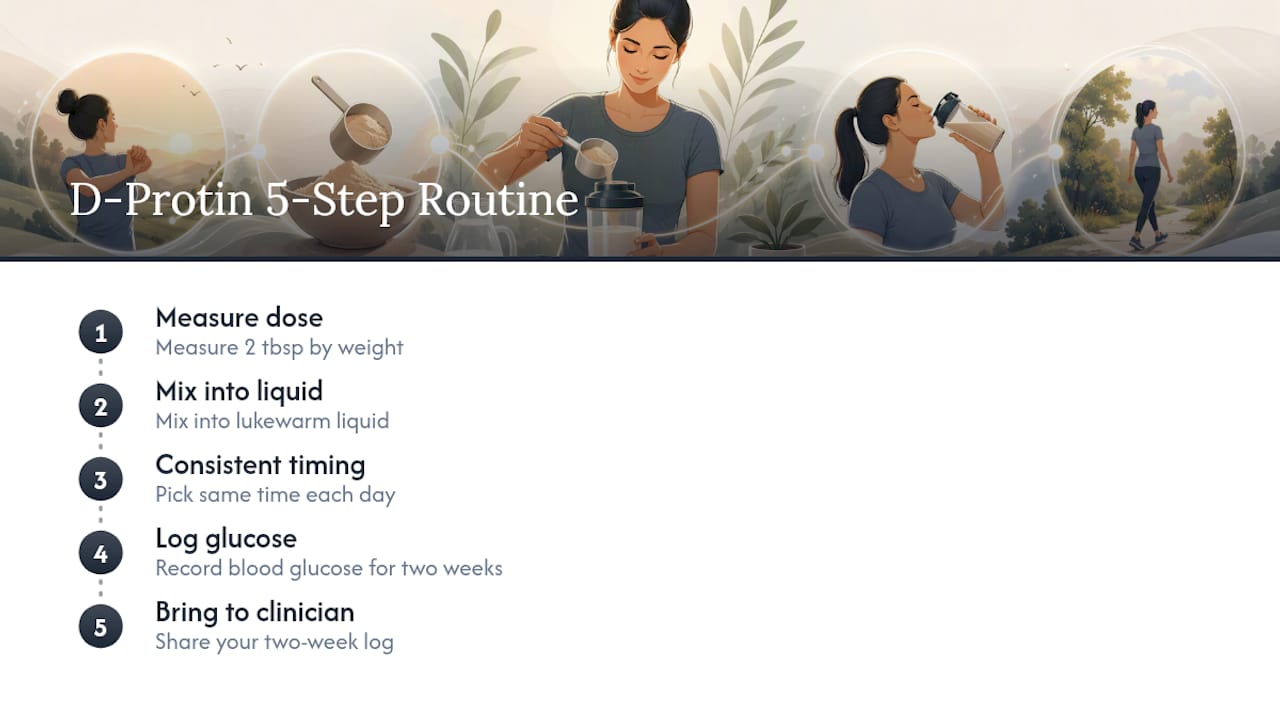
I’ve seen readers overcomplicate this with fancy blender recipes when the basics: correct ratio, correct temperature, consistent timing, are what actually move the needle. For more on choosing between protein powder types, the beginner’s guide to protein powders is a solid next stop.
Adding D Protein Powder to Meals and Snacks Without the Guesswork
You don’t need a shaker bottle every time. Stir a scoop of D-Protin into warm oatmeal after cooking (not during, since high heat can affect texture) for a protein boost without a second dish to wash. Blend it into plain Greek yogurt with a few berries for an afternoon snack that won’t spike you the way a granola bar will.
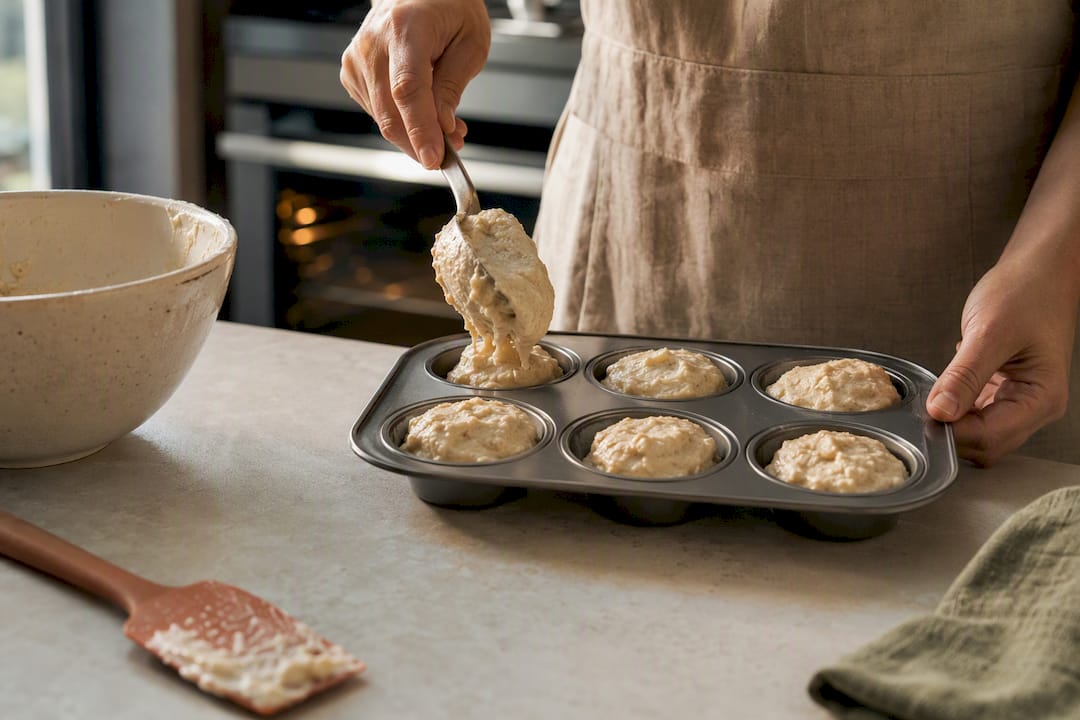
Baking is another option, and yes, you can bake with protein powder, though it behaves differently than flour. It absorbs more liquid and browns faster, so recipes usually need extra moisture (an additional egg or a splash of milk) and a slightly lower oven temperature to avoid a dry, dense result. Protein pancakes, muffins, and energy bites are the easiest starting points because the ratios are forgiving.
For a savory option, whisk a scoop into a low-sugar smoothie with unsweetened almond milk, spinach, and half an avocado. The fat and fiber slow digestion further, which can flatten the glucose curve even more than the protein alone. If you’re managing added sugar closely, swapping refined sweeteners in any homemade recipe for a lower-glycemic option like panela used sparingly is worth knowing about, since not all natural sweeteners behave the same way in your blood sugar response.
The common thread across every use case: pair the powder with fiber or fat when possible, and avoid stacking it with a high-carb food that will cancel out the benefit you’re trying to get.
Which D Protein Powder Type Fits Your Needs?
Not every diabetes-specific protein powder is formulated the same way, and the differences matter more than the marketing suggests. Standard whey isolates are built for muscle recovery and often carry more carbohydrate and sugar than a formula designed specifically for glycemic control. Diabetes-specific protein supplements like D-Protin are built around a low-glycemic carbohydrate base paired with fiber and micronutrients, which is the combination behind the postprandial glucose results seen in clinical trials.
Plant-based versions (pea, soy blends) tend to digest slower and may suit people with dairy sensitivities, but check the label carefully. Some plant blends add more carbohydrate filler to improve taste, which works against the goal if you’re using the powder to flatten a glucose spike.
If you’re new to protein supplements generally, this overview of powder types and serving math breaks down how to compare labels side by side. The short version: look at total carbohydrate, added sugar, fiber content, and protein source before comparing price. A cheaper tub with double the sugar isn’t actually the better deal for glucose management, even if the protein-per-dollar math looks appealing on paper.
When to Take D Protein Powder for Best Results
Timing changes the effect more than most people expect. The clinical guidance behind diabetes-specific formulas points to one consistent principle: replace the meal that currently produces your biggest glucose spike, which for most people is breakfast, since that’s when insulin resistance tends to be highest after an overnight fast.
That means once daily, at breakfast, is the most evidence-backed starting point rather than scattering servings throughout the day. From there, some people add a second serving, often as a post-workout or evening snack, but that decision should be individualized rather than assumed. Clinical practice guidance recommends tailoring dose and timing to the person, not applying a blanket twice-daily rule to everyone.
If you’re using it as an evening snack to prevent overnight lows, run this by your prescriber first, particularly if you take insulin or a sulfonylurea, since timing interacts directly with medication action curves. Tracking which meal produces your worst post-meal numbers for a week, using a basic glucose log or continuous monitor, will tell you far more about optimal timing than any general recommendation can.
What the Research Actually Supports, and What It Doesn’t
The evidence for diabetes-specific protein supplements is more solid than most supplement categories, but it’s narrower than the marketing around this category usually implies. A 59% reduction in glucose iAUC from one crossover trial is a real, measurable effect, not a rounding error. What it isn’t is proof that the powder works the same way for every person, every meal, or every stage of diabetes.
Conventional advice in this space tends to swing to one of two extremes: either dismissing protein supplements as unnecessary if you eat “well enough,” or treating them as a near-medical intervention. Neither holds up. The honest middle ground is that D-Protin is a tool for a specific problem, a breakfast or snack that currently spikes your glucose, not a general-purpose health upgrade.
If you take one thing from this article, prioritize the monitoring step over the recipe experimentation. Getting the mixing ratio slightly wrong costs you texture. Skipping the two-week glucose log after starting costs you the actual information your care team needs to keep you safe.
— GAURAV
Where to Find D-Protin and Diabetes-Friendly Protein Options
Nutribliss formulates its protein powders with ingredient transparency front and center, meaning you can actually read the label and know what’s in the scoop, not guess. For readers ready to add a diabetes-conscious protein option to their routine, the protein powder collection on Nutribliss is built around clear labeling and quality sourcing rather than filler-heavy blends.
If blood sugar swings are part of your daily routine, pairing a protein strategy with steady hydration matters too; Nutribliss’s electrolyte supplement is worth a look if you’re active and losing fluids through exercise or heat. And if nighttime glucose dips are disrupting your sleep, the sleep formula supplement is a related option some readers explore alongside their meal plan.
Whatever you choose, run it by your healthcare team before starting, especially if you’re on glucose-lowering medication. #nutribliss
This article is general information, not a substitute for advice from a qualified doctor. Consult a qualified healthcare professional about your own circumstances before acting on anything here.
Sources
- Diabetes and dietary supplements: what you need to know — NCCIH
- Effect of a Diabetes-Specific Protein Supplement (DSPS) on Postprandial Glycemic Responses in Adults with Type 2 Diabetes: A Randomized Crossover Study in India - PMC
- Clinical Practice Guide for Integrating Diabetes-Specific Nutritional Formulas into Diabetes Care (MDPI, 2026)
- Protein intake recommendations and metabolic effects — literature summary (PubMed)