

Over half of adults turn to protein powders to fill gaps in their diets or support fitness goals. Whether you want faster muscle recovery, easier meal prep, or a boost in daily nutrition, understanding these supplements can have a big impact on your results. With a variety of types and benefits, learning how protein powders work helps you decide if they fit your health needs and lifestyle.
Table of Contents
- What Are Protein Powders and Their Purpose
- Types of Protein Powders and Key Differences
- How Protein Powders Support Health and Fitness
- Who Should Consider Taking Protein Powders
- Potential Risks, Side Effects, and Safety Tips
- Comparing Protein Powders to Whole Food Sources
Key Takeaways
| Point | Details |
|---|---|
| Protein powders enhance nutrition | They provide a convenient way to increase protein intake, particularly for individuals with higher requirements like athletes and older adults. |
| Diverse types exist | Options include whey, casein, and plant-based proteins, each offering unique absorption rates and benefits. |
| Supplement, don’t replace | Whole food sources offer broader nutrient profiles and should not be fully substituted by protein powders. |
| Caution with consumption | Careful selection of high-quality products is essential to avoid potential risks such as contaminants or excessive protein intake. |
What Are Protein Powders and Their Purpose
Protein powders are concentrated nutritional supplements designed to provide a convenient and efficient way to boost protein intake. According to Harvard Health, these powders are derived from various sources including plant proteins like soybeans, peas, hemp, and animal-based proteins from milk or eggs. They typically contain additional ingredients such as vitamins, minerals, and sometimes added sugars or artificial flavoring.
The primary purpose of protein powders extends beyond simple nutrition. As research from Colorado State University indicates, these supplements serve multiple critical functions. They support muscle growth, aid weight management by increasing satiety, and provide a convenient protein source for individuals with higher nutritional demands. Athletes, fitness enthusiasts, vegetarians, and those with increased protein requirements often rely on these powders to meet their daily nutritional goals.
Protein powders come in diverse forms tailored to different dietary needs and preferences. Key varieties include:
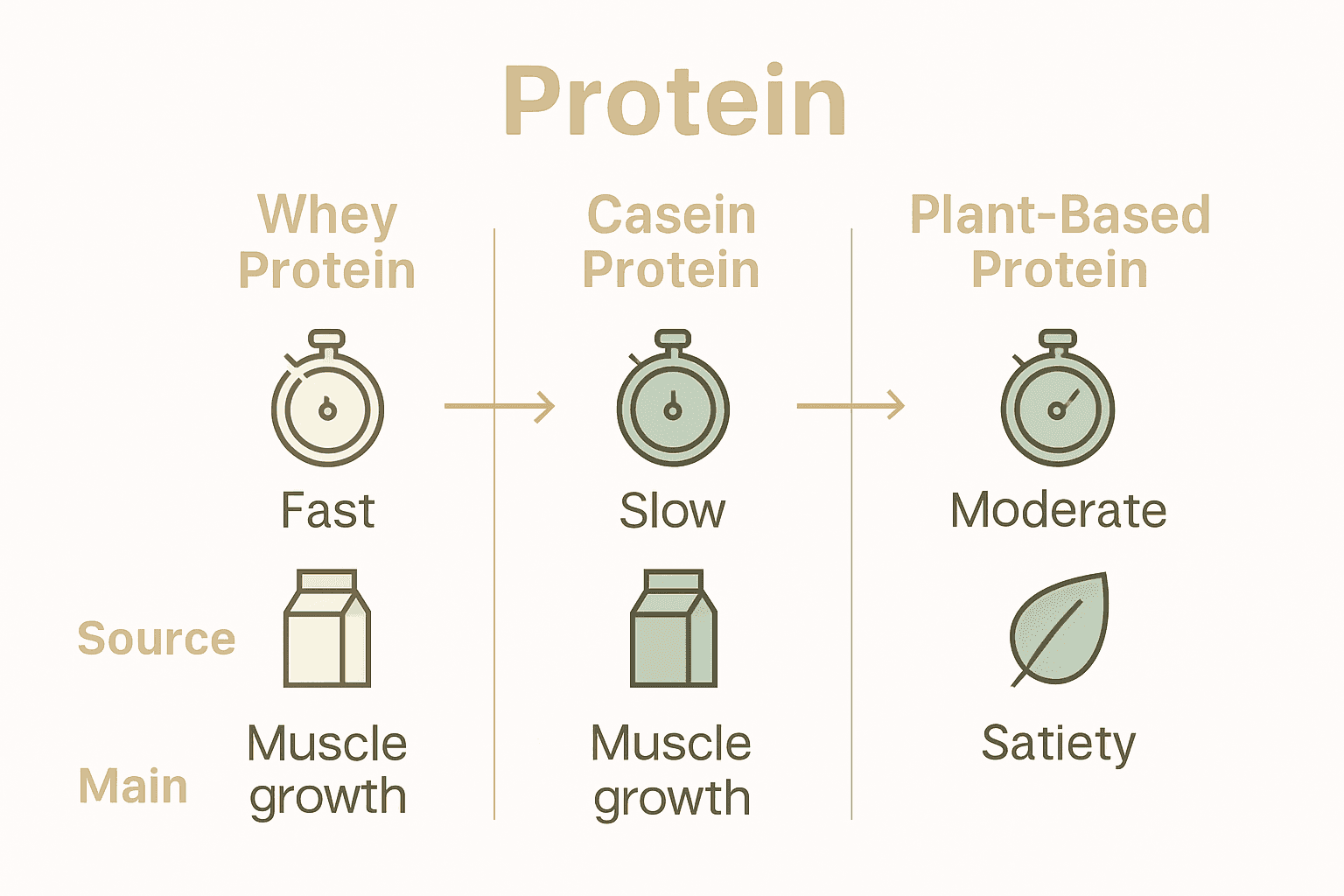
- Whey Protein: Fast-absorbing, derived from milk, ideal for post-workout recovery
- Casein Protein: Slow-digesting, provides sustained amino acid release
- Plant-Based Proteins: Suitable for vegans, made from sources like pea, rice, or hemp
- Egg Protein: Complete protein source with high biological value
By understanding protein powders’ composition and purpose, #nutribliss users can make informed decisions about supplementing their nutritional intake effectively and safely. Whether you’re an athlete looking to optimize performance or someone seeking convenient protein sources, these supplements offer a versatile nutritional solution.
Types of Protein Powders and Key Differences
Protein powders represent a diverse nutritional supplement category with multiple formulations designed to meet varying health and fitness goals. According to University of Georgia Health Center, protein powders are broadly categorized into several key types, including whey protein (available as concentrate and isolate), casein protein, and plant-based proteins like soy, hemp, rice, and pea.
Research from University of Connecticut Pharmacy highlights the unique characteristics of different protein powder varieties. Whey protein, derived from milk, is renowned for rapid absorption and muscle growth support. In contrast, casein protein digests slowly, providing a sustained amino acid release ideal for prolonged nutrition. Plant-based proteins offer alternative options for vegetarians and individuals with dairy allergies.
Key differences among protein powder types include:
- Whey Protein Concentrate: 70-80% protein content, higher lactose levels
- Whey Protein Isolate: Over 90% protein, less than 1% lactose
- Casein Protein: Slow-digesting, provides extended nutrient delivery
- Soy Protein: Complete plant-based protein with all essential amino acids
- Pea Protein: Hypoallergenic, easily digestible plant protein
- Hemp Protein: Rich in omega-3 fatty acids and essential amino acids
For #nutribliss users seeking the most appropriate protein supplement, understanding these nuanced differences is crucial.
 Whey Protein Explained: Benefits, Types, and Uses provides additional insights into selecting the optimal protein powder for individual nutritional needs and fitness objectives.
How Protein Powders Support Health and Fitness
Protein powders play a crucial role in supporting overall health and fitness by providing concentrated nutritional support. According to Harvard Health, these supplements offer significant benefits, particularly for individuals engaged in regular exercise and those seeking to optimize their nutritional intake. Muscle growth and repair are primary functions, with protein powders supplying essential amino acids necessary for rebuilding muscle tissue after physical activity.
Research from UC San Diego highlights the multifaceted benefits of protein supplementation. Beyond muscle support, protein powders can help manage weight by increasing satiety and boosting metabolic rate. This makes them particularly valuable for individuals pursuing fitness goals, whether focused on muscle building, weight loss, or overall nutritional balance.
Key health and fitness benefits of protein powders include:

- Muscle Recovery: Accelerates muscle repair after intense workouts
- Appetite Control: Helps reduce overall calorie intake
- Metabolic Support: Increases metabolic rate and energy expenditure
- Nutrient Delivery: Provides concentrated protein and essential amino acids
- Convenient Nutrition: Easy to consume for those with busy lifestyles
#nutribliss users can enhance their fitness journey by strategically incorporating protein powders. For comprehensive guidance on maximizing nutritional benefits, How to Use Protein Powder for Maximum Nutrition Results offers expert insights into effective protein supplementation strategies.
Who Should Consider Taking Protein Powders
Protein powders offer a versatile nutritional solution for various individuals with specific health and fitness needs. According to University of Georgia Health Center, certain groups may particularly benefit from protein supplementation, including those struggling to meet their protein requirements through diet alone. Athletes, older adults, and individuals with specific medical conditions often find protein powders an efficient way to support their nutritional goals.
Research from the University of Washington emphasizes the importance of protein supplementation for older adults who may experience challenges in consuming adequate protein through whole foods. These supplements can help maintain muscle mass, support recovery from illness, and improve overall health. However, it’s crucial to consult healthcare providers before starting any new supplementation regimen.
Key groups who might consider protein powders include:
- Athletes and Fitness Enthusiasts: Supporting muscle recovery and growth
- Older Adults: Addressing reduced protein absorption and appetite
- Vegetarians and Vegans: Ensuring complete protein intake
- Individuals with Increased Nutritional Needs: Those recovering from illness or surgery
- Weight Management Seekers: Supporting metabolism and satiety
- Busy Professionals: Providing quick and convenient nutrition
#nutribliss users looking to understand their specific protein needs can gain deeper insights through our Complete Guide to the Role of Protein Supplementation, which offers comprehensive information on personalized protein strategies.
Potential Risks, Side Effects, and Safety Tips
Protein powders, while beneficial for many, come with potential health considerations that require careful navigation. According to Harvard Health, the supplement industry’s limited regulation means consumers must exercise caution. Product quality and ingredient composition can vary significantly, with some protein powders containing added sugars, artificial flavorings, and potentially harmful additives that may compromise overall health.
Research from the University of Connecticut Pharmacy highlights critical safety concerns associated with protein supplementation. Excessive protein intake can potentially strain kidney function, particularly for individuals with pre-existing kidney conditions. Additionally, some protein powders may contain trace amounts of contaminants like heavy metals, underscoring the importance of selecting high-quality, third-party tested products.
Key safety considerations and potential side effects include:
- Kidney Strain: Potential risk with excessive protein consumption
- Digestive Issues: Possible bloating, gas, or stomach discomfort
- Allergic Reactions: Potential sensitivities to specific protein sources
- Heavy Metal Contamination: Risk of trace harmful substances
- Interactions with Medications: Possible interference with certain drugs
- Unexpected Weight Gain: From added sugars and calories
#nutribliss users can mitigate risks by consulting healthcare professionals and carefully selecting Complete Guide to the Role of Protein Supplementation, which offers comprehensive insights into safe and effective protein supplementation strategies.
Comparing Protein Powders to Whole Food Sources
Protein supplementation strategies require a nuanced understanding of nutritional sources and their respective benefits. According to Harvard Health, while protein powders offer convenience, whole food sources provide a more comprehensive nutritional profile. Whole foods like lean meats, dairy, legumes, and nuts deliver not just protein, but a rich array of essential vitamins, minerals, and dietary fiber that protein powders cannot fully replicate.
Research from UC San Diego emphasizes that relying exclusively on protein powders may result in missing crucial nutritional components. Protein quality and nutrient diversity are significantly more robust in whole food sources, which offer a more holistic approach to nutritional intake. Protein powders should be viewed as a supplement, not a complete replacement for balanced dietary protein sources.
Key differences between protein powders and whole food sources include:
- Nutrient Density: Whole foods provide broader nutritional spectrum
- Digestibility: Natural protein sources often easier to metabolize
- Satiety: Whole foods more filling and satisfying
- Cost-Effectiveness: Natural protein sources typically more economical
- Micronutrient Profile: Whole foods contain additional vitamins and minerals
- Processing: Minimal processing in whole food protein sources
#nutribliss users seeking comprehensive nutritional strategies can explore our Complete Guide to Why Protein Matters to understand how to optimize protein intake through both supplementation and whole food sources.
Unlock Your Best Performance with the Right Protein Powder
If you have been searching for a convenient way to support muscle growth, recovery, and overall wellness then choosing the right protein powder is essential. Protein powders can help you overcome challenges like meeting daily protein goals, managing weight, and enhancing athletic performance. Understanding the differences between types such as whey, casein, and plant-based proteins can empower you to make the best choice for your unique needs.

Explore our extensive selection at Athlete Recovery & Performance to find supplements specifically crafted to accelerate your recovery and boost results. With science-backed products that prioritize quality and safety, Nutribliss makes it easy to incorporate effective protein options into your routine. Don’t wait to elevate your health and fitness journey visit Nutribliss.us today and take advantage of expertly curated blends designed to help you reach your goals now.
Frequently Asked Questions
What are protein powders used for?
Protein powders are used to conveniently increase protein intake, support muscle growth and repair, aid weight management, and provide a quick nutrition source for individuals with higher protein needs, such as athletes and fitness enthusiasts.
What types of protein powders are available?
There are several types of protein powders, including whey protein (concentrate and isolate), casein protein, and plant-based proteins such as soy, pea, and hemp. Each type varies in absorption rate and protein content.
How do protein powders compare to whole food protein sources?
While protein powders offer convenience and concentrated protein, whole food sources provide a more balanced nutritional profile, offering not only protein but also vitamins, minerals, and dietary fiber that protein powders may lack.
Who should consider supplementing with protein powders?
Individuals who may benefit from protein powders include athletes, older adults, vegetarians and vegans, individuals recovering from illness, and those looking to manage their weight or ensure adequate protein intake efficiently.