

Over 85 percent of American adults are not getting enough omega-3 fatty acids in their diet. This matters for anyone serious about fitness because these essential nutrients influence muscle recovery, reduce inflammation, and support peak athletic performance. If you want gains that last and faster recovery after challenging workouts, understanding how omega-3s work could give you the natural advantage missing from most American routines.
Table of Contents
- Omega-3 Fatty Acids Explained For Fitness
- Types Of Omega-3 And Dietary Sources
- How Omega-3 Supports Muscle Recovery
- Inflammation Reduction And Exercise Benefits
- Comparing Omega-3 With Other Fitness Enhancers
Key Takeaways
| Point | Details |
|---|---|
| Importance of Omega-3s | Omega-3 fatty acids are vital for athletic performance and recovery, essential since they cannot be produced by the body. |
| Nutritional Sources | Key sources include fatty fish, chia seeds, and walnuts, providing varied ways for athletes to meet their omega-3 needs. |
| Muscle Recovery Benefits | Omega-3s reduce inflammation, enhance muscle protein synthesis, and accelerate post-exercise recovery. |
| Holistic Performance Enhancement | Unlike other supplements, omega-3s support multiple physiological functions, including anti-inflammatory effects and cardiovascular health. |
Omega-3 Fatty Acids Explained for Fitness
Omega-3 fatty acids are critical nutrients that play a fundamental role in supporting athletic performance and muscular recovery. These essential polyunsaturated fats cannot be produced by the human body, making dietary intake crucial for fitness enthusiasts and athletes. Molecular features of omega-3 fatty acids demonstrate significant potential for enhancing physiological functions related to muscle health and exercise adaptation.
The primary types of omega-3s include eicosapentaenoic acid (EPA), docosahexaenoic acid (DHA), and alpha-linolenic acid (ALA). Each variant contributes uniquely to fitness performance. EPA and DHA, typically sourced from marine organisms like fish and algae, are particularly potent in supporting muscle protein synthesis and reducing exercise-induced inflammation. Athletes can leverage omega-3 fatty acids for promoting muscle hypertrophy and accelerating exercise recovery, making them a strategic nutritional tool for enhanced physical performance.
Key benefits of omega-3s for fitness performance include:
- Reduced muscle soreness and inflammation
- Enhanced muscle protein synthesis
- Improved joint mobility and flexibility
- Support for cardiovascular efficiency during intense training
- Potential acceleration of muscle recovery post-exercise
Incorporating omega-3s through whole food sources like fatty fish, chia seeds, and walnuts, or through high-quality #nutribliss supplements, can provide athletes with a natural performance enhancement strategy. Understanding these fatty acids empowers fitness enthusiasts to make informed nutritional choices that support their training goals and overall physical well-being.
Types of Omega-3 and Dietary Sources
Omega-3 fatty acids are classified into three primary types: EPA (eicosapentaenoic acid), DHA (docosahexaenoic acid), and ALA (alpha-linolenic acid), each with unique physiological roles and dietary origins. Comprehensive research explores the public health implications of various omega-3 dietary sources, highlighting the importance of understanding their nutritional profiles and potential health benefits.
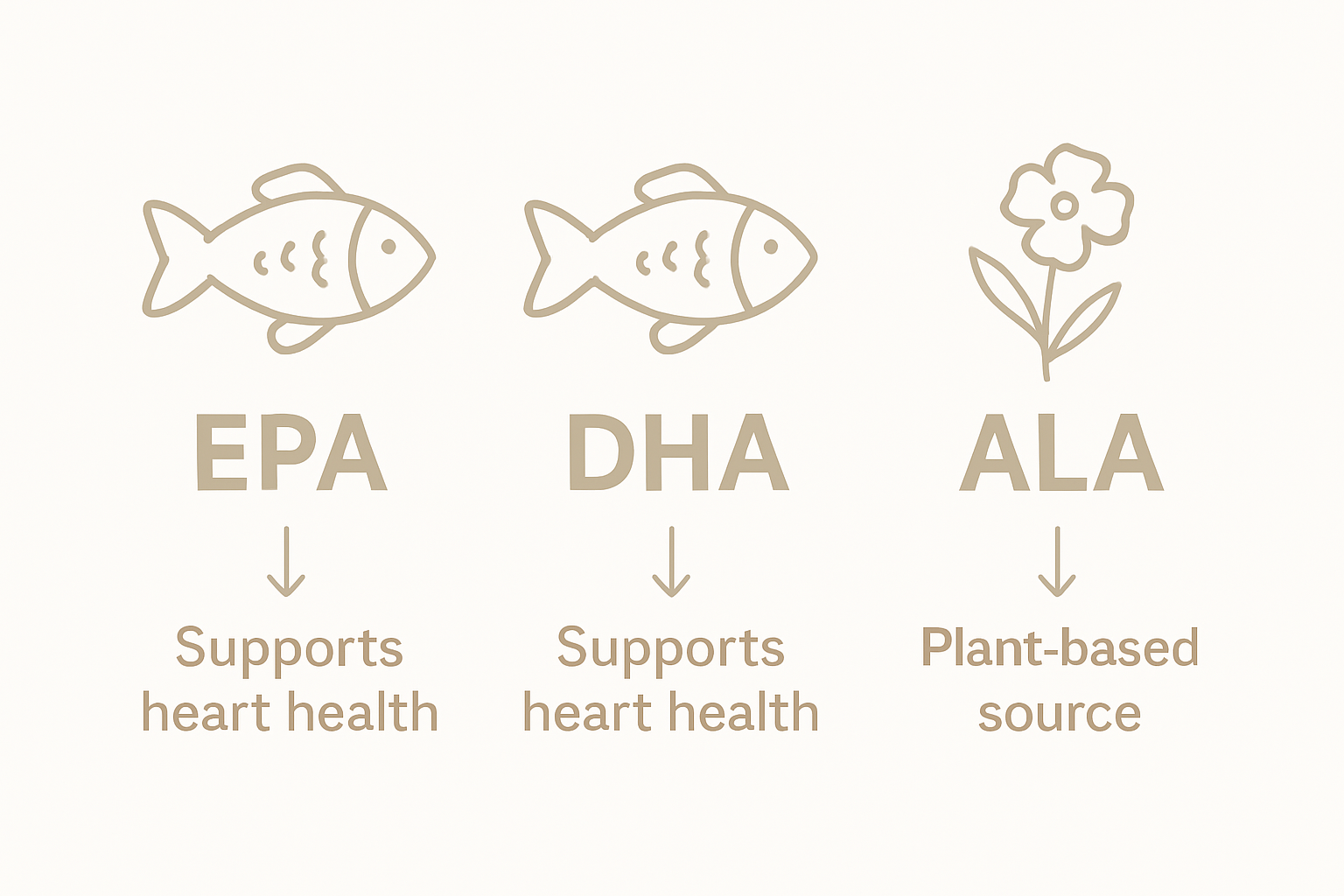
Marine-based sources predominantly provide EPA and DHA, with fatty fish like salmon, mackerel, and sardines representing the most concentrated nutritional reservoirs. Detailed nutritional reviews emphasize the diverse sources of omega-3 fatty acids, including fish, flaxseed, and walnuts, offering athletes and fitness enthusiasts multiple strategies for nutritional intake. Plant-based alternatives like chia seeds, flaxseeds, and walnuts are particularly rich in ALA, which the body can partially convert into EPA and DHA.
Key dietary sources of omega-3s include:
- Marine Fish: Salmon, mackerel, sardines, herring
- Plant Sources: Chia seeds, flaxseeds, walnuts
- Algae-based supplements
- Fortified foods like certain eggs and dairy products
For #nutribliss athletes seeking optimal omega-3 intake, a balanced approach combining whole food sources and high-quality supplements can ensure consistent nutritional support. Understanding the nuanced differences between omega-3 types empowers individuals to make informed dietary choices that align with their specific fitness and health objectives.
How Omega-3 Supports Muscle Recovery
Muscle recovery is a critical process for athletes and fitness enthusiasts, and omega-3 fatty acids play a pivotal role in optimizing this biological mechanism. Recent systematic reviews have demonstrated significant effects of omega-3 supplementation on post-exercise inflammation, muscle damage, and oxidative response, revealing the profound impact these nutrients have on athletic performance and physiological adaptation.

The anti-inflammatory properties of omega-3s are particularly crucial for muscle recovery. By modulating inflammatory pathways, these fatty acids help reduce exercise-induced muscle damage and accelerate healing processes. The International Society of Sports Nutrition (ISSN) position stand highlights the comprehensive impact of long-chain omega-3 polyunsaturated fatty acids on exercise performance and recovery, emphasizing their multifaceted benefits beyond traditional nutritional understanding.
Key mechanisms of omega-3 support in muscle recovery include:
- Reducing inflammatory markers
- Decreasing muscle protein breakdown
- Enhancing muscle protein synthesis
- Supporting cellular membrane repair
- Mitigating exercise-induced oxidative stress
For #nutribliss athletes, strategic omega-3 supplementation can be a game-changing approach to optimizing muscle recovery. By understanding and leveraging these biochemical pathways, individuals can potentially accelerate healing, minimize post-workout soreness, and improve overall training adaptations. The nuanced interplay between omega-3 fatty acids and muscular recovery represents a cutting-edge frontier in sports nutrition and performance enhancement.
Inflammation Reduction and Exercise Benefits
Inflammation represents a complex physiological response that can significantly impact athletic performance and recovery. Recent systematic reviews investigating omega-3 supplementation reveal compelling evidence about its potential to mitigate post-exercise inflammation and muscle damage, offering athletes a natural strategy for optimizing their body’s recovery mechanisms.
Omega-3 fatty acids function as powerful modulators of the inflammatory response, interrupting the cascade of pro-inflammatory signals that typically emerge after intense physical activity. By reducing inflammatory markers and supporting cellular repair processes, these nutrients help athletes manage exercise-induced stress more effectively. The anti-inflammatory mechanism works by blocking specific pathways that trigger inflammatory responses, thereby potentially accelerating muscle recovery and minimizing long-term tissue damage.
Significant inflammation reduction benefits for athletes include:
- Faster muscle recovery time
- Reduced perceived muscle soreness
- Enhanced immune system response
- Decreased risk of chronic inflammation
- Improved overall training adaptation
For #nutribliss athletes, understanding omega-3’s role in inflammation management represents a strategic approach to performance optimization. By incorporating these essential fatty acids into their nutritional regimen, individuals can potentially transform their body’s natural recovery processes, supporting more consistent and effective training outcomes. The nuanced interaction between omega-3s and inflammatory responses continues to demonstrate promising implications for athletic performance and long-term physical wellness.
Comparing Omega-3 With Other Fitness Enhancers
Performance enhancement strategies in fitness encompass a wide range of nutritional and supplemental approaches, with omega-3 fatty acids emerging as a uniquely comprehensive solution. The International Society of Sports Nutrition’s comprehensive position stand reveals the multifaceted impact of long-chain omega-3 polyunsaturated fatty acids on exercise performance and recovery, distinguishing these nutrients from traditional fitness enhancers.
Unlike targeted supplements that focus on singular performance metrics, omega-3s offer a holistic approach to athletic optimization. Protein supplements primarily support muscle protein synthesis, creatine enhances strength and power output, and branched-chain amino acids target muscle recovery. In contrast, omega-3 fatty acids work across multiple physiological systems, simultaneously supporting inflammation reduction, cellular membrane health, brain function, and muscular adaptation.
Key comparative advantages of omega-3s include:
- Broader systemic impact compared to single-purpose supplements
- Natural anti-inflammatory properties
- Support for cognitive and neurological function
- Enhanced cellular membrane flexibility
- Potential cardiovascular health benefits
For #nutribliss athletes seeking a comprehensive performance enhancement strategy, omega-3 supplementation represents a nuanced alternative to traditional fitness enhancers. By targeting multiple physiological pathways simultaneously, these fatty acids offer a sophisticated approach to nutritional support that extends beyond immediate workout performance, promoting long-term athletic resilience and overall physical wellness.
Unlock Your Fitness Potential with Omega-3 Supplements
Struggling with muscle soreness and slow recovery after intense workouts can hold you back from achieving your fitness goals. The article highlights how omega-3 fatty acids reduce inflammation, enhance muscle protein synthesis, and accelerate recovery. These benefits are essential for anyone aiming to improve performance and build resilience in training. At Nutribliss, we understand the importance of science-backed nutrition to support your active lifestyle with effective products targeting these exact challenges.
Discover a wide range of premium omega-3 and other targeted products in our Fitness Supplements collection. Each formulation is designed to help you fight exercise-induced inflammation, boost muscle repair, and increase joint flexibility so you can train harder and recover faster.

Take control of your muscle recovery today with Nutribliss. Visit nutribliss.us to explore top-quality supplements that align with the latest sports nutrition research. Don’t wait to enhance your performance and experience faster recovery — your body will thank you.
Frequently Asked Questions
What are omega-3 fatty acids and why are they important for fitness?
Omega-3 fatty acids are essential nutrients that the body cannot produce, playing a critical role in muscle recovery, reducing inflammation, and enhancing overall athletic performance.
How do omega-3s support muscle recovery after exercise?
Omega-3 fatty acids help reduce exercise-induced inflammation, accelerate healing processes, and enhance muscle protein synthesis, leading to faster recovery times and less soreness.
What types of omega-3 fatty acids are beneficial for athletes?
The primary types of omega-3 fatty acids are eicosapentaenoic acid (EPA), docosahexaenoic acid (DHA), and alpha-linolenic acid (ALA), each contributing uniquely to muscle health and recovery. EPA and DHA are particularly sourced from marine animals, while ALA is found in plant-based sources.
Can omega-3 supplementation enhance overall fitness performance?
Yes, omega-3 supplementation can enhance fitness performance by improving cardiovascular efficiency, reducing muscle soreness, and supporting joint flexibility, making them a valuable addition to an athlete’s nutrition plan.
Recommended
- Omega-3 for Fitness: Complete Evidence-Based Guide – Nutribliss Inc.
- Complete Guide to Omega‑3 Role for Athletes – Nutribliss Inc.
- 7 Essential Supplements for Athletes to Boost Performance – Nutribliss Inc.
- Role of Zinc in Performance: Complete Guide – Nutribliss Inc.
- Understanding Fish Oil for Hair Loss: What It Is and How It Works | MyHair