

Finding the right supplement to fuel workouts can feel overwhelming for American fitness enthusiasts searching for proven results. Nitric oxide boosters stand out because they support improved blood flow and oxygen delivery to muscles—key factors in performance and recovery. With myths and misinformation often clouding their true effects, this guide clarifies how these supplements work, the science behind their key ingredients, and what strategies make sense for athletes who want real results.
Table of Contents
- Defining Nitric Oxide Boosters And Common Myths
- Types Of Nitric Oxide Supplements Explained
- How Nitric Oxide Boosters Support Performance
- Key Ingredients And Their Effects On The Body
- Risks, Side Effects, And Safe Usage Tips
Key Takeaways
| Point | Details |
|---|---|
| Nitric Oxide is Naturally Produced | It is not a direct supplement but a molecule produced by the body, primarily as a vasodilator enhancing blood flow and oxygen delivery. |
| Consult Professionals Before Use | Athletes should speak with healthcare and nutrition experts to tailor nitric oxide supplementation to their specific fitness goals. |
| Effectiveness Varies | The impact of nitric oxide supplements can differ based on individual physiology, exercise intensity, and the composition of the supplement used. |
| Safety Considerations | Potential side effects and drug interactions stress the importance of monitoring health and consulting with medical professionals before starting supplementation. |
Defining Nitric Oxide Boosters and Common Myths
Nitric oxide is a critical signaling molecule in human physiology that plays a fundamental role in athletic performance and overall health. Unlike popular misconceptions, nitric oxide is not a supplement you directly consume, but rather a naturally occurring compound your body produces. Scientific mechanisms of nitric oxide production reveal its complex interactions within our physiological systems.
At its core, nitric oxide functions as a vasodilator, meaning it helps expand blood vessels and improve circulation. This molecular process is particularly important for fitness enthusiasts seeking enhanced performance and faster recovery. Key characteristics include:
- Supports improved blood flow
- Enhances oxygen delivery to muscles
- Helps reduce exercise-induced fatigue
- Promotes faster muscle recovery
Common myths surrounding nitric oxide can mislead consumers about its actual capabilities. Nitric oxide scientific facts demonstrate that many widespread beliefs are scientifically inaccurate. For instance, some people mistakenly believe that consuming beets directly creates nitric oxide or that L-arginine supplements are equivalent to nitric oxide itself.
Nitric oxide is a potent signaling molecule that acts as an antioxidant, not a harmful compound as some myths suggest.
Nitric oxide boosters typically contain precursor ingredients like amino acids and dietary nitrates designed to stimulate the body’s natural nitric oxide production. These supplements work by providing the raw materials necessary for your body to generate this important molecular compound, rather than introducing nitric oxide directly.
Pro tip: Consult with a healthcare professional before starting any new supplement regimen to understand how nitric oxide boosters might specifically benefit your fitness goals.
Types of Nitric Oxide Supplements Explained
Nitric oxide supplements represent a diverse category of nutritional products designed to enhance athletic performance and physiological function. Nitric oxide precursor supplements encompass several key ingredients that help stimulate the body’s natural nitric oxide production, each with unique characteristics and potential benefits.
The primary types of nitric oxide supplements include:
-
Amino Acid Supplements
- L-Arginine: Traditional precursor with limited standalone effectiveness
- L-Citrulline: More efficient amino acid for nitric oxide synthesis
-
Nitrate-Based Supplements
- Beetroot juice extract
- Leafy green vegetable concentrates
-
Combination Formulations
- Multi-ingredient supplements combining amino acids and nitrates
Athletic supplement research indicates that L-citrulline demonstrates superior performance compared to traditional L-arginine supplements. This amino acid more effectively elevates nitric oxide levels and may provide enhanced muscle function benefits for athletes.
Effectiveness of nitric oxide supplements varies based on individual physiology, exercise intensity, and specific supplement composition.
The mechanism of nitric oxide supplements involves providing precursor compounds that trigger the body’s natural nitric oxide production pathway. Unlike direct nitric oxide introduction, these supplements work by supplying raw materials that stimulate endogenous molecular processes responsible for vasodilation and improved blood flow.

Some supplements combine multiple ingredients to maximize potential performance benefits. These complex formulations often integrate amino acids, nitrates, and supporting compounds to create a more comprehensive approach to nitric oxide enhancement.
Pro tip: Consult with a sports nutrition professional to determine the most appropriate nitric oxide supplement for your specific fitness goals and physiological needs.
How Nitric Oxide Boosters Support Performance
Athletic performance enhancement through nitric oxide represents a sophisticated physiological approach to optimizing exercise capabilities. Nitric oxide boosters work by strategically improving blood flow, oxygen delivery, and muscular efficiency, creating multiple performance-enhancing mechanisms that benefit athletes across different training disciplines.
Key performance support mechanisms include:
-
Improved Blood Circulation
- Enhanced oxygen transport to muscle tissues
- Faster nutrient delivery during exercise
- Reduced metabolic waste accumulation
-
Muscular Function Optimization
- Increased muscle fiber contraction velocity
- Enhanced power output potential
- Faster recovery between intense training sets
-
Metabolic Efficiency
- Stimulated mitochondrial biogenesis
- Improved cellular energy production
- Better redox balance during high-intensity activities
Physiological research on nitric oxide demonstrates complex interactions between supplement intake and exercise performance. The molecular mechanisms involve intricate processes that go beyond simple blood flow enhancement, potentially influencing muscle fiber characteristics and overall metabolic responses.
Nitric oxide supplementation’s effectiveness depends on individual physiology, training status, and specific exercise contexts.
The performance benefits extend across different athletic domains, from endurance runners to strength training athletes. By supporting vascular function and cellular energy production, nitric oxide boosters create a multifaceted approach to performance optimization that addresses both immediate exercise capabilities and long-term physiological adaptations.
Critical factors influencing nitric oxide supplement effectiveness include individual metabolic variations, training intensity, and precise supplement composition. Athletes should approach these supplements as part of a comprehensive nutrition and training strategy rather than a standalone solution.
Pro tip: Conduct periodic performance assessments and consult sports nutrition experts to fine-tune your nitric oxide supplementation strategy for maximum individual benefit.
Key Ingredients and Their Effects on the Body
Nitric oxide synthesis pathways represent a complex biochemical process involving multiple molecular mechanisms that directly impact physiological performance. Understanding the key ingredients that support these pathways is crucial for athletes seeking optimal metabolic efficiency and exercise performance.
Primary nitric oxide precursor ingredients include:
-
Amino Acid Compounds
- L-Arginine: Traditional NO production substrate
- L-Citrulline: Advanced NO generation molecule
- Arginine-Alpha-Ketoglutarate (AAKG): Enhanced absorption variant
-
Natural Nitrate Sources
- Beetroot juice extract
- Leafy green vegetable concentrates
- Pomegranate juice derivatives
-
Enzymatic Cofactors
- Vitamin B3
- Vitamin B12
- Antioxidant compounds
Supplement effectiveness research indicates that L-citrulline may provide superior nitric oxide generation compared to traditional L-arginine supplementation. This amino acid more effectively increases arginine bioavailability, potentially enhancing overall physiological performance.
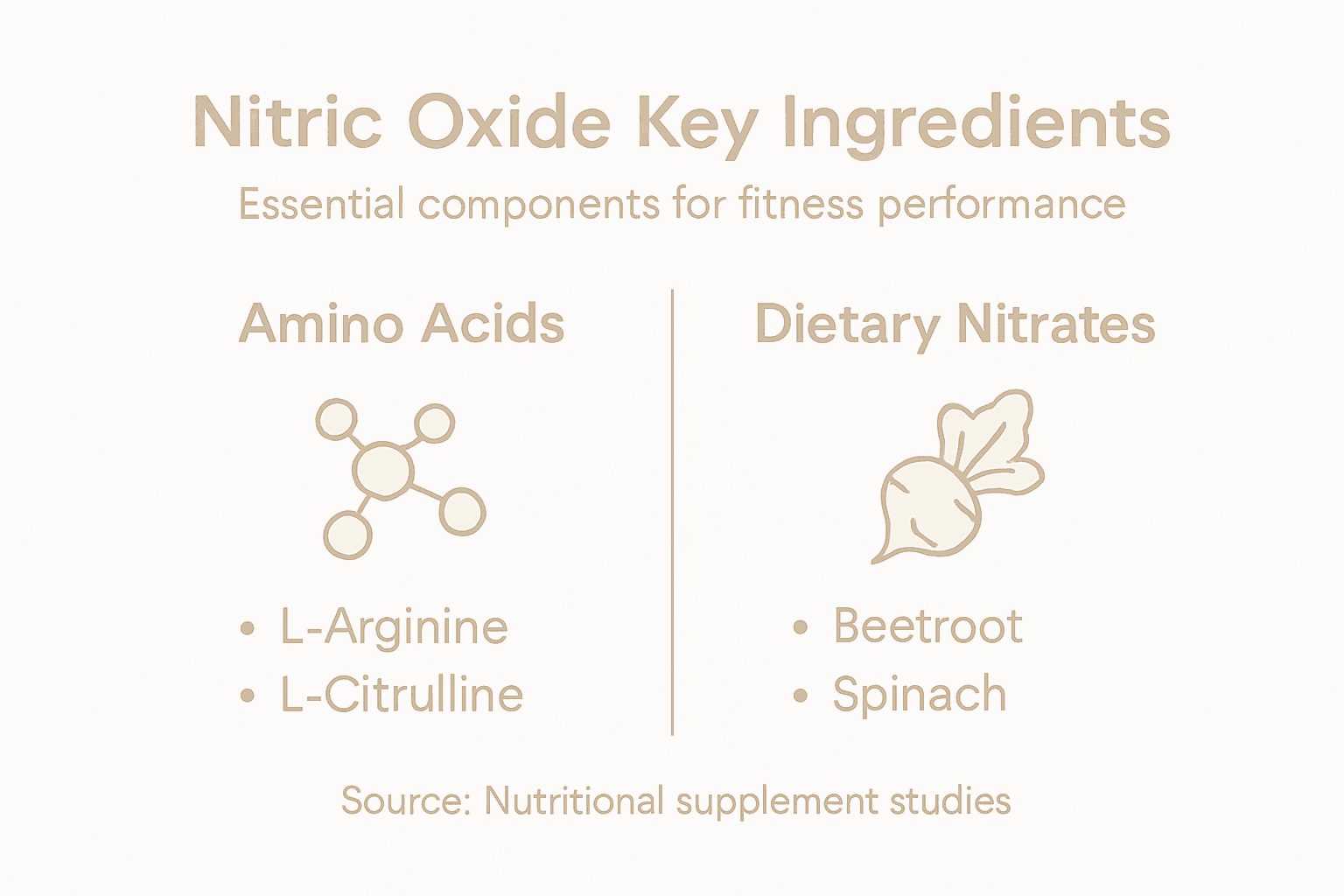
Here’s a comparison of common nitric oxide precursors and their unique attributes:
| Precursor Ingredient | Source | Primary Benefit |
|---|---|---|
| L-Arginine | Amino acid supplement | Traditional substrate, variable absorption |
| L-Citrulline | Amino acid supplement | Superior NO production, improved endurance |
| Beetroot Juice Extract | Vegetable/natural juice | Rich in nitrates, supports vasodilation |
| Leafy Green Concentrates | Vegetable extract | Natural nitrate source, cardiovascular support |
| Arginine-Alpha-Ketoglutarate | Amino acid compound | Enhanced absorption, muscle performance |
Individual metabolic variations significantly influence nitric oxide supplement effectiveness and absorption rates.
The molecular mechanisms involve three primary nitric oxide synthase isoforms: neuronal, inducible, and endothelial. Each plays a distinct role in generating this critical signaling molecule, which supports cardiovascular function, muscle performance, and metabolic efficiency.
Complex interactions between dietary precursors and enzymatic processes determine the ultimate effectiveness of nitric oxide boosting strategies. Athletes must recognize that supplement potency depends on multiple physiological factors, including training status, metabolic health, and precise nutritional intake.
Pro tip: Rotate different nitric oxide precursor sources and monitor individual performance responses to optimize your supplementation strategy.
Risks, Side Effects, and Safe Usage Tips
Supplement safety considerations reveal critical insights into the complex landscape of nitric oxide boosters. While these supplements promise performance enhancement, potential risks demand careful evaluation and a strategic approach to usage.
Key potential side effects and risks include:
-
Cardiovascular Interactions
- Blood pressure fluctuations
- Potential interactions with heart medications
- Risk of adverse events for individuals with pre-existing conditions
-
Metabolic System Impacts
- Potential liver and kidney function alterations
- Changes in blood chemistry
- Hormone balance disruptions
-
Drug Interaction Concerns
- Interference with blood pressure medications
- Potential complications with erectile dysfunction treatments
- Unexpected interactions with prescription drugs
Supplement usage research underscores the importance of understanding individual physiological responses and potential contraindications. The unregulated nature of dietary supplements means athletes must exercise extraordinary caution and prioritize professional medical guidance.
To help you assess safety, here is a summary of notable nitric oxide supplement risks and precautions:
| Risk Area | Potential Issue | Recommended Precaution |
|---|---|---|
| Cardiovascular Health | Blood pressure changes | Monitor BP, consult physician |
| Drug Interactions | Interaction with meds | Check all prescriptions with doctor |
| Metabolic System | Liver/kidney strain | Periodic health screenings |
| Supplement Quality | Unregulated ingredients | Use third-party tested brands |
Not all supplements are created equal, and individual metabolic responses can significantly vary.
FDA regulations provide minimal oversight for dietary supplements, which means consumers bear significant responsibility for verifying product quality and potential interactions. Third-party testing and consulting healthcare professionals become critical steps in responsible supplement use.
The complexity of nitric oxide boosters demands a nuanced approach. Athletes should consider their unique health profile, potential medication interactions, and specific performance goals before integrating these supplements into their regimen.
Pro tip: Conduct comprehensive medical screenings and maintain transparent communication with healthcare providers about all supplement usage.
Unlock Your Fitness Potential with Targeted Nitric Oxide Support
If you are looking to overcome exercise fatigue and boost your muscle recovery with proven nutritional solutions understanding the role of nitric oxide boosters is key. These supplements focus on improving blood flow and oxygen delivery to your muscles enhancing endurance and power output during workouts. Our carefully curated Fitness Supplements collection offers advanced precursor ingredients like L-Citrulline and Beetroot extracts designed to elevate your natural nitric oxide production safely and effectively.

Take control of your fitness journey today by exploring high-quality nitric oxide boosters at Nutribliss.us. Act now to experience improved exercise performance and faster muscle recovery while supporting heart health with our trusted Heart Health Supplements. Your next workout breakthrough starts with smart supplementation choices available only a click away.
Frequently Asked Questions
What are nitric oxide boosters and how do they work?
Nitric oxide boosters are supplements that support the body’s natural nitric oxide production, which helps expand blood vessels and improve blood flow. They typically contain precursor ingredients like amino acids and dietary nitrates that stimulate nitric oxide synthesis in the body.
What are the key benefits of using nitric oxide supplements for fitness performance?
Nitric oxide supplements can enhance athletic performance by improving blood circulation, increasing oxygen delivery to muscles, reducing fatigue, enhancing muscular function, and promoting faster recovery after exercise.
Are there different types of nitric oxide supplements, and which are most effective?
Yes, there are various types of nitric oxide supplements, including amino acid supplements (like L-arginine and L-citrulline), nitrate-based supplements (such as beetroot extract), and combination formulations. L-citrulline is often considered more effective than L-arginine for increasing nitric oxide levels.
What are the potential side effects of nitric oxide boosters?
Potential side effects can include blood pressure fluctuations, metabolic changes, and possible interactions with medications. It’s essential to consult with a healthcare professional before starting supplementation to ensure safety and efficacy.