

Introduction: Why a Thoughtful Nutrient Strategy Matters
Everyday wellness begins with solid nutritional grounding — and when animal products are off the plate, identifying trustworthy nutrient coverage becomes essential. A growing body of research shows that diets excluding animal-derived foods often leave gaps in key micronutrients. For instance, systematic reviews reveal that individuals following plant-based diets tend to have lower intake and status of vitamin B12, vitamin D, calcium, iron, zinc, iodine, and long-chain omega-3s like EPA and DHA compared to omnivores MDPI Nutrients review. Vegans, in particular, are at heightened risk for inadequate intake of vitamin B12, calcium, and iodine NCBI systematic review.
Recent findings reinforce these concerns: one Australian study noted that vegans and vegetarians, despite higher fiber, folate, and magnesium intake, showed significant deficits in vitamin B12, iodine, and omega-3 fatty acids compared to those consuming meat New York Post (citing the Australian research). Likewise, a consumer-focused report from HSIS highlights that individuals following plant-based diets often lack awareness of critical nutrients, and many experience related symptoms like fatigue or brittle hair and nails due to deficiencies in B12, vitamin D, iron, zinc, iodine, selenium, and omega-3 fats HSIS report.
In light of these findings, one tangible strategy that bridges dietary gaps is careful supplementation. When paired with a well-planned diet, a high-quality, third-party tested multivitamin can fill nutrient voids. A supplement tailored to plant-based needs ensures consistent intake of less accessible nutrients—even when dietary planning is otherwise meticulous.
This first section establishes why entering a vegan lifestyle without planning for micronutrient adequacy may create unseen vulnerabilities. It also introduces how strategic use of a vegan multivitamin, combined with appropriate food choices and fortified products, can provide a stable foundation for health. From here, the article will explore how to choose and evaluate supplements, how to interpret testing data, and how to integrate fortified foods and dietary habits to create a comprehensive, evidence-based wellness framework.
Section 2: Understanding Nutrient Gaps and Why Supplementation Matters
With a solid foundation now in place regarding the role of supplements in a plant-centered lifestyle, it’s essential to understand the specific nutrient shortfalls that often emerge and how a reliable vegan multivitamin can fill those gaps.
Common Nutrient Deficiencies in Plant-Based Diets
Individuals following vegan diets frequently exhibit lower intake or status of several vital micronutrients—namely vitamin B12, vitamin D, calcium, iron (especially in women), zinc, iodine, and long-chain omega-3s (EPA/DHA)—when compared to omnivores pmc.ncbi.nlm.nih.gov. For example, a systematic review found that vegan intake of vitamin B12 and iodine was markedly lower, and calcium status lagged behind other diets cambridge.org.
In one notable analysis of vegan meal planning, the deficiency was striking: iodine intake reached just 1% of the daily value, vitamin D was only 5%, and calcium around 58% pubmed.ncbi.nlm.nih.gov. Left unaddressed, these gaps can lead to fatigue, bone health issues, impaired immune function, and metabolic disruptions. A report by HSIS further links low B12, iron, vitamin D, zinc, and selenium with everyday symptoms like tiredness, hair and skin issues, and cognitive decline hsis.org.
Role of Supplementation in Addressing Shortfalls
Rigorous data underscore the critical role of supplements in meeting nutrient needs. A recent study demonstrated that when supplement intake is accounted for, plant-based eaters—vegans especially—fare much better in terms of meeting requirements for under-consumed nutrients nutritionj.biomedcentral.com. In a survey of healthcare professionals following strict vegan diets, nearly all respondents reported supplementing with B12, and many added vitamin D and omega-3s, highlighting common practice among informed individuals pubmed.ncbi.nlm.nih.gov.
Considering both dietary intake and supplementation offers the most accurate assessment of nutritional adequacy. It becomes evident that a thoughtfully formulated vegan multivitamin is far from redundant—it is often a critical strategy for ensuring consistent, reliable intake of nutrients that are otherwise difficult to obtain in sufficient amounts through whole foods alone.
Bridging Gaps with Smart Supplement Selection
- Opt for a multivitamin that aligns with key deficiencies—look for fortified sources of B12, vitamin D3, iodine, calcium, and iron.
- Consider third-party certifications or reputable brands to ensure quality and proper dosing.
- Use biomarker-informed supplementation (e.g., blood tests for B12, vitamin D) for personalized dosing strategies rather than one-size-fits-all approaches.
Understanding these gaps and how targeted supplementation can mitigate them sets up the next section, where we’ll explore how to evaluate supplement labels, compare forms and dosages, and choose a product that meets both nutritional needs and ethical standards.
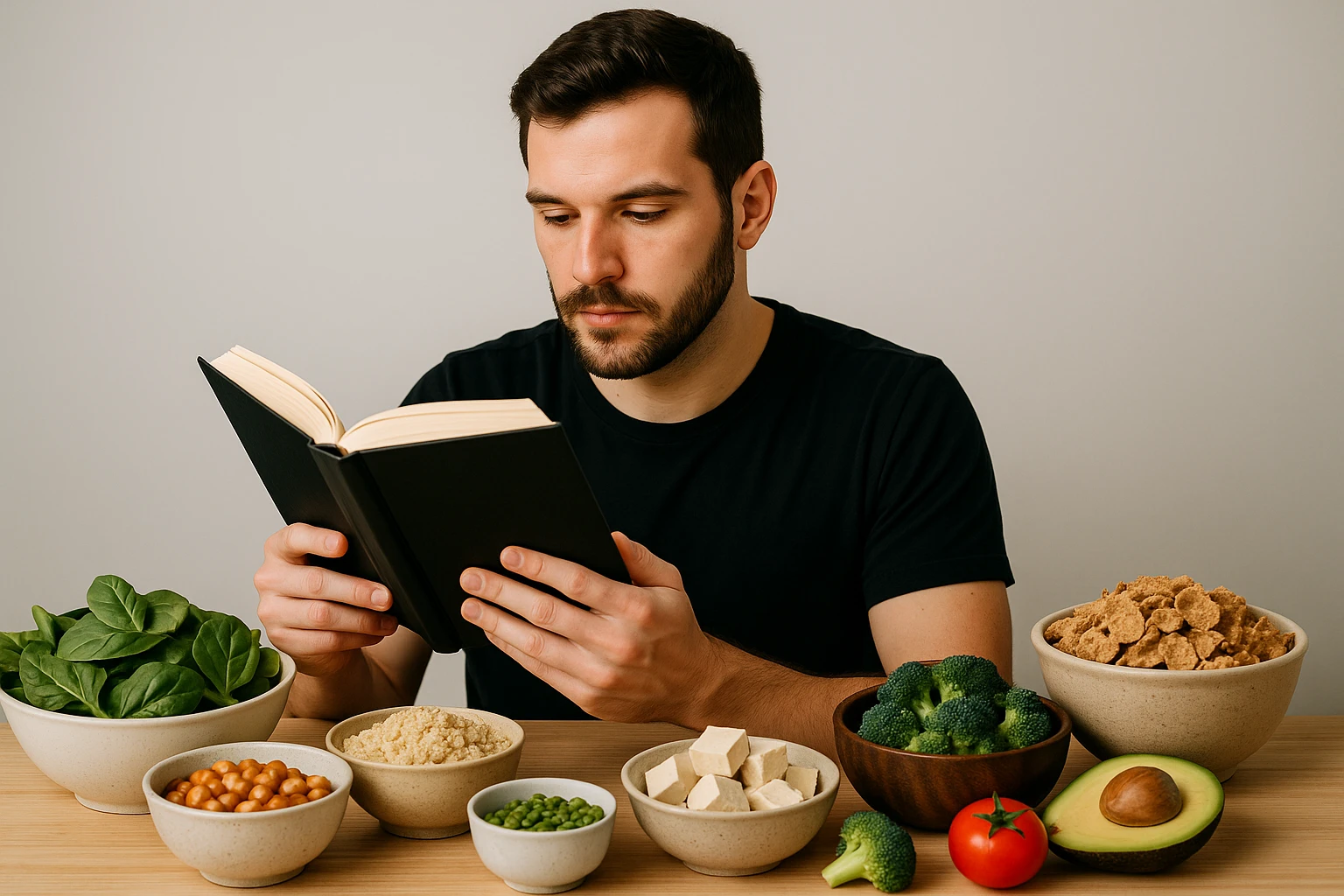
3. Why a Vegan Multivitamin Can Be a Strategic Nutritional Safety Net
Transitioning from plant-rich meals to a thoughtfully supplemented routine can offer tangible health benefits. For instance, a recent pan‑Nordic study revealed that 55–58% of young vegans habitually use a multivitamin, while only 13% of omnivores do—highlighting how supplementation serves as a bridge to address common shortfalls in vegan diets link.springer.com. These patterns reflect active efforts to offset documented inadequacies in nutrients like vitamin D, selenium, calcium, iodine, and B12, which frequently fall below recommended levels in vegan populations link.springer.com.
Real-World Examples and Supplementation Impact
In Germany, a controlled study found that healthy vegans who supplemented with vitamin B12 (median 250 µg/day over two years) achieved blood biomarkers comparable to omnivores—demonstrating that prudent supplementation can effectively normalize key nutrient levels pmc.ncbi.nlm.nih.gov. Similarly, in Sweden, vegans showed significantly lower vitamin D and iodine biomarkers than pescatarians and omnivores, reinforcing the need for targeted supplementation link.springer.com.
Survey Insights: Deficiency Awareness vs. Supplementation Gaps
A UK survey conducted by the Health and Food Supplements Information Service (HSIS) uncovered that 28% of vegans had been diagnosed with a nutrient deficiency via blood tests, yet over one-quarter of vegans weren’t taking any multivitamin or mineral supplement despite authoritative guidance advising supplementation for nutrients like B12, vitamin D, iodine, zinc, and selenium hsis.org. This disconnect underscores that while many understand potential deficiency risks, fewer proactively address them with supplementation strategies.
Actionable Insights for Health-Conscious Readers
- Consider a vegan multivitamin as an insurance policy rather than a cure-all—especially if your diet lacks fortified foods or consistent variety.
- Consult a healthcare provider for personalized testing—blood markers for vitamin D, B12, iodine, and selenium help pinpoint deficiencies.
- Pair supplementation with whole-food sources—such as fortified plant-based milks (for calcium and B12) and seaweed or iodized salt (for iodine)—adds nutritional resilience.
Overall, thoughtful integration of supplementation—anchored by testing and dietary planning—creates a proactive health framework. By situating a high-quality vegan multivitamin within a broader strategy of nutrient-rich meals and regular monitoring, individuals can better safeguard against the subtle yet meaningful risks that unaddressed deficiencies may carry.
4. Real-World Applications and Evidence-Based Insights
Transitioning from discussing the necessity of thoughtful integration within a broader nutritional strategy, we now explore how a high-quality vegan multivitamin plays out in real-world scenarios, supported by evidence and practical examples.
Case Study: Bone Health and Supplementation
For instance, the Adventist Health Study 2 tracked over 34,000 peri‑ and postmenopausal women for a median of 8.4 years. It found that female vegans experienced a 55% higher risk of hip fracture compared to non-vegetarians—unless they supplemented with both calcium and vitamin D, in which case their fracture risk aligned with that of other diets. This underscores the tangible impact of targeted supplementation on long-term health outcomes when dietary sources alone fall short. Adventist Health Study 2
Nutrient Deficiency Risks in Plan-Based Diets
Systematic reviews comparing plant-based and omnivorous diets consistently reveal that vegans often have lower intake and status of critical nutrients—including vitamin B12, vitamin D, calcium, iron (especially in women), zinc, and iodine—while typically achieving higher intake of folate, vitamin E, fiber, and magnesium. These findings illustrate why a vegan multivitamin can serve as an essential safeguard against well-documented deficiency risks. Systematic review on plant-based diets
Functional Evidence for Specific Vitamins
A meta-analysis of 17 studies examined functional biomarkers of vitamin B12 among vegans and found significantly lower serum B12 levels and elevated homocysteine and methylmalonic acid. Crucially, vegans using B12 supplements showed marked improvement across all measured biomarkers, reinforcing the importance of supplementation in correcting insidious deficiencies. Meta-analysis of B12 status
Supplement Design and Practical Implementation
Organizations like the Health and Food Supplements Information Service emphasize that individuals adopting plant-based diets often remain unaware of key nutrients at risk, such as selenium, omega‑3 fatty acids, and iodine. Their A–Z analysis of over 17,000 people highlighted widespread unawareness and prevalent deficiency symptoms including fatigue, brittle hair, and dry skin, thus advocating for daily multinutrient supplementation as a practical, preventive tool. HSIS report on plant-based diets
Summary of Actionable Insights
- Vegans, especially women and older adults, should consider a well-formulated multivitamin that includes calcium and vitamin D to support bone health.
- Inclusion of reliable vitamin B12 in a daily supplement is crucial—functional biomarkers show true deficiency can persist undetected without it.
- Addressing gaps in omega‑3s, iodine, and selenium through fortified multivitamins helps bolster immune, cognitive, and cardiovascular health, especially when dietary variety is limited.
These real-world examples and research-backed findings demonstrate that incorporating a tailored vegan multivitamin into one’s daily routine is not just theoretical—it’s a practical, evidence-informed strategy to mitigate deficiencies and maintain optimal health through a nutrient-limited lens.
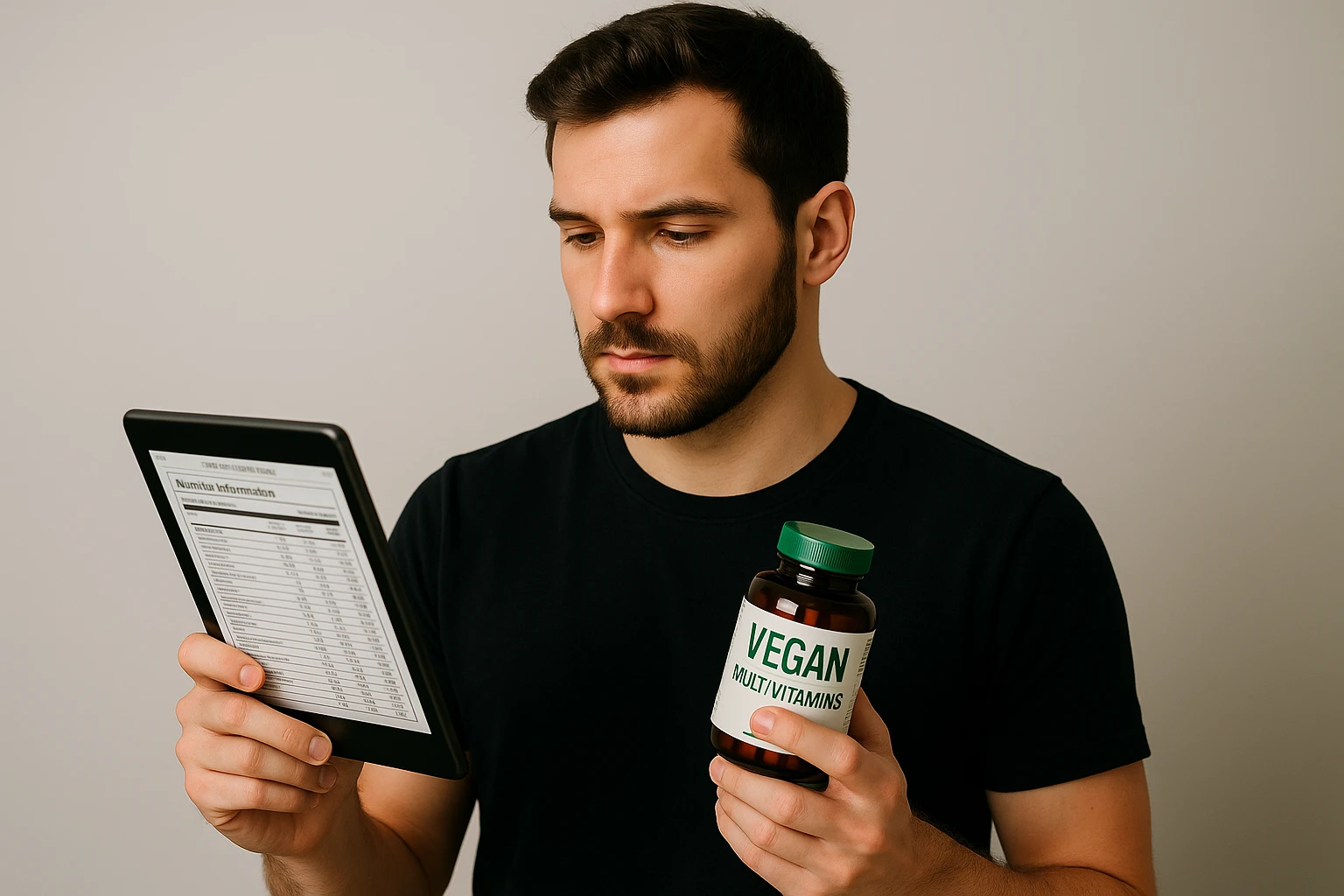
Conclusion: Making the Right Choice for Your Health
In summary, choosing the right vegan multivitamin can significantly contribute to your overall well-being, especially for those adhering to a plant-based lifestyle. By ensuring you consume the necessary vitamins and minerals, you fill nutritional gaps that might exist due to dietary restrictions. It's crucial to choose a product that offers a balanced combination of nutrients, focusing particularly on those that might be less prevalent in a vegan diet, such as vitamin B12, iron, and omega-3 fatty acids.
A practical approach is to start by evaluating your dietary needs and consulting with a healthcare provider. A personalized assessment can help you understand which vitamins might be lacking in your diet and how a multivitamin supplement can support your health goals. Research suggests that incorporating a tailored supplement can play a vital role in maintaining optimal health, enhancing energy levels, and boosting immune function. According to a study by the National Health and Nutrition Examination Survey, vegans may need to pay extra attention to their intake of certain micronutrients to avoid deficiencies.
Another key consideration is product quality. Ensure the vegan multivitamin you choose is certified by reputable organizations, ensuring purity, potency, and ethical sourcing. Third-party testing and certifications like USDA Organic or Non-GMO Verified can serve as assurances of quality. As implications of consuming a well-suited supplement, users have reported improved focus, better mood regulation, and increased energy levels. Do further research and read product reviews to find a product that has a strong reputation in the market. For example, Healthline offers insights into top-rated vegan multivitamin options.
As you embark on your journey to enhanced health through supplements, remember to combine them with a well-balanced diet and an active lifestyle. Regular exercise, adequate hydration, and a diverse diet rich in whole foods will amplify the benefits of any supplement. Becoming your own health advocate by staying informed and proactive can lead to sustainable well-being. Consider signing up for newsletters or joining online forums dedicated to vegan nutrition to keep up-to-date with the latest findings and recommendations.
Take charge of your health today. Explore the vast array of vegan multivitamins available and align your choice with your unique health needs. For ongoing guidance and updates on vegan supplements, Precision Nutrition provides an extensive resource for further reading. Embrace the power of informed choices to ensure a vibrant and healthy lifestyle.