

Most American gym-goers have heard that BCAA supplements can skyrocket muscle recovery, yet nearly 60 percent of fitness enthusiasts still fall for outdated myths. With workout intensity on the rise across the United States, getting the facts about BCAA really matters for anyone chasing real gains. This guide uncovers how BCAA work, the truth behind common misconceptions, and what smart supplementation looks like for American athletes aiming for faster muscle growth.
Table of Contents
- Defining BCAA Supplements And Common Myths
- Types Of BCAA Supplements And Key Differences
- How BCAA Supplements Support Muscle Recovery
- When And How To Use BCAA Effectively
- Potential Side Effects And Safety Concerns
Key Takeaways
| Point | Details |
|---|---|
| BCAAs are essential amino acids | Branched-chain amino acids, comprised of leucine, isoleucine, and valine, must be obtained through diet or supplementation as the body cannot produce them. |
| They do not replace complete protein | BCAA supplements are effective when combined with a complete protein source, as they do not stimulate maximal muscle protein synthesis on their own. |
| Timing is crucial | To maximize benefits, BCAAs should be consumed shortly before or after workouts and alongside a balanced diet. |
| Watch for potential side effects | Excessive BCAA consumption or low-quality products can lead to digestive discomfort and long-term metabolic issues, so choose reputable supplements and follow dosage recommendations. |
Defining BCAA Supplements and Common Myths
Branched-chain amino acids (BCAAs) are essential nutrients that play a critical role in muscle metabolism and athletic performance. Comprising three specific amino acids - leucine, isoleucine, and valine - BCAAs are unique because they cannot be produced by the human body and must be obtained through diet or supplementation. Research from Cambridge demonstrates that while these amino acids are widely consumed by athletes, their actual benefits are often misunderstood.
Many fitness enthusiasts believe BCAAs are a magic solution for muscle growth and recovery, but scientific evidence suggests a more nuanced reality. Contrary to popular marketing claims, BCAAs alone do not stimulate maximal muscle protein synthesis. Findings from GSSI research indicate that while BCAAs play a role in muscle metabolism, their effectiveness is limited without a complete amino acid profile. The body requires all essential amino acids to effectively build and repair muscle tissue, meaning BCAA supplements are most beneficial when combined with other protein sources.
Common myths surrounding BCAAs persist in the fitness community. Some individuals believe these supplements can completely replace protein intake or dramatically accelerate muscle growth overnight. In reality, BCAAs work best as part of a comprehensive nutrition strategy. They can help reduce muscle breakdown during intense workouts and potentially support muscle protein synthesis, but they are not a standalone solution for muscle building. The molecular signaling activated by BCAAs, particularly leucine, is just one part of a complex muscle adaptation process.
Pro tip: Combine BCAA supplements with a balanced diet and complete protein sources to maximize their potential benefits for muscle recovery and growth.
Types of BCAA Supplements and Key Differences
BCAA supplements come in diverse forms, designed to meet different fitness and nutritional needs. Research from Wikipedia highlights that athletes can choose between powders, capsules, and ready-to-drink beverages, each offering unique advantages for supplementation. The most prevalent form remains powdered BCAA mixes, which allow for flexible dosing and easy integration into pre or post-workout nutrition strategies.
The amino acid composition of BCAA supplements typically follows specific ratio standards. The standard 2:1:1 ratio of leucine, isoleucine, and valine represents the most common formulation, closely mimicking the amino acid profile found naturally in muscle tissue. According to GSSI research, while various ratios exist, no substantial scientific evidence conclusively demonstrates superior performance from alternative proportions. Some advanced supplements incorporate additional nutrients like electrolytes or performance-enhancing compounds to differentiate themselves in a competitive market.
Nutrient variations among BCAA supplements extend beyond basic amino acid ratios. Some products target specific fitness goals, offering specialized formulations for endurance athletes, bodybuilders, or individuals focusing on muscle recovery. These targeted supplements might include complementary ingredients such as glutamine, vitamin B6, or essential minerals designed to enhance overall nutritional support. Athletes should carefully evaluate supplement labels and understand that while the core BCAA components remain consistent, additional ingredients can significantly impact potential performance and recovery benefits.
Pro tip: Select BCAA supplements that align with your specific fitness objectives and consider consulting a nutritionist to determine the most appropriate formulation for your individual metabolic needs.
Here’s a quick comparison of common BCAA supplement forms and their unique features:
| Supplement Form | Ease of Use | Typical Additives | Best Use Case |
|---|---|---|---|
| Powder | Mixes easily; flexible dosing | Electrolytes, flavorings | Pre/post-workout shakes |
| Capsule | Convenient; portable | Minimal additives | On-the-go supplementation |
| Ready-to-drink | No mixing; high convenience | Sweeteners, vitamins | Quick recovery after training |
How BCAA Supplements Support Muscle Recovery
BCAA supplements play a critical role in supporting muscle recovery by triggering complex metabolic processes that help athletes bounce back faster after intense workouts. Research from Cambridge demonstrates that these amino acids activate crucial signaling pathways responsible for muscle protein synthesis and reducing exercise-induced muscle damage. The primary mechanism involves leucine, which stimulates the mTOR (mammalian target of rapamycin) pathway, a key biological process that jumpstarts muscle repair and growth.

At the cellular level, BCAA supplements work to mitigate muscle protein breakdown and accelerate recovery by providing the body with readily available amino acids. When muscles experience stress during high-intensity training, they require rapid protein synthesis to repair microscopic damage. BCAAs help reduce muscle soreness and support faster recovery by providing the building blocks necessary for tissue repair. While not a complete protein source, these supplements can significantly contribute to the body’s ability to recover more efficiently, especially for athletes engaged in rigorous training programs.
However, it is crucial to understand that BCAA supplements are most effective when integrated into a comprehensive nutrition strategy. They work best when combined with a balanced diet that includes complete protein sources and adequate overall nutrient intake. Athletes should view BCAA supplements as a targeted tool in their recovery arsenal, complementing proper rest, hydration, and full-spectrum nutrition. The transient nature of BCAA’s muscle protein synthesis support means that consistent, strategic supplementation is key to maximizing their potential recovery benefits.
Pro tip: Consume BCAA supplements within 30 minutes after your workout and pair them with a balanced meal to optimize muscle recovery and protein synthesis.
When and How to Use BCAA Effectively
Maximizing the benefits of BCAA supplements requires strategic timing and understanding of your body’s nutritional needs. Research from Cambridge highlights that BCAA supplements are most effective when consumed in conjunction with other essential amino acids, particularly around exercise periods. Athletes should aim to take BCAAs within 30 minutes before or after their workout to support muscle protein synthesis and reduce exercise-induced muscle damage.
The dosage and frequency of BCAA supplementation depend on individual fitness goals, body weight, and intensity of training. For most athletes, a typical recommended dosage ranges from 5 to 10 grams per serving, with up to 20 grams spread across multiple servings throughout the day. However, it is crucial to recognize that BCAA supplements are not a magic solution for muscle growth. They work best as part of a comprehensive nutrition strategy that includes adequate protein intake, balanced diet, and consistent training. Individuals who already consume sufficient protein through whole food sources may see minimal additional benefits from BCAA supplementation.
Different types of athletes may require varied BCAA supplementation approaches. Endurance athletes might benefit from smaller, more frequent doses to support prolonged energy metabolism, while strength training athletes may prefer larger doses taken around workout periods. It is important to listen to your body and monitor how BCAA supplements impact your individual performance and recovery. Factors such as overall diet, training intensity, and personal metabolism play significant roles in determining the most effective supplementation strategy.
Pro tip: Consult with a sports nutritionist to develop a personalized BCAA supplementation plan tailored to your specific fitness goals and metabolic needs.
Potential Side Effects and Safety Concerns
Potential health risks associated with BCAA supplements demand careful consideration, especially given the largely unregulated supplement industry. Unlike pharmaceutical products, dietary supplements like BCAAs do not undergo rigorous FDA screening, which means consumers must be proactive about understanding potential side effects and product quality. Some individuals might experience digestive discomfort, including bloating, nausea, or headaches when introducing BCAA supplements into their nutrition regimen.
Research suggests potential long-term metabolic concerns with excessive BCAA consumption. Scientific studies from Stanford highlight potential links between high BCAA intake and metabolic complications such as insulin resistance and potential disruption of normal glucose metabolism. Athletes and fitness enthusiasts should be particularly cautious, as prolonged or excessive supplementation might interfere with the body’s natural amino acid balance. Individuals with pre-existing metabolic conditions, kidney issues, or liver problems should consult healthcare professionals before starting any BCAA supplementation program.
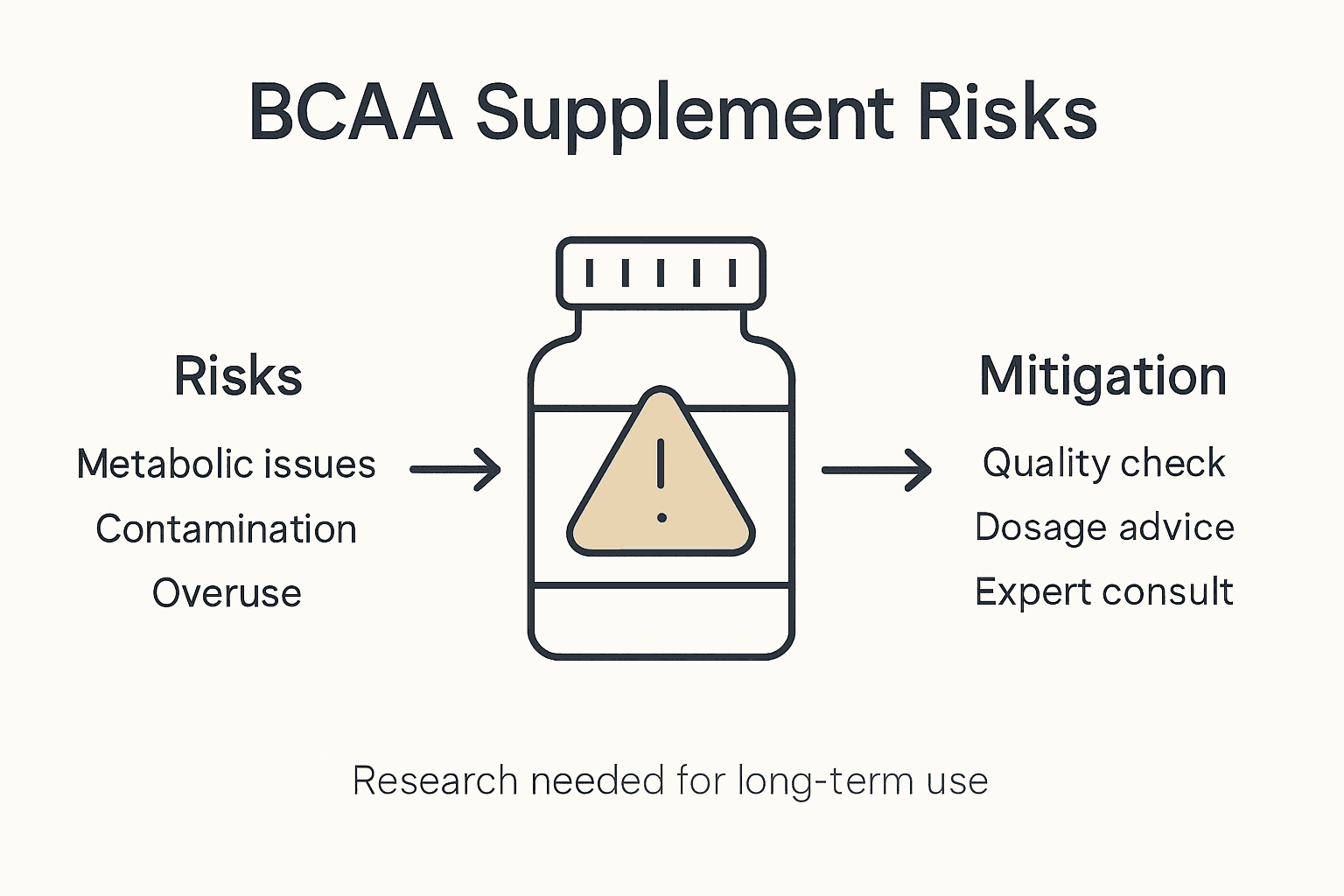
Additional safety considerations include potential contamination and variability in supplement quality. Some BCAA products might contain trace amounts of heavy metals, banned substances, or unlisted ingredients that could pose health risks. Professional athletes subject to drug testing must be especially vigilant about supplement sourcing, as contaminated products could potentially trigger positive test results. Choosing supplements from reputable manufacturers with third-party testing and transparent production processes can help mitigate these risks.
Pro tip: Always purchase BCAA supplements from verified manufacturers and consult with a healthcare professional to ensure the supplement is appropriate for your individual health profile.
Review this summary of potential BCAA side effects and strategies to reduce risks:
| Side Effect | Possible Cause | Mitigation Strategy |
|---|---|---|
| Digestive discomfort | Formula additives | Use products with simple formulas |
| Metabolic disruption | Excessive intake | Follow recommended dosages |
| Product contamination | Poor manufacturing | Select third-party tested brands |
| Headaches | Overuse or dehydration | Stay hydrated; lower dose |
Unlock Your Full Fitness Potential with Targeted BCAA Support
Understanding the role of BCAA supplements in muscle recovery and performance is key to overcoming common challenges like muscle soreness and slow post-workout recovery. Many athletes struggle to find supplements that truly complement a balanced nutrition plan and boost muscle protein synthesis effectively. With the insights from this article, you know that BCAAs work best when combined with complete protein sources and timed correctly around workouts.
Elevate your recovery and performance strategy by exploring our specialized Athlete Recovery & Performance collection. Our carefully selected products follow science-backed formulations that support muscle repair and help you bounce back stronger.

Don’t settle for incomplete nutrition when striving for optimal fitness results. Visit Nutribliss.us today to discover premium Recovery Supplements and Fitness Supplements designed to help you maximize the benefits of BCAA supplementation safely and effectively. Take the next step in your fitness journey and shop now to experience the difference that targeted nutrition can make.
Frequently Asked Questions
What are BCAA supplements and what do they contain?
BCAA supplements consist of branched-chain amino acids, specifically leucine, isoleucine, and valine, which are essential nutrients important for muscle metabolism and athletic performance.
How do BCAA supplements support muscle recovery?
BCAA supplements help support muscle recovery by reducing muscle protein breakdown and accelerating recovery, primarily by stimulating the mTOR pathway through leucine, which is vital for muscle repair and growth.
When is the best time to take BCAA supplements for maximum effectiveness?
The best time to take BCAA supplements is within 30 minutes before or after workouts to support muscle protein synthesis and reduce exercise-induced damage.
Are there any potential side effects of taking BCAA supplements?
Potential side effects include digestive discomfort, headaches, and metabolic disruptions if taken excessively. It’s essential to stick to recommended dosages and consult healthcare professionals if you have underlying health conditions.
Recommended
- Science of Athlete Recovery & Performance – Nutribliss Inc.
- 7 Essential Supplements to Enhance Performance Naturally – Nutribliss Inc.
- 7 Essential Supplements for Athletes to Boost Performance – Nutribliss Inc.
- Omega-3 for Fitness: Complete Evidence-Based Guide – Nutribliss Inc.
- Spinal Alignment – Why It Matters for Active Aussies